
Discover the rich tapestry of domestic life in early America, where every household was a hub of industry and ingenuity
Read full overviewShow less›
In 'Home Life in Colonial Days,' Alice Morse Earle offers a vivid exploration of the daily lives of early American settlers, uncovering the resourcefulness and resilience that defined their domestic existence. Readers will delve into the practicalities of colonial homes, from the rudimentary shelters of the first settlers to the intricate customs surrounding food preparation, clothing, and community interaction. This book paints a detailed picture of how colonists adapted to their new environment and created homes filled with warmth and functionality, revealing the social and economic structures that sustained them. Through meticulous research and engaging anecdotes, Earle brings to life the forgotten arts of spinning, weaving, and cooking, showcasing how these practices shaped the identity of early American society. The insights gained from this work illuminate not just a historical moment, but the enduring human spirit that thrives on creativity and cooperation.
Alice Morse Earle's 'Home Life in Colonial Days' offers a rich and nuanced understanding of the daily lives of early American settlers. By examining the various aspects of domestic life—from shelter and food to community and clothing—Earle illustrates the resilience and creativity that characterized colonial existence. This exploration reveals not only the practicalities of survival but also the cultural and social dynamics that shaped early American society. The lessons drawn from this historical period resonate today, highlighting the importance of community, resourcefulness, and the enduring human spirit. Understanding these foundational experiences enriches our appreciation for the complexities of American history and the diverse influences that continue to shape our lives.
- 1The Challenge of Shelter
- 2Innovative Lighting Solutions
- 3The Heart of the Home: The Kitchen
- 4Dining Rituals and Table Customs
- 5A Bounty from Nature: Food Sources
A glimpse inside

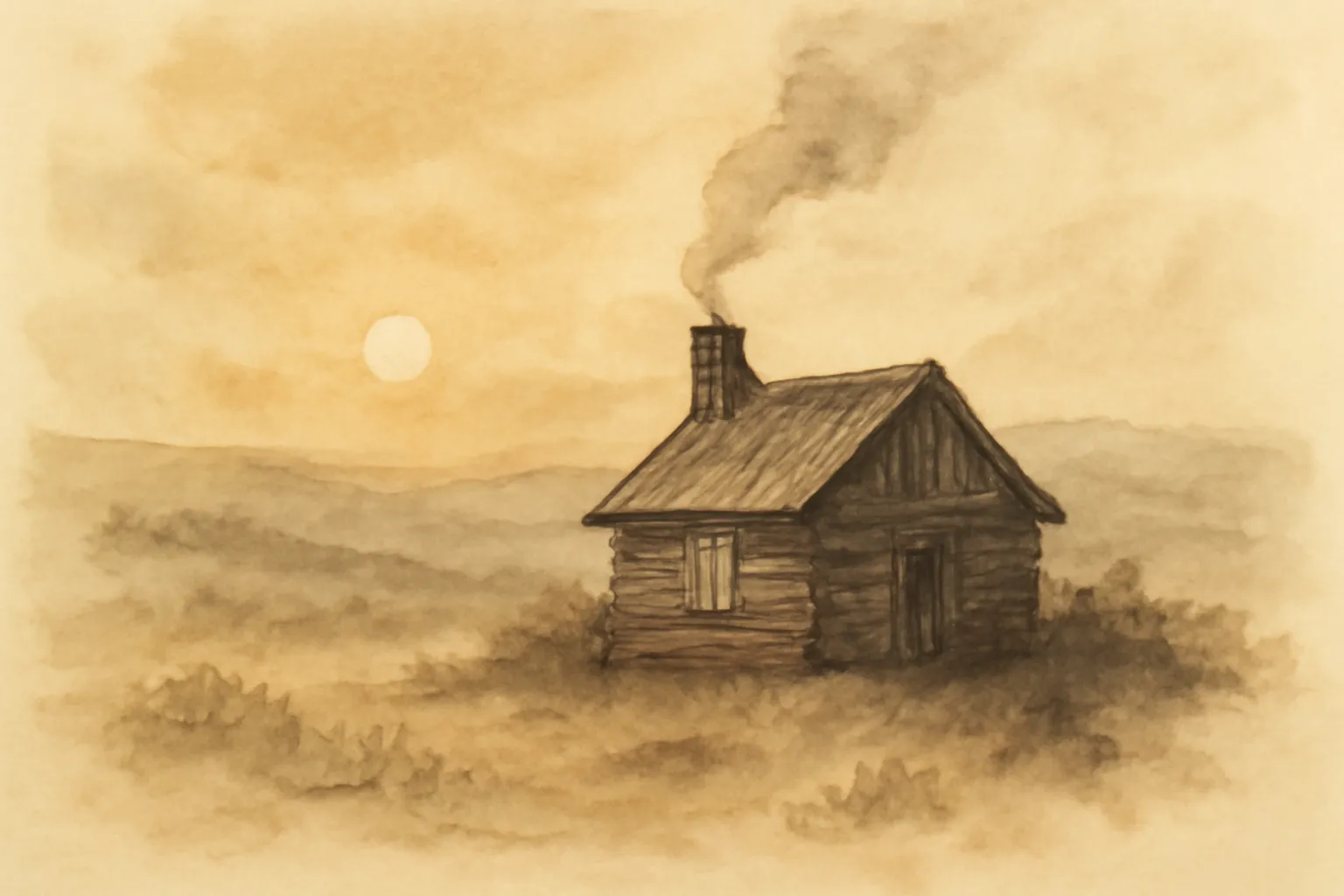
The first settlers faced immense challenges in securing shelter upon their arrival in America. With no sawmills or tools to cut timber, the colonists had to rely on primi… Read moreThe first settlers faced immense challenges in securing shelter upon their arrival in America. With no sawmills or tools to cut timber, the colonists had to rely on primitive means to create their homes. Some resorted to digging cave-dwellings in Pennsylvania, which served as temporary shelters while they prepared to build log houses. Historical accounts describe these caves as rudimentary, often made from sod, brush, and tree limbs, and while they were far from comfortable, they provided essential protection from the elements. The use of cave-dwellings was not just a necessity for poorer settlers; even some wealthier individuals adopted this method to expedite their settlement process. Within a few decades, however, these makeshift homes were abandoned in favor of more permanent structures, illustrating the colonists' adaptability and determination to establish a foothold in this new land. Show less
In the absence of modern lighting, colonists relied on natural resources for illumination, with pine knots being the most common source. Read moreIn the absence of modern lighting, colonists relied on natural resources for illumination, with pine knots being the most common source. These knots, rich in pitch, provided a bright flame but also produced a smoky residue that required careful handling. Governor John Winthrop noted their widespread use in both northern and southern colonies, showcasing how colonists ingeniously adapted to their environment. The practice of burning pine knots illustrates not only resourcefulness but also the connection to the natural landscape, as settlers utilized what was readily available. As the demand for more effective lighting grew, the colonists began to craft candles from tallow or beeswax, indicating a shift towards more sustainable and manageable solutions for domestic lighting. This evolution in lighting reflects the broader theme of ingenuity that characterized colonial life. Show less
Read the full text — free
About the author
Read Alice Morse Earle's work free on Lumina — the complete text plus an 8-minute summary and key ideas, no account needed