1.The Wrath of Achilles
The central theme of 'The Iliad' is the wrath of Achilles, which serves as the catalyst for much of the epic's action. This wrath stems from a personal slight when Agamemnon seizes Briseïs, Achilles' war prize, as a way to assert his authority. Achilles' anger leads him to withdraw from battle, which has dire consequences for the Greek forces. His refusal to fight highlights the theme of personal honor versus collective responsibility, as his pride ultimately endangers not only his comrades but also the fate of the entire Greek campaign against Troy. The poem opens with a call to the Muse to sing of this wrath, establishing it as a divine force that shapes human destiny and foreshadowing the tragic events that will unfold as a result of Achilles' choices.
2.The Role of the Gods
The gods in 'The Iliad' play a crucial role in influencing the course of events and the fates of the characters. They are depicted as capricious beings who favor different sides in the conflict, often intervening directly in human affairs. For instance, when Achilles withdraws from battle, Thetis, his mother, appeals to Zeus to punish the Greeks, leading to a shift in the war's tide in favor of the Trojans. This divine manipulation raises questions about fate and free will, as the mortals seem to be at the mercy of the whims of the gods. Each god represents different values and attributes, such as Athena's wisdom and Hera's jealousy, reflecting the complexities of human nature and the moral ambiguities of the war. The interplay between divine influence and human agency emphasizes the theme of destiny and the limitations of human power.
3.The Tragic Hero
Achilles embodies the archetype of the tragic hero, characterized by his extraordinary abilities and profound flaws. His greatness as a warrior is matched by his inability to control his emotions, particularly his rage and desire for vengeance. This duality is evident in his relationship with Patroclus, his closest companion, whose death ultimately drives Achilles back into battle. Achilles' journey reflects the tension between personal honor and the greater good, as his initial refusal to fight stems from a desire for respect and recognition. However, this same pride leads to catastrophic consequences, culminating in the loss of Patroclus and the subsequent awakening of Achilles' sense of duty. His eventual return to battle, fueled by grief and a desire for revenge, highlights the tragic cost of his heroic status and the inevitability of death that looms over all the characters in the epic.
4.Honor and Glory
Honor and glory are central to the motivations of the characters in 'The Iliad'. The Greek warriors are driven by a desire for kleos, or eternal glory, which they believe can be achieved through acts of bravery in battle. This cultural value is epitomized by Achilles, who is torn between his longing for a long life and the desire to achieve everlasting fame. The pursuit of honor leads to fierce competition among the heroes, resulting in both valorous deeds and tragic outcomes. For example, Hector, the Trojan prince, fights valiantly to defend his city and family, seeking to uphold his honor as a warrior. Yet, the relentless pursuit of glory ultimately leads to his demise at the hands of Achilles. The poem critiques the notion of honor by illustrating the often destructive consequences of pride and the relentless quest for recognition, suggesting that glory is fleeting and can come at a great cost.
5.The Nature of War
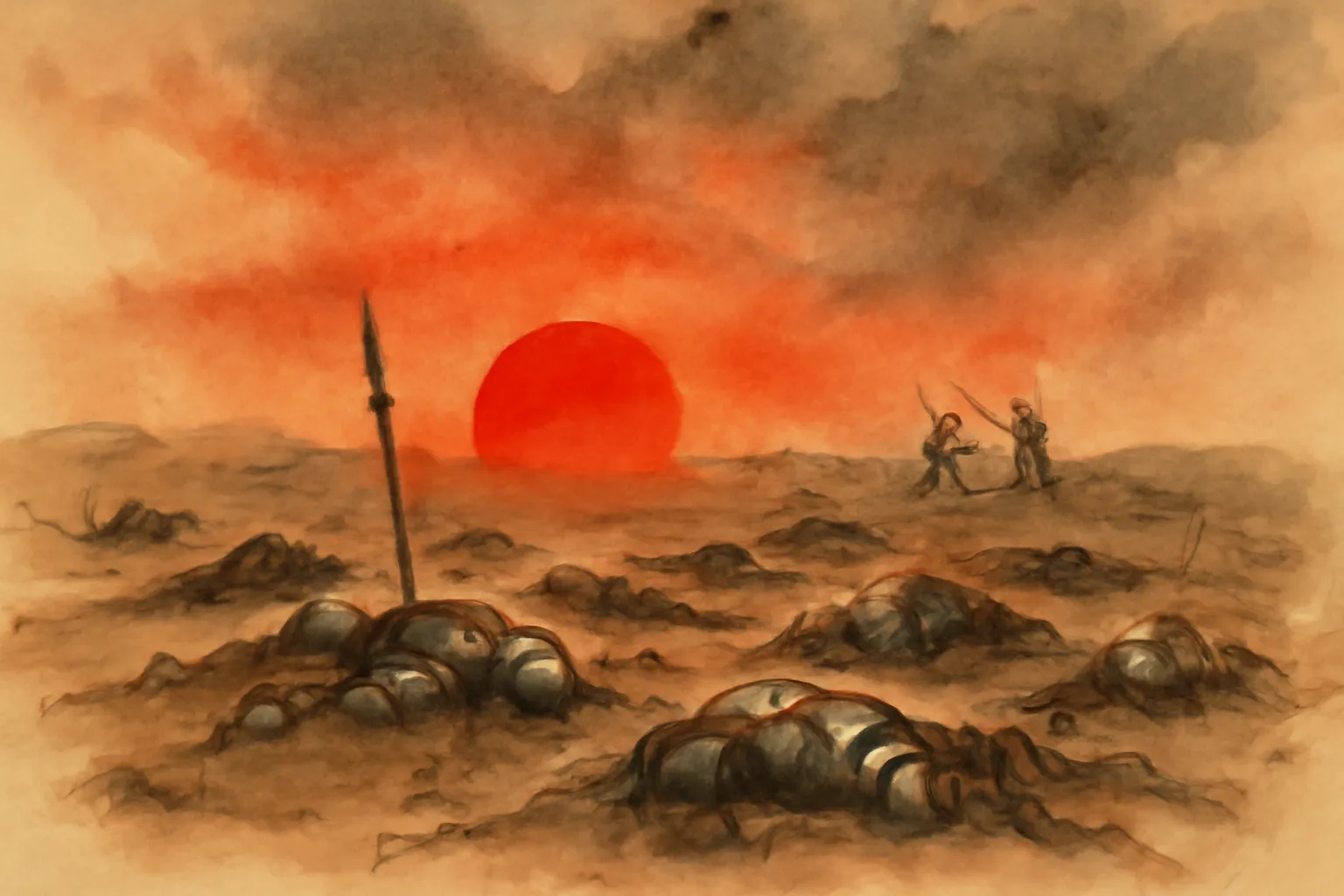
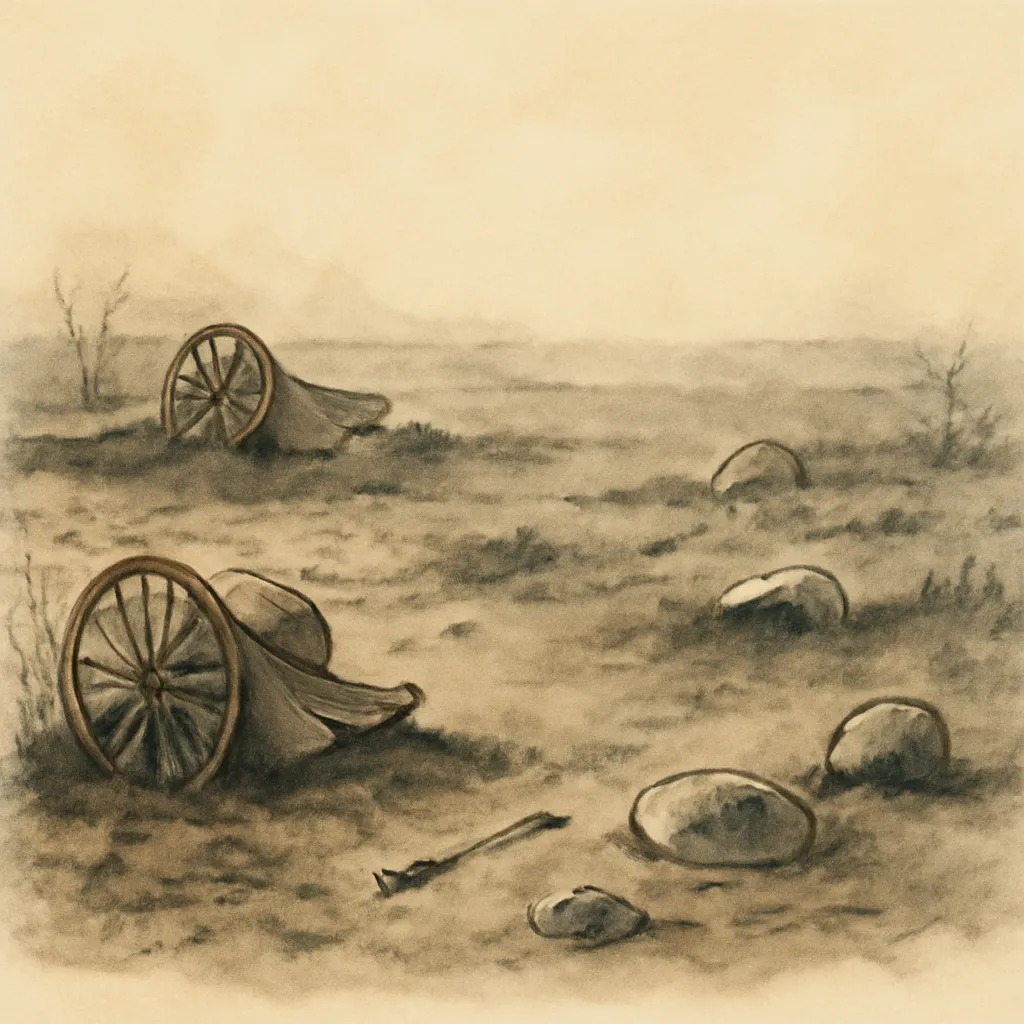
Homer's portrayal of war in 'The Iliad' is multifaceted, revealing both its brutality and its glory. The epic illustrates the chaos and devastation of battle, with vivid descriptions of the carnage and the emotional toll it takes on the warriors. The graphic depictions of death and suffering serve to humanize the characters and elicit empathy from the reader, challenging the glorified image of war often found in heroic tales. The conflict between the Greeks and Trojans is not merely a backdrop for individual heroism; it serves as a commentary on the futility and destructiveness of war. Characters like Achilles and Hector are caught in a cycle of violence, where personal vendettas and collective grievances perpetuate the bloodshed. This nuanced depiction prompts readers to reflect on the true cost of war and the lasting impact it has on both victors and victims.
6.Friendship and Loss
The bond between Achilles and Patroclus is one of the most poignant aspects of 'The Iliad', illustrating the theme of friendship amid the horrors of war. Their relationship is characterized by deep loyalty and affection, which is tragically highlighted by Patroclus' death. Achilles' grief over the loss of his friend serves as a turning point in the narrative, propelling him back into battle and igniting his desire for vengeance against Hector. This profound sense of loss is not limited to Achilles; it resonates throughout the Greek camp, affecting the morale and unity of the warriors. The emotional weight of friendship underscores the personal stakes of the conflict, reminding readers that behind the grand narratives of war lie individual stories of love, loss, and the longing for connection. The exploration of friendship in the face of tragedy enriches the epic, adding depth to the characters' motivations and actions.
7.Fate and Free Will
The tension between fate and free will is a recurring theme in 'The Iliad', as characters grapple with their destinies while attempting to assert their agency. The gods frequently intervene in mortal affairs, influencing the outcomes of battles and the fates of individuals. However, the characters also make choices that reflect their desires and values, suggesting a complex interplay between predetermined fate and personal decision-making. For example, Achilles is aware of his fate—he can choose a long life with obscurity or a short life filled with glory. His choice to seek honor through battle ultimately leads to his tragic end, raising questions about whether he is a victim of fate or an architect of his own destiny. This exploration of fate and free will invites readers to consider the extent to which individuals can shape their lives in the face of seemingly insurmountable forces.
8.The Role of Women
Women in 'The Iliad' occupy complex roles that reflect both power and vulnerability within a patriarchal society. Characters such as Helen, Andromache, and Briseïs illustrate the varying degrees of agency women possess, often dependent on their relationships with male figures. Helen, whose abduction sparks the war, is portrayed as both a victim and a catalyst, embodying the consequences of male desires and conflicts. Andromache, Hector's wife, represents the personal cost of war, as she grapples with the fear of losing her husband and the fate of her family. The treatment of Briseïs, who is taken from Achilles, underscores the objectification of women as war prizes, revealing the intersection of violence and gender dynamics. Despite their limited power, these women's voices and experiences add depth to the narrative, challenging readers to consider the impact of war on all members of society and the resilience of women amid turmoil.
9.The Cycle of Vengeance
The cycle of vengeance is a pervasive theme in 'The Iliad', illustrating how personal grievances escalate into broader conflicts. Achilles' wrath leads to Patroclus' death, which in turn drives Achilles to seek revenge against Hector, perpetuating a cycle of violence that affects both the Greeks and Trojans. This cycle illustrates the destructive nature of revenge, as each act of retaliation leads to further suffering and loss. The desire for retribution often clouds judgment, causing characters to act impulsively and against their better interests. For instance, Achilles' overwhelming need to avenge Patroclus blinds him to the consequences of his actions, leading to further tragedy. The exploration of vengeance in the epic serves as a cautionary tale about the futility of revenge and the need for reconciliation, highlighting the broader implications of personal conflicts on society.