1.The Weight of Glory and Honor

In a poignant dialogue between Hannibal and a Gaulish chieftain, the discussion revolves around the fallen Roman general Marcellus. The chieftain expresses his desire to claim the golden chain that belonged to Marcellus, viewing it as a necessary prize for his king and a symbol of glory for his people. Hannibal, however, reflects on the deeper meaning of honor, asserting that true glory does not require ostentation. He reveres Marcellus not for his trophies but for his noble deeds on the battlefield, emphasizing that the fallen warrior's legacy is far more significant than any adornments or trophies. Hannibal's admiration reveals a theme that transcends mere victory in war; it speaks to the essence of true valor, which lies in selflessness and integrity. This exchange critiques the superficiality associated with material gains, contrasting the chieftain's desire for physical spoils with Hannibal's recognition of Marcellus’ moral fortitude, thus elevating the discussion about what constitutes genuine honor in both individuals and cultures.
2.Truth vs. Eloquence

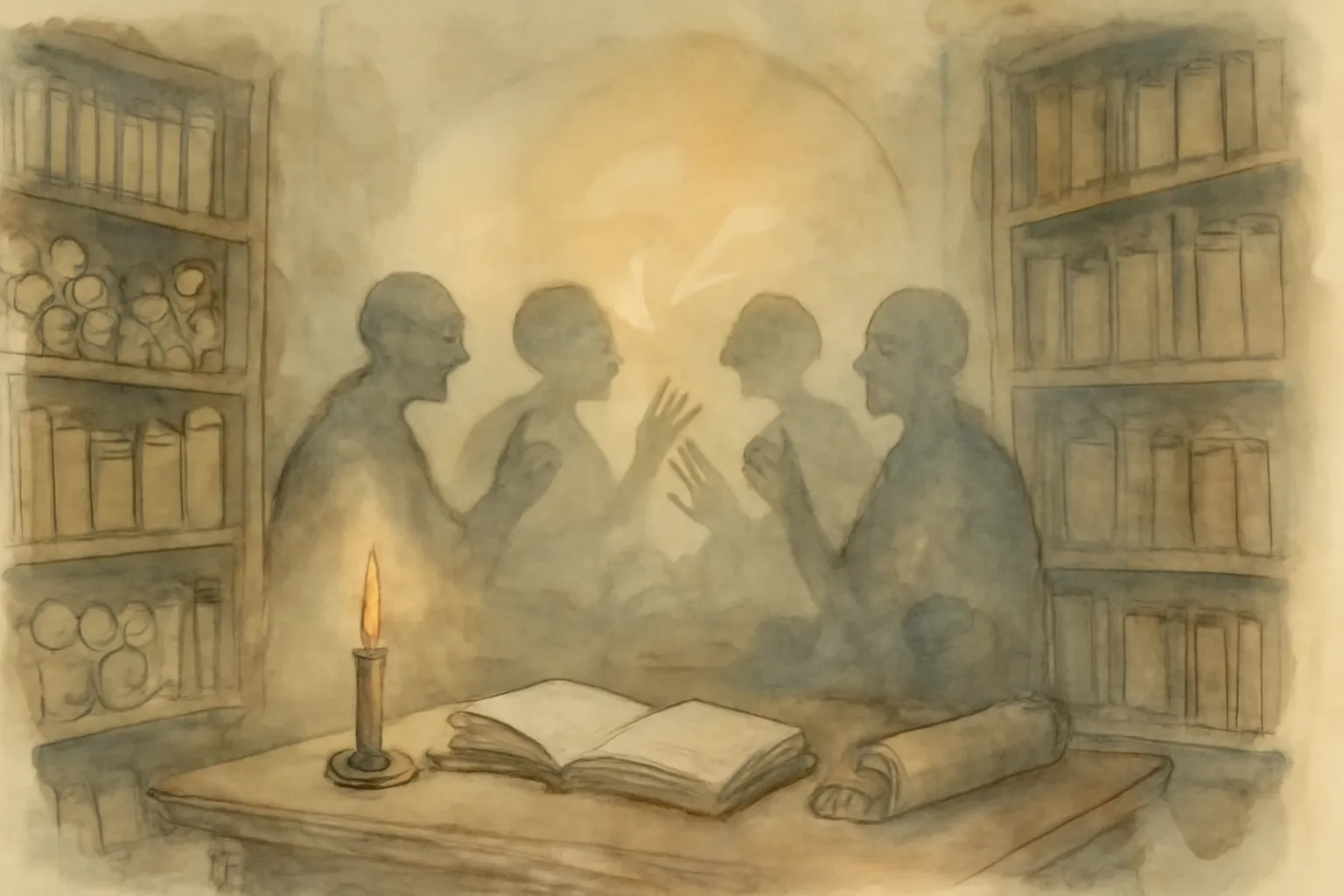
The dialogues between Seneca and Epictetus explore the intricate relationship between truth and style in communication. In their exchange, Epictetus emphasizes the importance of truth as the cornerstone of effective discourse, arguing that one should first consider whether what they intend to convey is truthful and clear. His assertion that brevity should guide expression serves as a reminder that clarity triumphs over grandiloquent language. Seneca counters this with a belief that eloquence is essential to capture and retain the readers' attention, suggesting that artful expression can awaken indolence and inspire action. This tension between truth and style reflects a broader philosophical debate about the value of substance versus form in literature and rhetoric. Landor's portrayal of these two figures offers insight into the complexities of effective communication, suggesting that while eloquence can attract attention, it is the truth that resonates more profoundly and endures. The dialogue invites readers to reflect on their own communication styles, urging them to strike a balance between the allure of eloquence and the necessity of transparency.
3.The Complexity of Love and Relationships

The exchange between Henry and Anne Boleyn delves deeply into the intricacies of love, fidelity, and betrayal. As Anne defends her honor against Henry's accusations, she asserts her innocence and the purity of her feelings towards him. This dialogue encapsulates the emotional turmoil that love can bring, especially when intertwined with power dynamics and societal expectations. Henry's suspicions and jealousy reflect the darker facets of love, where passion can quickly mutate into possessiveness and mistrust. Anne's insistence on her integrity highlights the theme of personal honor within relationships, particularly in a time when public perception could overshadow individual truth. Landor effectively portrays the fragility of love, suggesting that it can be both a source of profound joy and a catalyst for intense suffering. Their interaction serves as a reminder of the challenges inherent in romantic relationships, where the interplay of loyalty, desire, and societal scrutiny can complicate even the most genuine of emotions.
4.Friendship and Literary Legacy

In a conversation between Boccaccio and Petrarca, the two literary giants reflect on the nature of friendship and the role of storytelling in preserving culture. Boccaccio encourages Petrarca to find inspiration in the familiar landscapes of their homeland, emphasizing the importance of community and shared experiences in the creative process. This dialogue underscores the idea that literary creation is deeply rooted in personal connections and the environment. Petrarca's appreciation for Boccaccio’s narratives illustrates the power of stories to bridge gaps between individuals and generations, fostering understanding and connection. Landor uses this exchange to highlight not only the bonds of friendship but also the broader responsibility that writers hold in shaping cultural narratives. The dialogue suggests that literature is not merely an artistic endeavor but a vital means of sustaining communal identity and heritage, urging writers to engage with their surroundings and their relationships to create meaningful works that resonate with future generations.
5.The Moral Dilemmas of Authority

The dialogue between Cromwell and Noble presents a gripping exploration of justice, authority, and morality within society. Cromwell, embodying a ruthless pragmatism, expresses his disdain for hypocrisy and the complexities of kingship. He articulates a view of governance that prioritizes order and compliance over compassion, indicating a willingness to sacrifice individual lives for what he perceives as the greater good. Noble counters with a call for humanity and mercy in governance, arguing that true justice must consider the individual's dignity and the intrinsic worth of every life. This exchange highlights the moral dilemmas faced by those in power, where decisions often come with ethical ramifications that extend beyond mere political strategy. Landor uses this dialogue to critique the harsh realities of political authority, suggesting that true leadership requires a balance of strength and empathy. As Cromwell grapples with the weight of his actions, readers are invited to reflect on the responsibilities of authority figures and the profound impact of their choices on the lives of others, emphasizing the need for moral integrity in leadership.
6.The Nature of Suffering and Hope

In a heart-wrenching exchange between Spenser and Essex, the conversation revolves around loss, grief, and the fragility of hope. Spenser's lament over the death of his child reveals the profound depth of parental love and the agony of bereavement. His emotional turmoil illustrates the raw pain associated with loss, where memories intertwine with sorrow, creating a heavy burden that can be isolating. Essex offers consolation, acknowledging the limits of his power to alleviate such deep suffering. This dialogue captures the human experience of mourning, portraying how grief can consume one’s spirit while highlighting the importance of companionship in times of despair. Landor skillfully portrays the tension between the desire for solace and the reality of loss, suggesting that hope can persist even amidst the darkest moments. The conversation serves as a reminder of the resilience of the human spirit and the necessity of connection and understanding in the face of life's most profound challenges. Through their interaction, readers gain insight into the complexities of emotional healing and the power of shared grief.
7.The Role of Nature in Human Experience
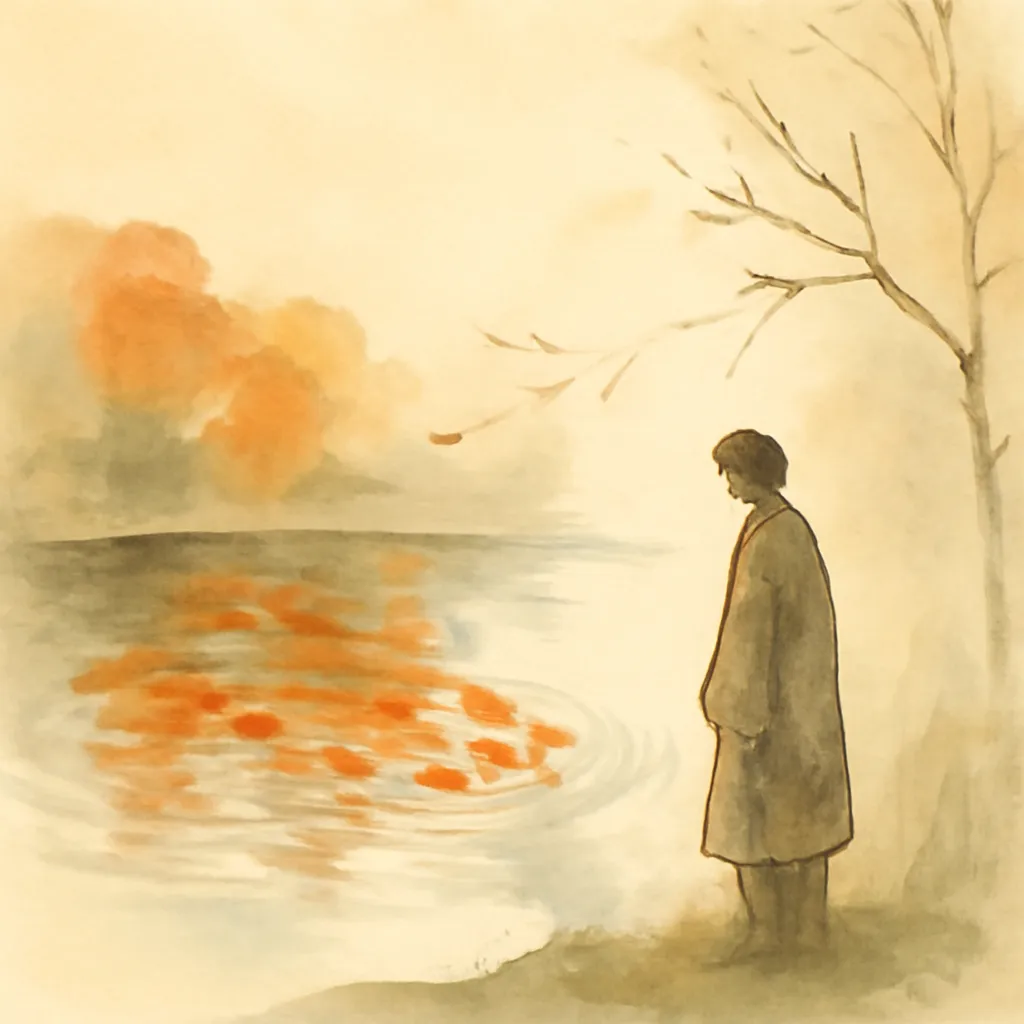
The dialogue between Epicurus, Leontion, and Ternissa explores the relationship between humanity and nature. Epicurus emphasizes the beauty and tranquility found in the natural world, suggesting that it serves as a sanctuary for the soul. The conversation reveals a philosophical inquiry into how nature influences human emotions and thoughts, presenting it as a source of inspiration and reflection. Epicurus argues that understanding and appreciating nature can lead to a more serene and fulfilled life. This perspective invites readers to consider how the natural world can provide solace and clarity amid life's complexities. Landor highlights the importance of cultivating a harmonious relationship with the environment, suggesting that nature not only shapes our emotional landscape but also serves as a mirror reflecting our inner states. The characters’ appreciation for the sensory experiences offered by the natural world reinforces the idea that human fulfillment is deeply connected to the beauty of the earth, encouraging readers to seek joy and peace in nature's presence.
8.The Tension Between Philosophy and Reality
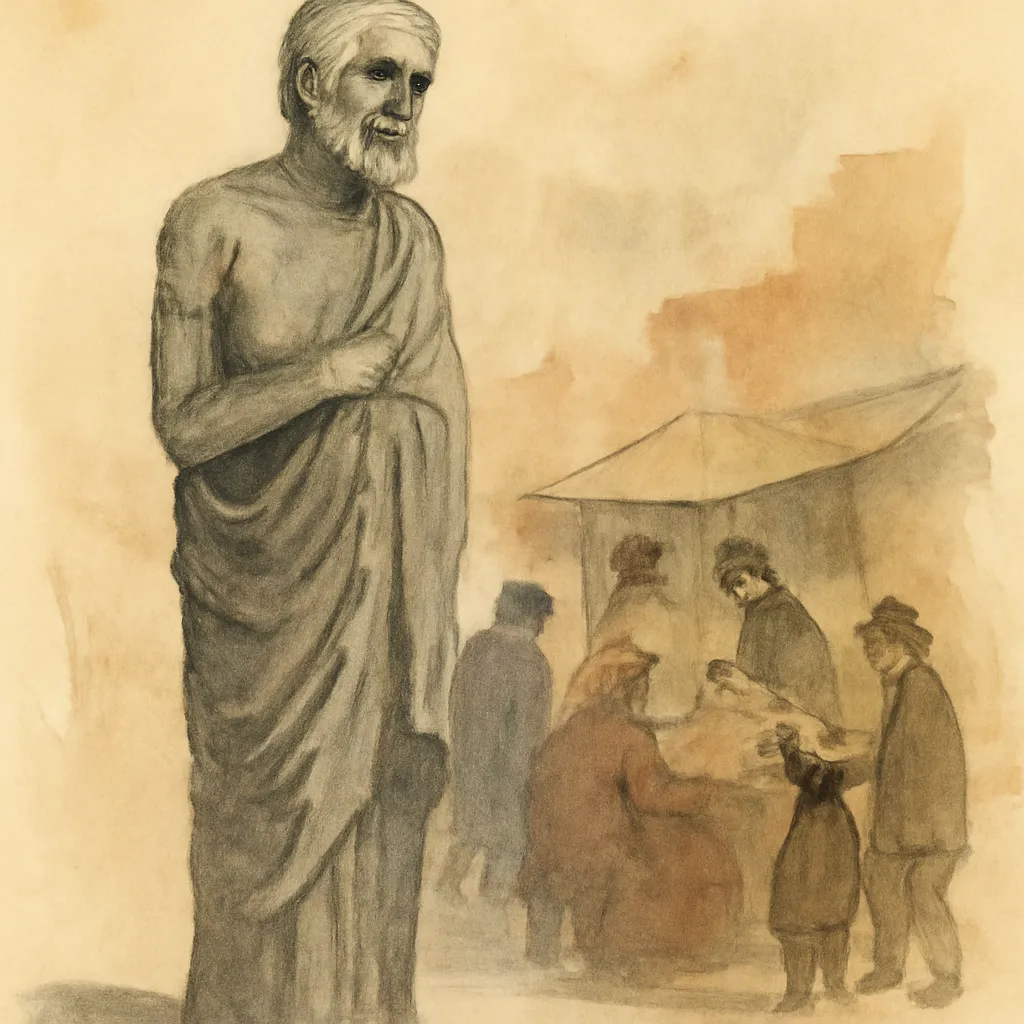
In a dialogue between Plato and Diogenes, the two philosophers engage in a spirited debate about the nature of truth and sincerity. Diogenes challenges Plato's idealism, arguing that philosophical concepts often fail to capture the complexities of real life. He emphasizes that philosophy must be rooted in practical experiences rather than abstract theorizing. This exchange underscores the tension between abstract philosophical ideals and the practical realities of existence. Landor presents Diogenes as a voice of pragmatism, emphasizing the need for sincerity and directness in thought and action. The dialogue invites readers to consider the value of philosophical inquiry while also recognizing its limitations. Through this interaction, Landor encourages a balanced approach to philosophy, advocating for a philosophy that is grounded in lived experience and genuine human connection, rather than one that remains aloof and disconnected from everyday life.
9.The Impact of Artistic Expression

In a conversation between La Fontaine and Rochefoucault, the two discuss the role of literature and art in shaping human behavior and society. La Fontaine argues that, despite the flaws of humanity, there exists a natural inclination towards virtue. Rochefoucault counters this by suggesting that people often revel in the flaws of others, indicating a darker side of human nature. This dialogue highlights the duality of artistic expression, where literature can both uplift and expose the vulnerabilities of society. Landor suggests that art serves as a mirror reflecting both the beauty and the flaws of humanity, prompting readers to engage with the complexities of moral character. The conversation ultimately emphasizes the transformative power of art, as it can inspire reflection, empathy, and change within individuals and communities. This exchange serves as a reminder of the critical role that artists play not only in reflecting cultural values but also in challenging societal norms and encouraging progressive thought.
10.The Essence of Love and Its Challenges

The dialogue between Dante and Beatrice captures the essence of love, longing, and the challenges that accompany deep emotional connections. Dante's passionate declarations reveal the intensity of his feelings, where love becomes both a source of inspiration and a catalyst for despair. Beatrice navigates her own emotions with a blend of affection and caution, representing the complexities of romantic ideals versus societal expectations. Their exchange explores the difficulties inherent in love, where desire often intertwines with external pressures and personal dilemmas. Landor illustrates the tension between romantic ideals and the realities of relationships, suggesting that love requires not only deep emotional investment but also an understanding of its challenges. Beatrice's hesitance to fully embrace Dante's affections highlights the societal constraints that often shape personal relationships. Through their interaction, readers are invited to reflect on the multifaceted nature of love, recognizing its beauty while also acknowledging its inherent difficulties and the sacrifices that may accompany it.