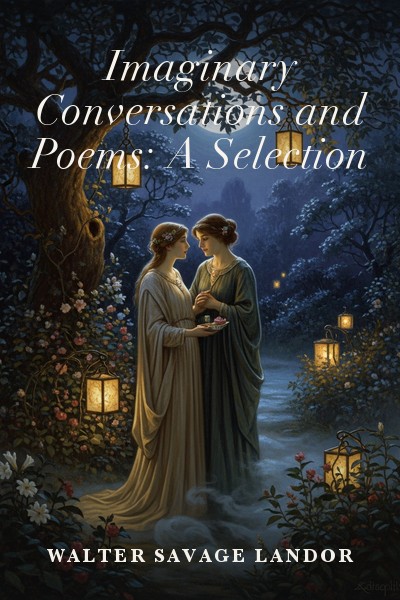

Walter Savage Landor's 'Imaginary Conversations and Poems' invites readers into a world where history, philosophy, and poetry intertwine through engaging dialogues and reflective verse
Read full overviewShow less›
In 'Imaginary Conversations and Poems: A Selection,' Walter Savage Landor crafts a unique literary experience that blends historical figures, philosophical insights, and poetic expression. This collection showcases Landor's mastery of dialogue, allowing readers to witness conversations between iconic personalities, each brimming with wit, wisdom, and a touch of drama. The work is not merely a showcase of Landor’s literary prowess but also a profound exploration of human nature, morality, and the complexities of existence. As you delve into these imaginative exchanges, you will find yourself reflecting on the timeless themes of honor, truth, love, and the human condition, all while enjoying the elegance of Landor's language and style.
Walter Savage Landor's 'Imaginary Conversations and Poems' serves as a rich tapestry of human experience, weaving together historical insights, philosophical musings, and poetic elegance. Through engaging dialogues and reflective exchanges, Landor invites readers to ponder the complexities of honor, truth, love, and the human condition. Each conversation presents timeless themes that resonate across generations, encouraging introspection and dialogue about our own lives and relationships. The work not only showcases Landor's literary artistry but also highlights the enduring relevance of philosophical inquiry and the power of art to illuminate the human experience. As readers journey through these imaginative conversations, they are left with a deeper understanding of themselves and the world around them, making Landor's collection a vital exploration of literature and philosophy.
- 1The Weight of Glory and Honor
- 2Truth vs. Eloquence
- 3The Complexity of Love and Relationships
- 4Friendship and Literary Legacy
- 5The Moral Dilemmas of Authority
Notable quotes
“Ha! ha! the Romans, too, sink into luxury: here is gold about the charger.”
“Nothing is so grand as truth, nothing so forcible, nothing so novel.”
“My honour is secure; my husband will be happy again; he will see my innocence.”
A glimpse inside

In a poignant dialogue between Hannibal and a Gaulish chieftain, the discussion revolves around the fallen Roman general Marcellus. Read moreIn a poignant dialogue between Hannibal and a Gaulish chieftain, the discussion revolves around the fallen Roman general Marcellus. The chieftain expresses his desire to claim the golden chain that belonged to Marcellus, viewing it as a necessary prize for his king and a symbol of glory for his people. Hannibal, however, reflects on the deeper meaning of honor, asserting that true glory does not require ostentation. He reveres Marcellus not for his trophies but for his noble deeds on the battlefield, emphasizing that the fallen warrior's legacy is far more significant than any adornments or trophies. Hannibal's admiration reveals a theme that transcends mere victory in war; it speaks to the essence of true valor, which lies in selflessness and integrity. This exchange critiques the superficiality associated with material gains, contrasting the chieftain's desire for physical spoils with Hannibal's recognition of Marcellus’ moral fortitude, thus elevating the discussion about what constitutes genuine honor in both individuals and cultures. Show less
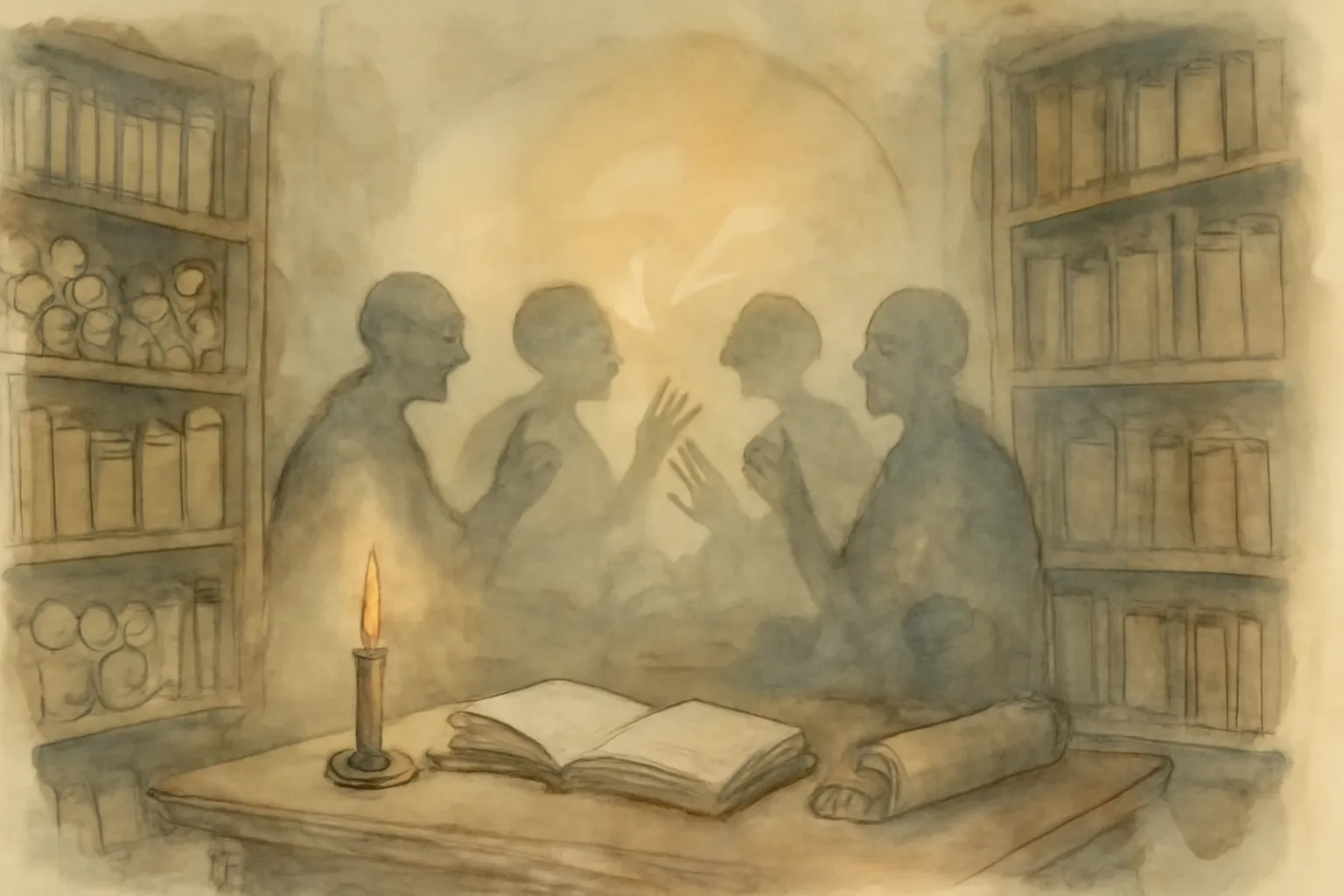
The dialogues between Seneca and Epictetus explore the intricate relationship between truth and style in communication. In their exchange, Epictetus emphasizes the import… Read moreThe dialogues between Seneca and Epictetus explore the intricate relationship between truth and style in communication. In their exchange, Epictetus emphasizes the importance of truth as the cornerstone of effective discourse, arguing that one should first consider whether what they intend to convey is truthful and clear. His assertion that brevity should guide expression serves as a reminder that clarity triumphs over grandiloquent language. Seneca counters this with a belief that eloquence is essential to capture and retain the readers' attention, suggesting that artful expression can awaken indolence and inspire action. This tension between truth and style reflects a broader philosophical debate about the value of substance versus form in literature and rhetoric. Landor's portrayal of these two figures offers insight into the complexities of effective communication, suggesting that while eloquence can attract attention, it is the truth that resonates more profoundly and endures. The dialogue invites readers to reflect on their own communication styles, urging them to strike a balance between the allure of eloquence and the necessity of transparency. Show less
Read the full text — free
About the author
Read Walter Savage Landor's work free on Lumina — the complete text plus an 8-minute summary and key ideas, no account needed