1.The Impact of Loss on Identity

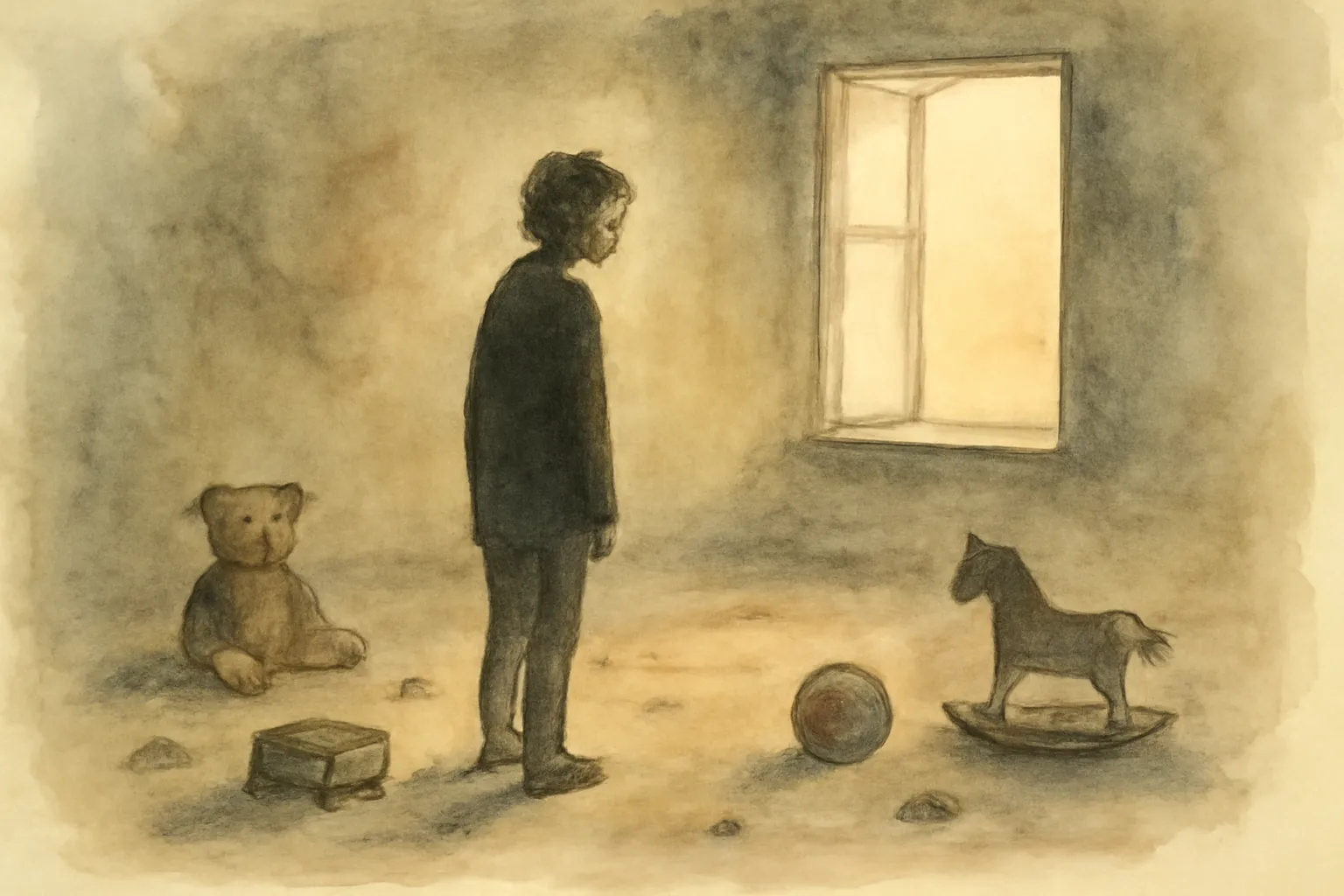
Phyllis Ladd's journey begins with the profound loss of her mother at the age of twelve. This early bereavement shapes her character, instilling a sense of sensitivity and individuality that sets her apart from her peers. As a child who has faced such a poignant sorrow, Phyllis is prematurely acquainted with the harsh realities of life. This divergence creates an emotional landscape where her longing for connection is tinged with a deep-seated awareness of loss. Osbourne illustrates how formative experiences can alter one's perspective on relationships and intimacy. Phyllis feels different from her schoolmates, who continue to engage in carefree play, leading to a sense of isolation. This isolation is compounded by her new relationship with her father, which, while providing security, also complicates her emotional landscape. The tension between her grief and the need for connection becomes a central theme in her quest for love and self-identity, highlighting how personal loss can profoundly affect one's ability to form relationships. Phyllis's early maturity is illustrated through her introspection, where she recognizes and articulates her feelings of isolation from peers who have not experienced loss. Her father's role as a provider becomes a double-edged sword, offering her security but also imposing his expectations on her emotional development. Through Phyllis, Osbourne conveys the profound implications of early loss, suggesting that such experiences can shape an individual's capacity to love and connect with others throughout their lives.
2.The Father-Daughter Dynamic

Phyllis's relationship with her father, Robert T. R. Ladd, unfolds as a complex interplay of love, protection, and rebellion. Initially, Mr. Ladd embodies a figure of strength and stability, providing her a sense of security after her mother’s death. However, as the narrative progresses, his protective nature collides with Phyllis's emerging desire for autonomy. He views her as a quiet, home-loving girl who should not be displayed like an object in the marriage market, reflecting his deep-seated need to protect her from the perceived dangers of society. This paternal insistence creates friction as Phyllis begins to assert her independence, desiring to explore her own romantic interests. The back-and-forth dynamic gives rise to tensions that reveal how parental love can both liberate and constrain. Through their interactions, the author adeptly portrays the complexities of familial love, emphasizing the fine line between protection and control. Mr. Ladd's refusal to let Phyllis engage with the marriage market stems from his belief that she is too refined and delicate to undergo such scrutiny. This paternal instinct, while well-meaning, often manifests as control, leading to conflict as Phyllis seeks to forge her own identity. The narrative reveals how such dynamics can lead to generational misunderstandings, where the father views his daughter's choices as a threat to her safety and virtue, while the daughter perceives the father's protectiveness as stifling. As Phyllis asserts her independence, the tension between her need for paternal support and her desire for autonomy serves as a poignant reflection on the complexities of parent-child relationships.
3.The Contrast of Social Expectations
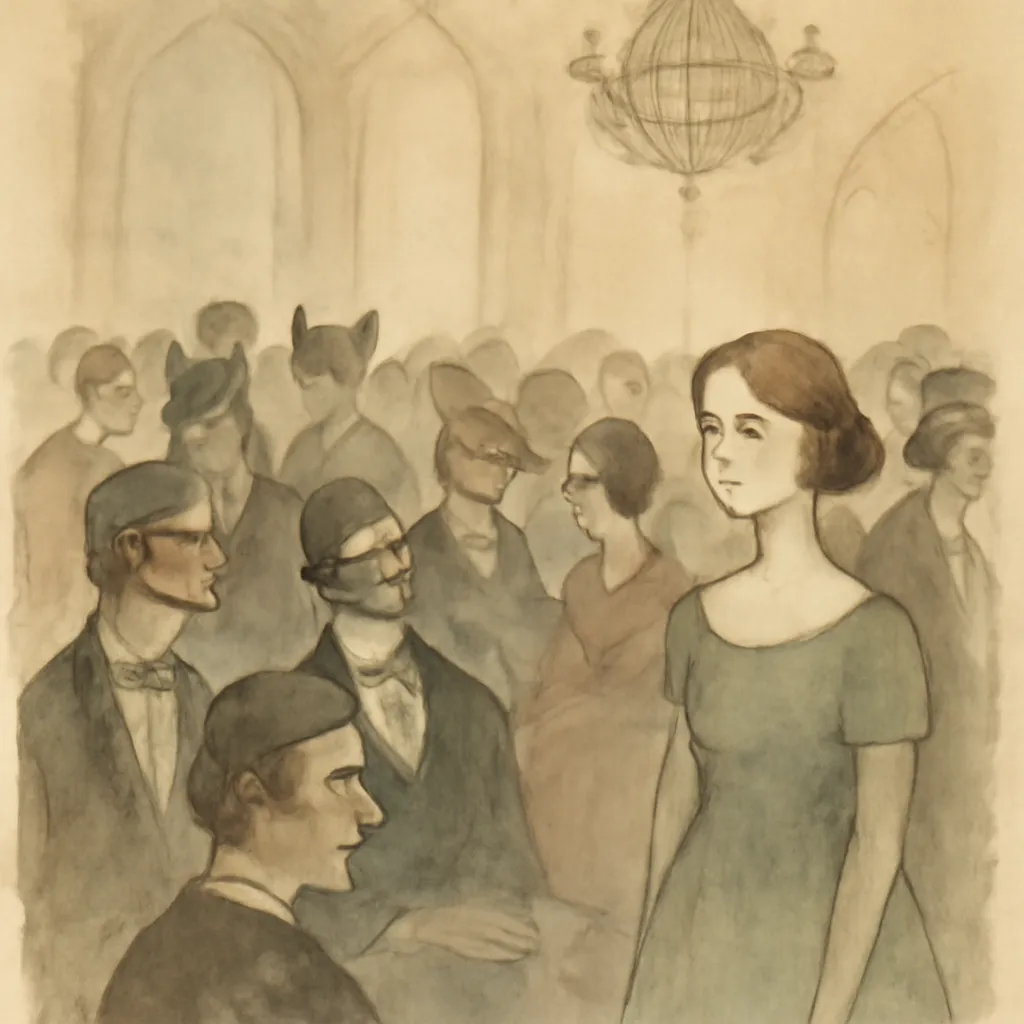
Osbourne masterfully contrasts societal expectations with Phyllis's personal desires, illustrating the societal structures that dictate young women's lives during the era. The marriage market serves as a metaphor for the transactional nature of relationships, where women were often viewed as commodities. Phyllis’s father believes in the 'splendid young men' of Carthage as the ideal partners for her, reflecting a narrow view of love that prioritizes social standing over emotional connection. Phyllis's infatuation with Cyril Adair, an actor, represents her rebellion against these rigid conventions. Her attraction to him signifies a desire for authenticity in her romantic life, as she seeks a genuine connection outside the expectations placed upon her by her father and society. This clash between societal norms and personal desire forms a central theme, revealing the struggle women faced in their pursuit of true love amid societal pressures. Phyllis’s relationship with Adair symbolizes a break from the traditional expectations imposed by her father, as she finds herself drawn to a man who embodies a different kind of vitality and passion. The contrast between her father’s vision of a suitable husband and her own desires highlights the tension between conformity and individuality, as Phyllis navigates her feelings and the implications of her choices. Osbourne thus critiques the social structures that suffocate individual desires, suggesting that true love often requires defiance against societal norms.
4.The Nature of Infatuation

Infatuation, as depicted in the novel, is a powerful and often overwhelming emotion that can cloud judgment and influence decisions. Phyllis's feelings for Cyril Adair are characterized by a mix of excitement and uncertainty. Initially, her attraction towards him is intoxicating, filled with dreams of passion and romance. However, as the relationship unfolds, the darker aspects of infatuation emerge. Phyllis grapples with feelings of jealousy and insecurity, particularly when she witnesses Adair's interactions with other women, which create emotional turbulence. Osbourne illustrates how infatuation can lead to both exhilarating highs and painful lows, showcasing the complexity of romantic emotions. This duality serves as a reminder that love, in its many forms, can be both a source of joy and a cause of suffering. Phyllis's infatuation with Adair reveals how romantic feelings can blur the lines of reality, leading her to idealize him in ways that may not be just. As her relationship progresses, the contrasts between her fantasies and the reality of Adair’s character become pronounced, leading to an internal conflict that challenges her self-understanding. Infatuation thus serves as both a narrative vehicle and a cautionary tale about the dangers of losing oneself in the thrill of passion, prompting readers to consider the balance between desire and discernment in their own lives.
5.The Role of Humor in Coping

Humor emerges as a crucial coping mechanism for Phyllis and her family throughout the narrative. In moments of tension and conflict, characters often resort to playful banter and wit to alleviate the emotional weight of their circumstances. For instance, Phyllis employs humor while breaking off her engagement, jokingly suggesting the need to send a 'doctor's certificate' to explain her change of heart. This lightheartedness masks deeper feelings of anxiety and uncertainty, allowing characters to navigate their complex emotional landscapes with a semblance of ease. Osbourne effectively illustrates how humor can provide relief and foster connections, even when faced with difficult decisions and emotional turmoil. The ability to laugh amidst hardship serves as a testament to the resilience of the human spirit. Scenes filled with laughter often juxtapose Phyllis's serious moments, allowing a balance that brings to light the complexities of her character. By incorporating humor, Osbourne showcases how laughter can serve as a bridge between emotional experiences, enabling characters to confront their realities without being overwhelmed. Additionally, humor fosters solidarity between characters, reinforcing the bonds that can endure even amidst personal struggles.
6.The Search for Authenticity

Phyllis's journey is ultimately a quest for authenticity in her relationships. As she navigates the expectations of her father, societal norms, and the allure of infatuation, she strives to find a genuine connection that resonates with her true self. Her interactions with Adair reveal her yearning for a partner who appreciates her complexities and values her individuality. This struggle to reconcile her feelings with external pressures underscores the importance of authenticity in love. Osbourne highlights that true intimacy can only be achieved when individuals are willing to be vulnerable and honest with themselves and each other. This theme resonates with readers, reminding them of the significance of authenticity in their own relationships and the courage it takes to pursue genuine connections. Phyllis's evolution throughout the novel showcases her increasing understanding of her desires, leading her to reject the superficial aspects of love that society often emphasizes. Her determination to seek a relationship that aligns with her true self emphasizes the idea that love should not merely fulfill societal expectations but rather enrich personal identity. Through Phyllis's journey, readers are encouraged to reflect on their own paths towards authenticity in love, prompting them to question whether their relationships genuinely resonate with their inner selves.
7.The Duality of Love and Power

Osbourne presents a nuanced exploration of love as both a source of empowerment and vulnerability. Phyllis's infatuation with Adair grants her a sense of agency, allowing her to break free from her father's expectations. However, this newfound power comes at a cost, as she navigates the complexities of their relationship and the societal judgments that accompany it. Adair’s character embodies the duality of love, as he captivates and challenges Phyllis, forcing her to confront her feelings and desires. The shifting power dynamics in their relationship reveal how love can empower individuals while simultaneously exposing them to emotional risks. Osbourne's exploration of this duality invites readers to reflect on their own experiences with power dynamics in romantic relationships. Phyllis's journey demonstrates that while love can empower individuals to assert their identities, it also requires the courage to confront vulnerabilities. The narrative underscores that the interplay of love and power is intricate; the affection between Phyllis and Adair illustrates how deeply intertwined their emotional experiences are with notions of strength and submission. This dynamic resonates with readers, prompting them to examine how power plays out in their own romantic entanglements.
8.The Influence of Society on Personal Choices
Osbourne deftly illustrates how societal expectations shape personal choices, particularly in the context of love and marriage. The pressure to conform to societal norms is palpable in Phyllis's interactions with her father and her peers. The marriage market, as discussed in her family's conversations, embodies the societal forces that dictate whom she should love and marry. Phyllis's rebellion against these expectations reflects her desire to forge her own path, yet she grapples with the consequences of defying societal norms. The author emphasizes that personal choices are often influenced by external factors, prompting readers to consider how societal pressures impact their own lives and relationships. Through Phyllis's journey, Osbourne invites readers to examine the ways in which societal expectations can stifle individual desires and aspirations. The narrative reveals that the struggle for love often transcends personal boundaries, as characters navigate the expectations imposed by their families and society. Phyllis’s ultimate quest for love juxtaposed against societal expectations serves as a powerful commentary on the challenges women face in reconciling their personal desires with external pressures. Osbourne’s critique of these societal norms adds depth to the narrative, encouraging readers to reflect on the significance of challenging conventions in their pursuit of love.
9.The Journey Towards Self-Discovery
Phyllis's experiences throughout the novel ultimately lead her to a deeper understanding of herself and her desires. As she navigates the complexities of love, loss, and societal expectations, she embarks on a journey of self-discovery that transforms her perspective on relationships. The process of breaking off her engagement and confronting her feelings for Adair forces her to reevaluate her values and priorities. This journey is fraught with challenges, as Phyllis grapples with insecurities and doubts along the way. However, her resilience and determination to pursue authenticity ultimately empower her to embrace her true self. Osbourne's portrayal of this journey serves as a powerful reminder of the importance of self-discovery in the pursuit of meaningful connections, encouraging readers to reflect on their own paths toward understanding. Phyllis's evolution throughout the narrative illustrates that self-discovery is not a linear process; rather, it involves navigating through uncertainty and contradiction. As Phyllis confronts her feelings for Adair, she recognizes the necessity of asserting her identity in the face of external expectations. This personal growth culminates in a newfound clarity as she embraces her desires and chooses a path that aligns with her authentic self. The narrative emphasizes that true self-discovery requires introspection and courage, prompting readers to consider their own journeys of growth and realization.