
Infatuation explores the complexities of love, loss, and the search for identity through the lens of a young woman's tumultuous journey
Read full overviewShow less›
In 'Infatuation', Lloyd Osbourne delves into the emotional landscape of Phyllis Ladd, a young woman navigating the choppy waters of love and self-discovery after the loss of her mother at a tender age. The narrative intricately weaves together themes of grief, familial bonds, societal expectations, and the intoxicating yet often bewildering nature of infatuation. As Phyllis grapples with her feelings towards her father and the men who enter her life, the story reveals how early experiences shape our perceptions of love and connection. Readers will find themselves immersed in a world where the boundaries between affection and obsession blur, and the quest for genuine intimacy becomes a deeply personal battle. Through rich character development and poignant dialogue, Osbourne crafts a tale that resonates with anyone who has ever loved deeply or faced the specter of loss.
In 'Infatuation', Lloyd Osbourne crafts a compelling narrative that intricately weaves the themes of love, loss, and self-discovery. Through Phyllis Ladd's journey, readers are invited to reflect on the complexities of their own relationships and the societal pressures that shape their choices. The exploration of infatuation as both a source of empowerment and vulnerability resonates deeply, offering valuable insights into the nature of love. Ultimately, the story serves as a reminder that the quest for authenticity and genuine connection is a universal journey, one that requires courage, introspection, and the willingness to embrace the complexities of the human experience. As Phyllis discovers her true self amidst the chaos of her emotions, readers are left with a sense of hope and understanding about the intricacies of love and the importance of forging one's own path.
- 1The Impact of Loss on Identity
- 2The Father-Daughter Dynamic
- 3The Contrast of Social Expectations
- 4The Nature of Infatuation
- 5The Role of Humor in Coping
Notable quotes
“A child ought not to think; ought not to suffer; ought not to understand.”
“She is a quiet, home-loving girl, and wouldn't put herself in a show-window for anything on earth.”
“The fact is, Sally, we've decided to call it off!”
A glimpse inside

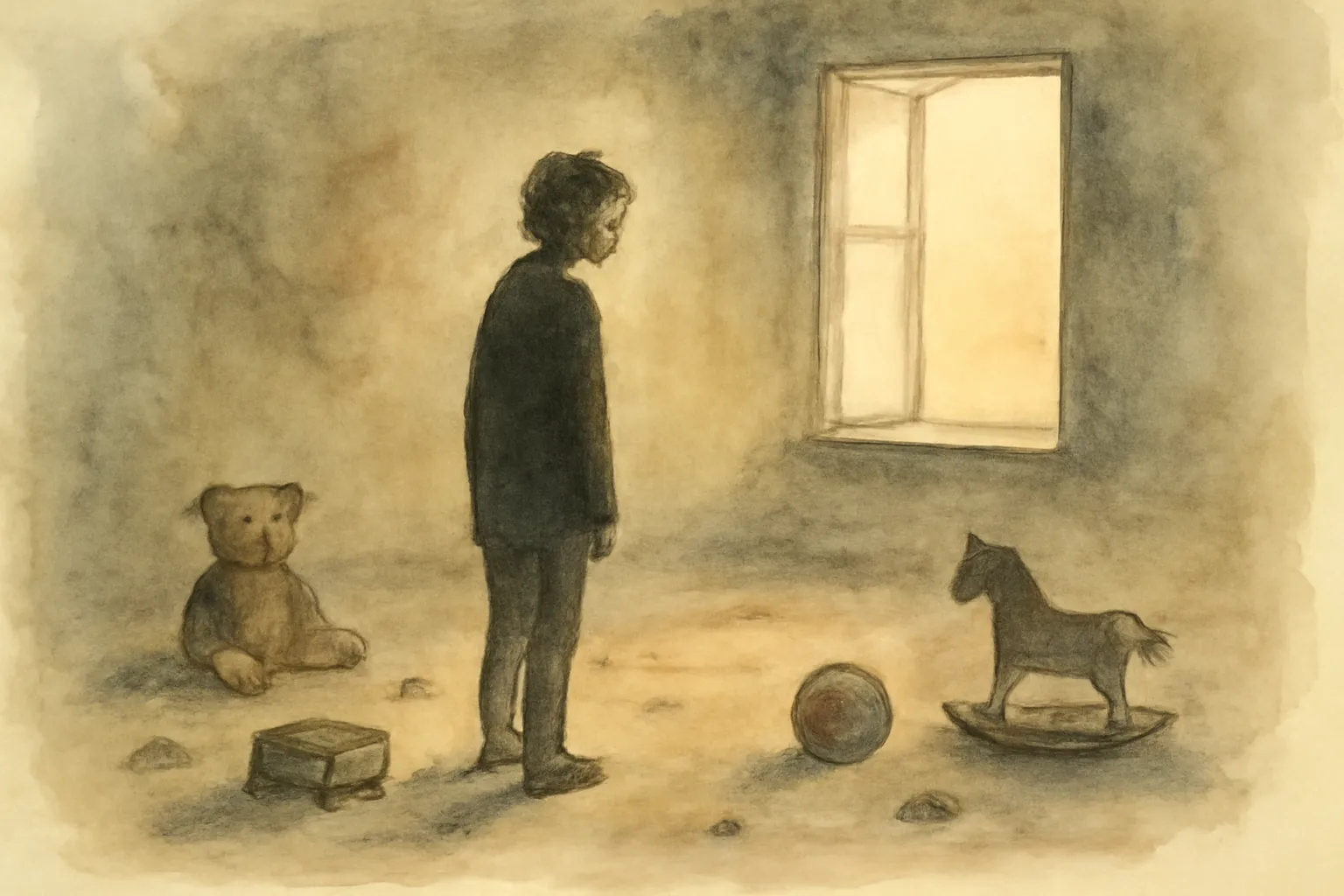
Phyllis Ladd's journey begins with the profound loss of her mother at the age of twelve. This early bereavement shapes her character, instilling a sense of sensitivity an… Read morePhyllis Ladd's journey begins with the profound loss of her mother at the age of twelve. This early bereavement shapes her character, instilling a sense of sensitivity and individuality that sets her apart from her peers. As a child who has faced such a poignant sorrow, Phyllis is prematurely acquainted with the harsh realities of life. This divergence creates an emotional landscape where her longing for connection is tinged with a deep-seated awareness of loss. Osbourne illustrates how formative experiences can alter one's perspective on relationships and intimacy. Phyllis feels different from her schoolmates, who continue to engage in carefree play, leading to a sense of isolation. This isolation is compounded by her new relationship with her father, which, while providing security, also complicates her emotional landscape. The tension between her grief and the need for connection becomes a central theme in her quest for love and self-identity, highlighting how personal loss can profoundly affect one's ability to form relationships. Phyllis's early maturity is illustrated through her introspection, where she recognizes and articulates her feelings of isolation from peers who have not experienced loss. Her father's role as a provider becomes a double-edged sword, offering her security but also imposing his expectations on her emotional development. Through Phyllis, Osbourne conveys the profound implications of early loss, suggesting that such experiences can shape an individual's capacity to love and connect with others throughout their lives. Show less
Phyllis's relationship with her father, Robert T. R. Ladd, unfolds as a complex interplay of love, protection, and rebellion. Initially, Mr. Read morePhyllis's relationship with her father, Robert T. R. Ladd, unfolds as a complex interplay of love, protection, and rebellion. Initially, Mr. Ladd embodies a figure of strength and stability, providing her a sense of security after her mother’s death. However, as the narrative progresses, his protective nature collides with Phyllis's emerging desire for autonomy. He views her as a quiet, home-loving girl who should not be displayed like an object in the marriage market, reflecting his deep-seated need to protect her from the perceived dangers of society. This paternal insistence creates friction as Phyllis begins to assert her independence, desiring to explore her own romantic interests. The back-and-forth dynamic gives rise to tensions that reveal how parental love can both liberate and constrain. Through their interactions, the author adeptly portrays the complexities of familial love, emphasizing the fine line between protection and control. Mr. Ladd's refusal to let Phyllis engage with the marriage market stems from his belief that she is too refined and delicate to undergo such scrutiny. This paternal instinct, while well-meaning, often manifests as control, leading to conflict as Phyllis seeks to forge her own identity. The narrative reveals how such dynamics can lead to generational misunderstandings, where the father views his daughter's choices as a threat to her safety and virtue, while the daughter perceives the father's protectiveness as stifling. As Phyllis asserts her independence, the tension between her need for paternal support and her desire for autonomy serves as a poignant reflection on the complexities of parent-child relationships. Show less
Read the full text — free
About the author
Read Lloyd Osbourne's work free on Lumina — the complete text plus an 8-minute summary and key ideas, no account needed