1.Foundation of a Legacy

James Watt was born on January 19, 1736, in Greenock, Scotland, into a family deeply rooted in a culture of education and resilience. His great-grandfather was a Covenanter who faced persecution, and his grandfather founded a mathematics school, teaching navigation and mathematics to local fishermen. This familial commitment to education established a strong foundation for Watt's intellectual development. Growing up in a household that valued learning, Watt was encouraged to embrace knowledge and inquiry from a young age. His grandfather's refusal to conform to religious tests and his subsequent rise to prominence in the community exemplified the kind of determination that would also characterize Watt's life. The lessons learned in his childhood, particularly the importance of education and virtue, would shape his approach to invention and discovery throughout his life. The emphasis on learning created an environment that nurtured Watt’s curiosity and innovative spirit, leading him to explore the mechanics of the world around him.
2.The Catalyst for Change

Watt's pursuit of knowledge took a significant turn when he moved to Glasgow for higher education. Under the guidance of Professor Muirhead, a family acquaintance, he was introduced to various influential figures at the university, igniting his interest in the sciences. Muirhead's encouragement led Watt to seek better educational opportunities in London, a city where the exchange of ideas was vibrant. The journey from Glasgow to London was not just a physical transition; it symbolized Watt's commitment to personal and intellectual growth. Traveling on horseback for twelve days, Watt demonstrated his determination to harness every opportunity available. In London, Watt immersed himself in scientific discourse, which further fueled his curiosity and deepened his understanding of the principles of mechanics. This period of exploration and learning was critical, as it provided the context and resources for his future innovations in steam technology. The connections he made in London opened doors, allowing him to build relationships with influential scientists and engineers who would later play vital roles in his career.
3.A Passion for Steam

Watt's fascination with steam power began with an insightful conversation with Professor Robison, who proposed the idea of utilizing steam for motion. Although Watt initially lacked formal experience with steam engines, he was captivated by the potential applications of steam power. He began conducting rudimentary experiments, constructing models from everyday materials to explore the mechanics of steam. This hands-on experimentation demonstrated his innate curiosity and resourcefulness, as he transformed simple items into functional experimental apparatus. Despite the challenges he faced, including the absence of a working model to study, Watt's persistence paid off when he discovered that the university possessed a Newcomen engine model. His eagerness to learn and innovate became evident as he poured over literature on steam technology, often teaching himself French and Italian to access valuable information. Watt's early exploration laid the groundwork for his future groundbreaking achievements in steam technology. His relentless pursuit of knowledge, coupled with his willingness to experiment and learn from failures, set the stage for his later triumphs.
4.Navigating Challenges

As Watt delved deeper into steam technology, he faced numerous challenges, particularly financial hardships that threatened to derail his innovative pursuits. His partnership with Dr. Roebuck was initially promising, as Roebuck provided much-needed resources for Watt's experiments. However, Roebuck's financial troubles soon became a significant burden. Watt's commitment to his invention often left him in precarious situations, struggling to balance family responsibilities with his passion for steam engines. During this difficult period, Watt’s determination led him to temporarily shift his focus to surveying work, capitalizing on his skills in instrument-making. This pragmatic approach allowed him to support his family while keeping the dream of inventing alive. The trials he faced during this time exemplified the resilience required for groundbreaking innovation, as Watt learned to navigate the intersection of personal obligation and professional ambition. Watt's experience illustrates that innovation often requires sacrifices, and his ability to adapt under pressure became a hallmark of his character.
5.A Fortuitous Partnership

The turning point in Watt's career came with his partnership with Matthew Boulton, a prominent manufacturer from Birmingham. Recognizing Watt's ingenuity and potential, Boulton provided the financial support necessary to bring Watt's inventions to market. Their collaboration marked the beginning of a fruitful partnership characterized by mutual respect and a shared vision for revolutionizing steam technology. Boulton's expertise in mechanical manufacturing complemented Watt's innovative designs, creating a synergy that propelled their ventures forward. Together, they navigated the competitive landscape of industrial innovation, leveraging their combined strengths to secure patents and develop engines that would dominate the market. The partnership not only facilitated the production of steam engines but also demonstrated the importance of collaboration in the realm of invention, illustrating how complementary skills can lead to monumental advancements in technology. Their work at Soho Manufactory became a symbol of industrial excellence, where craftsmanship and innovation converged to create groundbreaking products.
6.Transformative Innovations
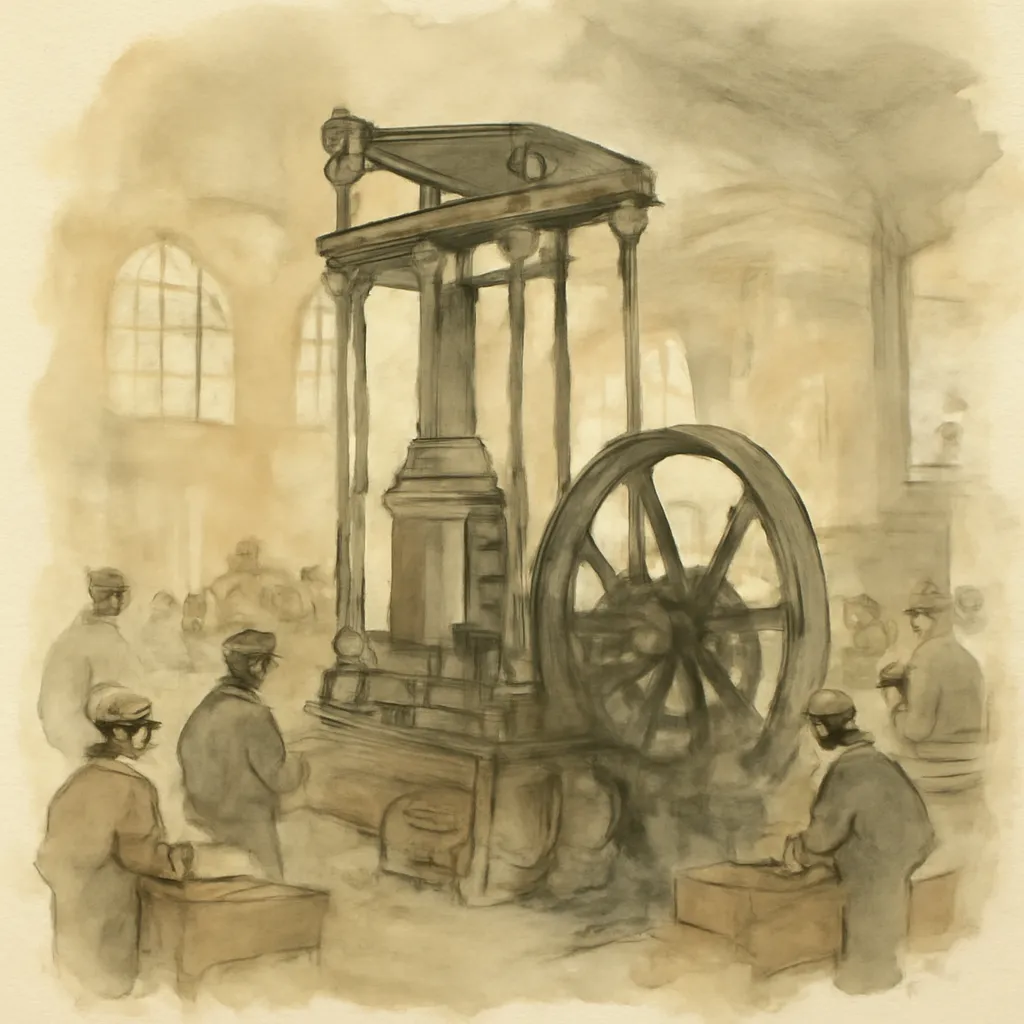
Watt's work on the steam engine led to significant innovations that transformed industrial processes. His development of the double-acting engine marked a breakthrough that enhanced the efficiency and versatility of steam power. The second patent secured in 1781 introduced methods for producing continuous rotary motion, enabling steam engines to be utilized in a wide array of applications. This innovation was revolutionary, as it allowed machines to perform tasks previously reliant on water or wind power, fundamentally redefining manufacturing capabilities. Watt's ability to envision practical applications for his inventions distinguished him from his contemporaries, as he recognized the broader implications of steam technology. The portable and efficient steam engine became a catalyst for industrial growth, paving the way for advancements that reshaped entire industries, including textiles, mining, and transportation. His inventions did not merely improve existing technologies; they created new possibilities for economies and labor structures, showcasing his forward-thinking approach to engineering.
7.Economic and Social Impact
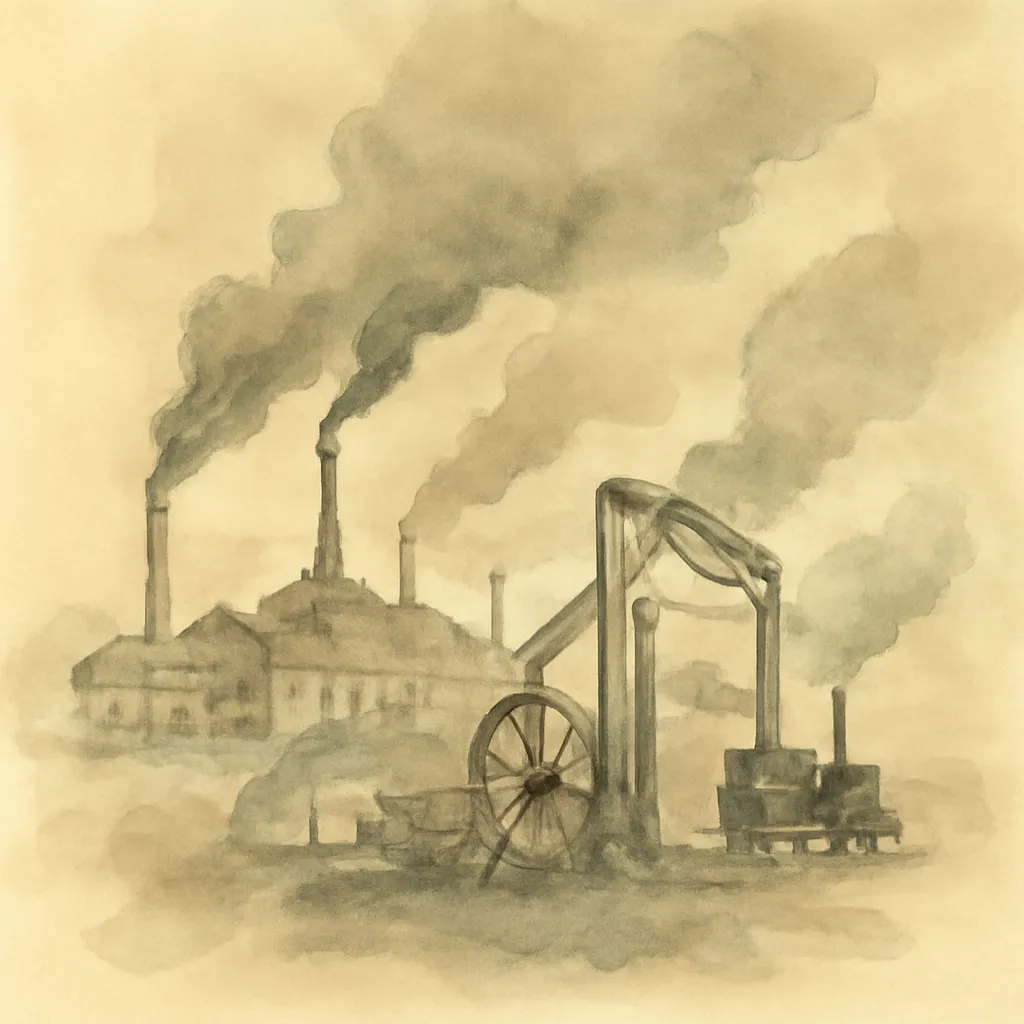
The impact of Watt's steam engines on the economy and society cannot be overstated. By the time of his partnership with Boulton, the Soho works had produced over 1,600 steam engines, which significantly contributed to the Industrial Revolution. The engines were not merely mechanical devices; they became the backbone of a new economic system. Estimates suggest that the steam power generated by Watt's engines could perform work equivalent to billions of human laborers, illustrating the profound implications for productivity and economic growth. The widespread adoption of steam power led to unprecedented changes in labor dynamics, urbanization, and societal structures, as industries transformed and new manufacturing hubs emerged. Watt's innovations facilitated a shift from agrarian societies to industrial economies, marking a pivotal moment in history that laid the foundation for the modern world. The societal changes prompted by his work reflected a broader transformation in how work was organized and the relationship between labor and technology.
8.Enduring Legacy
James Watt's contributions to engineering and invention have left an indelible mark on history. His work not only laid the foundation for modern engineering practices but also influenced countless inventors and engineers who followed in his footsteps. Beyond his technical achievements, Watt's character and integrity set a standard for future innovators. He was known for his generosity and willingness to share knowledge, fostering a collaborative spirit within the scientific community. His legacy is not confined to the steam engine; it encompasses the values he embodied—perseverance, curiosity, and a commitment to improving the human condition through technology. Watt's life serves as a testament to the power of innovation and the impact of one individual's vision on the world, inspiring future generations to embrace creativity and problem-solving. His ethos of collaboration and sharing knowledge highlights the importance of community in scientific progress, ensuring that his influence extends far beyond his own inventions.
9.Personal Connections to Nature

In his later years, Watt found joy in nature and personal reflection, highlighting the notion that true success is measured by personal fulfillment rather than just professional accolades. He developed a passion for gardening and the great outdoors, cultivating an appreciation for the beauty of the natural world. This connection to nature mirrored his scientific pursuits, as he sought to understand the underlying principles governing both technology and the environment. Watt's introspection revealed a man deeply connected to his roots, cherishing the lessons of his childhood while embracing the tranquility of his surroundings. His enjoyment of nature also provided a counterbalance to the demands of his professional life, allowing him to recharge and find inspiration in the world around him. This aspect of his life emphasizes the importance of balance between ambition and personal contentment, showcasing how a deep appreciation for the world around us can enrich our understanding and creativity.
10.The Man Behind the Machine
Watt was not just an extraordinary inventor; he was also a person of remarkable intellect and character. His ability to engage with a wide range of subjects—from philosophy to mechanics—demonstrated his versatility and depth of understanding. Friends and contemporaries noted his remarkable memory and quick apprehension, allowing him to connect seemingly unrelated ideas seamlessly. Watt's humility and lack of jealousy towards fellow inventors distinguished him in an era often marked by rivalry. He passionately believed in collaboration over competition, fostering an environment where ideas could flourish. This perspective on innovation emphasizes the importance of community and shared knowledge in advancing technology, illustrating how Watt’s character and ideals greatly influenced not only his own work but the broader landscape of invention. His friendships with prominent figures of his time revealed a commitment to mutual growth and learning, traits that set him apart from many of his contemporaries.