1.The Struggle for Identity
From the very beginning, Jane Eyre grapples with her identity as an orphan. Raised by the unloving Reed family, she is made painfully aware of her social status and lack of familial connection. Her childhood is marked by isolation and mistreatment, which forge her strong sense of self. Jane's repeated assertions of her worth, particularly in her confrontations with her aunt and cousin, illustrate her struggle to define herself outside the constraints imposed by others. This quest for identity becomes a central theme as she seeks to assert her autonomy and find a place where she truly belongs.
2.Critique of Social Class
Brontë intricately weaves a critique of the rigid class structure of Victorian England throughout Jane's journey. Jane's experiences at Gateshead, and later at Lowood School, highlight the injustices faced by the lower classes, particularly women. The squalor and neglect at Lowood expose the failings of those in power, like Mr. Brocklehurst, who prioritize reputation over the well-being of children. Jane's rise to a governess position at Thornfield Hall places her in a peculiar social limbo—she is educated and employed, yet still an outsider. Through Jane's eyes, readers witness the hypocrisy of social norms that dictate one's value based on wealth and status.
3.The Role of Women
In 'Jane Eyre', Brontë explores the limited roles available to women in the 19th century. Jane's character embodies the conflict between societal expectations and personal aspirations. Unlike many women of her time, Jane refuses to accept a subservient role; she seeks intellectual and emotional fulfillment. The contrast between Jane and characters like Bertha Mason, who is confined and silenced, serves to highlight the consequences of a patriarchal society. Jane's insistence on her independence and her rejection of traditional gender roles challenge the norms of her time, advocating for women's rights and self-determination.
4.The Quest for Love
At its heart, 'Jane Eyre' is also a love story, but one defined by equality and respect rather than mere romance. Jane's relationship with Mr. Rochester evolves from one of imbalance to mutual respect, reflecting her journey toward self-acceptance. Their initial connection is fraught with power dynamics, as Rochester's wealth and status overshadow Jane's humble beginnings. However, as Jane asserts her independence, she refuses to compromise her principles for love. Their eventual union is not just a romantic culmination but also a testament to Jane's growth and self-worth, as she demands a partnership based on equality.
5.Moral Integrity and Conscience
Throughout her journey, Jane Eyre is guided by her strong moral compass, which often puts her at odds with societal norms. Her decisions, such as leaving Thornfield after discovering Rochester's secret, highlight her unwavering commitment to her principles. Jane's sense of right and wrong is deeply ingrained, influencing her actions and interactions. This moral integrity is especially poignant when contrasted with the behavior of other characters, such as Rochester and Mr. Brocklehurst, who often prioritize their desires over ethical considerations. Brontë uses Jane's conscience to explore themes of honesty, integrity, and the importance of staying true to oneself.
6.The Significance of Place
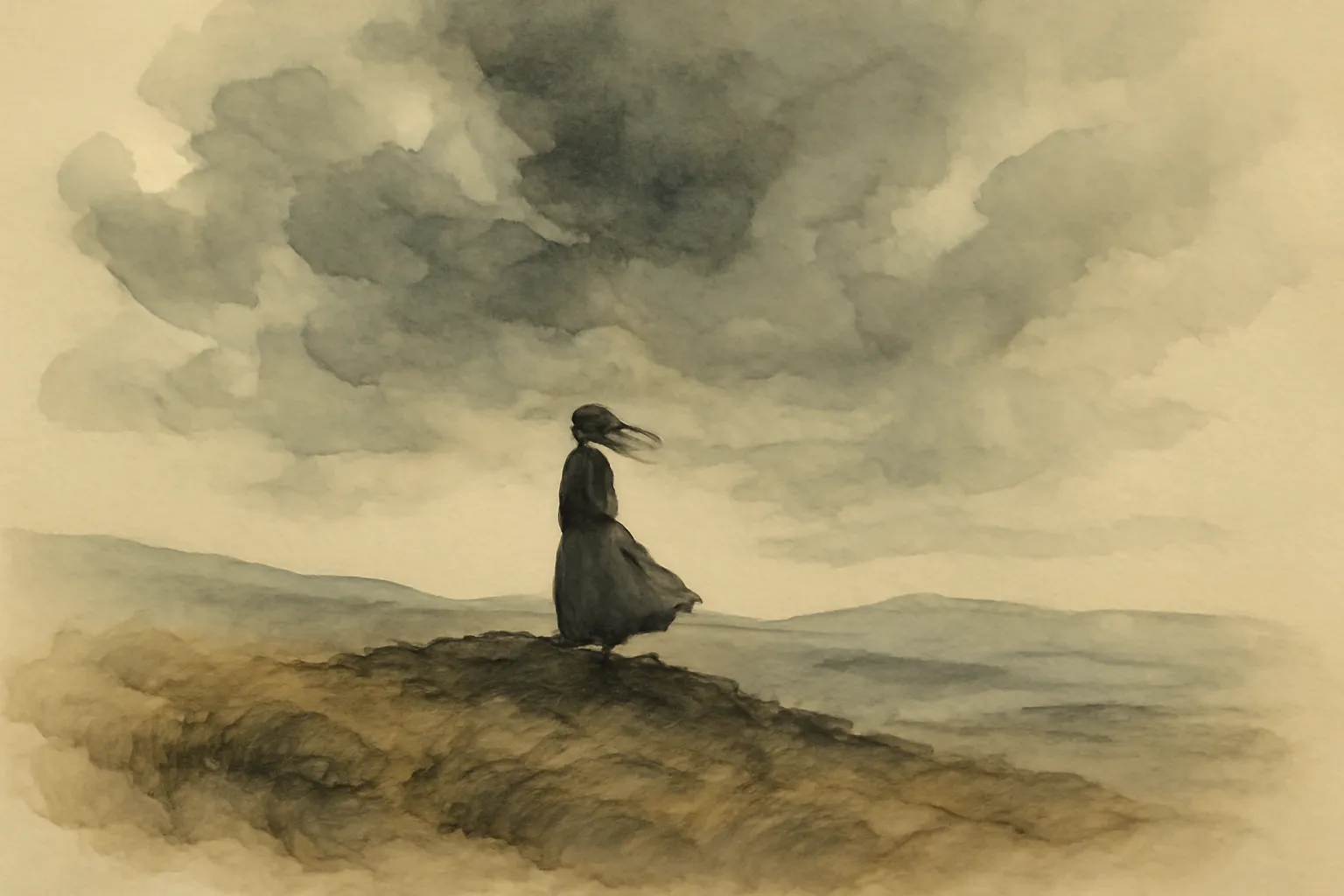
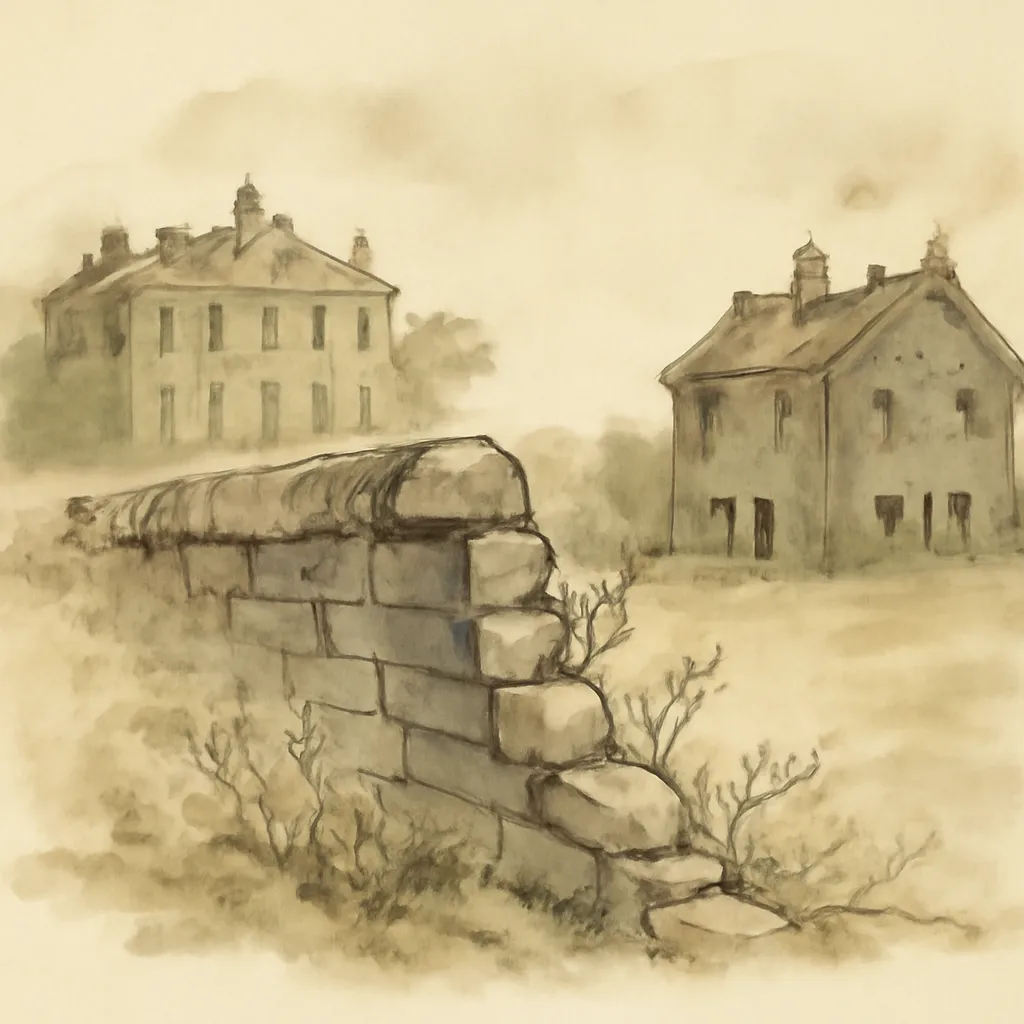
The settings in 'Jane Eyre' are not just backdrops; they are integral to the development of the narrative and the protagonist. Gateshead, Lowood, and Thornfield each represent different stages in Jane's life and her evolving sense of self. Gateshead is a place of oppression and neglect, symbolizing her childhood trauma. Lowood, while harsh, becomes a site of education and friendship, fostering Jane's growth. Thornfield, with its gothic elements, mirrors the complexities of her relationship with Rochester. Finally, Moor House represents a turning point, where Jane gains independence and a sense of belonging. Each location shapes Jane's identity and reflects her inner turmoil and triumphs.
7.The Symbolism of the Gothic
Brontë employs gothic elements to enhance the emotional depth of 'Jane Eyre.' The eerie atmosphere of Thornfield Hall, complete with its hidden secrets and the mysterious figure of Bertha Mason, serves to create a sense of foreboding. The presence of the supernatural, such as the haunting cries that echo through the halls, symbolizes Jane's own inner struggles and the societal constraints she faces. The gothic elements also heighten the tension in Jane's relationship with Rochester, as they navigate love amidst the shadows of past traumas. Through this symbolism, Brontë explores themes of repression, madness, and the quest for freedom.
8.The Power of Education
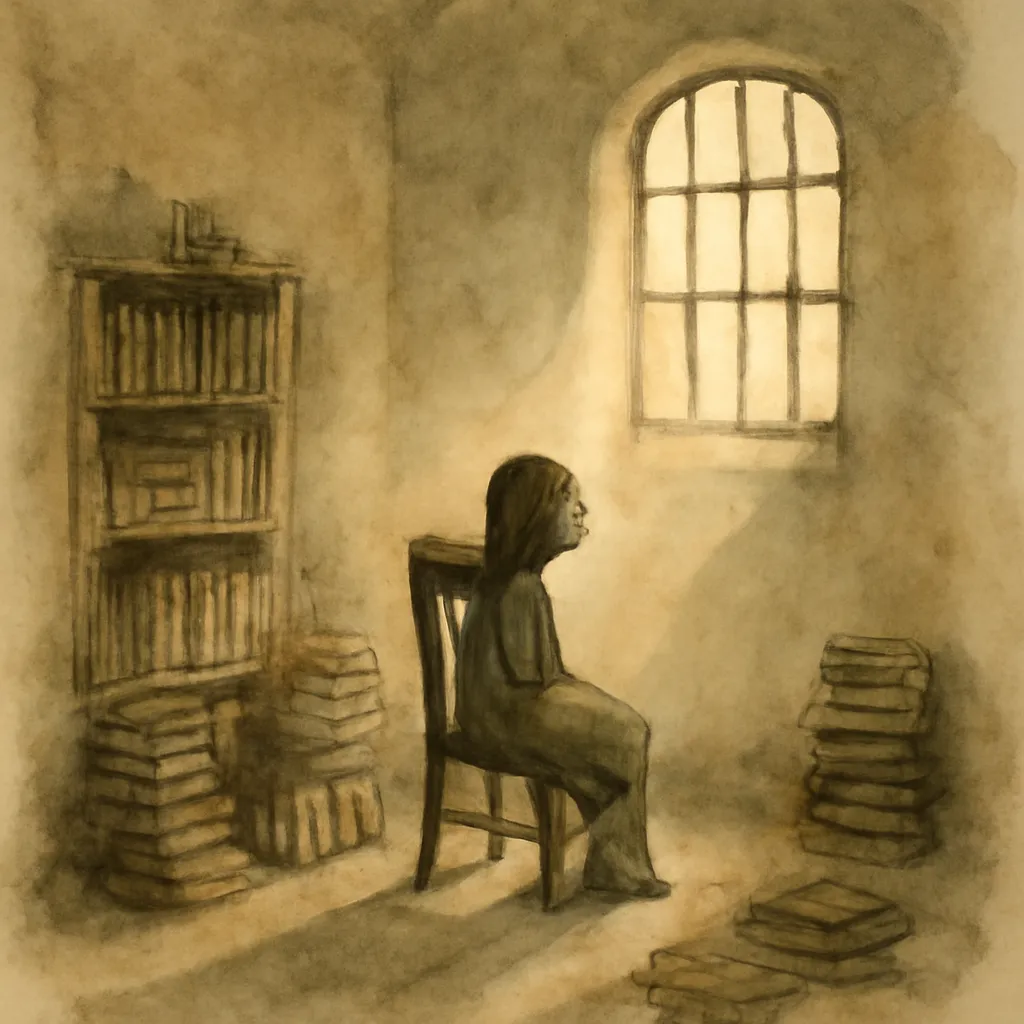
Education plays a crucial role in Jane Eyre's development and empowerment. At Lowood, Jane receives formal education that broadens her horizons and shapes her intellect. However, Brontë also critiques the limitations of the educational system, which often emphasizes conformity over creativity. Jane's thirst for knowledge and self-improvement drives her to seek further learning opportunities, ultimately leading her to become a governess. This pursuit of education not only elevates her social status but also reinforces her sense of self-worth. Brontë underscores the transformative power of education, illustrating how it can serve as a pathway to independence and agency.
9.Friendship and Female Bonds
The relationships Jane forms with other women are pivotal to her journey. At Lowood, her friendship with Helen Burns offers solace and companionship, teaching Jane about resilience and forgiveness. Helen's tragic fate serves as a stark reminder of the vulnerabilities women face in a patriarchal society. Later, Jane's relationship with Miss Temple, the school superintendent, provides a model of compassionate leadership and mentorship. These female bonds offer Jane emotional support and guidance, contrasting with the adversarial relationships she has with figures like Mrs. Reed and Bertha Mason. Brontë emphasizes the importance of solidarity among women in navigating a world that often seeks to divide them.
10.The Complexity of Love
Brontë intricately explores the nuances of love in 'Jane Eyre.' Jane's love for Rochester is not idealized; it is rooted in reality and characterized by mutual respect and understanding. Their relationship is fraught with challenges, including class differences and personal secrets, which complicate their connection. Unlike conventional romantic narratives, Brontë presents love as a dynamic force that requires both partners to confront their flaws and grow. Jane's decision to leave Rochester after discovering his secret reflects her understanding that love must not come at the cost of one's dignity and self-respect. This complexity adds depth to the narrative, challenging traditional notions of romance.