1.The Search for Identity
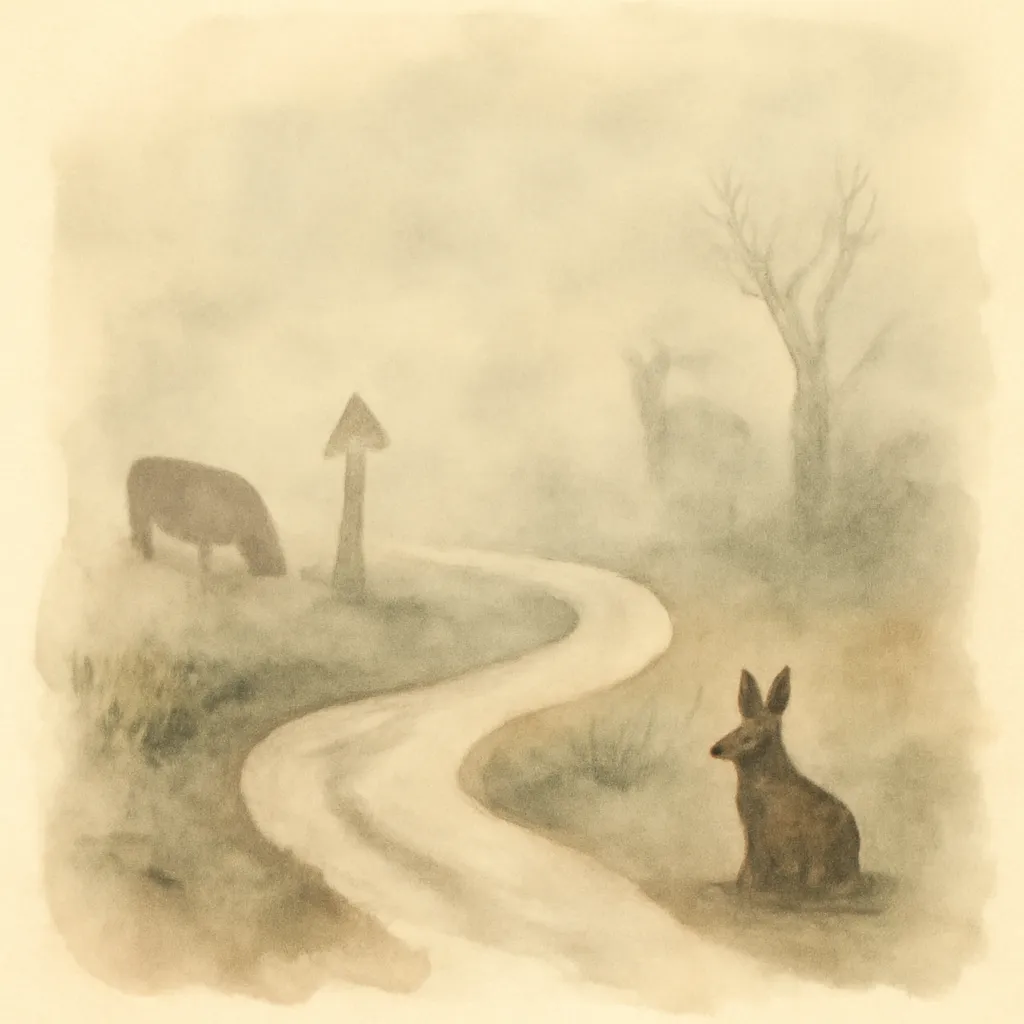
At its heart, Kafka on the Shore is a coming-of-age story, but one that explodes traditional boundaries. Kafka Tamura’s flight from home is not just physical but existential: he is haunted by a prophecy and seeks to define himself outside of his father’s shadow. The novel explores how identity is shaped by memory, trauma, and the stories we tell ourselves. Kafka’s journey is both literal and metaphorical, inviting readers to consider how we construct who we are, and whether we can ever truly escape our past.
2.The Power of the Unconscious
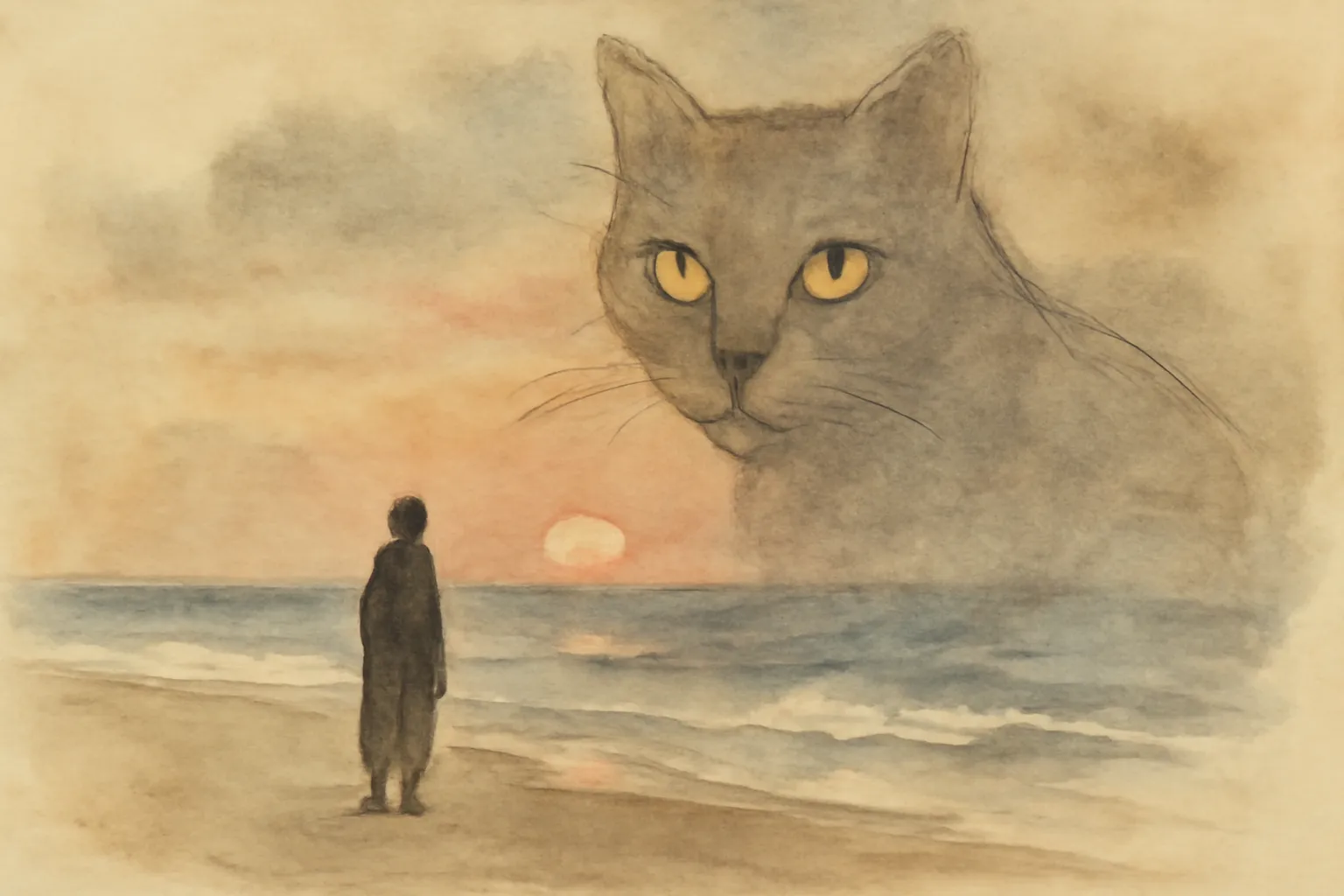
Murakami blurs the line between dream and reality, making the unconscious mind a major character in the novel. Characters experience visions, talk to cats, and encounter supernatural phenomena that defy explanation. This surrealism isn’t just for atmosphere—it’s a way of exploring how our deepest fears, desires, and memories shape our actions. The book suggests that the unconscious is not just a hidden realm, but a force that can alter reality itself.
3.Fate Versus Free Will
Kafka on the Shore is steeped in questions of destiny. Kafka’s life is shaped by an Oedipal prophecy, echoing Greek tragedy, while Nakata is propelled by forces he cannot understand. Yet, the novel resists simple determinism. Characters struggle with choice, responsibility, and the possibility of changing their fates. Murakami invites readers to ponder how much of our lives is written in advance, and how much we can rewrite through courage and self-awareness.
4.Loneliness and Connection
Loneliness is pervasive in the novel, with characters isolated by trauma, memory loss, or the inability to communicate. Yet, moments of genuine connection—between Kafka and Oshima, Nakata and Hoshino, or even humans and cats—offer hope and meaning. Murakami suggests that while loneliness is an inescapable part of the human condition, the search for understanding and companionship gives life its poignancy.
5.The Role of Art and Storytelling
Art, music, and literature are woven deeply into the narrative, serving as both refuge and revelation. The library is a sanctuary, and characters use stories and music to make sense of their fragmented realities. Murakami proposes that art is not just an escape, but a way to confront and transform the chaos of life. The novel itself is a testament to the power of storytelling to heal, confuse, and illuminate.
6.Blurring Boundaries: Reality and Metaphor
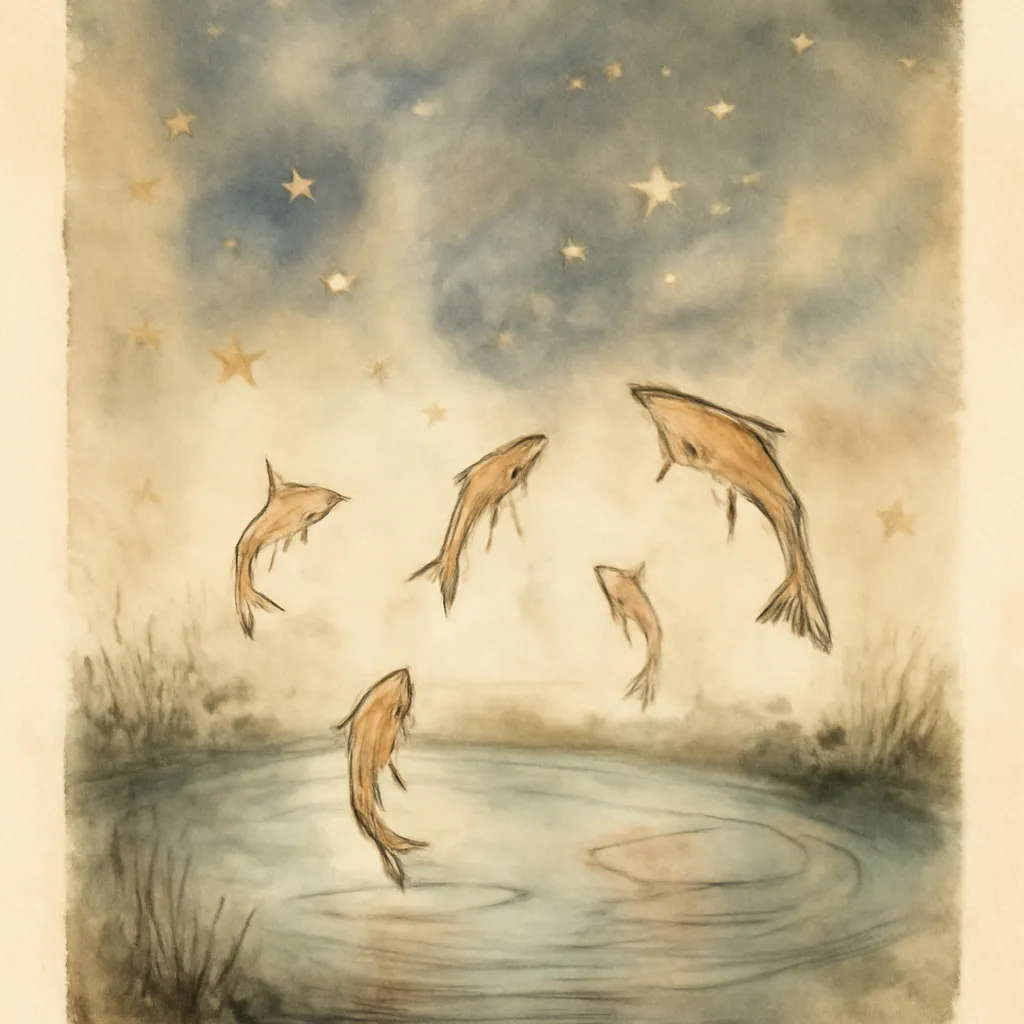
Kafka on the Shore refuses to distinguish cleanly between the literal and the symbolic. Talking cats, raining fish, and ghostly visitations are presented with the same weight as everyday events. This ambiguity invites multiple interpretations, encouraging readers to embrace uncertainty and find meaning in paradox. The novel’s magic realism is not a puzzle to be solved, but an invitation to dwell in mystery.