1.Grief as a Universal Human Experience
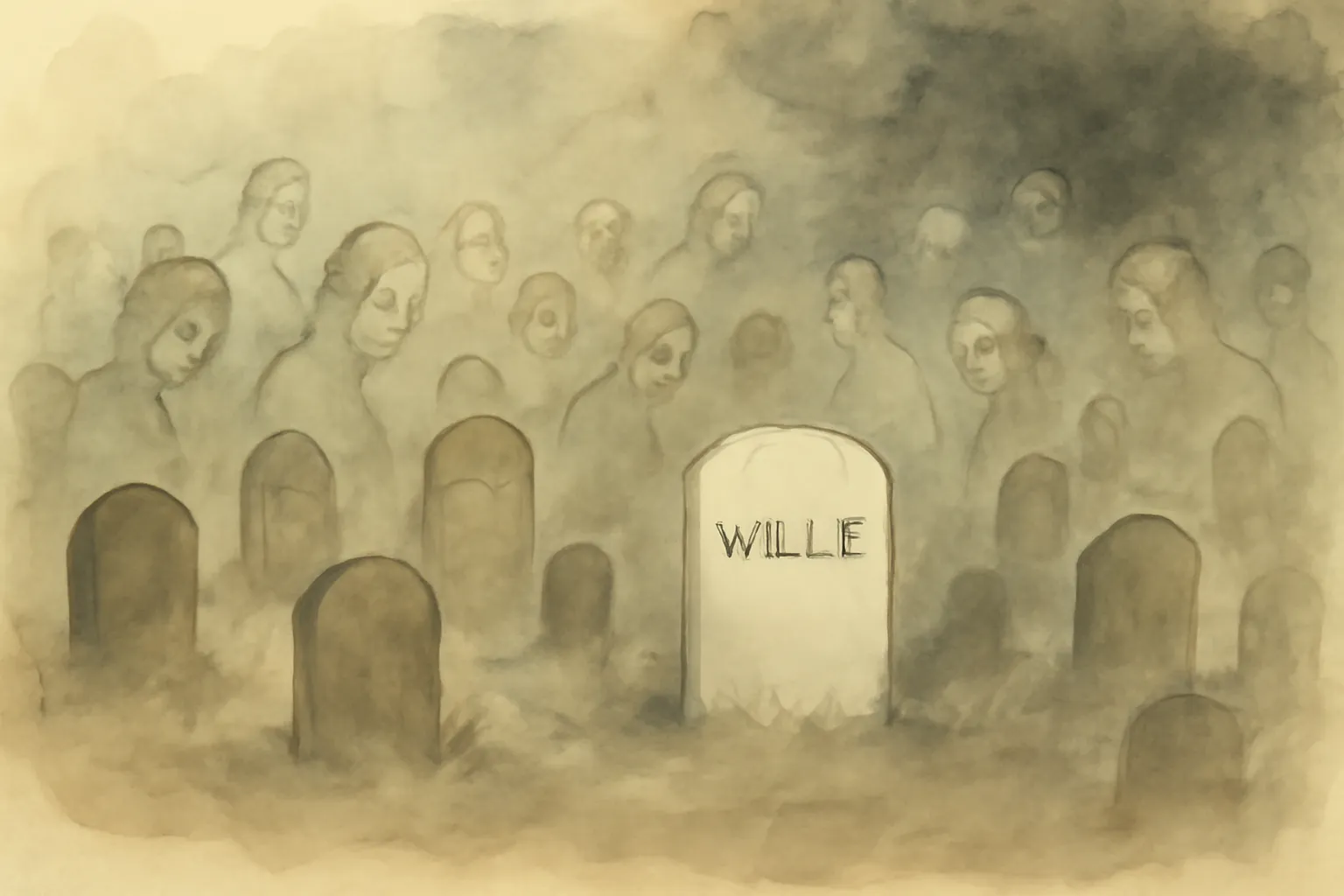
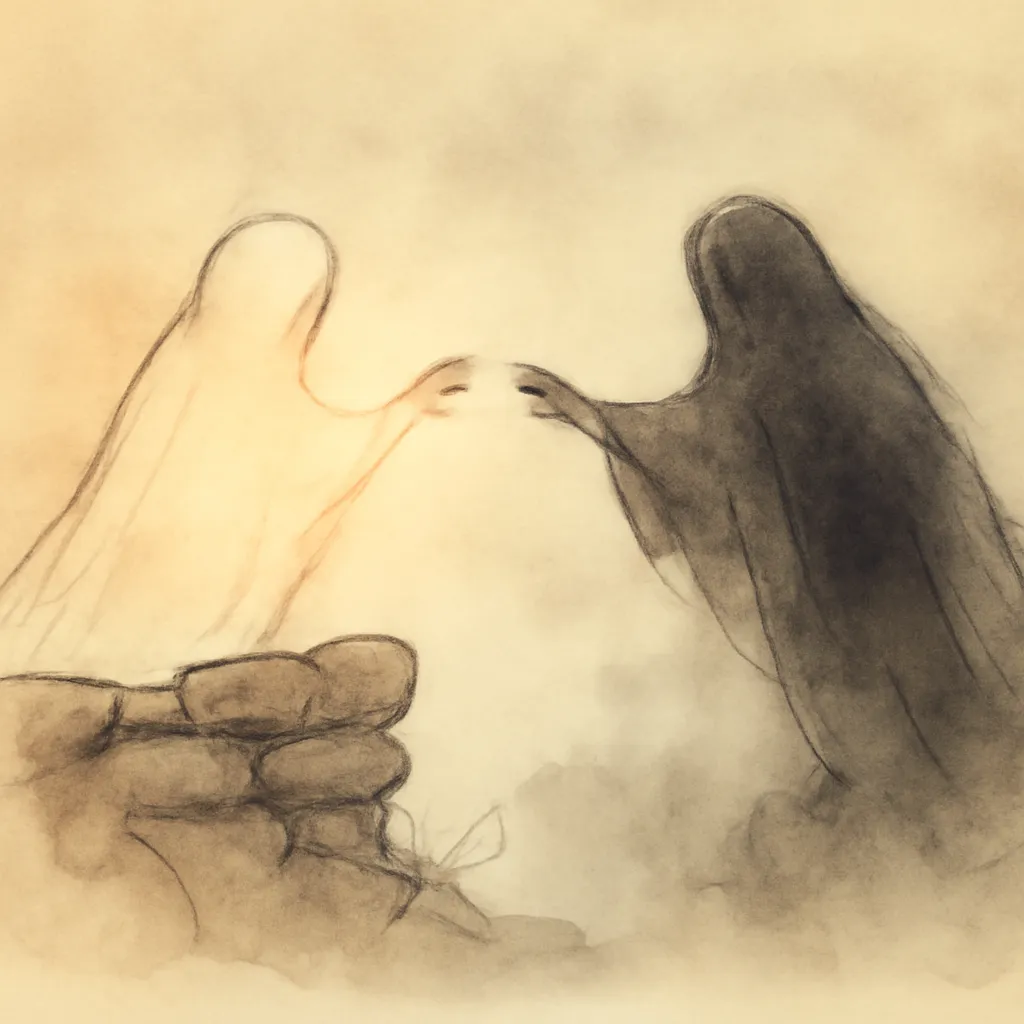
At its core, the novel is a meditation on grief—both personal and collective. Through Lincoln’s inconsolable mourning for his son Willie, Saunders examines how loss can paralyze, isolate, and ultimately transform us. The ghosts in the bardo, each clinging to their unfinished business or regrets, mirror Lincoln’s own struggle to let go. The story suggests that grief is not just a private sorrow but a force that connects us across time and circumstance, shaping our actions and our ability to move forward.
2.The Bardo: Between Life and Death
Drawing from Tibetan Buddhist tradition, the 'bardo' is depicted as a liminal space where spirits linger, unable or unwilling to move on. Saunders uses this supernatural setting to explore themes of attachment, denial, and the fear of change. The ghosts’ refusal to accept their deaths becomes a metaphor for all the ways humans resist letting go—of loved ones, identities, or the past. This imaginative purgatory is both comic and tragic, filled with characters whose eccentricities and stories illuminate the complexity of human longing.
3.Multiplicity of Voices and Truths
The novel’s structure is highly experimental, told through a cacophony of voices—ghosts, historical sources, and snippets of imagined testimony. This polyphonic style reflects the fragmented, contradictory nature of memory and history. By presenting multiple perspectives, Saunders invites readers to question the reliability of any single narrative and to appreciate the richness and ambiguity of lived experience. The result is a tapestry of voices that deepens empathy and understanding.
4.Historical Trauma and National Grief
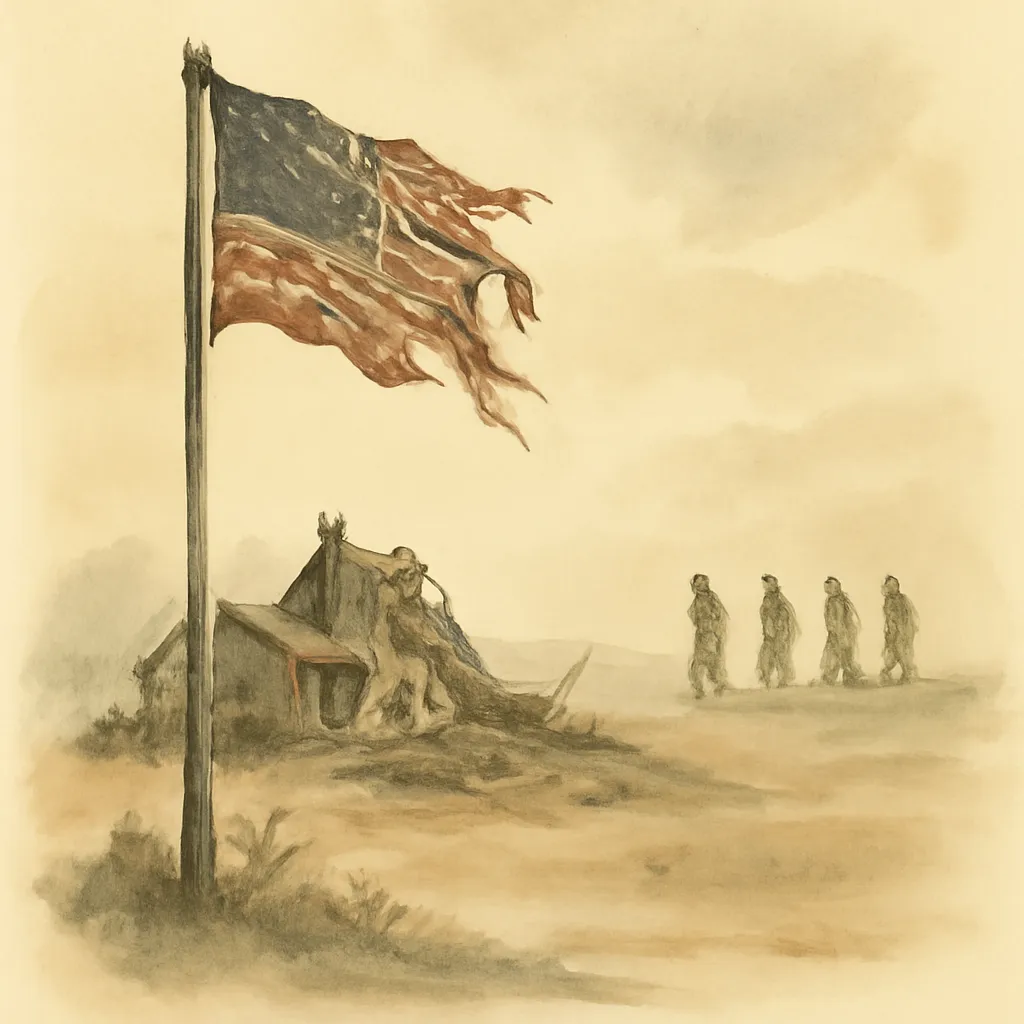
Set against the backdrop of the Civil War, Lincoln in the Bardo connects personal loss with national catastrophe. Lincoln’s private agony over Willie’s death is mirrored by his public burden as a leader during a time of immense suffering. The novel subtly interrogates how leaders process grief and how their personal pain can shape the destinies of nations. Saunders suggests that the ability to mourn, and to move through mourning, is essential not just for individuals but for societies in crisis.
5.The Power and Limits of Compassion
Throughout the novel, acts of compassion—between the ghosts, and between Lincoln and his son—become moments of grace that disrupt the inertia of the bardo. Yet Saunders is unsentimental about the limits of empathy; not all souls are saved, and not all wounds are healed. The book ultimately argues for the necessity of reaching out to others, even in the face of overwhelming sorrow, as the only way to transcend isolation and find meaning.
6.Inventiveness in Form and Language
Saunders’s stylistic daring is part of what makes the novel so memorable. The rapid-fire, dialogue-driven format, the blending of historical fact with surreal invention, and the darkly comic tone all serve to keep the reader off-balance and engaged. This formal experimentation isn’t just for show—it echoes the confusion and fragmentation of grief itself, making the reader feel the dislocation that the characters experience.