
FICTION / Ghost · Presidents · Biographical fiction
Lincoln in the Bardo by George Saunders — Summary, Key Ideas & Quotes
2017426 pages✦ 3-min Big ideas★ 4.2 (22)
Rate it
February 1862. The Civil War is less than one year old. The fighting has begun in earnest, and the nation has begun to realize it is in for a long, bloody struggle. Meanwhile, President Lincoln's beloved eleven-year-old son, Willie, lies upstairs in the White House, gravely ill. In a matter of days, despite predictions of a recovery, Willie dies and is laid to rest in a Georgetown cemetery. "My poor boy, he was too good for this earth," the president says at the time. "God has called him home." Newspapers report that a grief-stricken Lincoln returns, alone, to the crypt several times to hold his boy's body. From that seed of historical truth, George Saunders spins a story of familial love and loss that breaks free of its historical framework into a supernatural realm both hilarious and terrifying. Willie Lincoln finds himself in a strange purgatory where ghosts mingle, gripe, commiserate, quarrel, and enact bizarre acts of penance. Within this transitional state -- called, in the Tibetan tradition, the bardo -- a monumental struggle erupts over young Willie's soul.
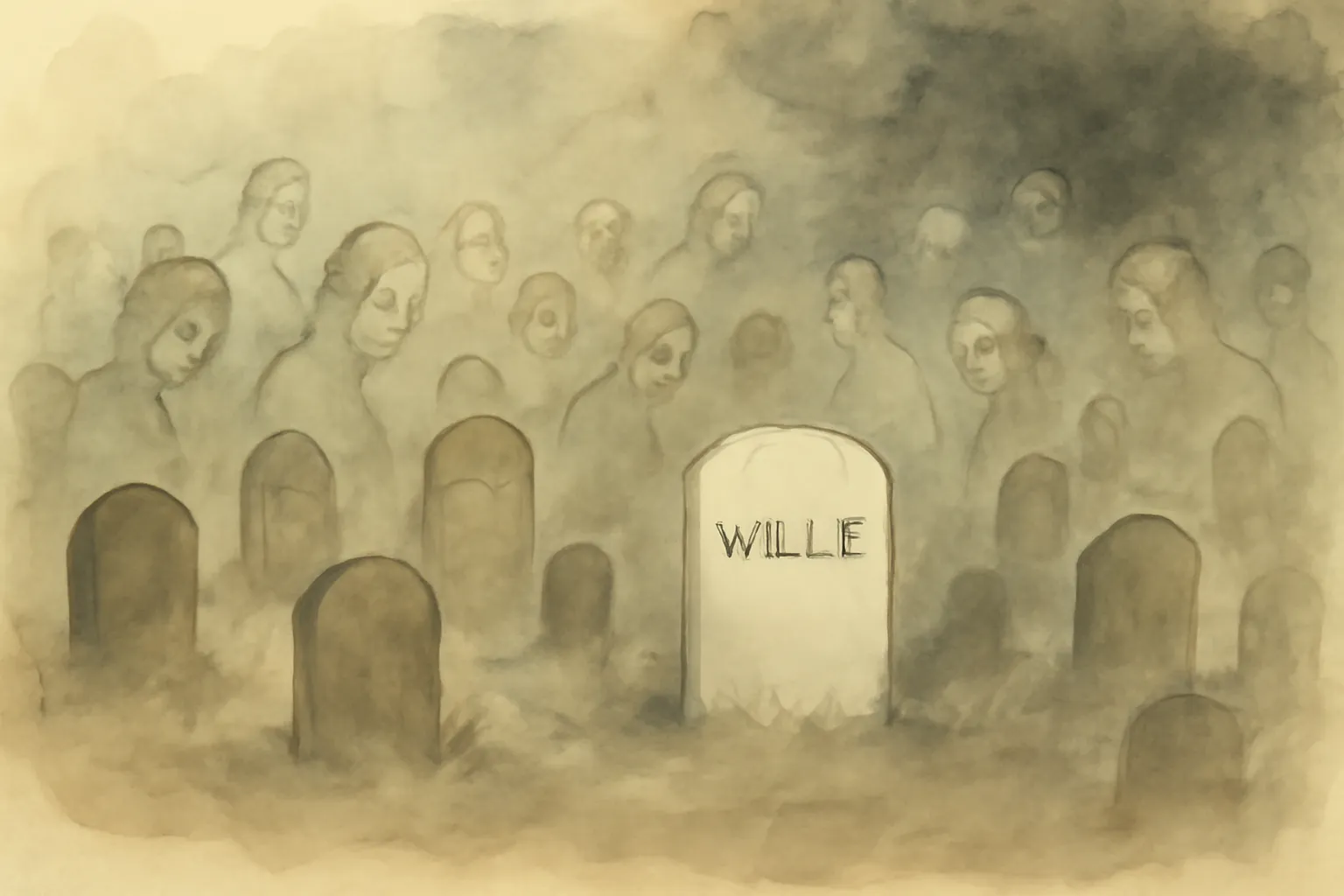
At its core, the novel is a meditation on grief—both personal and collective. Through Lincoln’s inconsolable mourning for his son Willie, Saunders examines how loss can paralyze, isolate, and ultimately transform us. The ghosts in the bardo, each clinging to their unfinished business or regrets, mirror Lincoln’s own struggle to let go. The story suggests that grief is not just a private sorrow but a force that connects us across time and circumstance, shaping our actions and our ability to move forward.
Drawing from Tibetan Buddhist tradition, the 'bardo' is depicted as a liminal space where spirits linger, unable or unwilling to move on. Saunders uses this supernatural setting to explore themes of attachment, denial, and the fear of change. The ghosts’ refusal to accept their deaths becomes a metaphor for all the ways humans resist letting go—of loved ones, identities, or the past. This imaginative purgatory is both comic and tragic, filled with characters whose eccentricities and stories illuminate the complexity of human longing.
“His mind was freshly inclined toward sorrow; toward the fact that the world was full of sorrow.”
“We were perhaps not so unlovable as we had come to believe.”
“Strange, isn’t it? To have dedicated your life to a certain thing, and then to simply—stop.”
