Citizenship · Political fiction · Fantasy fiction
The Booker Prize Anthology: Lincoln in the Bardo by George Saunders — Summary, Key Ideas & Quotes
2005132 pages✦ 3-min Big ideas★ 3.9 (8)
Rate it
Welcome to Inner Horner a country so small it can only accommodate one person at a time, while six other persons must wait their turn to get in. When Inner Horner shrinks even more their neighbor country declares an invasion.
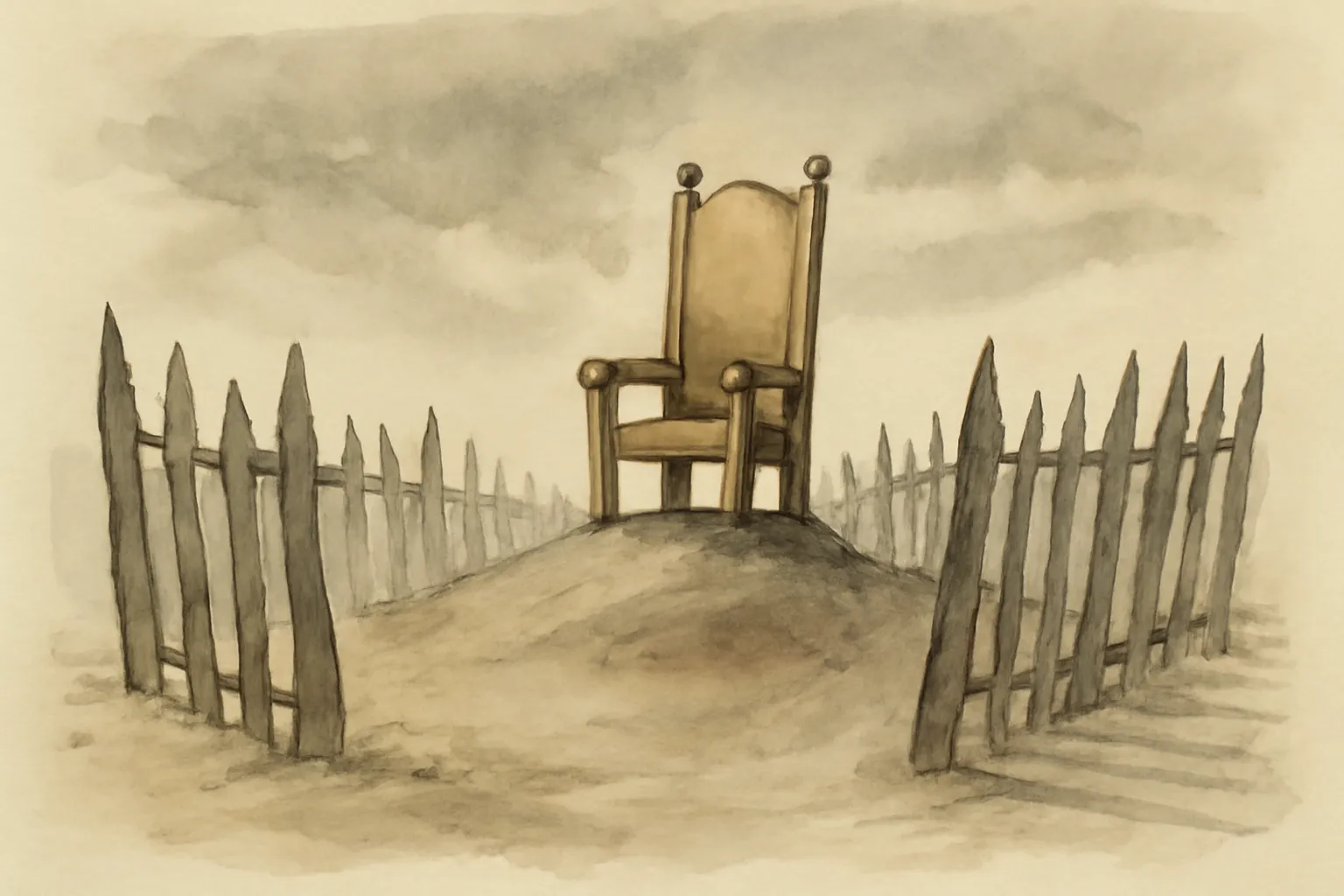
The book’s central conceit—a country so small it can only fit one person at a time—serves as a biting metaphor for the arbitrary and often absurd nature of borders. Saunders uses this setting to explore how lines drawn on a map can foster suspicion, exclusion, and competition, even when resources are meager or the differences between people are negligible. The narrative exposes how the desire to belong can be manipulated by those in power, and how easily communities can fracture when faced with scarcity or uncertainty.
Through the character of Phil, Saunders dissects the psychology of would-be tyrants and the mechanisms by which ordinary people become complicit in oppression. Phil’s transformation from a petty, insecure individual into a demagogue is portrayed with both humor and chilling accuracy. The novella shows how fear, propaganda, and the promise of safety can erode empathy and justify cruelty, mirroring real-world patterns of authoritarian rise.
“It is a rare man who truly cares for others.”
“When you build a machine to separate people, you cannot be surprised when it works.”