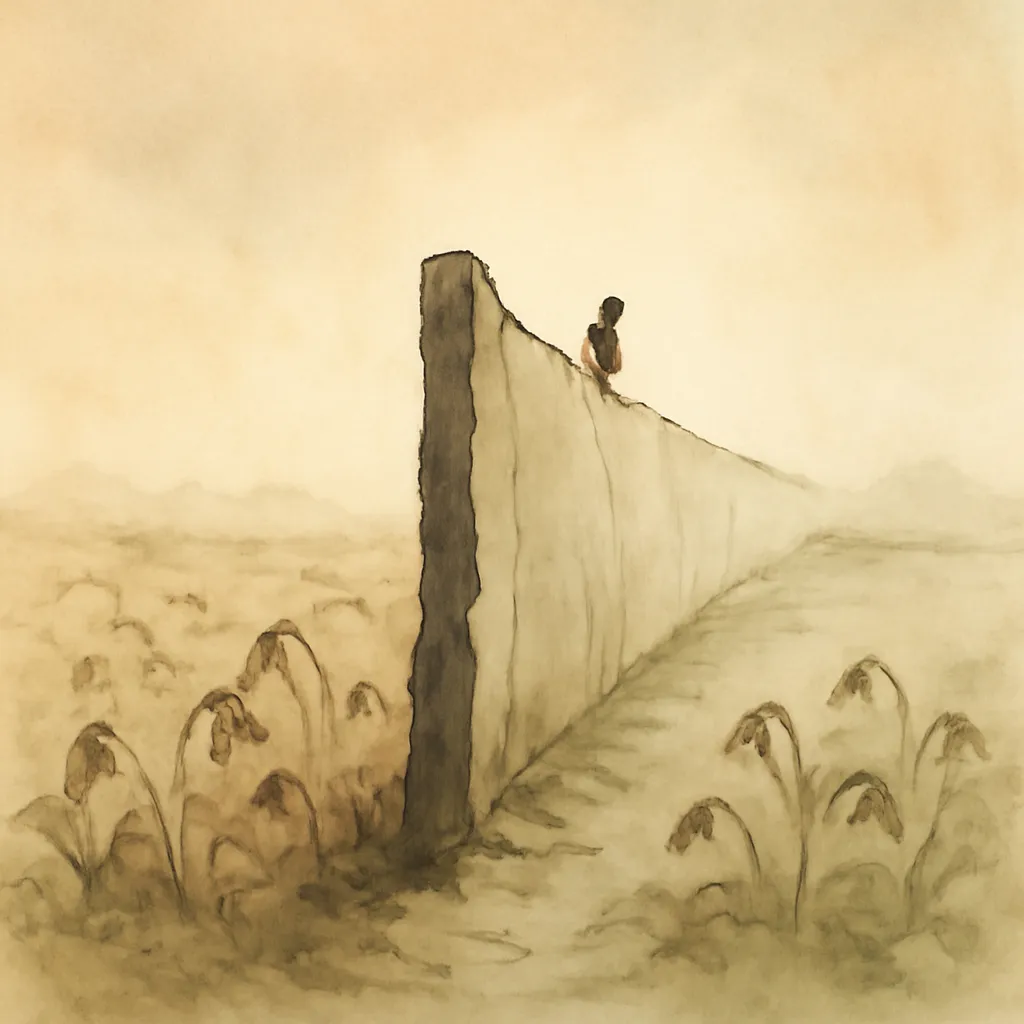
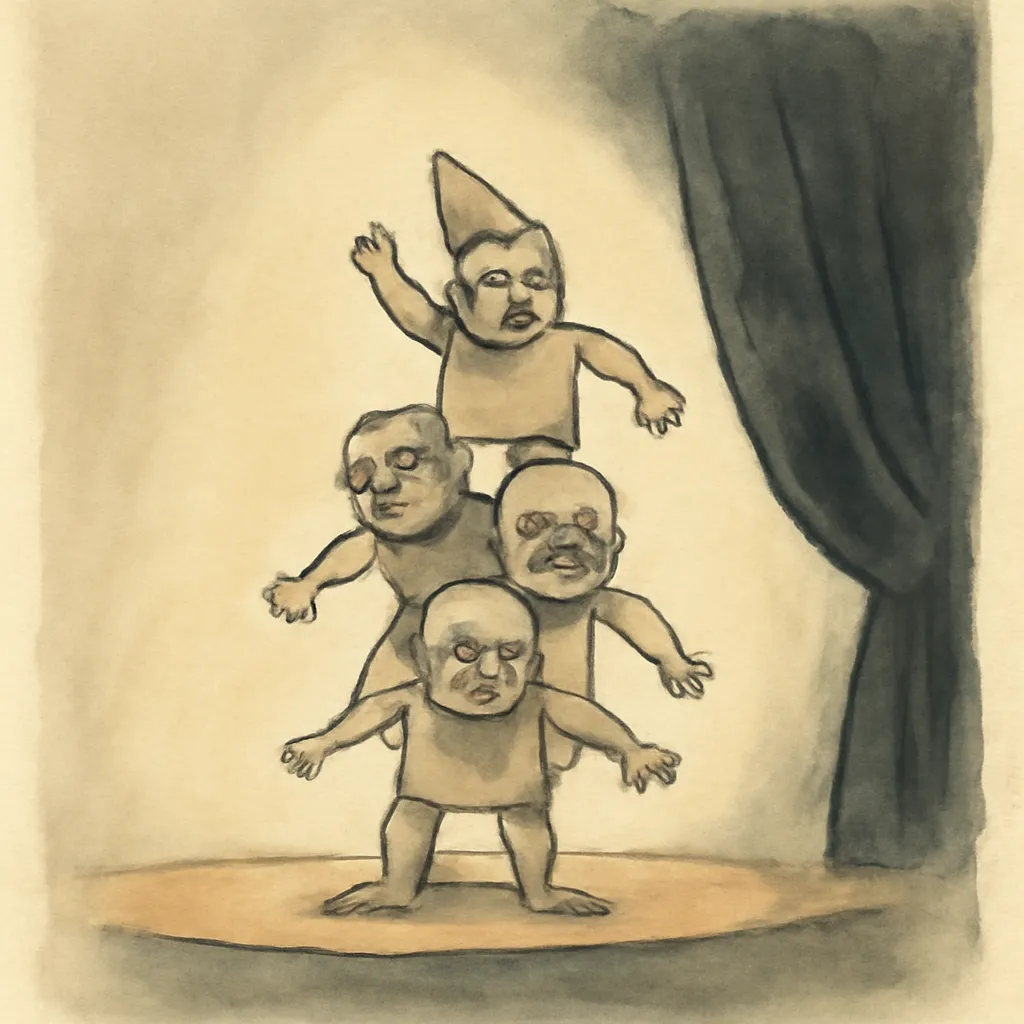
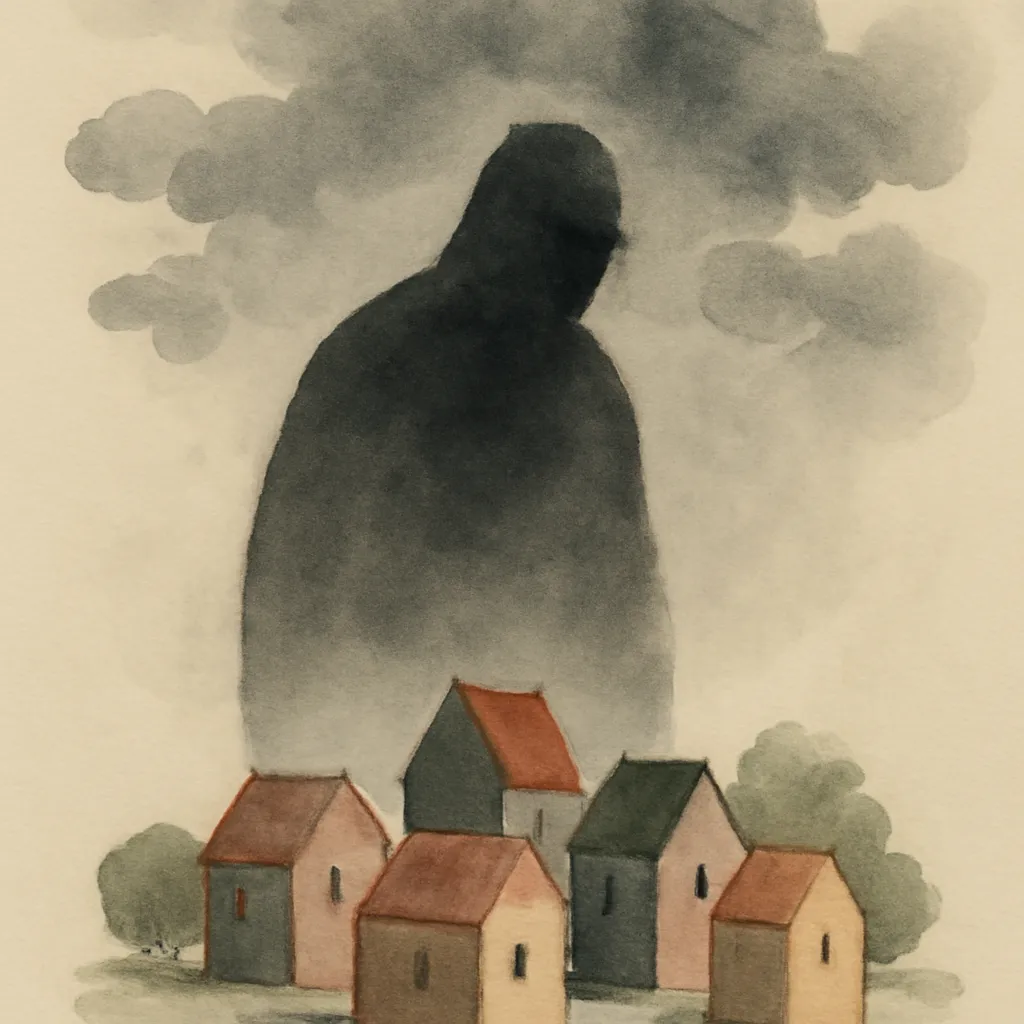
1.Borders and Belonging
The book’s central conceit—a country so small it can only fit one person at a time—serves as a biting metaphor for the arbitrary and often absurd nature of borders. Saunders uses this setting to explore how lines drawn on a map can foster suspicion, exclusion, and competition, even when resources are meager or the differences between people are negligible. The narrative exposes how the desire to belong can be manipulated by those in power, and how easily communities can fracture when faced with scarcity or uncertainty.
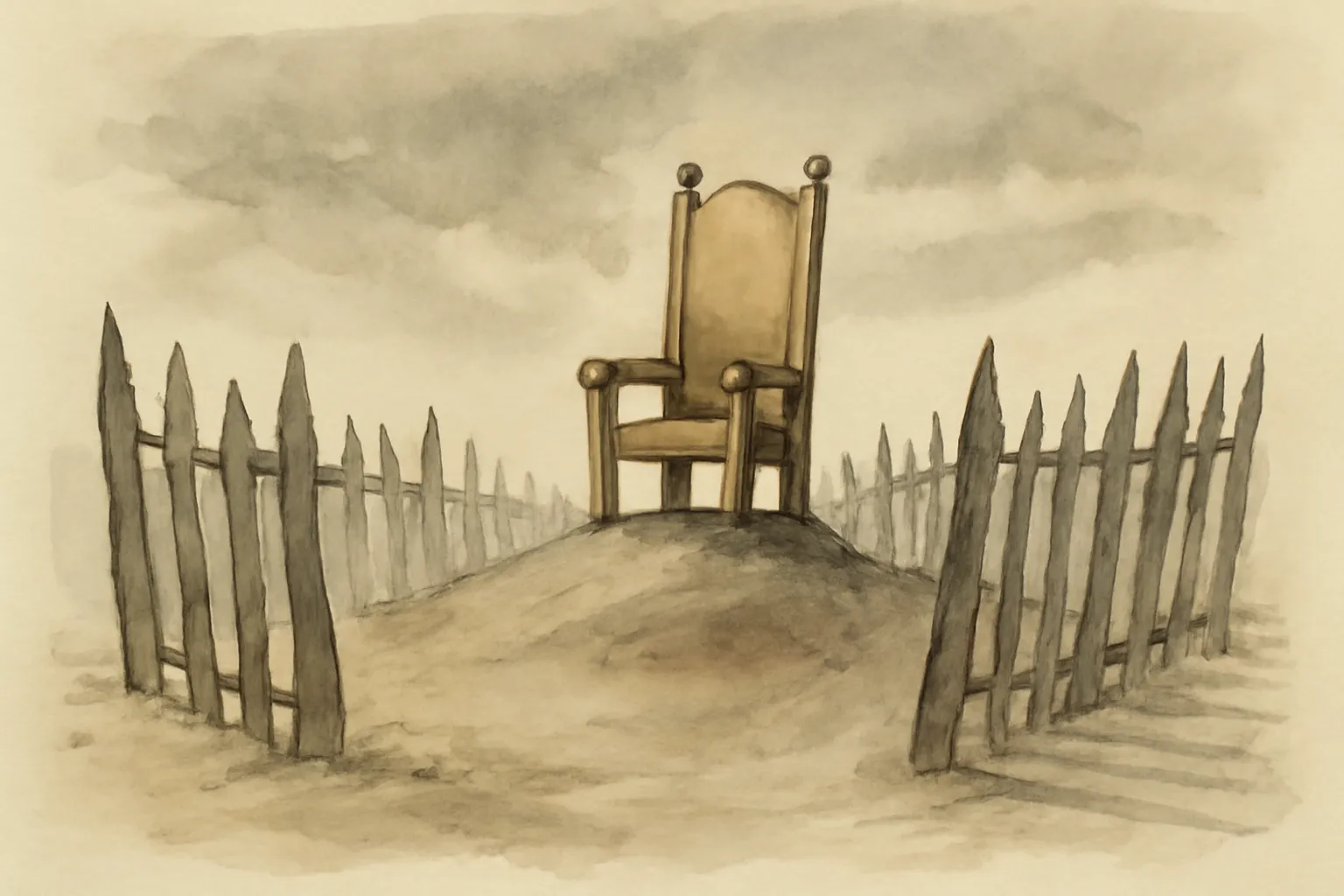
2.The Rise of Authoritarianism
Through the character of Phil, Saunders dissects the psychology of would-be tyrants and the mechanisms by which ordinary people become complicit in oppression. Phil’s transformation from a petty, insecure individual into a demagogue is portrayed with both humor and chilling accuracy. The novella shows how fear, propaganda, and the promise of safety can erode empathy and justify cruelty, mirroring real-world patterns of authoritarian rise.
3.Satire and the Absurd
Saunders employs absurdity not just for laughs, but as a tool to highlight the irrationality of prejudice and the fragility of social order. The surreal setting—complete with mechanical bodies and nonsensical laws—amplifies the ridiculousness of the characters’ behavior, making the reader question the logic of real-world social and political divisions. The humor is sharp but never undermines the gravity of the themes.
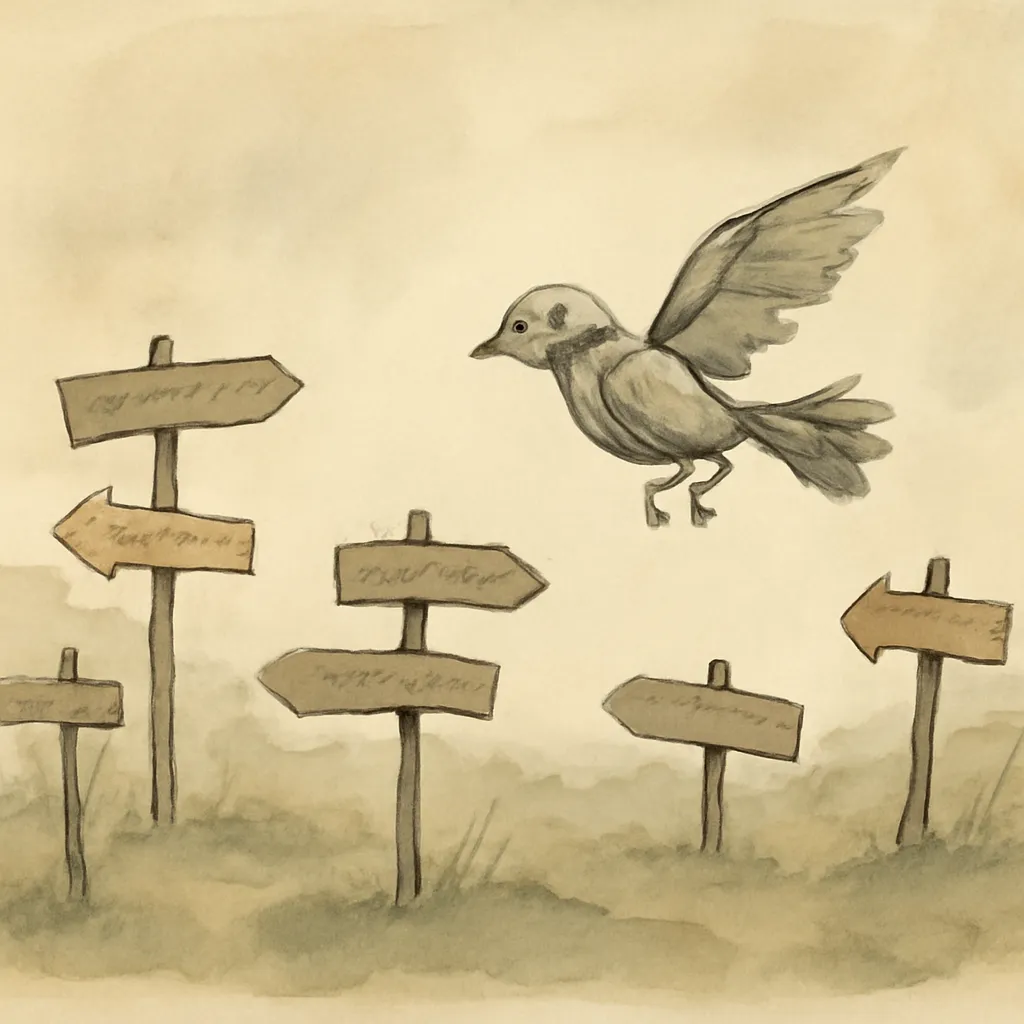
4.Empathy and Dehumanization
A core thread of the book is the ease with which people can dehumanize others when encouraged by authority or groupthink. Saunders illustrates how language, bureaucracy, and even humor can be weaponized to strip others of their dignity. Yet, he also suggests that empathy is a fragile but vital antidote, and that moments of compassion—however fleeting—can disrupt cycles of violence.
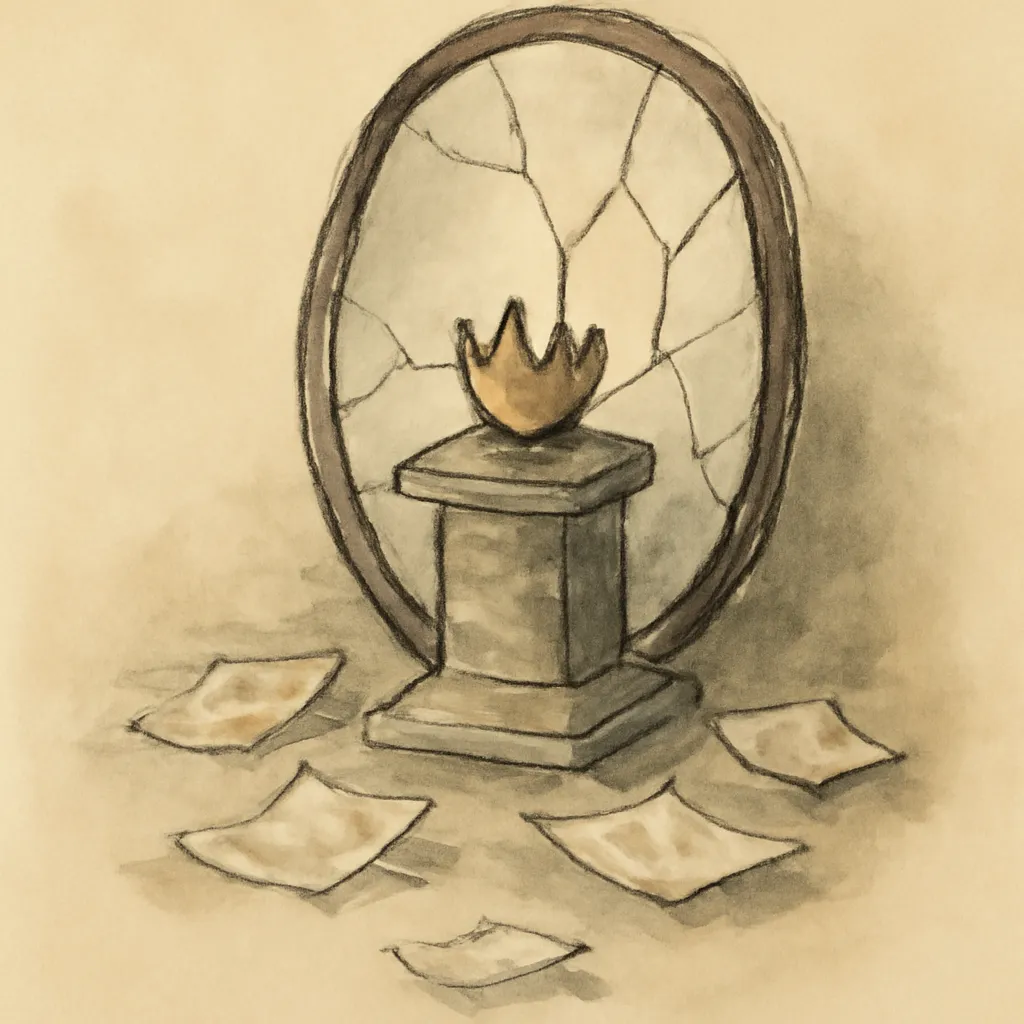
5.Power, Fear, and Responsibility
The novella interrogates how fear can be harnessed by those seeking power, and how responsibility for injustice is often diffused or denied by individuals within a group. By making the consequences of Phil’s reign both comical and horrifying, Saunders asks readers to consider their own capacity for complicity and courage in the face of collective wrongdoing.