1.The Seed of Growth: Rizal's Vision for the Youth
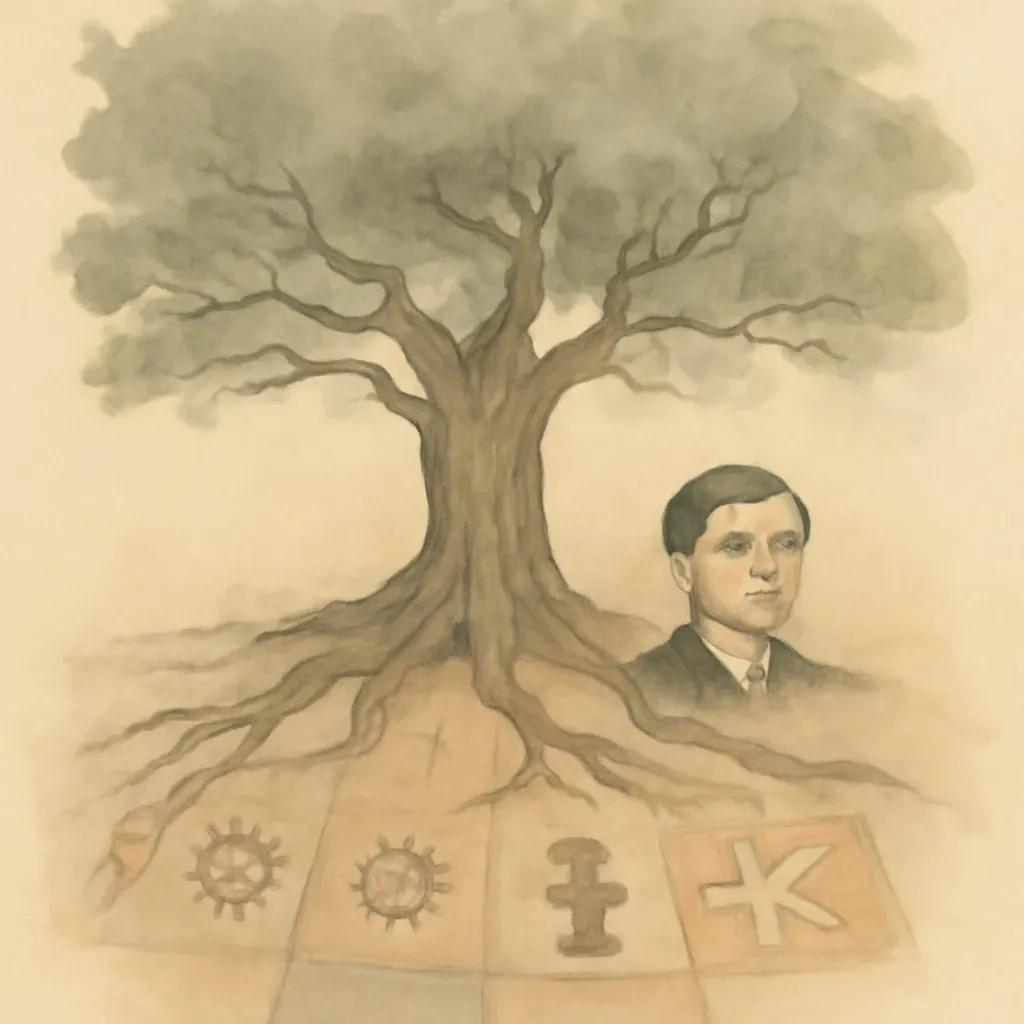
Rizal believed that the future of the Philippines rested on the shoulders of its educated youth, a theme that resonated throughout his works. In his first poem, he articulated the importance of growth and enlightenment, suggesting that the youth were the 'fair hope of the fatherland.' This perspective was revolutionary in a society steeped in colonial oppression, where the potential of the youth was often overlooked. Rizal's faith in the power of education drove him to write for future generations, urging them to pursue knowledge and critical thinking. He envisioned a society where the youth would rise above the shackles of ignorance and embrace the ideals of democracy and self-governance. By emphasizing the role of the youth, Rizal laid the groundwork for a movement that sought to empower the next generation to claim their rightful place in shaping their nation's destiny.
2.Tracing Rizal's Ancestry: A Legacy of Resilience
Understanding Rizal's lineage is crucial to appreciating his character and motivations. His ancestry was a blend of various ethnic backgrounds, including Malay, Chinese, and Spanish, reflecting the complex history of the Philippines itself. This diverse heritage instilled in him a sense of pride and identity, as well as a profound awareness of the injustices faced by different groups within society. The struggles of his forebears, particularly the Chinese immigrants who contributed significantly to the economy, influenced Rizal’s perspective on colonial rule and social inequality. His family’s experiences with land disputes and economic hardship further fueled his desire to advocate for reform. By examining his ancestry, Craig illustrates how Rizal's roots played a pivotal role in shaping his vision for a unified and independent Philippines.
3.The Power of Critique: Rizal's Call for Honest Governance
Rizal understood the importance of critique in fostering a healthy society. He believed that honest criticism of the government was essential for progress, much like how symptoms indicate a person's health issues. His writings often challenged the status quo, urging the authorities to recognize and rectify their failures. Rizal's insistence on accountability and transparency was a radical notion in an era when dissent was met with severe repercussions. He recognized that a nation that stifles criticism risks falling into complacency and ultimately failure. His tragic fate—executed for his beliefs—serves as a stark reminder of the dangers faced by those who dare to speak truth to power. Craig emphasizes how Rizal's life exemplifies the necessity of dissent and the role it plays in the evolution of governance.
4.Rizal's Childhood: The Making of a Patriot
Rizal's early years were marked by a blend of privilege and adversity that shaped his character. Born into a well-to-do family in Calamba, he was exposed to both the advantages of education and the harsh realities of colonial rule. His mother's unjust imprisonment for standing up against a corrupt Spanish official left a profound impact on him, instilling a sense of injustice and a desire to fight against oppression. The nurturing environment provided by his family, combined with the early injustices he witnessed, laid the foundation for his future activism. Craig highlights how these formative experiences not only cultivated Rizal's intellect but also ignited a passion for social change that would define his life's work. The interplay of personal and political struggles in his childhood serves as a testament to the profound influence of early experiences on one's path to leadership.
5.Rizal's Education: A Journey Across Borders
Rizal's educational journey took him from the Philippines to Europe, where he encountered a world of ideas that would shape his vision for reform. His studies in Madrid and Paris exposed him to liberal philosophies and nationalist movements, broadening his understanding of democracy and human rights. In Spain, Rizal interacted with fellow Filipino expatriates and intellectuals, fostering a sense of camaraderie and shared purpose. His exposure to progressive thought fueled his desire to advocate for reforms in his homeland, leading to the publication of his seminal works, 'Noli Me Tangere' and 'El Filibusterismo.' These novels critiqued Spanish colonialism and called for social justice, revealing the deep-rooted issues plaguing Philippine society. Craig illustrates how Rizal's education was not just a personal pursuit but a strategic move to arm himself with the knowledge necessary to challenge colonial rule and inspire his fellow countrymen.
6.The Role of Literature: Rizal as a Social Critic
Rizal's literary contributions were instrumental in galvanizing the Philippine national consciousness. His novels, rich with social commentary, illuminated the plight of Filipinos under colonial oppression. Through vivid characters and compelling narratives, Rizal exposed the corruption and injustices of the Spanish regime, igniting a sense of urgency among his readers. His works transcended mere storytelling; they were calls to action, urging Filipinos to awaken to their potential and demand their rights. Craig emphasizes that Rizal's ability to weave political ideas into literature was a powerful tool for mobilization, as it resonated with the masses and inspired a collective identity. The impact of his writings extended beyond his lifetime, laying the groundwork for future generations to continue the fight for freedom and equality.
7.The Dangers of Idealism: Rizal's Political Engagement
Rizal's idealism often placed him at odds with the political realities of his time. His belief in peaceful reform and education clashed with the rising tide of revolutionary fervor among his compatriots. While he advocated for dialogue and reform, others sought immediate action against colonial oppression. This divergence in approach led to tensions within the nationalist movement, as Rizal grappled with the implications of his ideals. Craig explores how Rizal's commitment to non-violence ultimately cost him his life, as he became a target for those who viewed him as a threat to the status quo. His execution served as a catalyst for the revolution, transforming him into a martyr for the cause. The complexities of Rizal's political engagement illustrate the challenges faced by idealists in a world often resistant to change.
8.The Impact of Exile: Rizal's Time in Dapitan
Rizal's exile to Dapitan marked a pivotal chapter in his life, allowing him to reflect on his ideals and the future of the Philippines. During his time in Dapitan, he engaged in various projects, from establishing a school to promoting agricultural reform, demonstrating his unwavering commitment to his country. This period of isolation was not merely punitive; it provided Rizal with the space to cultivate his thoughts and deepen his understanding of the socio-political landscape. Craig highlights how Rizal's experiences in Dapitan reinforced his belief in education as a means of empowerment, as he sought to uplift the local community through knowledge and skills. The legacy of his exile is twofold: it solidified his status as a national hero while also illustrating the resilience of the human spirit in the face of adversity.
9.Rizal's Execution: A Martyr's Legacy
The execution of José Rizal on December 30, 1896, became a defining moment in Philippine history, galvanizing the nationalist movement and inspiring a generation of activists. His death symbolized the ultimate sacrifice for freedom, elevating him to the status of a martyr who died for his beliefs. Craig recounts the events leading up to his execution, highlighting the government's attempts to discredit him and portray him as a traitor. Despite their efforts, Rizal's legacy only grew stronger, as his writings and ideals continued to resonate with Filipinos. The outpouring of grief and anger following his death sparked widespread protests and uprisings, ultimately leading to the Philippine Revolution. Rizal's martyrdom serves as a powerful reminder of the lengths individuals will go to for their beliefs and the enduring impact of one man's dedication to his country.
10.The Enduring Legacy of Rizal: A Call to Action
Rizal's life and works continue to inspire Filipinos and people around the world, serving as a reminder of the importance of education, critical thought, and civic engagement. Craig emphasizes that Rizal's message transcends time and place, urging individuals to take an active role in shaping their communities. His belief in the power of the youth to effect change remains relevant today, as new generations grapple with issues of justice and equality. The lessons drawn from Rizal's life encourage a commitment to lifelong learning and the pursuit of truth, as well as the courage to stand up against oppression. Ultimately, Rizal's legacy is a call to action for individuals to embrace their roles as agents of change, fostering a future where freedom and democracy prevail.