Fiction
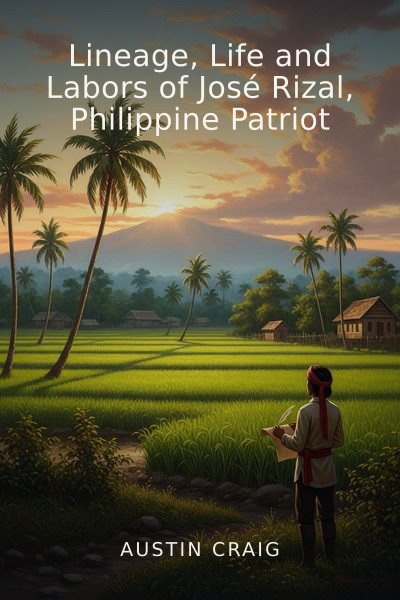
Lineage, Life and Labors of José Rizal, Philippine Patriot by Austin Craig — Summary, Key Ideas & Full Text
204 pages12 chapters4h 6m read2h 55m speed read✦ 9-min Big ideasFree · no account
Rate it
The life and legacy of José Rizal, a beacon of hope and patriotism for the Philippines, reveals the power of ideas and the importance of education in the struggle for freedom
Austin Craig's 'Lineage, Life and Labors of José Rizal, Philippine Patriot' delves into the rich tapestry of Rizal's life, tracing his ancestry, formative years, and monumental contributions to the Philippine independence movement. The narrative not only highlights Rizal's exceptional intellect and literary prowess but also contextualizes his ideals within the broader historical and political landscape of his time. By exploring Rizal's lineage and the influences that shaped him, readers gain insight into how his experiences fueled his passion for reform and education. This biography serves as both a tribute to a national hero and a reminder of the enduring struggle for democracy and self-governance in the Philippines. Ultimately, it inspires readers to reflect on the value of knowledge and the responsibility of the youth in shaping the future of their nation.
The biography of José Rizal, as detailed by Austin Craig, is not just a recounting of a national hero's life but a profound exploration of the ideals that shaped a nation. Rizal's commitment to education, social justice, and civic responsibility resonates through the ages, urging each generation to reflect on its role in the quest for freedom. His legacy serves as a beacon for those who dare to challenge oppression and fight for their rights. In a world still grappling with issues of inequality and injustice, Rizal's life reminds us of the enduring power of ideas and the responsibility we all share in shaping the future. Ultimately, the lessons drawn from Rizal's journey serve as a call to action, encouraging individuals to embrace their potential as catalysts for change.
“The study of the growth of free ideas is now in the days of our democracy the most important feature of Philippine history.”
“Profit, not pride, should be the object of the study of the past.”
“An intelligent people could not be kept enslaved.”

Read Austin Craig's work free on Lumina — the complete text plus an 8-minute summary and key ideas, no account needed