1.The Moral Landscape of Industrialism
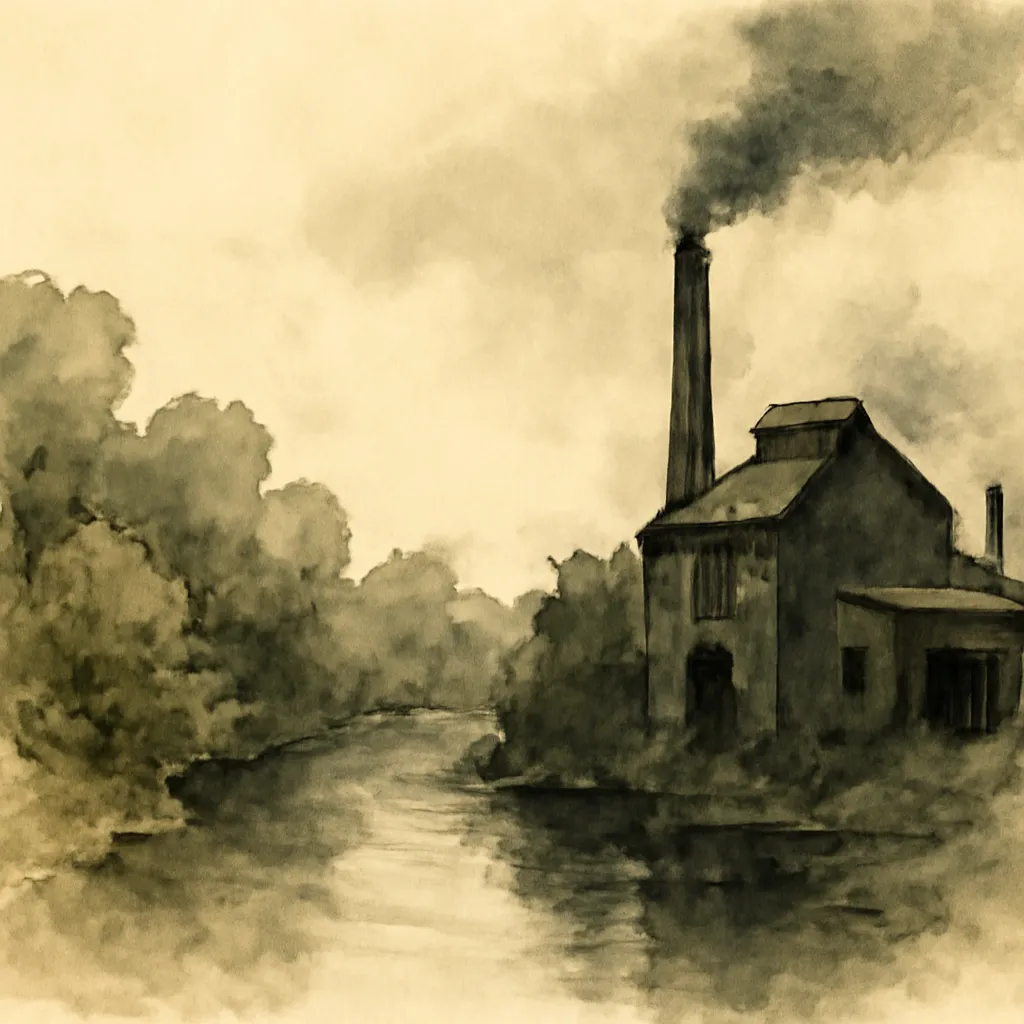
The opening scenes set the stage for a critical examination of industrialism, as a writer confronts a mill owner about the environmental and moral degradation wrought by factories. The mill, a symbol of progress, stands in stark contrast to the natural beauty surrounding it, provoking a dialogue about the responsibilities of industrialists. The writer's passionate argument highlights the notion that industrial progress comes at a significant cost—one that impacts not only the landscape but also the lives of workers, particularly women. This moral conflict is exemplified in the line, 'Your mill is a crime against Nature. Look how it violates that landscape.' The mill owner’s dismissive attitude encapsulates a prevalent mindset: that profits and modernization overshadow moral considerations. The tension between economic growth and ethical responsibility serves as a recurring theme throughout the novel, prompting readers to consider the broader implications of industrial practices on humanity and nature. The writer's assertion that, 'These girls are the mothers of tomorrow. To an extent the destinies of our race depend upon them,' underscores the critical role of women in shaping society's future, emphasizing that their well-being is intrinsically linked to the health of the community.
2.Elsie's Struggle for Dignity
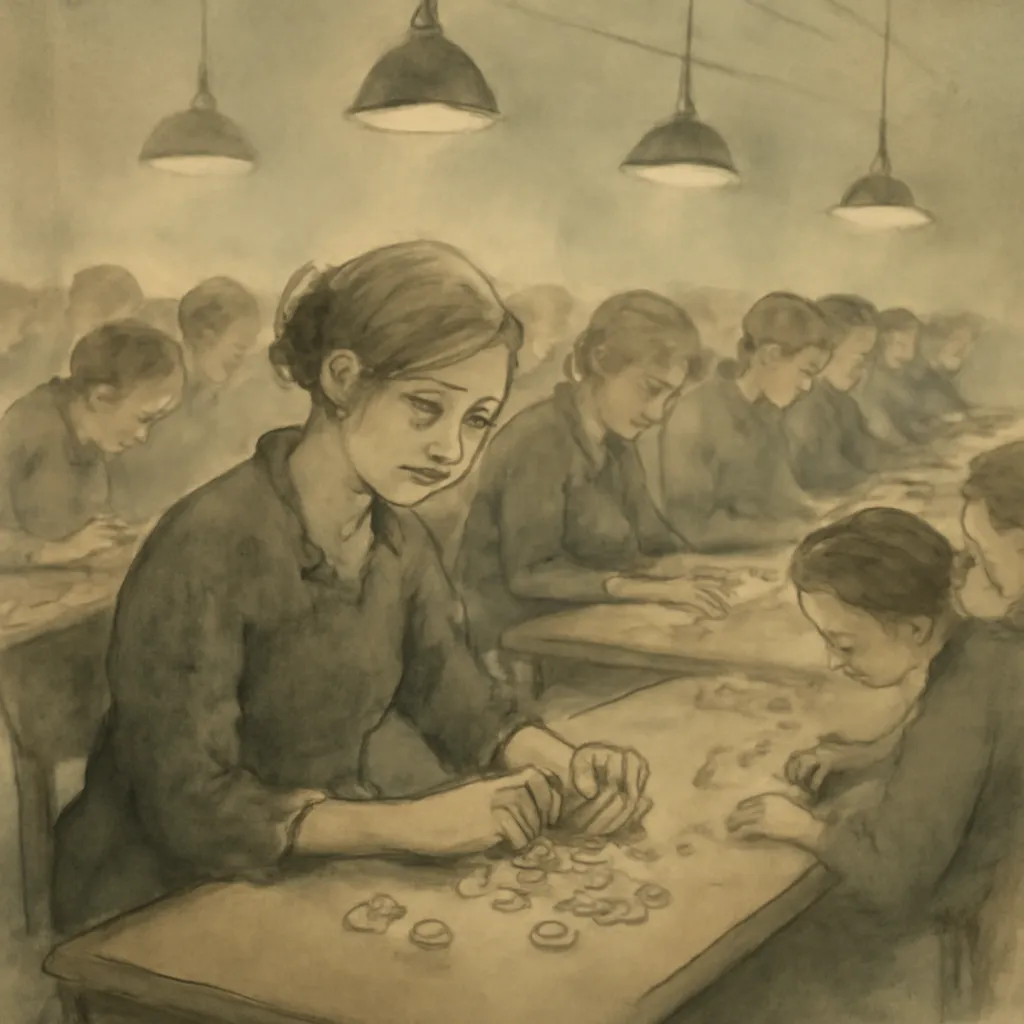
Elsie Welcome's journey begins in the button factory, where she grapples with the indignities of low wages and exhausting labor. Her determination to secure a wage increase reflects not just a personal struggle but also a broader fight for recognition and respect within a patriarchal system. As she confronts her foreman, Hiram Kemble, the reader witnesses the complexities of her character: she is both vulnerable and fiercely ambitious. Her desire for a better life for her family drives her to challenge the status quo, yet she is met with resistance from those who hold power. This struggle symbolizes the fight for women's rights during a time when their contributions were often undervalued. When Elsie states, 'I wanted to ask you to—to—raise my wages,' it signifies her recognition of her worth beyond mere labor. The repeated theme of wage disparity among women reflects broader societal injustices, as Elsie compares herself to her sister who earns only a dollar more. This quest for dignity amid dehumanizing conditions highlights the need for empowerment and agency, illustrating how individual struggles can resonate with collective movements for equality.
3.The Contrast Between Sisters
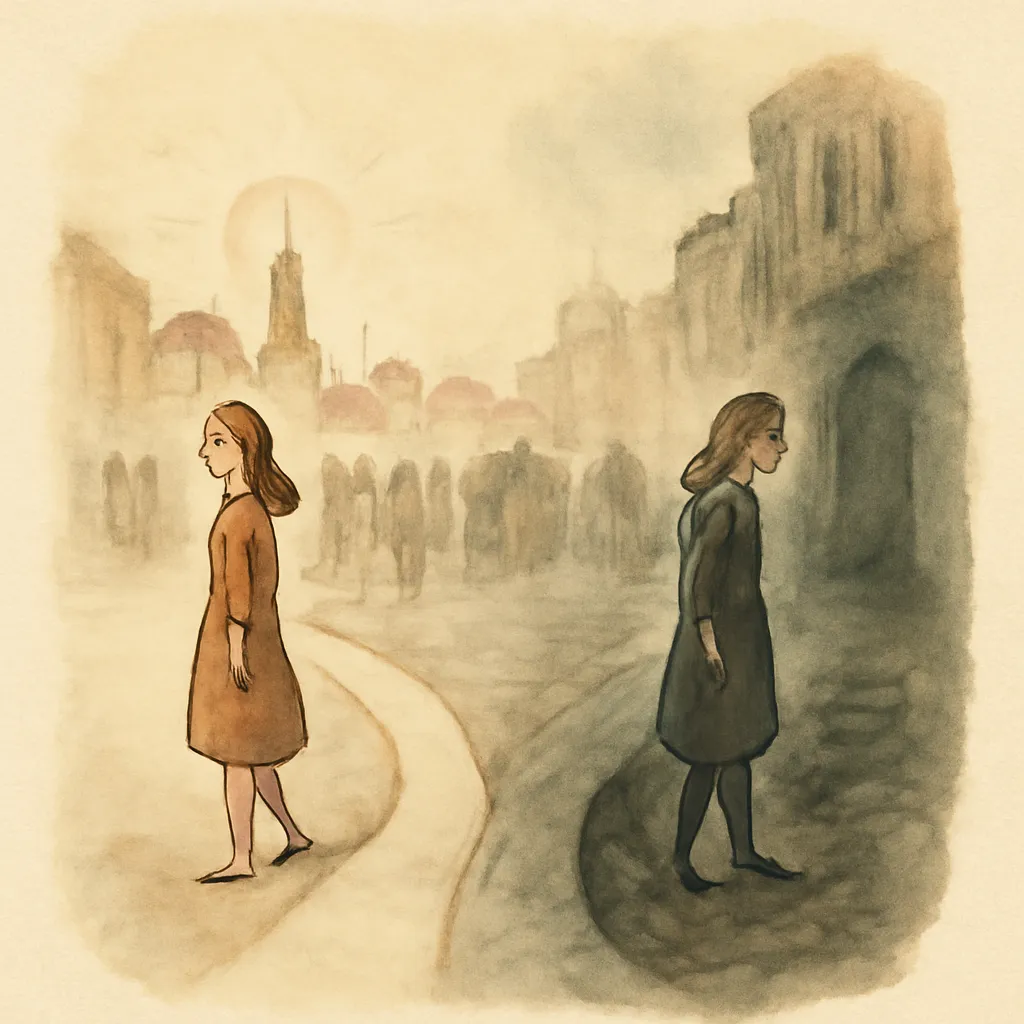
The dynamics between Elsie and her sister Patience provide a compelling exploration of differing responses to societal pressures. While Elsie is impulsive and ambitious, yearning for a life beyond the confines of Millville, Patience exhibits a more pragmatic approach to her circumstances. Content with her role in the local store, Patience represents a segment of society that finds solace in stability rather than aspiration. Their contrasting personalities illuminate the diverse ways women navigate their identities in a restrictive environment. Patience, with her 'great gift of contentedness,' finds meaning in the mundane, while Elsie feels suffocated by it. This dichotomy raises questions about societal expectations: is it better to conform and find contentment, or to rebel and risk everything for a dream? Through their interactions, Brooks skillfully examines the nuances of ambition, self-identity, and the societal roles assigned to women. The tension between their desires for independence versus familial loyalty further complicates their relationship, highlighting the intricate balance women must navigate between personal aspirations and societal expectations.
4.The Role of Community and Support Systems
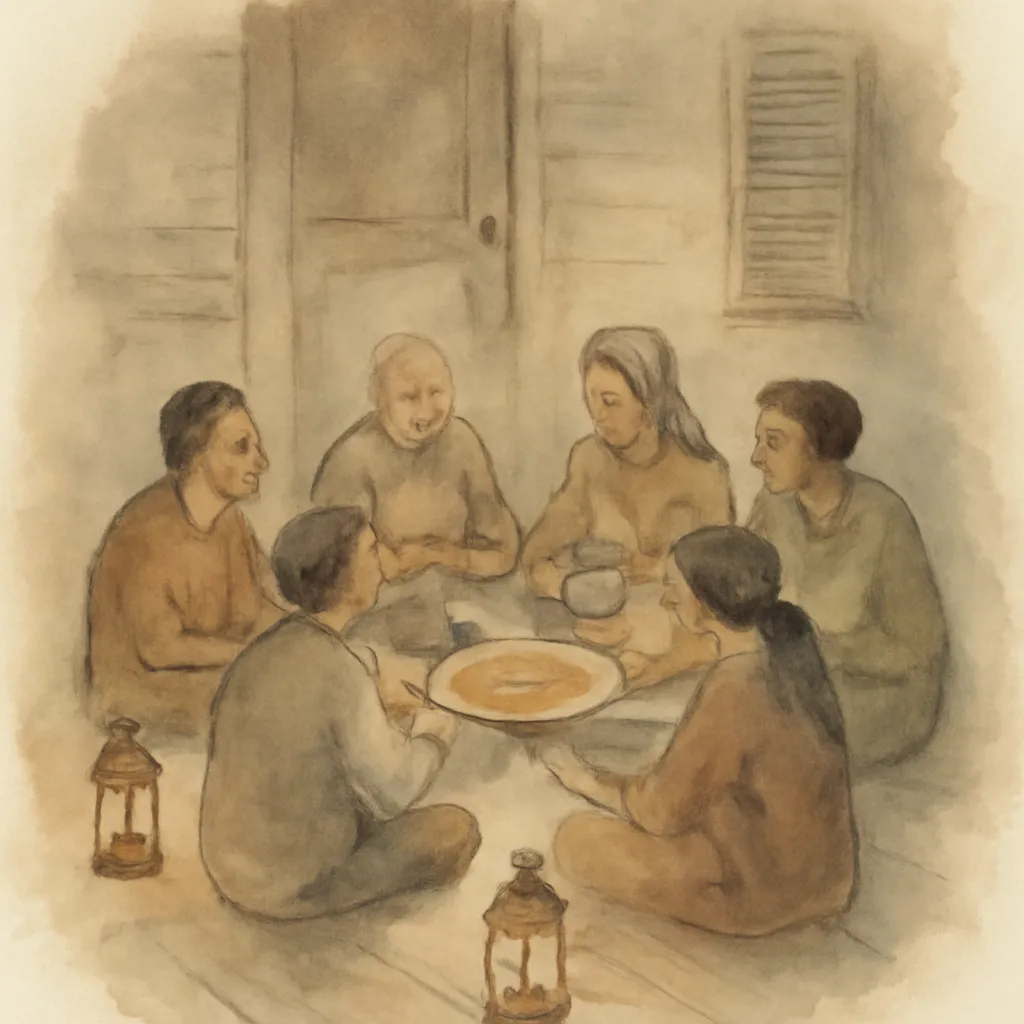
As the sisters face their challenges, the novel emphasizes the importance of community and support systems in overcoming adversity. The interactions between the Welcome family and their neighbors highlight the interconnectedness of individuals in small-town life. Characters like Mrs. Welcome and Harvey Spencer serve as anchors for Elsie and Patience, illustrating how relationships can provide both comfort and conflict. Harvey's protective instincts towards Elsie reveal the complexities of male-female dynamics during this era. He embodies the societal expectations of men as protectors, yet his interference also showcases the limitations placed on women's autonomy. The support system that exists within Millville, characterized by gossip and camaraderie, serves as both a source of strength and a mechanism of control. The community's view of Elsie and her ambitions reflects the societal norms that often dictate women's roles, demonstrating how collective perceptions can influence personal choices. This theme of community underscores the idea that collective strength can be a source of empowerment, even as individuals strive for personal goals, making it clear that social structures shape individual experiences significantly.
5.Romance and Its Discontents

Romantic entanglements further complicate the sisters' lives, particularly for Elsie, who finds herself drawn to Martin Druce, a man of questionable character. Their relationship serves as a microcosm of the larger societal issues at play, where desire often clashes with morality. Elsie's infatuation blinds her to the potential dangers of associating with Druce, who represents the seductive allure of urban sophistication but also the moral decay of the vice-laden city. She grapples with feelings of guilt and excitement as she navigates this tumultuous romance, and her interactions with Druce illustrate the dangers of being swept away by passion. This tension between romantic idealism and the harsh realities of life in the industrial age prompts readers to reflect on the sacrifices women make in the name of love. Druce's character serves as a warning of the perils that accompany romantic choices, as he ultimately leads Elsie into darker corners of urban life. Through Elsie's experiences, Brooks critiques the romanticized notions of love that often lead women into compromising situations, underscoring the need for discernment and self-respect amidst emotional turbulence.
6.The Impact of Economic Forces on Personal Lives
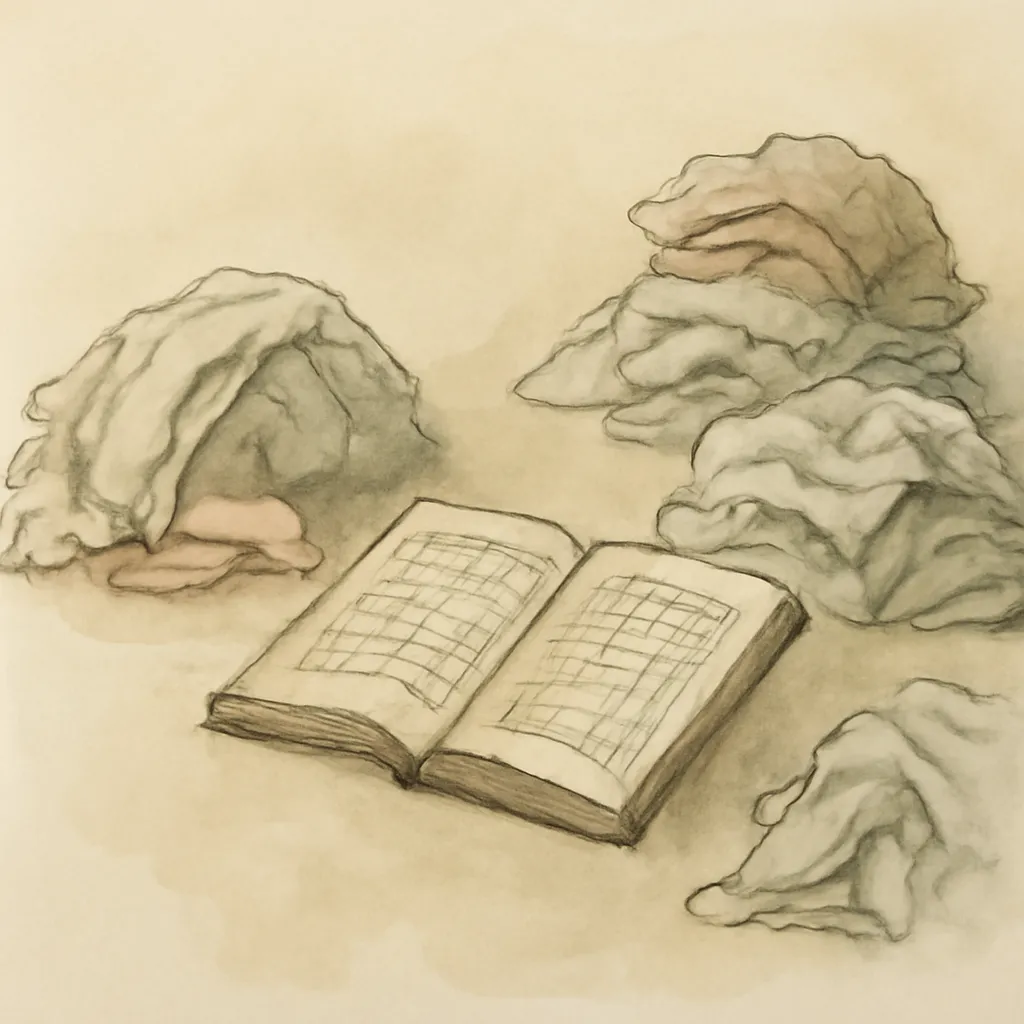
The characters’ struggles are deeply intertwined with the economic forces that shape their lives. The Welcome family's financial hardships force them into precarious situations, highlighting the stark realities of working-class existence. Mrs. Welcome’s need to take in washing and the sisters' reliance on their factory wages illustrate how economic pressures dictate personal choices. The novel does not shy away from portraying the harshness of poverty, as Elsie laments, 'Our expenses are heavy. My mother has begun to—to—' indicating the sacrifices made in the name of survival. This theme resonates with the broader narrative of industrialization, where individuals are often reduced to mere cogs in a machine. The moral implications of economic exploitation serve as a critique of capitalism, urging readers to consider the human cost of economic progress. The intersections of class, gender, and labor reveal the complexities of survival in a rapidly changing society, and the characters' experiences reflect the struggles faced by many in pursuit of dignity and a better life.
7.The Dangers of Urban Life
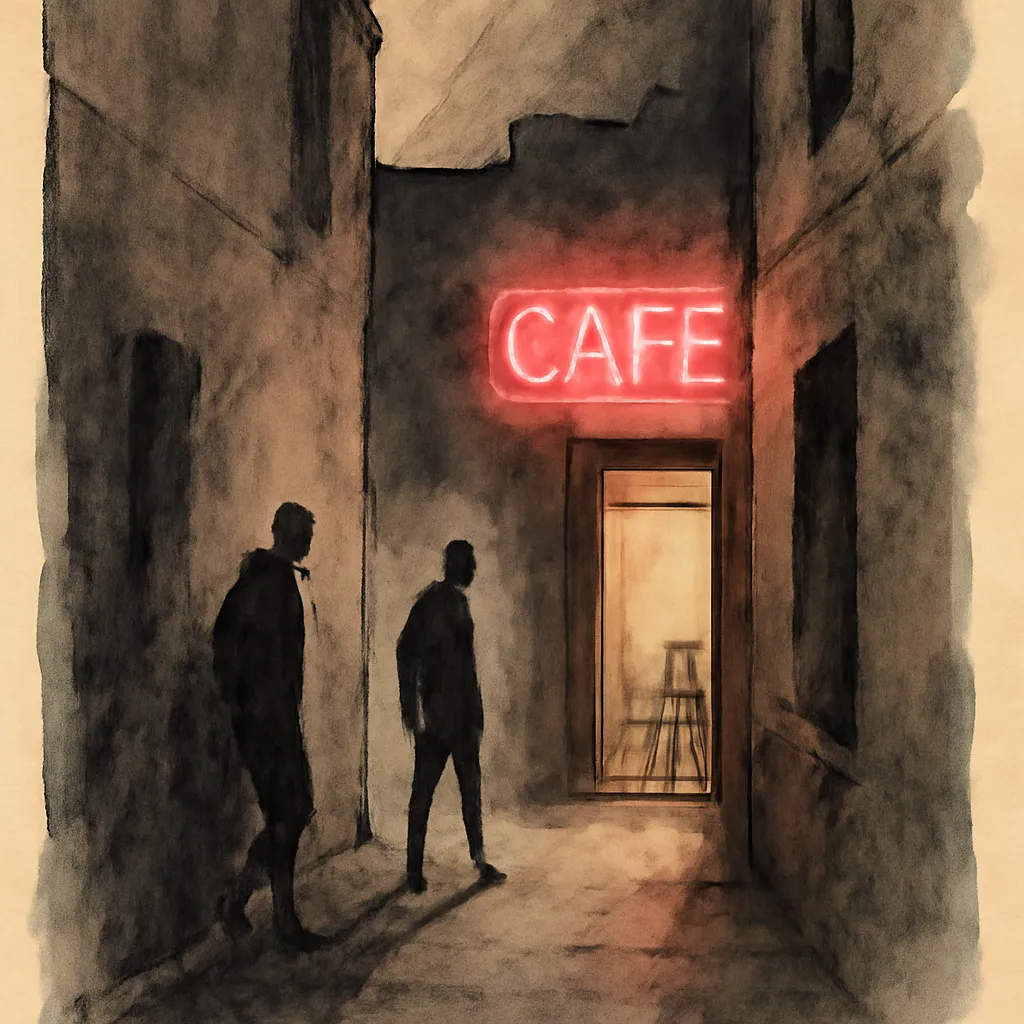
As the story unfolds, the allure of the city becomes a double-edged sword for characters like Elsie and Patience. The city represents opportunity and excitement, yet it also harbors dangers that threaten their safety and morality. The Cafe Sinister, a focal point of vice and temptation, serves as a stark reminder of the perils that come with urban living. Elsie's encounters with Druce lead her into this world of moral ambiguity, where the line between right and wrong becomes increasingly blurred. The depiction of the Cafe, with its seductive charm and underlying menace, illustrates how urban spaces can entrap young women, drawing them into a cycle of exploitation and despair. Brooks captures the vibrant yet treacherous nature of city life, emphasizing the need for vigilance and awareness in navigating the complexities of modern existence. This portrayal of urban life serves as a cautionary tale, underscoring the idea that the pursuit of dreams must be tempered with caution, as not all that glitters is gold.
8.The Quest for Identity and Self-Realization

Both Elsie and Patience embark on personal journeys toward self-discovery, reflecting the broader quest for identity among women of their time. For Elsie, her experiences in the factory and her tumultuous relationship with Druce force her to confront her desires and aspirations. She grapples with the question of who she wants to be in a world that often seeks to define her by her circumstances. Patience, on the other hand, embodies a quieter strength, finding purpose in her work and community. Their divergent paths highlight the various ways women can assert their identities despite societal constraints. This theme resonates powerfully in contemporary discussions about women's rights and self-empowerment, underscoring the timeless relevance of Brooks' narrative. As both sisters navigate their struggles, the novel emphasizes the importance of self-awareness and the courage to pursue one's true self amid societal pressures. The quest for identity becomes a central theme, illustrating that understanding oneself is vital to finding fulfillment and purpose.
9.Tragedy and Transformation

The novel culminates in a tragic climax that forces both sisters to confront the consequences of their choices. The death of Tom Welcome serves as a pivotal moment, shattering the family's fragile stability and propelling Elsie into a reckoning with her own decisions. This tragedy acts as a catalyst for transformation, prompting characters to reevaluate their lives and relationships. The emotional weight of this event reverberates throughout the narrative, impacting not only the immediate family but also the broader community. The aftermath of loss highlights the fragility of hope in the face of adversity, yet it also opens pathways for resilience and growth. Brooks poignantly illustrates that while tragedy can be devastating, it can also lead to profound personal change and renewed purpose. This theme of transformation through tragedy underscores the complexity of human experience, where suffering can coexist with the potential for redemption and renewal, and it calls for an examination of how such life-altering events can redefine one's path.
10.The Call for Social Responsibility
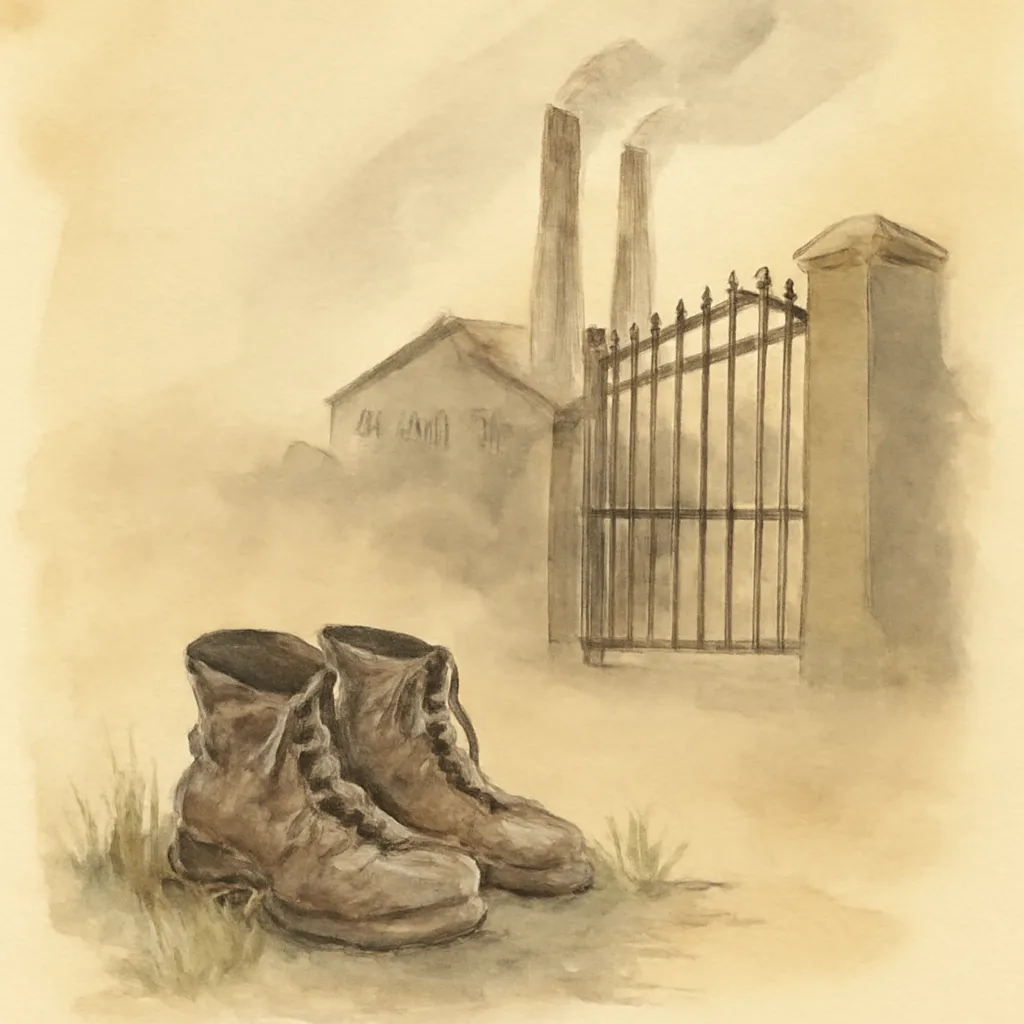
Throughout 'Little Lost Sister', Brooks advocates for social responsibility, urging readers to consider their roles within the larger societal framework. The narrative critiques the apathy of those who benefit from industrialism while ignoring the plight of workers. The mill owner’s dismissive attitude toward the moral implications of his business decisions serves as a stark reminder of the need for ethical leadership in both industry and society. As characters grapple with their own responsibilities, the novel calls for a collective awakening to the societal structures that perpetuate inequality. This message resonates deeply in today’s context, where discussions of corporate ethics and social justice remain ever relevant. Brooks’ exploration of these themes encourages readers to engage with the moral dimensions of their choices and to advocate for a more just and equitable society. The narrative invites reflection on the interconnectedness of individual actions and societal outcomes, emphasizing the importance of empathy and accountability in fostering a better world.