
In 'Little Lost Sister', the struggles of women caught in the machinery of industrial society reveal the deeper moral responsibilities of society and the individual
Read full overviewShow less›
Set against the backdrop of the early 20th century, 'Little Lost Sister' explores the lives of two sisters, Elsie and Patience Welcome, as they navigate the harsh realities of factory work and societal expectations. Through their intertwined stories, Virginia Brooks delves into themes of ambition, morality, and the dangers of industrialism. The novel raises critical questions about the impact of economic structures on personal lives, particularly for women, and the moral obligations of those who benefit from such systems. Readers will find a rich tapestry of characters and conflicts that highlight the struggles for agency and dignity in a rapidly changing world. As the sisters face personal and societal challenges, the narrative invites reflection on the choices that define us and the societal responsibilities we bear.
In 'Little Lost Sister', Virginia Brooks masterfully weaves a narrative that examines the intricate web of personal aspirations, societal responsibilities, and the moral complexities of industrial life. The struggles of Elsie and Patience Welcome serve not only as a reflection of their individual journeys but also as a broader commentary on the lives of women in a transforming society. Through their experiences, Brooks invites readers to contemplate the choices that shape our identities and the ethical implications of our actions. The novel's exploration of love, loss, and the quest for dignity resonates powerfully, reminding us that while the challenges may evolve, the fundamental questions of human existence remain constant. Ultimately, 'Little Lost Sister' is a poignant call to recognize our shared humanity and the collective responsibility we hold in shaping a just future.
- 1The Moral Landscape of Industrialism
- 2Elsie's Struggle for Dignity
- 3The Contrast Between Sisters
- 4The Role of Community and Support Systems
- 5Romance and Its Discontents
Notable quotes
“Your mill is a crime against Nature. Look how it violates that landscape.”
“These girls are the mothers of tomorrow. To an extent the destinies of our race depend upon them.”
“I don’t see what right you have to question me, Harvey Spencer.”
A glimpse inside

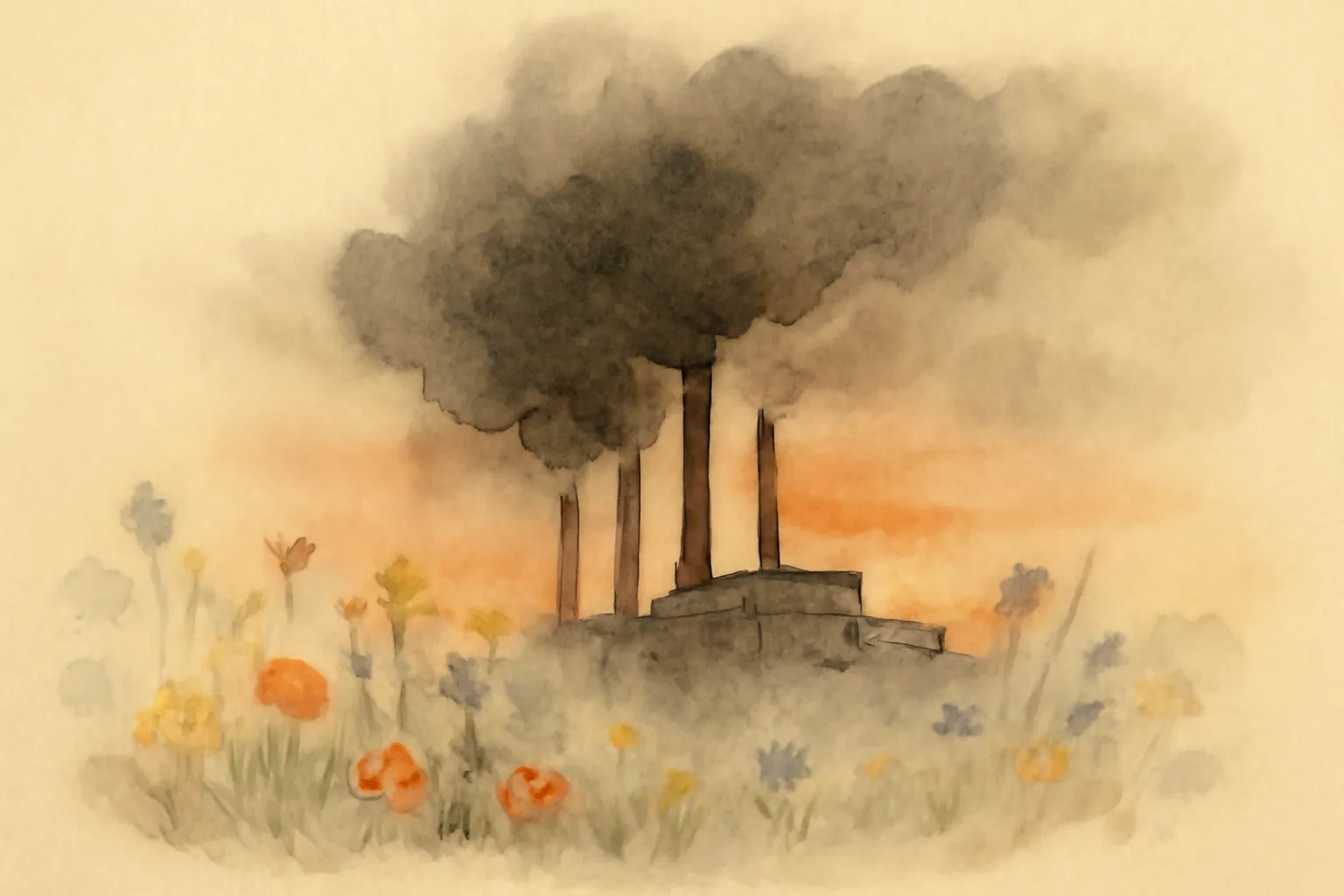
The opening scenes set the stage for a critical examination of industrialism, as a writer confronts a mill owner about the environmental and moral degradation wrought by… Read moreThe opening scenes set the stage for a critical examination of industrialism, as a writer confronts a mill owner about the environmental and moral degradation wrought by factories. The mill, a symbol of progress, stands in stark contrast to the natural beauty surrounding it, provoking a dialogue about the responsibilities of industrialists. The writer's passionate argument highlights the notion that industrial progress comes at a significant cost—one that impacts not only the landscape but also the lives of workers, particularly women. This moral conflict is exemplified in the line, 'Your mill is a crime against Nature. Look how it violates that landscape.' The mill owner’s dismissive attitude encapsulates a prevalent mindset: that profits and modernization overshadow moral considerations. The tension between economic growth and ethical responsibility serves as a recurring theme throughout the novel, prompting readers to consider the broader implications of industrial practices on humanity and nature. The writer's assertion that, 'These girls are the mothers of tomorrow. To an extent the destinies of our race depend upon them,' underscores the critical role of women in shaping society's future, emphasizing that their well-being is intrinsically linked to the health of the community. Show less
Elsie Welcome's journey begins in the button factory, where she grapples with the indignities of low wages and exhausting labor. Read moreElsie Welcome's journey begins in the button factory, where she grapples with the indignities of low wages and exhausting labor. Her determination to secure a wage increase reflects not just a personal struggle but also a broader fight for recognition and respect within a patriarchal system. As she confronts her foreman, Hiram Kemble, the reader witnesses the complexities of her character: she is both vulnerable and fiercely ambitious. Her desire for a better life for her family drives her to challenge the status quo, yet she is met with resistance from those who hold power. This struggle symbolizes the fight for women's rights during a time when their contributions were often undervalued. When Elsie states, 'I wanted to ask you to—to—raise my wages,' it signifies her recognition of her worth beyond mere labor. The repeated theme of wage disparity among women reflects broader societal injustices, as Elsie compares herself to her sister who earns only a dollar more. This quest for dignity amid dehumanizing conditions highlights the need for empowerment and agency, illustrating how individual struggles can resonate with collective movements for equality. Show less
Read the full text — free
About the author
Read Virginia Brooks's work free on Lumina — the complete text plus an 8-minute summary and key ideas, no account needed