1.The Awakening of Julian West
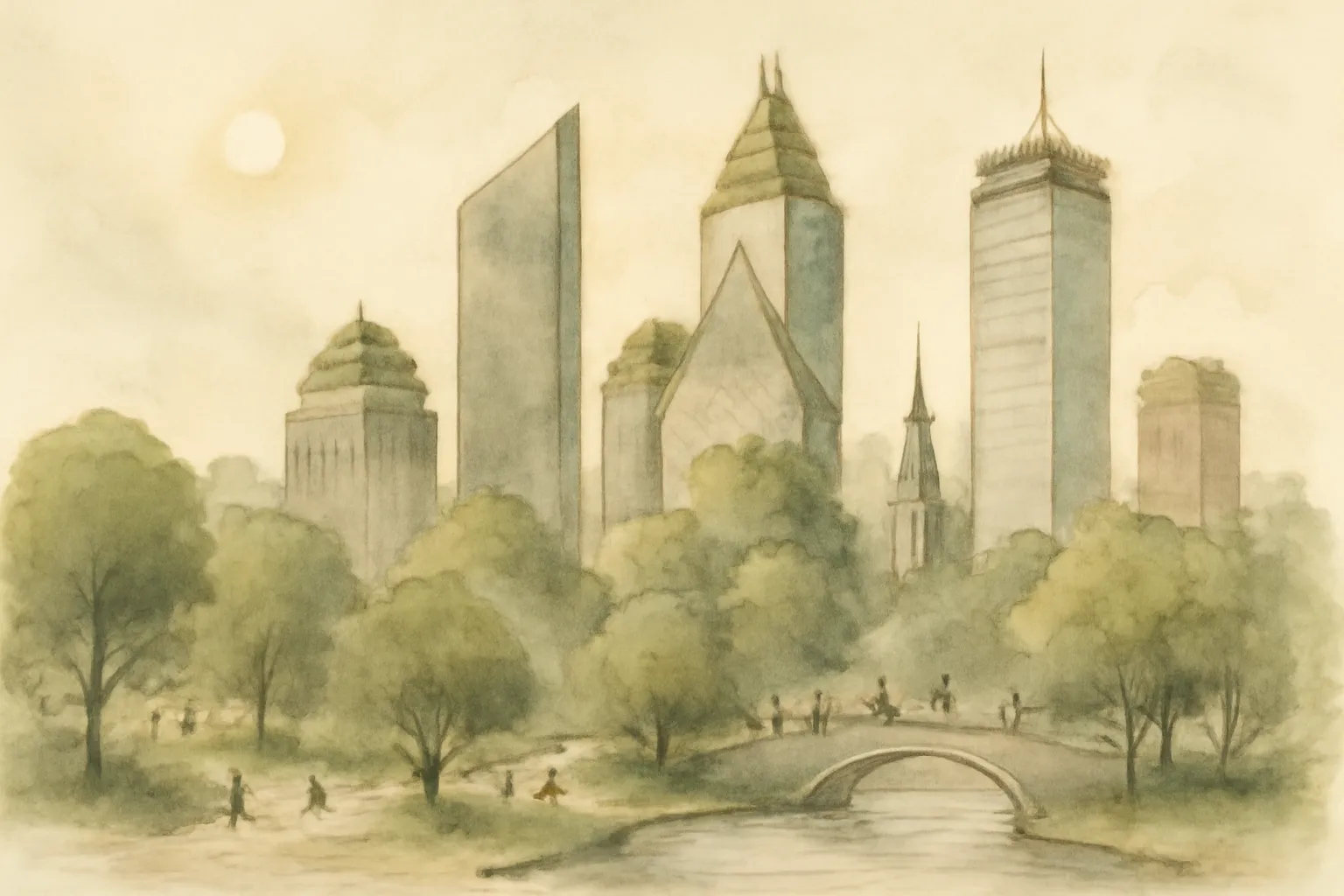
Julian West, the protagonist, awakens in the year 2000 after a century-long slumber, bewildered by the drastic changes in society. Initially, he struggles to comprehend the transformations that have occurred, finding himself in a Boston that is unrecognizable. The disparities that marked his previous life—a world of wealth and poverty, labor strikes, and social unrest—have been replaced by a system that emphasizes equality and cooperation. His journey begins with a series of conversations with Dr. Leete, who guides him through this new world, explaining the underlying principles that have led to such a profound societal shift. This awakening serves as a metaphor for the potential of humanity to evolve and adapt, highlighting the importance of envisioning a better future.
2.Critique of 19th Century Capitalism
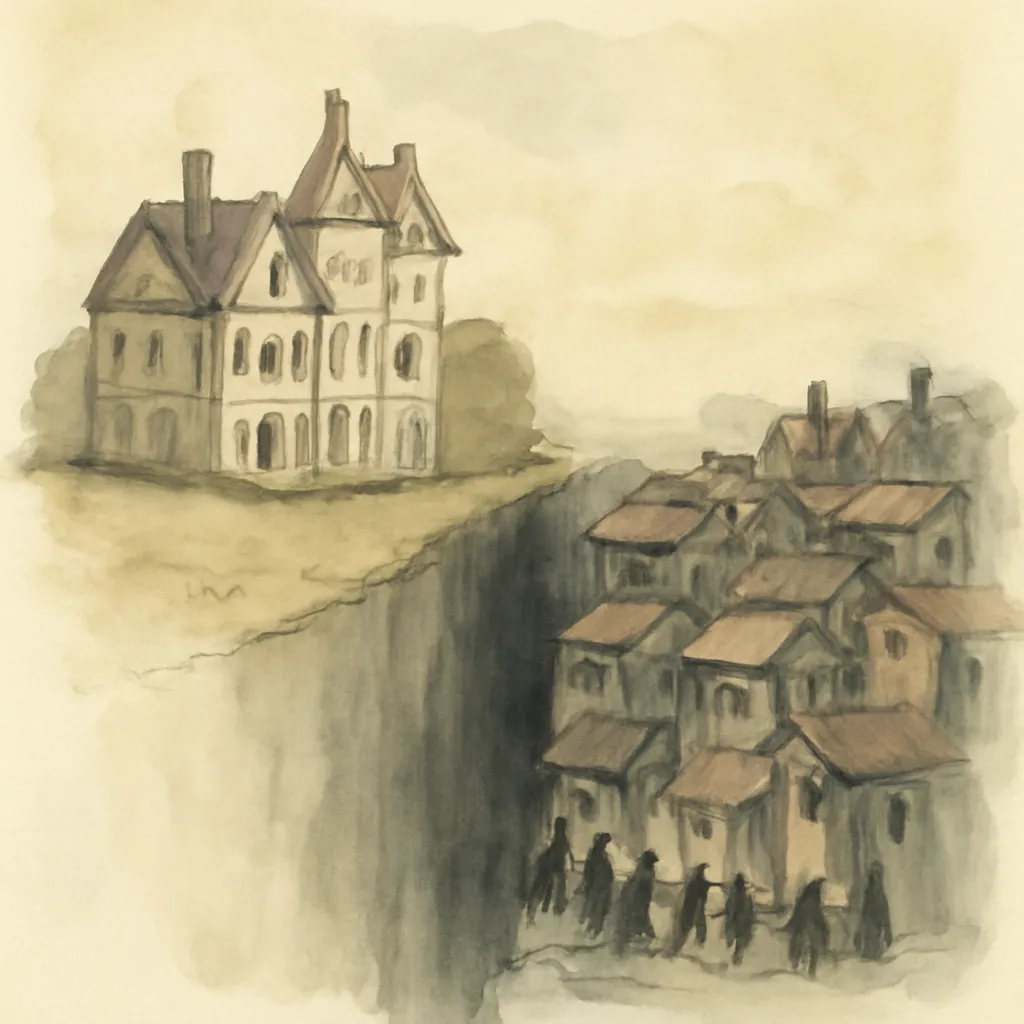
Bellamy's narrative serves as a scathing critique of the capitalist system pervasive in the 19th century, which he argues is inherently flawed and unjust. In West's original time, society is divided into stark classes, with the wealthy living in luxury while the working class suffers in poverty. Labor strikes and social unrest are common as workers fight for their rights amidst a system that prioritizes profit over people. The plight of the laborers is highlighted through Julian's initial frustrations with strikes delaying his construction project, which symbolizes the larger systemic issues of exploitation and inequality. This critique is not merely a condemnation but a call to action, urging readers to consider the consequences of unchecked capitalism and the moral imperative to seek an alternative.
3.A Cooperative Society
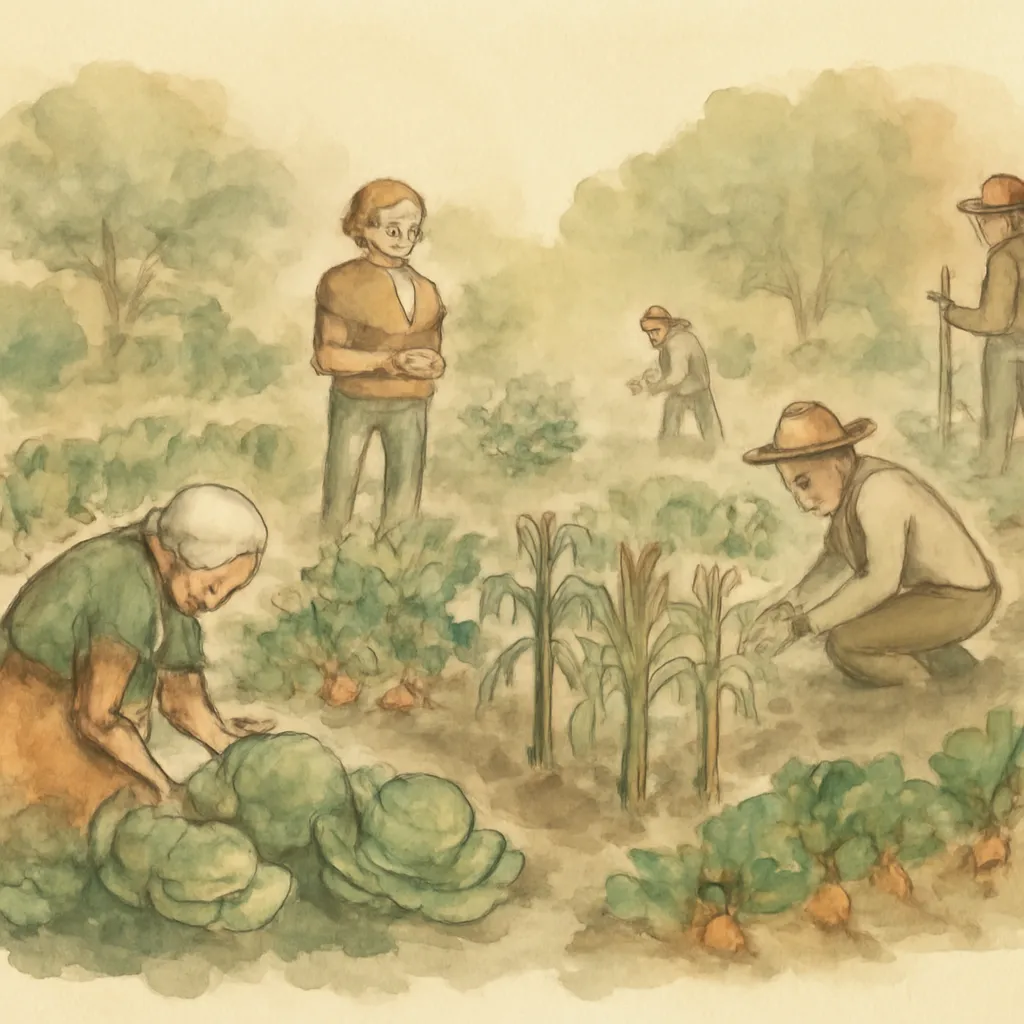
In the year 2000, Bellamy envisions a society that operates on the principles of cooperation rather than competition. The government has taken on a central role in managing industries, ensuring that every citizen's needs are met without the chaos of market fluctuations. Dr. Leete explains that the industrial army is organized not by corporate interests but by the state, which directs labor to ensure efficiency and eliminate waste. This radical restructuring allows for a planned economy where resources are distributed according to need rather than profit. The concept of work shifts from a means of survival to a civic duty, where individuals contribute to the common good, fostering a sense of community and shared purpose. This cooperative model challenges the individualistic ethos of West's time, suggesting that true progress lies in our ability to work together for the benefit of all.
4.The Role of Government in Economic Planning
In Bellamy's envisioned future, the government plays a pivotal role in economic planning, which is a departure from the laissez-faire attitudes of the 19th century. Dr. Leete articulates that the functions of government extend beyond maintaining order to actively ensuring the welfare of its citizens. The absence of war and poverty is a testament to the effectiveness of this governmental approach. Instead of viewing government as a hindrance, the citizens of the 20th century see it as an essential facilitator of social and economic well-being. This shift in perspective prompts readers to reconsider the role of government in their own lives and the potential benefits of a more engaged and responsible state apparatus. The narrative encourages a dialogue about the responsibilities of government in creating equitable societies.
5.The Elimination of Money and Trade
One of the most radical aspects of Bellamy's future society is the elimination of money and traditional trade. Dr. Leete explains that the need for currency has been rendered obsolete due to the efficient distribution of goods and services. Instead of purchasing items, citizens receive what they need as a right of citizenship, which eliminates the inequalities associated with wealth and poverty. This system encourages a focus on production and fulfillment of needs rather than profit-driven motives. The idea challenges the very foundation of economic theory prevalent in Julian's time, suggesting that true abundance can be achieved through cooperation and shared resources. This radical reimagining of commerce invites readers to ponder the implications of a moneyless society and the potential for a more equitable distribution of resources.
6.Education and Personal Development
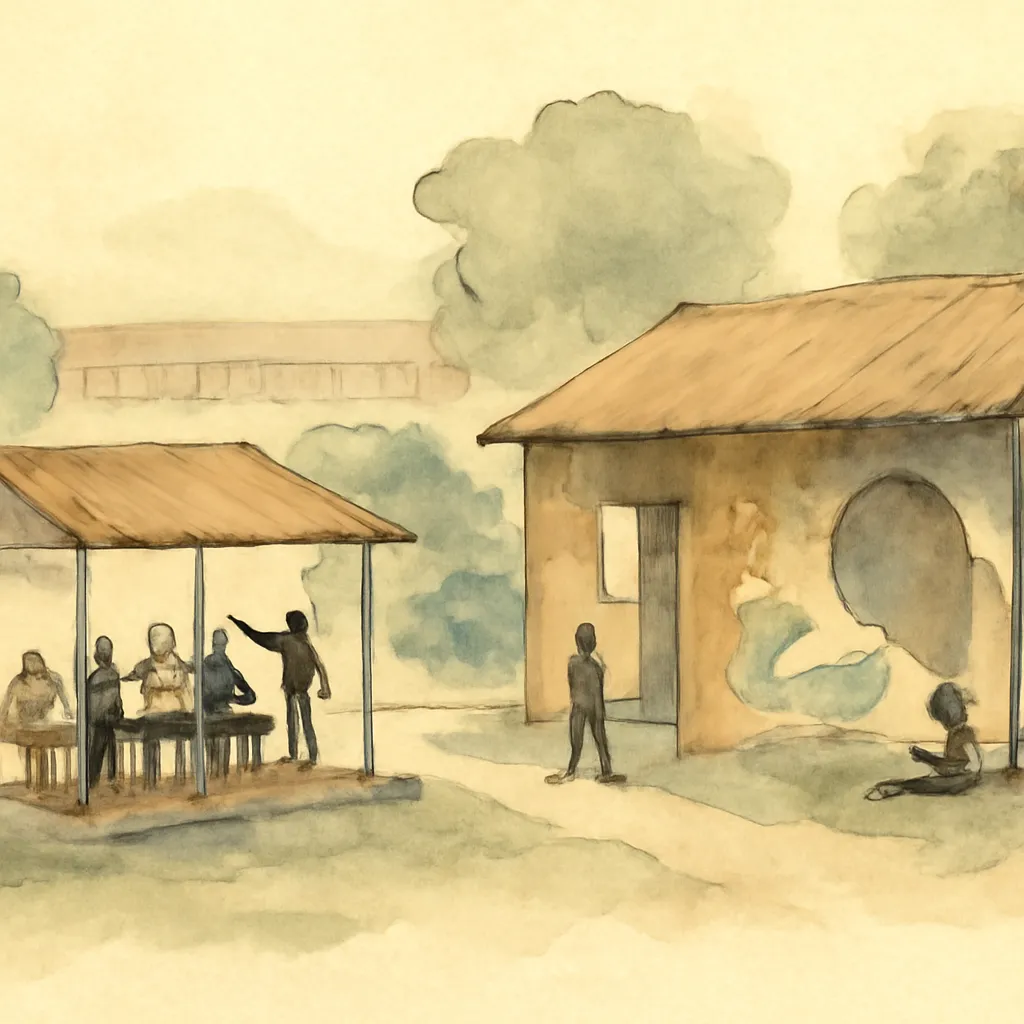
In the society of the 20th century, education is universally accessible and tailored to ensure that all individuals can pursue their interests and aptitudes. Dr. Leete emphasizes the importance of a comprehensive education system that nurtures both intellectual and practical skills. Unlike the 19th century, where education was often a privilege of the wealthy, the new system democratizes knowledge, allowing everyone equal opportunities to develop their talents. This approach not only supports economic productivity but also enhances personal satisfaction and fulfillment. By focusing on aptitudes and interests, the society cultivates a workforce that is both skilled and motivated, illustrating the connection between education, personal growth, and societal advancement. This idea resonates with contemporary discussions about the need for reform in educational systems to better serve all students.
7.The Transformation of Labor
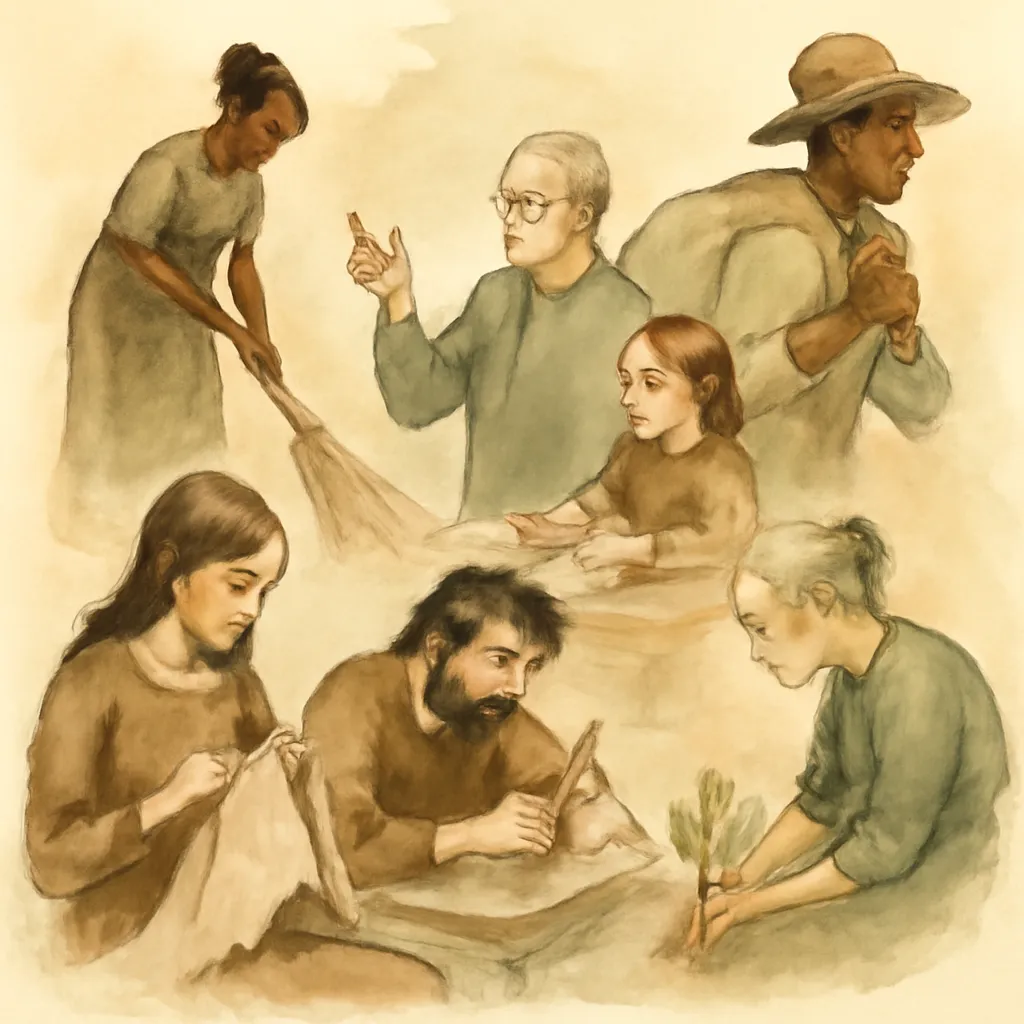
Labor in the year 2000 is viewed as a civic duty rather than a means of survival, fundamentally transforming the relationship between individuals and work. Dr. Leete explains that every citizen is required to serve the nation through work, but the nature of that work is aligned with personal interests and natural aptitudes. This system eliminates the drudgery associated with labor in the 19th century, allowing individuals to find satisfaction in their contributions to society. The organization of labor encourages collaboration and fosters a sense of community, as citizens work together towards common goals. By removing the fear of unemployment and poverty, the society empowers individuals to pursue their passions while fulfilling their responsibilities. This transformation of labor challenges readers to rethink their own relationship with work and the potential for a more fulfilling and meaningful professional life.
8.Cultural and Artistic Flourishing
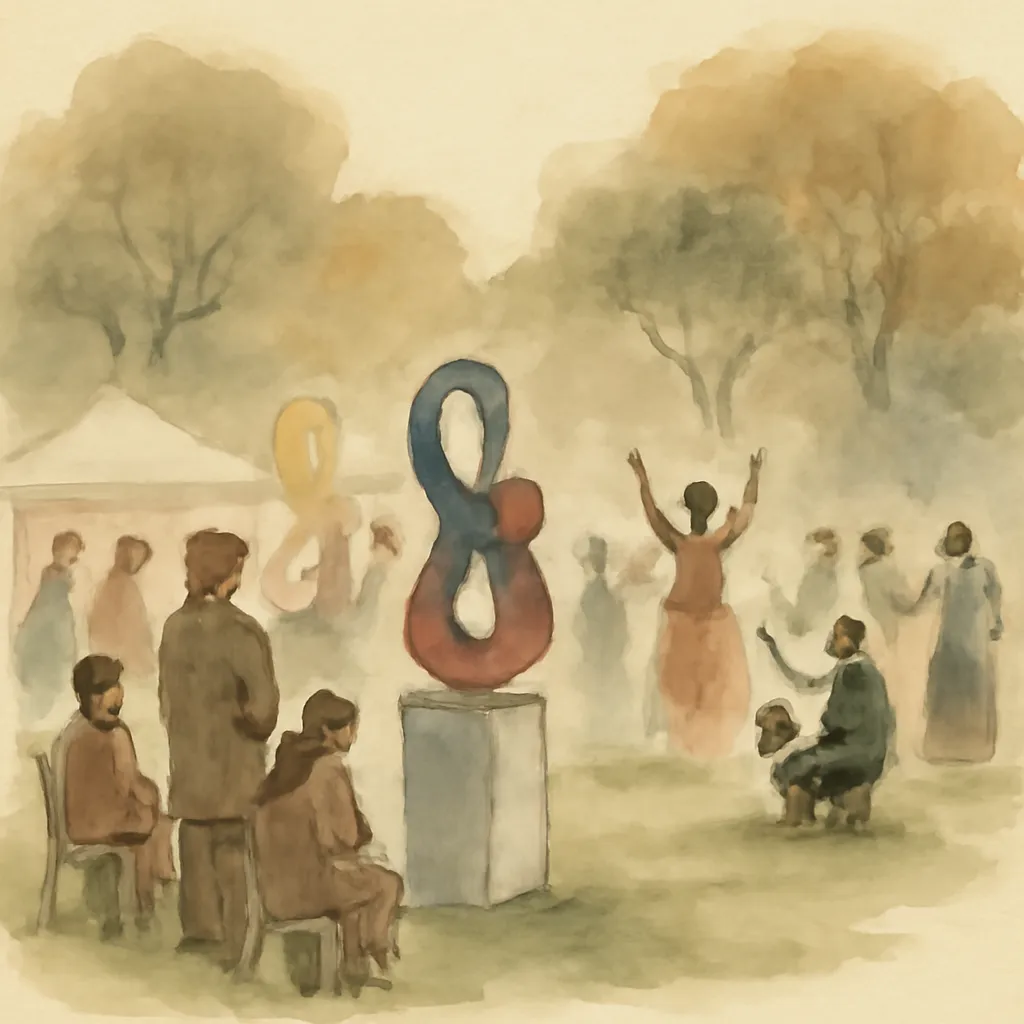
Bellamy posits that the societal changes of the 20th century have led to a cultural renaissance, where art and creativity thrive in an environment free from economic constraints. Dr. Leete highlights the abundance of artistic expression and intellectual pursuits, suggesting that when basic needs are met, individuals can dedicate themselves to higher pursuits. The emphasis on culture and the arts reflects the belief that a fulfilling life encompasses more than material wealth; it requires intellectual and emotional enrichment. This flourishing of culture serves as a powerful counterpoint to the struggles of the 19th century, where creativity was often stifled by economic pressures. By envisioning a society that values art and intellect, Bellamy encourages readers to consider the importance of cultural development in fostering a well-rounded and vibrant community.
9.The Legacy of Bellamy's Vision
The ideas presented in 'Looking Backward' have had a lasting impact on social thought and reform movements throughout history. Bellamy's vision of a cooperative society has inspired various political ideologies, including socialism and progressivism, as well as contemporary discussions about economic inequality and social justice. His portrayal of a future where cooperation and equality replace competition resonates with ongoing debates about the role of government, the nature of work, and the distribution of resources. Bellamy's work serves as a reminder of the potential for societal transformation and the importance of envisioning a better future. This legacy prompts readers to reflect on their own societal structures and the possibilities for meaningful change in their lives and communities.