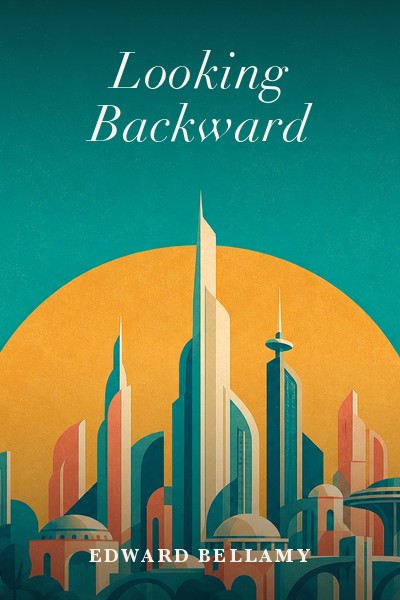
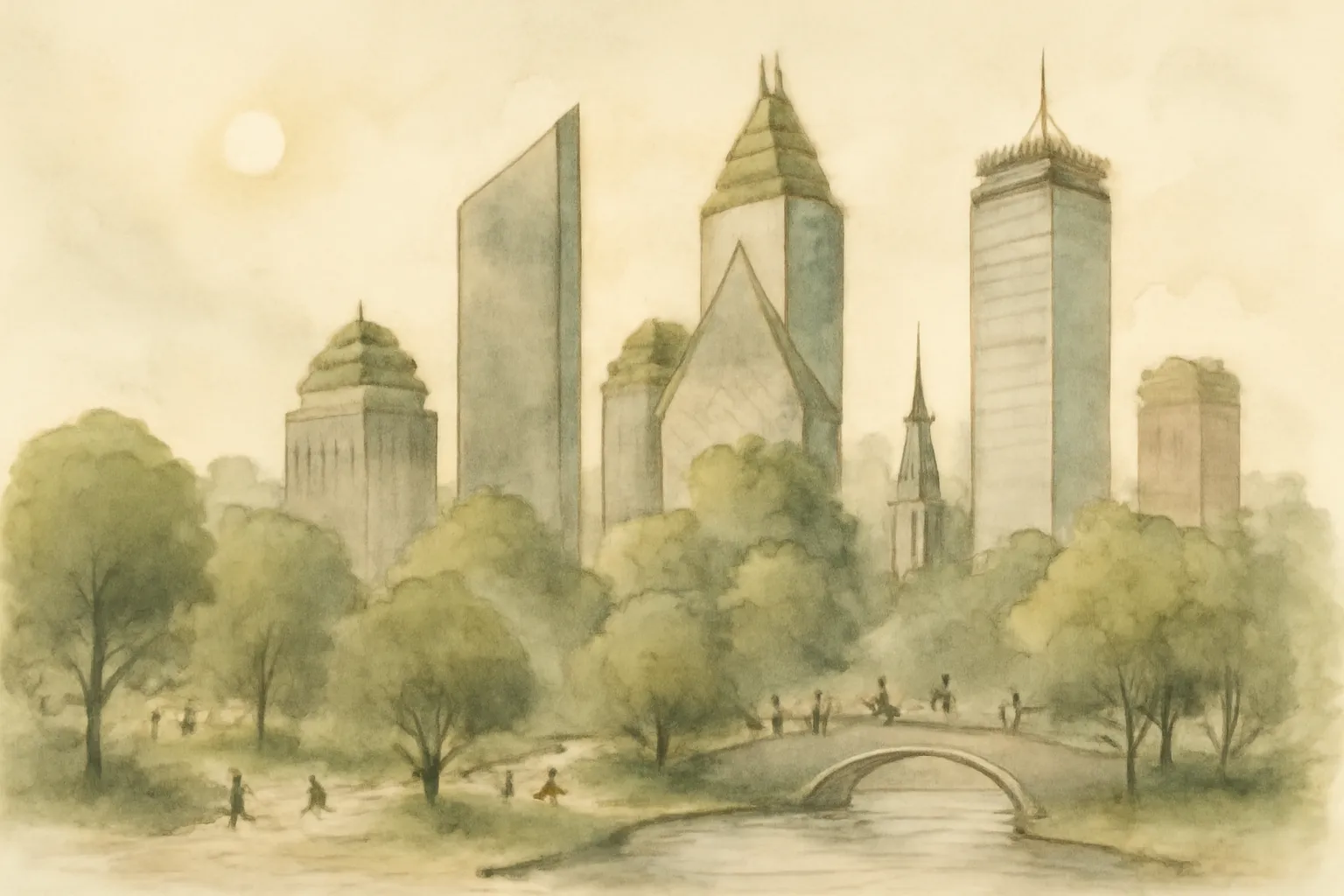
In 'Looking Backward,' Edward Bellamy transports readers from the tumultuous late 19th century into a utopian future of 2000, revealing a society that has overcome the social and economic injustices of his time. Through the eyes of Julian West, a wealthy Bostonian who falls into a deep sleep and awakens a century later, we explore the radical changes that have reshaped life, work, and community. Bellamy's narrative not only critiques the failings of capitalism but also presents an inspiring alternative rooted in collective well-being and shared resources. Readers will gain insight into how the principles of equality and cooperation can create a harmonious society, challenging them to envision a future that prioritizes human dignity over profit. This thought-provoking work invites reflection on our current societal structures and the possibilities for meaningful change.
Edward Bellamy's 'Looking Backward' offers a compelling vision of a future where social and economic injustices are eradicated through cooperation, equality, and a reimagined role for government. By illustrating the profound changes that can occur when society prioritizes the well-being of all its citizens, Bellamy challenges readers to reflect on the flaws of their own systems and the potential for transformative change. The ideas presented in this narrative remain relevant today, encouraging us to envision a world where human dignity is paramount and where the collective good is the guiding principle for progress. Ultimately, 'Looking Backward' serves as both a critique of the past and a hopeful blueprint for a more just and equitable future.