1.The Illusion of Control
Vasili Andreevich epitomizes the illusion of control that wealth and status can create. His obsession with acquiring the Goryachkin grove reflects a mindset focused solely on profit and competition. In his haste, he underestimates the power of nature, believing his status as a merchant grants him dominion over both the land and his laborers. However, as the winter storm rages, it becomes evident that his wealth does not shield him from the elemental forces at play. This serves as a broader commentary on the human tendency to overestimate our control over external circumstances, revealing the vulnerability that lies beneath the surface of social status. The grove deal that drives the plot is a small transaction, yet it becomes the excuse for a journey that will cost far more than any profit Vasili imagined.
2.Class Disparity and Human Dignity
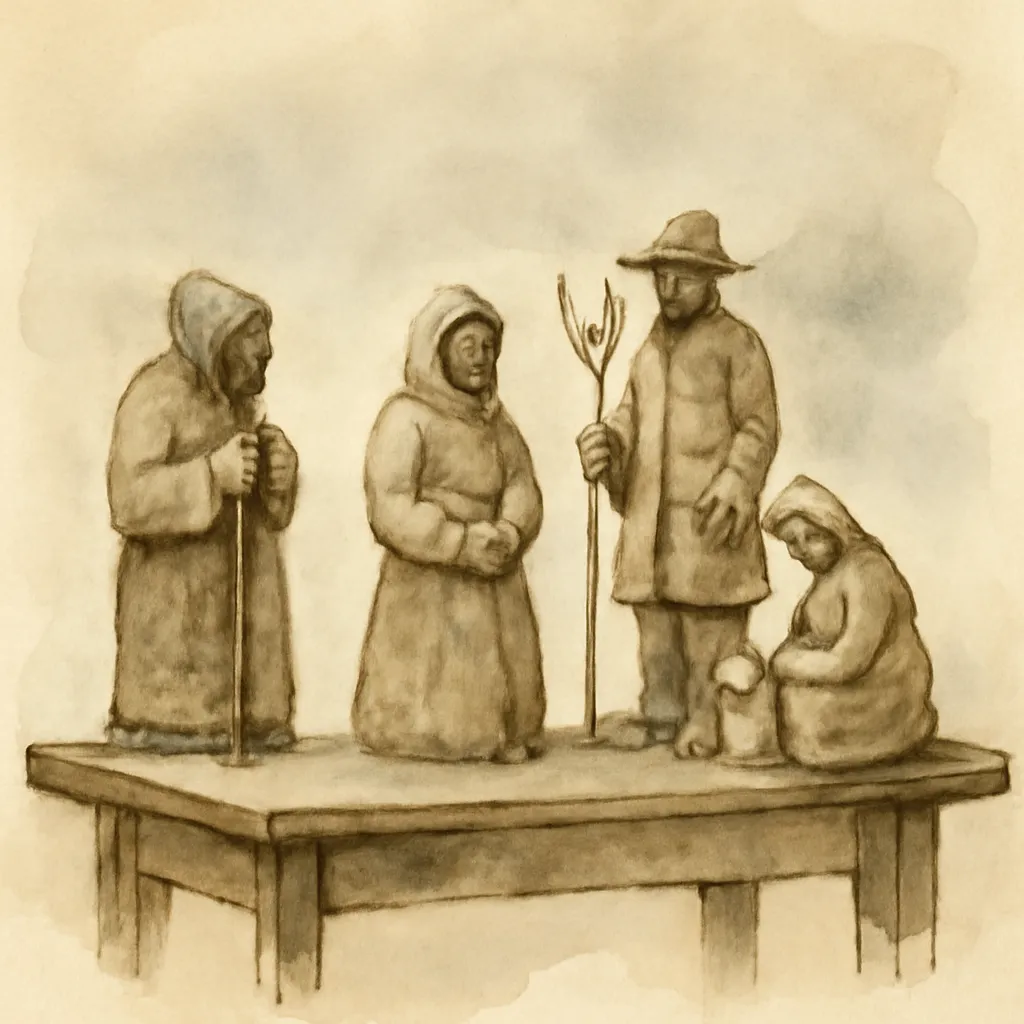
The contrasting characters of Vasili Andreevich and Nikita highlight the stark class disparity of the time. Vasili, a wealthy merchant, embodies arrogance and entitlement, while Nikita, a humble laborer, demonstrates resilience and a deep sense of dignity. Despite his lower social status, Nikita's kindness and practical wisdom shine through, especially when he remains sober and focused during the festivities. His character challenges the stereotype of the 'drunken peasant' and emphasizes the idea that true worth is not determined by wealth or position but by one's actions and moral compass. This dynamic invites readers to reconsider their perceptions of class and the inherent value of every individual.
3.The Transformative Power of Adversity
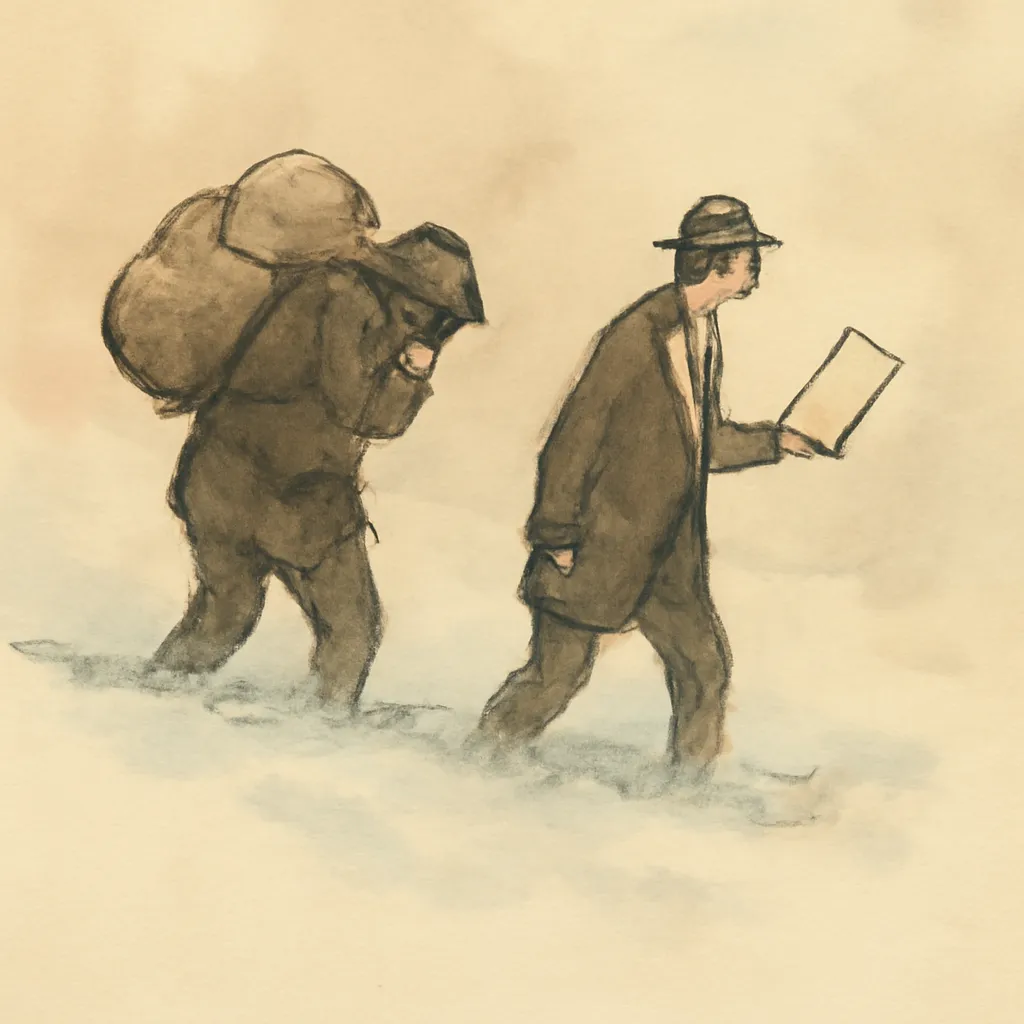
As Vasili and Nikita navigate the treacherous journey through the snow, they are forced to confront their own flaws and limitations. The adversity they face acts as a catalyst for transformation, stripping away the layers of societal expectations and revealing their true selves. Vasili's arrogance gives way to fear and desperation, while Nikita's patience and humility offer a contrasting strength. This journey underscores the idea that hardship can lead to profound personal growth and insight. In moments of crisis, the superficial distinctions between master and servant blur, allowing for a deeper understanding of each character's humanity.
4.The Role of Nature in Human Existence
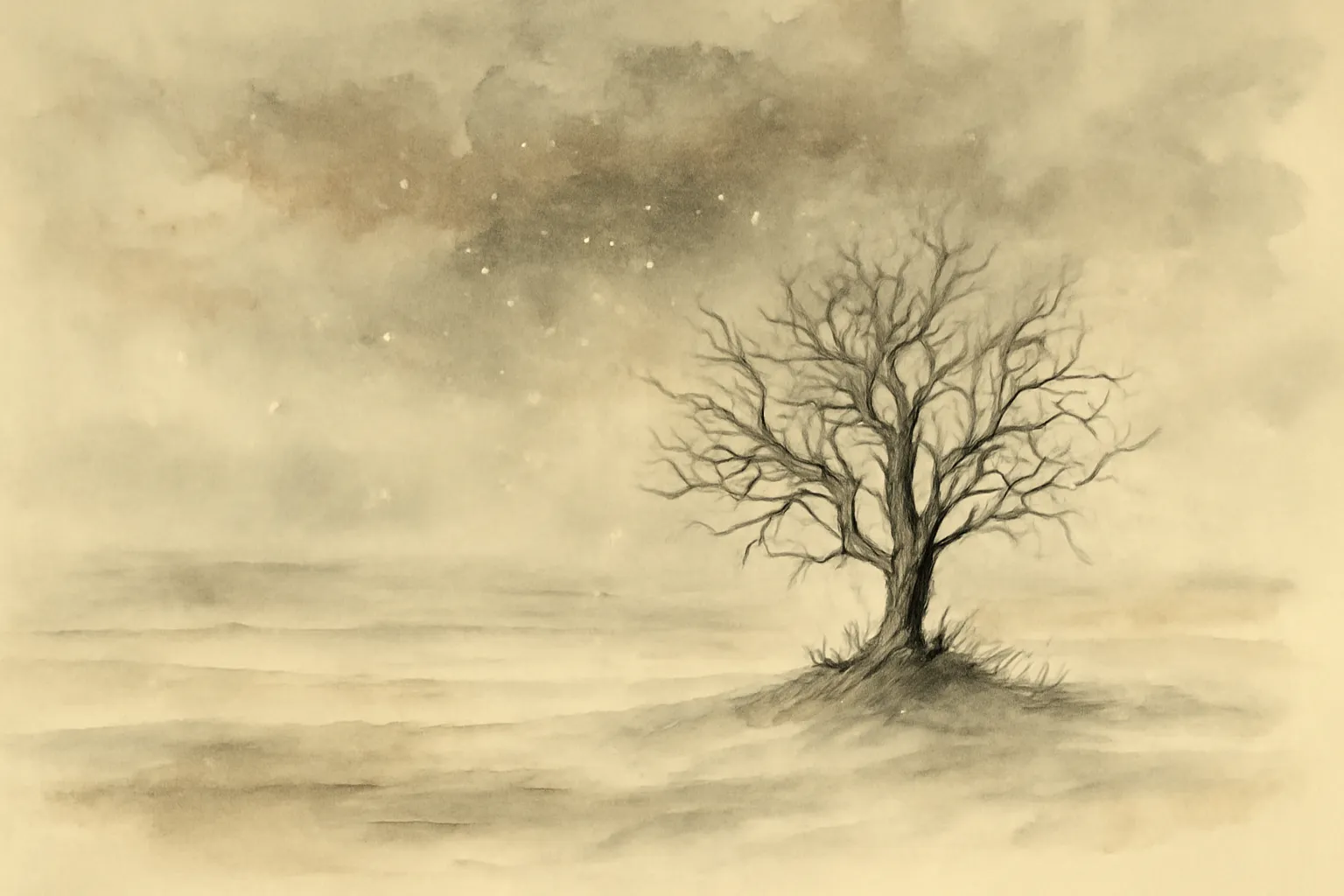
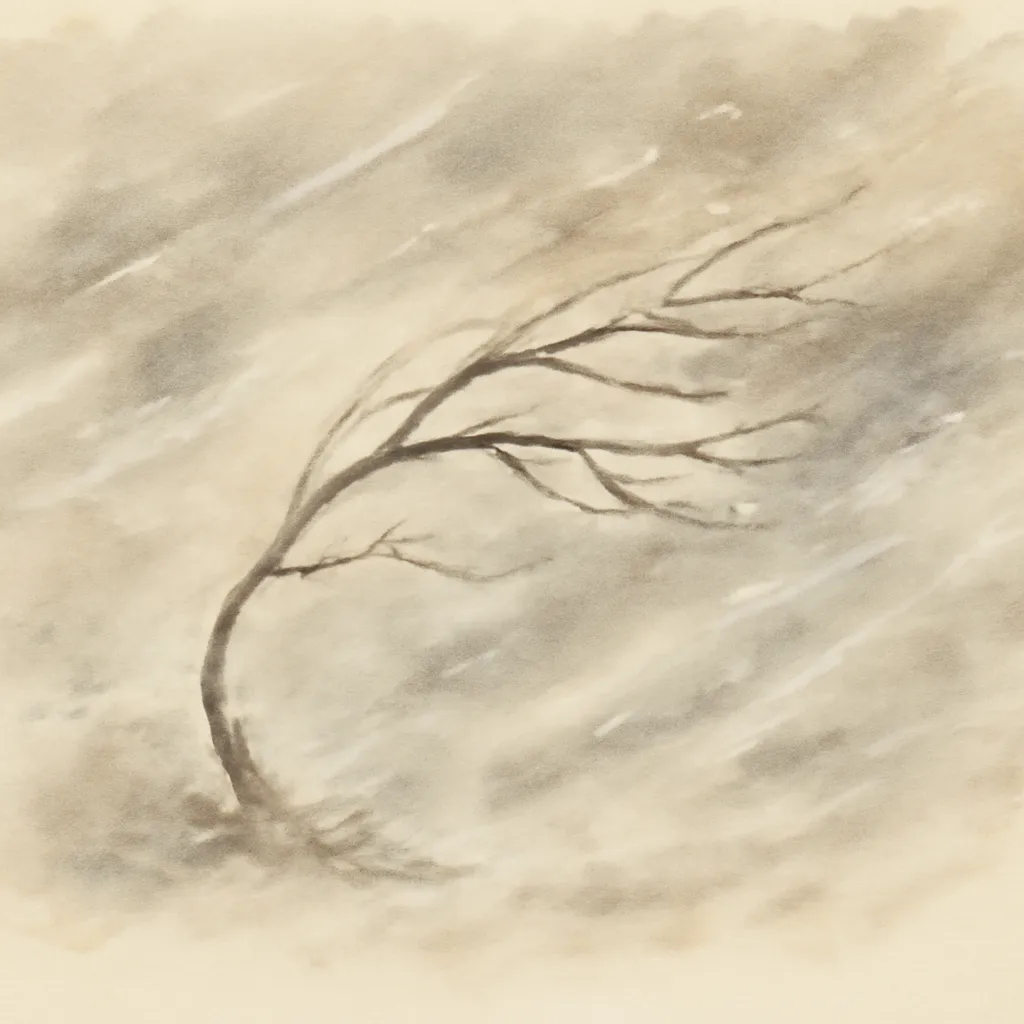
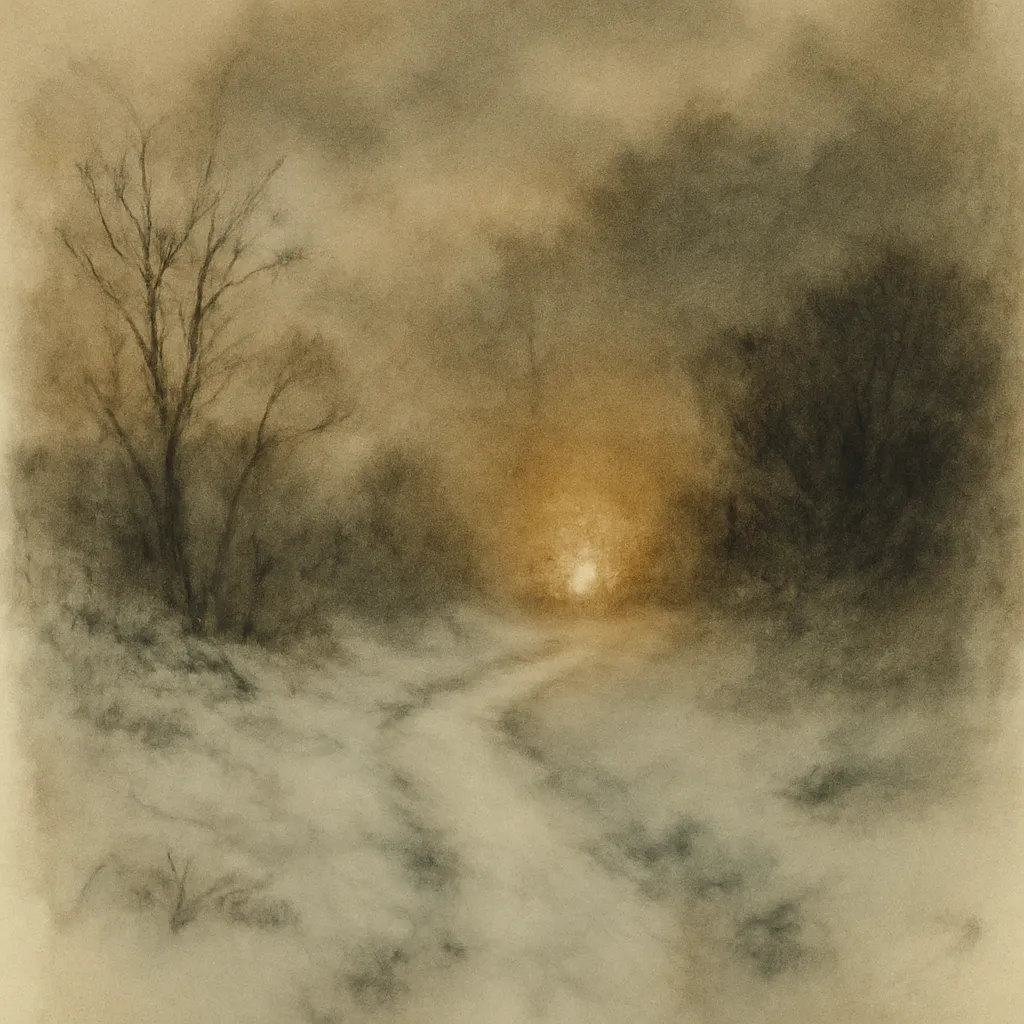
The relentless winter storm serves as a powerful symbol throughout the narrative, representing both the beauty and brutality of nature. As Vasili and Nikita struggle against the elements, the harshness of the environment forces them to confront their vulnerabilities and mortality. Tolstoy paints a vivid picture of the snow-covered landscape, illustrating how nature can both nurture and destroy. This duality reflects the broader theme of humanity's relationship with the natural world, reminding readers that despite our advancements and achievements, we remain at the mercy of nature's whims. The storm becomes a character in its own right, shaping the fate of the protagonists and illuminating the fragility of human life.
5.Conscience and Redemption
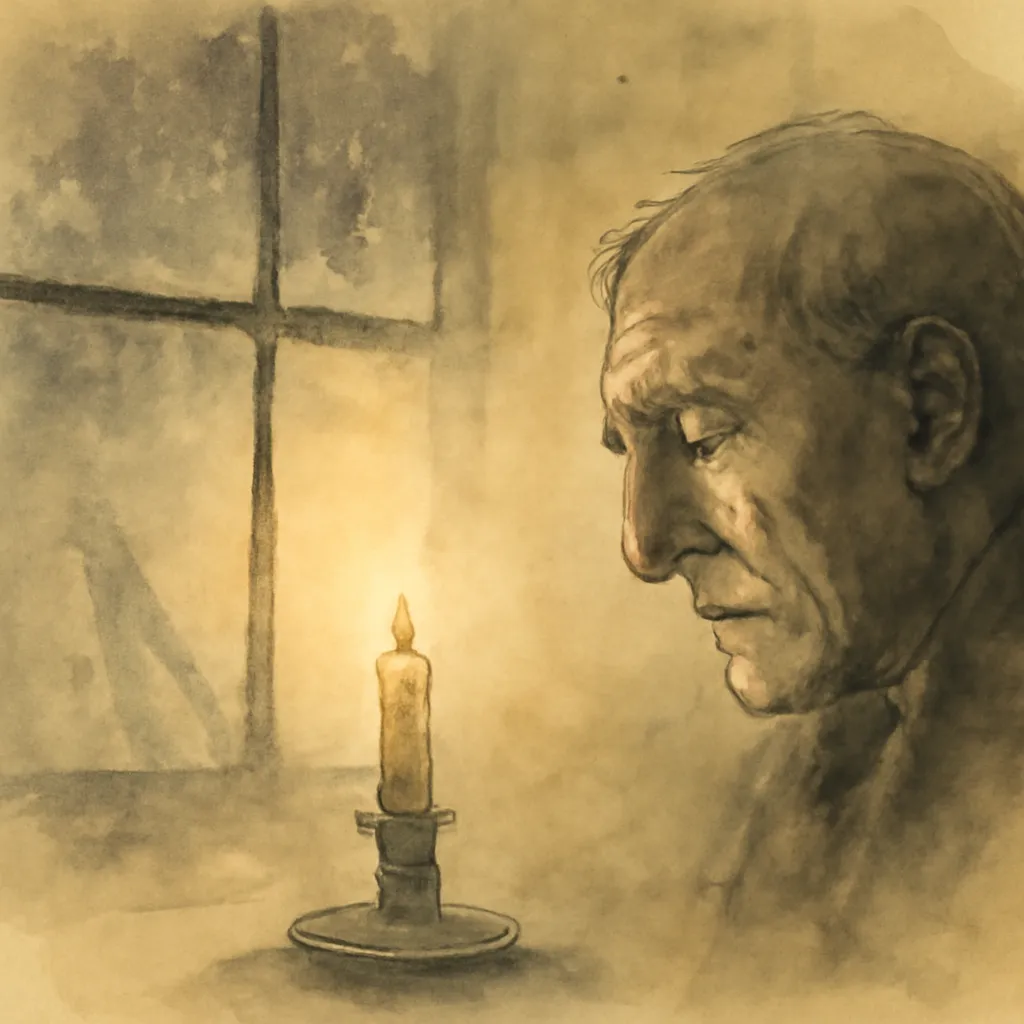
As the night wears on and the cold begins to take its toll, Vasili's thoughts turn inward, leading him to reflect on his life choices and moral failures. His initial self-centeredness is challenged as he witnesses Nikita's selflessness and concern for others, even in the face of his own impending death. This moral reckoning highlights the theme of conscience and the possibility of redemption. Vasili's internal struggle reveals that it is never too late to change one's perspective and seek forgiveness. The narrative suggests that true redemption comes not from wealth or status but from understanding and compassion towards others, particularly those who serve us.
6.The Fragility of Life
Tolstoy masterfully explores the fragility of life through the perilous circumstances faced by Vasili and Nikita. As they become trapped in the snow, the reality of their mortality looms large, forcing both characters to confront their fears. For Vasili, the impending threat of death catalyzes a shift in his priorities, compelling him to reconsider what truly matters. Nikita's acceptance of his fate contrasts with Vasili's initial panic, illustrating different responses to the inevitability of death. This theme resonates universally, prompting readers to reflect on their own lives and the transient nature of existence. In the end, Tolstoy suggests that acknowledging our mortality can lead to a deeper appreciation of life and the connections we share.
7.Empathy and Human Connection
The evolving relationship between Vasili and Nikita serves as a poignant exploration of empathy and human connection. Initially, Vasili views Nikita merely as a tool for his ambitions, but as the journey unfolds, he begins to see him as a fellow human being. The dire circumstances force Vasili to recognize Nikita's humanity, leading to moments of genuine concern and camaraderie. This transformation highlights the idea that adversity can foster empathy, breaking down social barriers and fostering understanding. Tolstoy's narrative suggests that true human connection transcends class distinctions, revealing the shared vulnerabilities that unite us all.
8.The Influence of Tradition and Culture
Tolstoy weaves the influence of tradition and culture throughout the story, particularly in the context of the Russian peasant lifestyle. The interactions between Vasili, Nikita, and the villagers reflect the customs and values of their society, illustrating how these traditions shape their identities. The communal aspects of village life, such as sharing food and drink, bring warmth and connection amid the harsh winter. However, the story also critiques the rigidity of societal expectations, as seen in Vasili's relentless pursuit of profit at the expense of human relationships. This dual exploration of tradition serves to highlight the complexities of cultural identity and the tensions between individual desires and communal responsibilities.
9.The Search for Meaning
Throughout 'Master and Man,' Tolstoy poses profound questions about the search for meaning in life. As Vasili grapples with his impending death, he is forced to confront the legacy he will leave behind. His material pursuits and social standing fade into insignificance in the face of mortality. In contrast, Nikita's reflections on his life reveal a deeper sense of purpose rooted in love, connection, and acceptance. The narrative encourages readers to consider what truly constitutes a meaningful life, suggesting that fulfillment comes not from wealth or status but from authentic relationships and acts of kindness. This exploration invites introspection and a reevaluation of personal values.
10.The Intersection of Life and Death
The climactic moments of the story culminate in a profound intersection of life and death, as both Vasili and Nikita confront their fates. The stark reality of their situation prompts a reevaluation of their existence, leading to a shared understanding of their humanity. Nikita's acceptance of death becomes a quiet act of courage, while Vasili's struggle against despair reflects the human instinct to cling to life. This tension between life and death underscores the fragility of existence and the choices that shape our legacies. Tolstoy's poignant depiction of this intersection serves as a reminder that every moment is precious and that our actions resonate far beyond our immediate circumstances.