1.The Hill of the Muses as a Symbol of Escape
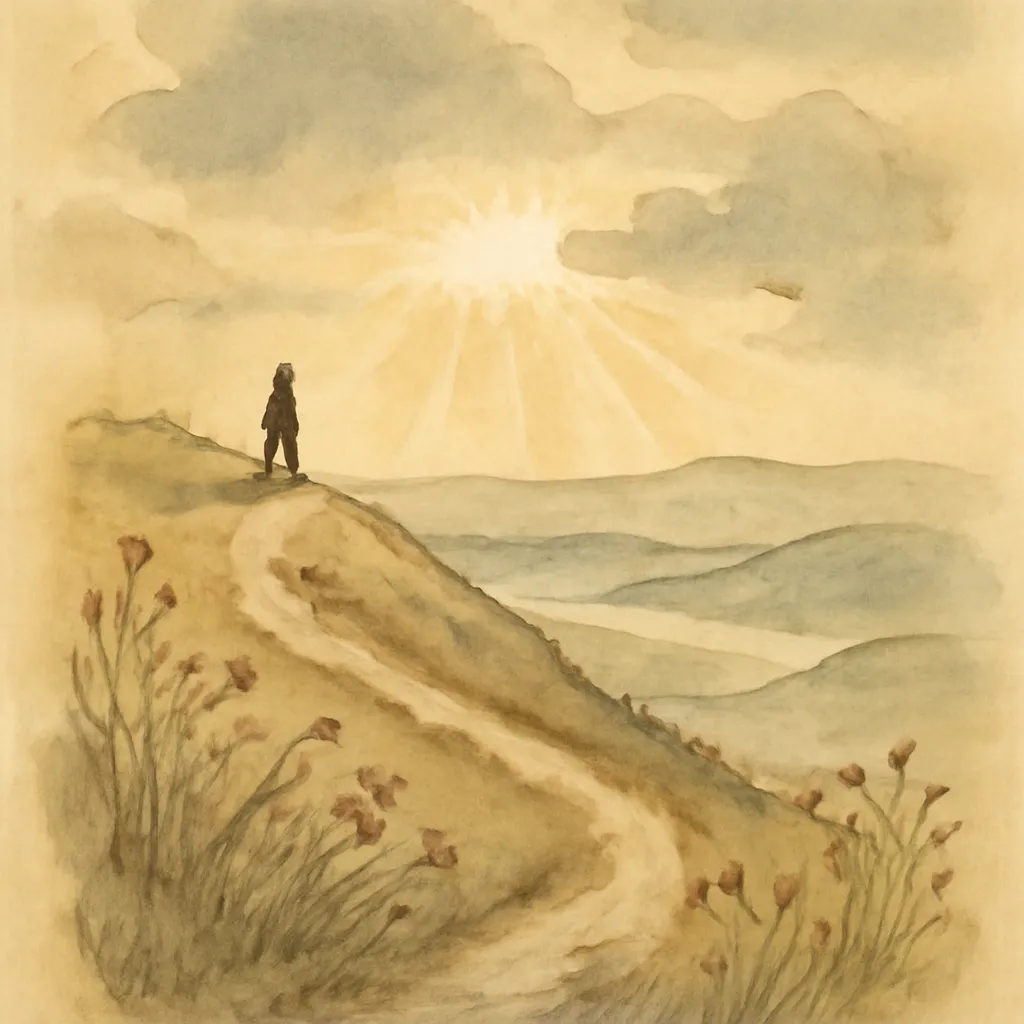
The Hill of the Muses serves as a critical symbol in Rosemary's life, representing both a physical and metaphorical escape from her mundane existence. When Rosemary ascends the hill, she finds solace in nature, feeling the crisp air invigorate her spirit and offering her a perspective on her life that is often obscured by the daily grind in the valley below. This retreat into solitude allows her to contemplate her circumstances and aspirations, realizing that true freedom lies in her ability to choose her own path. The hill represents a place where she can dream, detached from the 'iron bars of circumstance' that confine her, thus highlighting the novel's overarching theme of the quest for personal liberation amidst societal expectations. The hill's beauty and quietude provide Rosemary with the clarity she needs, allowing her to confront her emotions and desires away from the noise of her family's expectations.
2.Family Dynamics: The Weight of Expectation
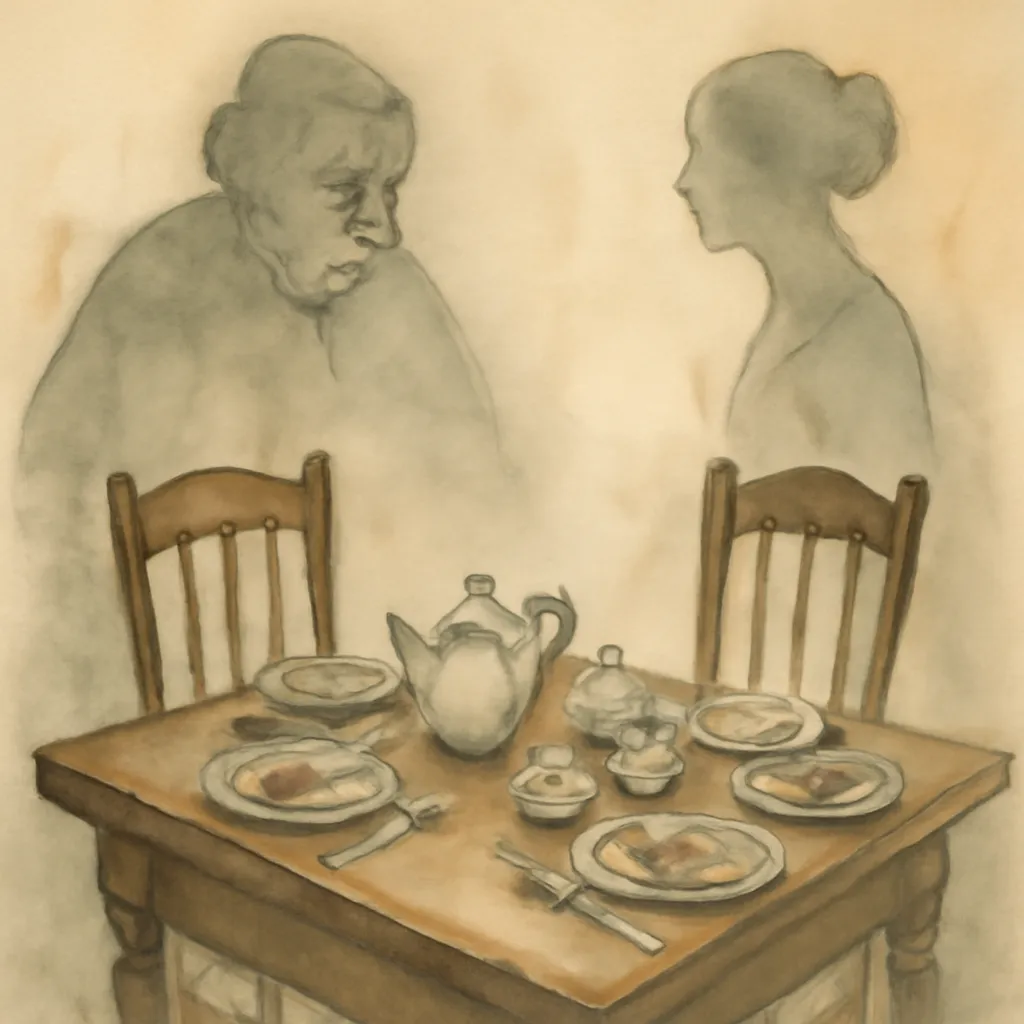
The interactions between Rosemary, Grandmother Starr, and Aunt Matilda reveal the oppressive weight of familial expectations that Rosemary grapples with throughout the novel. Grandmother, with her sharp tongue and unyielding demeanor, embodies the traditional values and rigid expectations that Rosemary feels suffocated by. Aunt Matilda, while less harsh, also represents the constraints of Rosemary’s life, as she constantly reminds her of her duties and responsibilities. These dynamics create an environment where Rosemary feels she must choose between her own desires and the obligations imposed upon her by her family. The tension within the household emphasizes the struggle many face when trying to assert their individuality against the backdrop of familial loyalty and societal norms. The constant nagging from her grandmother and the passive resistance of Aunt Matilda create a suffocating atmosphere that stifles Rosemary's aspirations, making her long for the freedom and independence that the hill symbolizes.
3.The Transformative Power of Nature

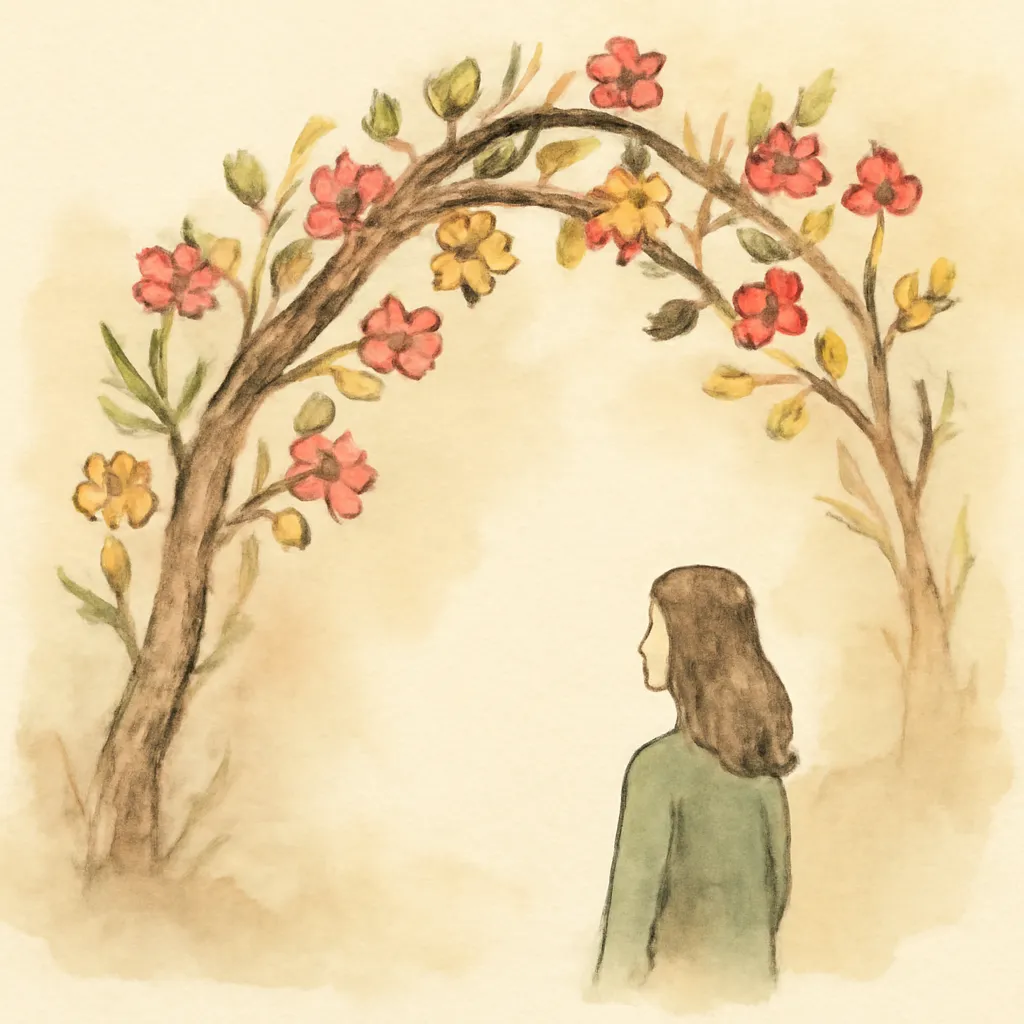
Nature plays a pivotal role in 'Master of the Vineyard,' acting as a catalyst for Rosemary's personal growth and self-discovery. The changing seasons mirror her emotional journey, with the arrival of spring symbolizing renewal and hope. As she observes the river stirring beneath the melting ice and the rebirth of the vineyard, Rosemary experiences a profound awakening, feeling a 'vague delight' that propels her toward her aspirations. This connection to nature is not merely aesthetic; it serves as a reminder of the beauty and potential that life holds, encouraging Rosemary to seek her own happiness and fulfillment. The vivid descriptions of the vineyard and surrounding landscape invite readers to appreciate the natural world as a source of inspiration and reflection. Reed effectively uses the setting to emphasize the themes of growth and the cyclical nature of life, where the vineyard itself becomes a metaphor for Rosemary’s own journey of personal and emotional cultivation.
4.Love and Longing: The Heart's Yearning

The theme of love and longing permeates the narrative, particularly through Rosemary's relationship with Alden. Their connection is fraught with unspoken tension, underscored by the societal constraints that dictate their lives. Rosemary’s infatuation with Alden serves as a beacon of hope, yet it is complicated by her insecurities and the presence of Edith, Alden's former love. This love triangle showcases the complexities of human emotion, illustrating how love can inspire both joy and heartache. Alden's character embodies the ideal of the passionate, devoted partner, yet his interactions with Edith create a sense of rivalry that deepens Rosemary's internal conflict. The novel poignantly captures the bittersweet nature of love, emphasizing that it often comes with pain and uncertainty. The push and pull of Rosemary's feelings for Alden highlight her internal struggles and desires, making her long for a love that offers her freedom rather than the constraints she feels from her family.
5.The Role of Women: A Reflection on Gender Norms
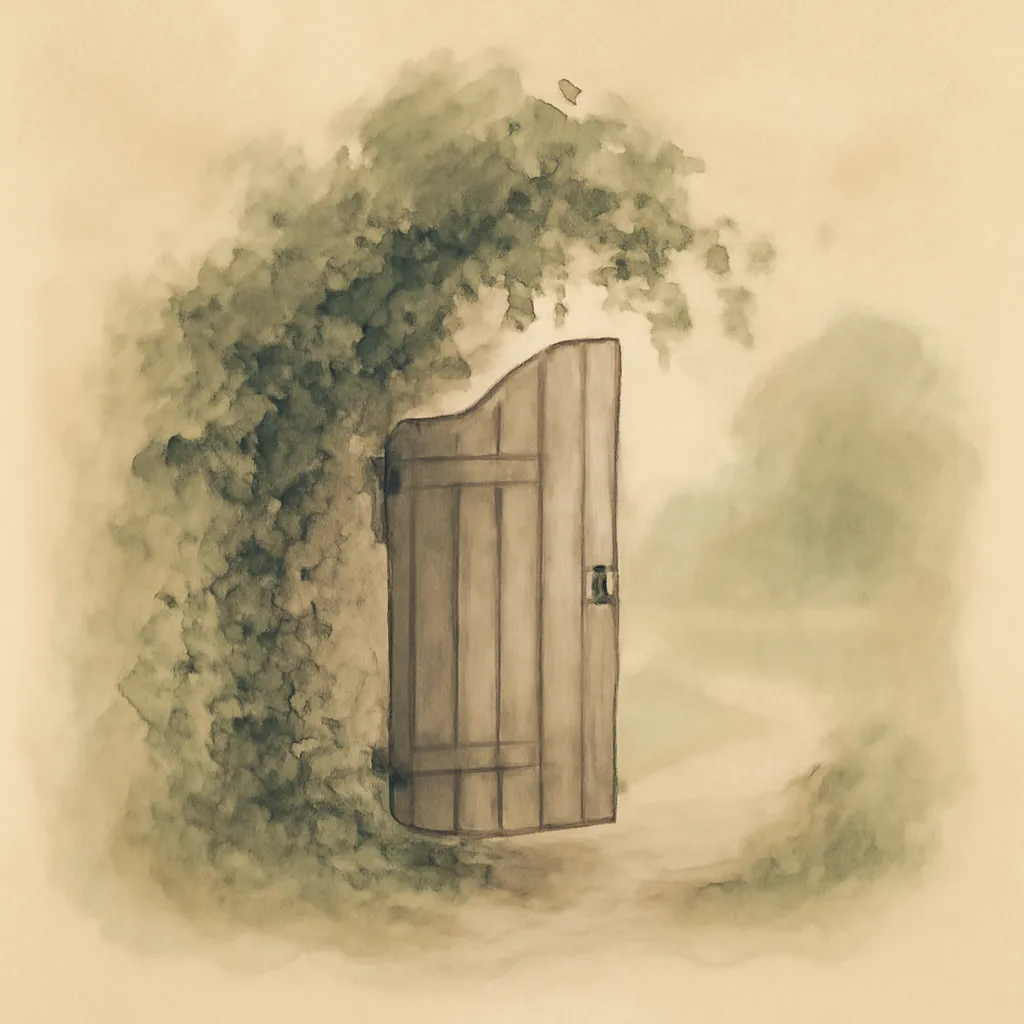
Myrtle Reed's narrative also serves as a critique of the gender norms of the early 20th century, particularly through the characters of Rosemary, Grandmother Starr, and Aunt Matilda. Each woman embodies different aspects of societal expectations regarding femininity and domesticity. Grandmother's adherence to traditional roles and her relentless criticism of Rosemary's choices reflect the constraints placed on women during this period. Conversely, Rosemary's struggle for autonomy and self-expression highlights the emerging desire for independence among women. The novel subtly critiques these norms, suggesting that true fulfillment lies in breaking free from societal expectations and forging one's own identity. Reed's portrayal of women's lives resonates with contemporary discussions about gender roles and the ongoing quest for equality. Through Rosemary's journey, Reed advocates for the idea that women should seek their own paths rather than conforming to the limited roles society has prescribed for them.
6.The Importance of Self-Discovery
Rosemary's journey is ultimately one of self-discovery, as she learns to assert her own desires and carve out a path for herself. The struggles she faces with her family and her feelings for Alden compel her to reflect on her identity and what she truly wants from life. Through her experiences, Rosemary gains clarity about her aspirations, recognizing that she must prioritize her own happiness. This theme resonates with readers, as it speaks to the universal quest for self-identity in a world that often imposes external expectations. The resolution of Rosemary's character arc emphasizes the importance of choosing one's own destiny and the courage it takes to pursue personal fulfillment. The moments of introspection that Rosemary experiences on the Hill of the Muses, where she feels free to dream and reflect, are pivotal in her transformation.
7.The Impact of Memory and the Past
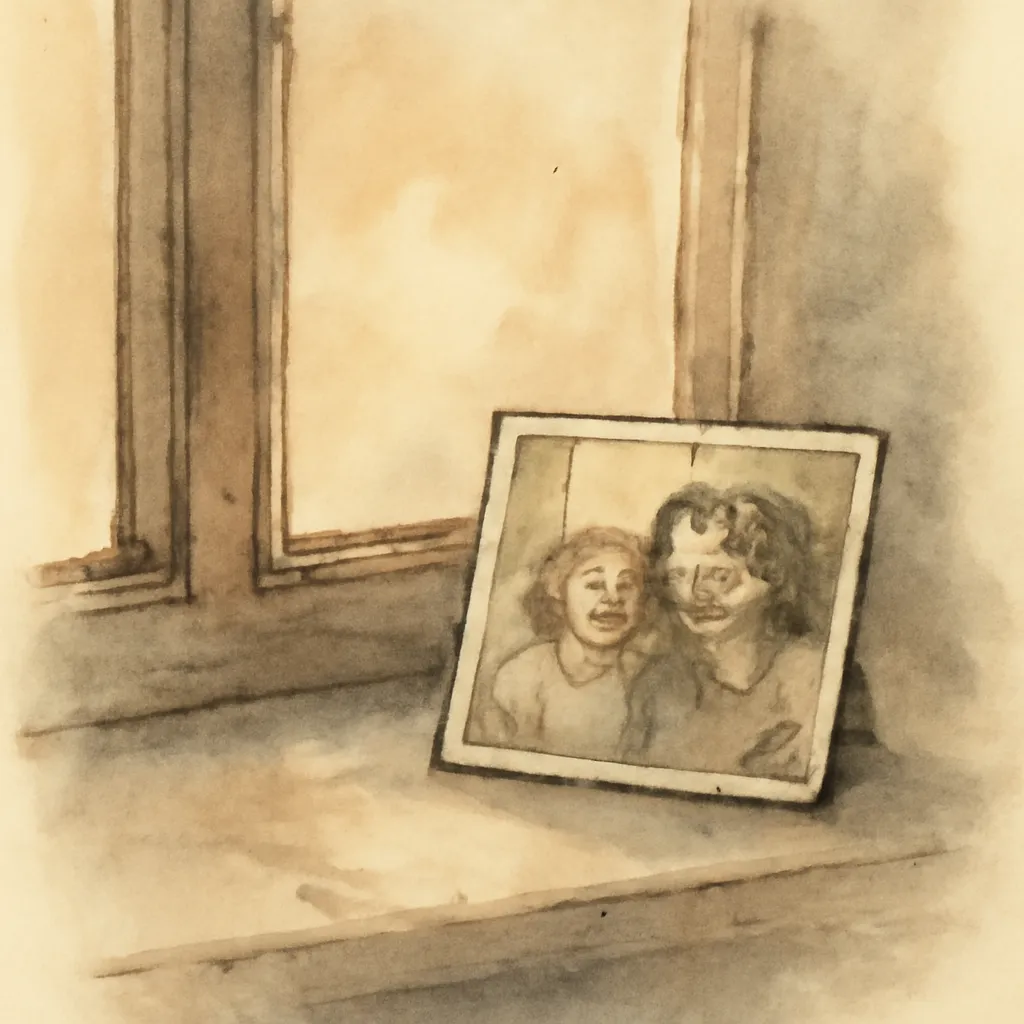
The novel explores how memory and the past shape the characters' present lives, particularly through Rosemary's reflections on her family and her lost opportunities. The weight of her upbringing and the memories of her parents' absence loom large in her consciousness, influencing her decisions and emotional state. These memories are not merely nostalgic; they are formative experiences that define her relationships and her view of the world. Rosemary's struggle to reconcile her past with her present aspirations illustrates the complex interplay between memory and identity. In this way, Reed highlights the importance of understanding one's history in order to move forward and embrace the future. The internal conflicts that arise from her memories serve as a backdrop to her journey, emphasizing how past experiences can impact personal growth and the choices one makes.
8.The Influence of Class and Society
Reed subtly examines the influence of class and societal expectations on the characters' lives, particularly in the context of the Marsh vineyard. The vineyard itself symbolizes both wealth and tradition, but it also imposes a sense of obligation on Alden and Rosemary. Their lives are dictated by the expectations of maintaining family legacy and social status, creating tension between personal desires and societal demands. This dynamic underscores the constraints that class and social standing impose on individual freedom and choices. Reed's narrative encourages readers to consider how societal structures shape personal relationships and aspirations, highlighting the challenges of navigating love and ambition within a rigid social framework. The pressures of upholding family reputation weigh heavily on Alden, who struggles to find a balance between his duties and his personal desires.
9.The Healing Power of Relationships
Throughout 'Master of the Vineyard,' relationships serve as a source of healing and personal growth, particularly for Rosemary. Her interactions with Alden, Madame Marsh, and even her grandmother foster her development and understanding of love. These connections provide her with the support and encouragement needed to confront her fears and insecurities. The bond between Rosemary and Alden, in particular, exemplifies how love can inspire individuals to transcend their limitations and pursue their dreams. Reed illustrates that while relationships can be fraught with challenges, they also possess the power to uplift and transform, serving as a catalyst for personal evolution. As Rosemary navigates her feelings for Alden and her familial relationships, she begins to see the potential for love to enrich her life and propel her toward her aspirations.
10.The Final Resolution: Embracing Love and Life
The resolution of 'Master of the Vineyard' emphasizes the importance of embracing love and life in all its complexities. Rosemary's journey culminates in her acceptance of her feelings for Alden, leading to a transformative moment that redefines her understanding of happiness. The narrative suggests that true fulfillment arises from the courage to pursue love and to let go of past grievances. This message resonates deeply, as it reflects the universal human experience of seeking connection and purpose. Reed's portrayal of Rosemary's journey encourages readers to reflect on their own relationships and the choices that shape their lives, ultimately celebrating the beauty of love and the resilience of the human spirit. The closure of Rosemary's arc serves as a reminder that embracing love is essential to personal growth and that it can lead to a life filled with joy and fulfillment.