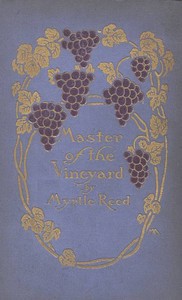

In 'Master of the Vineyard,' Myrtle Reed weaves a tale of love, longing, and self-discovery against the backdrop of a timeless vineyard
Read full overviewShow less›
Set in a picturesque valley surrounded by hills, 'Master of the Vineyard' follows Rosemary, a young woman trapped by circumstance and familial obligation. As she navigates the complexities of her relationships with her grandmother and aunt, she yearns for freedom and love, particularly with Alden, the man who holds her heart. Through vivid imagery and poignant reflections, Myrtle Reed explores themes of beauty, aspiration, and the transformative power of love. Readers will find themselves immersed in Rosemary's journey of self-discovery, as she learns to break free from the constraints of her upbringing and embrace the possibilities of life and love. This novel invites readers to reflect on their own paths and the choices that define them.
In 'Master of the Vineyard,' Myrtle Reed crafts a rich tapestry of love, longing, and self-discovery, set against the backdrop of a vineyard that symbolizes both tradition and aspiration. The journey of Rosemary is one of personal growth, as she navigates the complexities of family, love, and societal expectations. Through vivid imagery and poignant reflections, Reed invites readers to reflect on their own paths and the choices that define them. Ultimately, the novel celebrates the transformative power of love and the importance of embracing one's true self, encouraging us all to seek the beauty in life and the connections that uplift our spirits.
- 1The Hill of the Muses as a Symbol of Escape
- 2Family Dynamics: The Weight of Expectation
- 3The Transformative Power of Nature
- 4Love and Longing: The Heart's Yearning
- 5The Role of Women: A Reflection on Gender Norms
Notable quotes
“The river-god dreams of rainbows.”
“It was good to be outdoors after the countless annoyances of the day.”
“Oh, but it was good to be alive!”
A glimpse inside

The Hill of the Muses serves as a critical symbol in Rosemary's life, representing both a physical and metaphorical escape from her mundane existence. Read moreThe Hill of the Muses serves as a critical symbol in Rosemary's life, representing both a physical and metaphorical escape from her mundane existence. When Rosemary ascends the hill, she finds solace in nature, feeling the crisp air invigorate her spirit and offering her a perspective on her life that is often obscured by the daily grind in the valley below. This retreat into solitude allows her to contemplate her circumstances and aspirations, realizing that true freedom lies in her ability to choose her own path. The hill represents a place where she can dream, detached from the 'iron bars of circumstance' that confine her, thus highlighting the novel's overarching theme of the quest for personal liberation amidst societal expectations. The hill's beauty and quietude provide Rosemary with the clarity she needs, allowing her to confront her emotions and desires away from the noise of her family's expectations. Show less
The interactions between Rosemary, Grandmother Starr, and Aunt Matilda reveal the oppressive weight of familial expectations that Rosemary grapples with throughout the no… Read moreThe interactions between Rosemary, Grandmother Starr, and Aunt Matilda reveal the oppressive weight of familial expectations that Rosemary grapples with throughout the novel. Grandmother, with her sharp tongue and unyielding demeanor, embodies the traditional values and rigid expectations that Rosemary feels suffocated by. Aunt Matilda, while less harsh, also represents the constraints of Rosemary’s life, as she constantly reminds her of her duties and responsibilities. These dynamics create an environment where Rosemary feels she must choose between her own desires and the obligations imposed upon her by her family. The tension within the household emphasizes the struggle many face when trying to assert their individuality against the backdrop of familial loyalty and societal norms. The constant nagging from her grandmother and the passive resistance of Aunt Matilda create a suffocating atmosphere that stifles Rosemary's aspirations, making her long for the freedom and independence that the hill symbolizes. Show less
Read the full text — free
About the author
Read Myrtle Reed's work free on Lumina — the complete text plus an 8-minute summary and key ideas, no account needed