1.The Veiled Nature of Louis XVI's Court
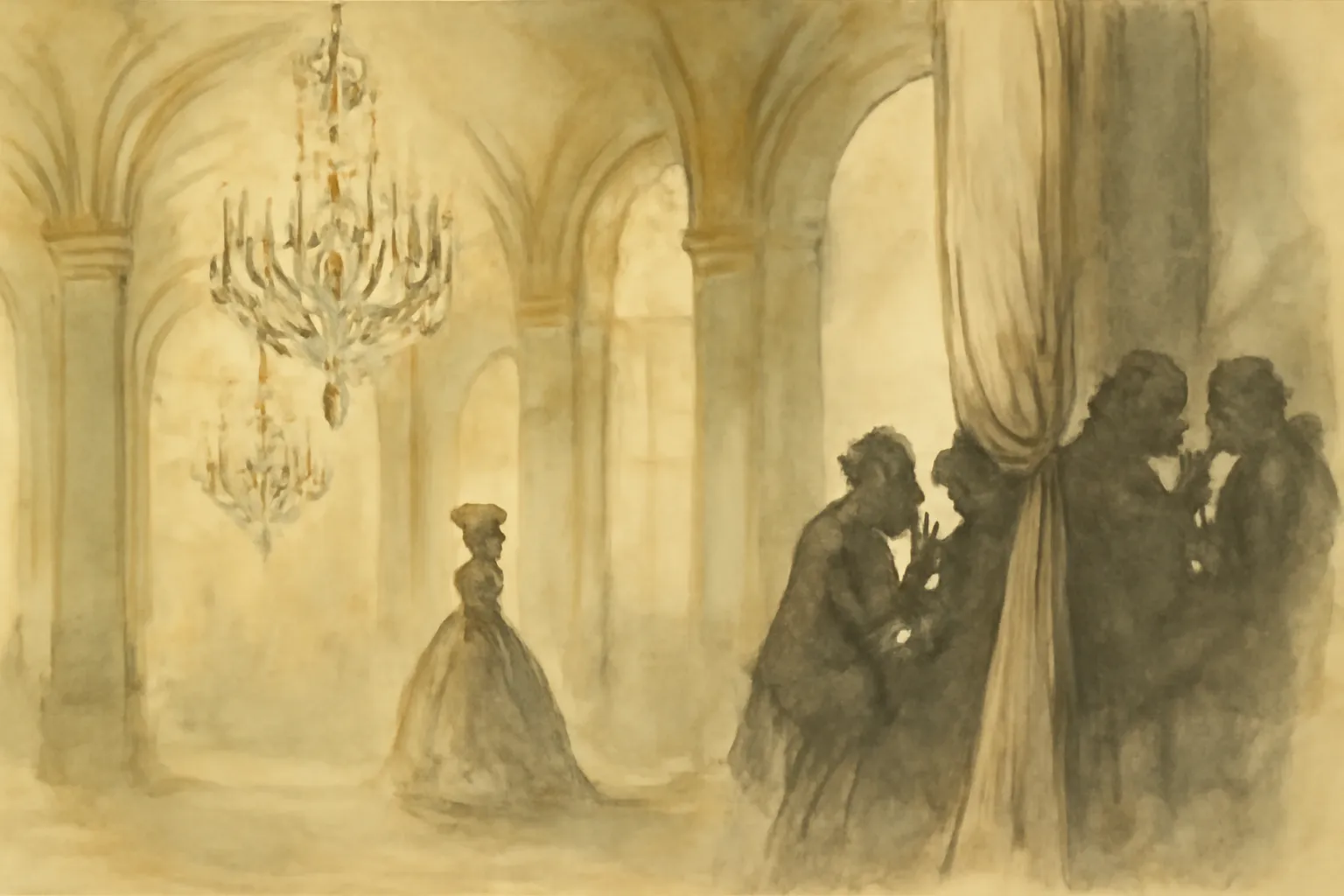
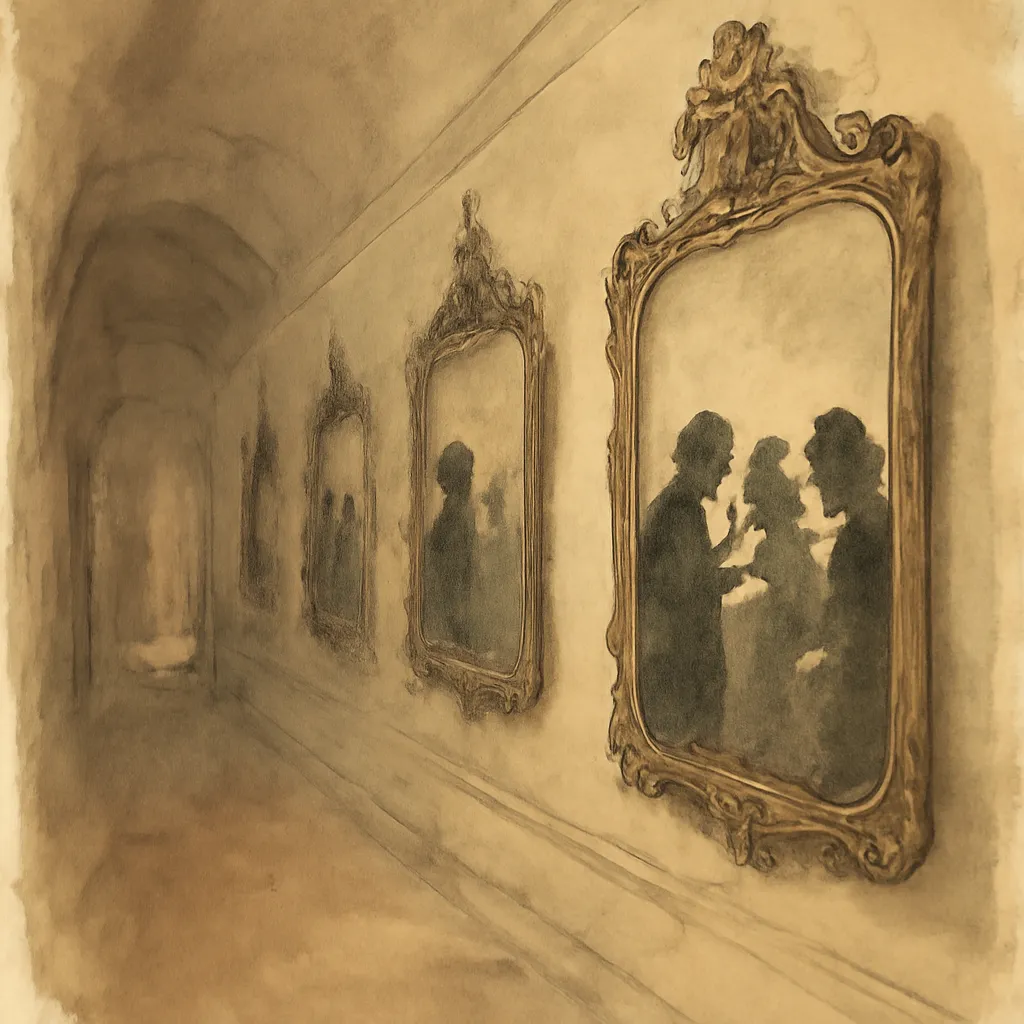
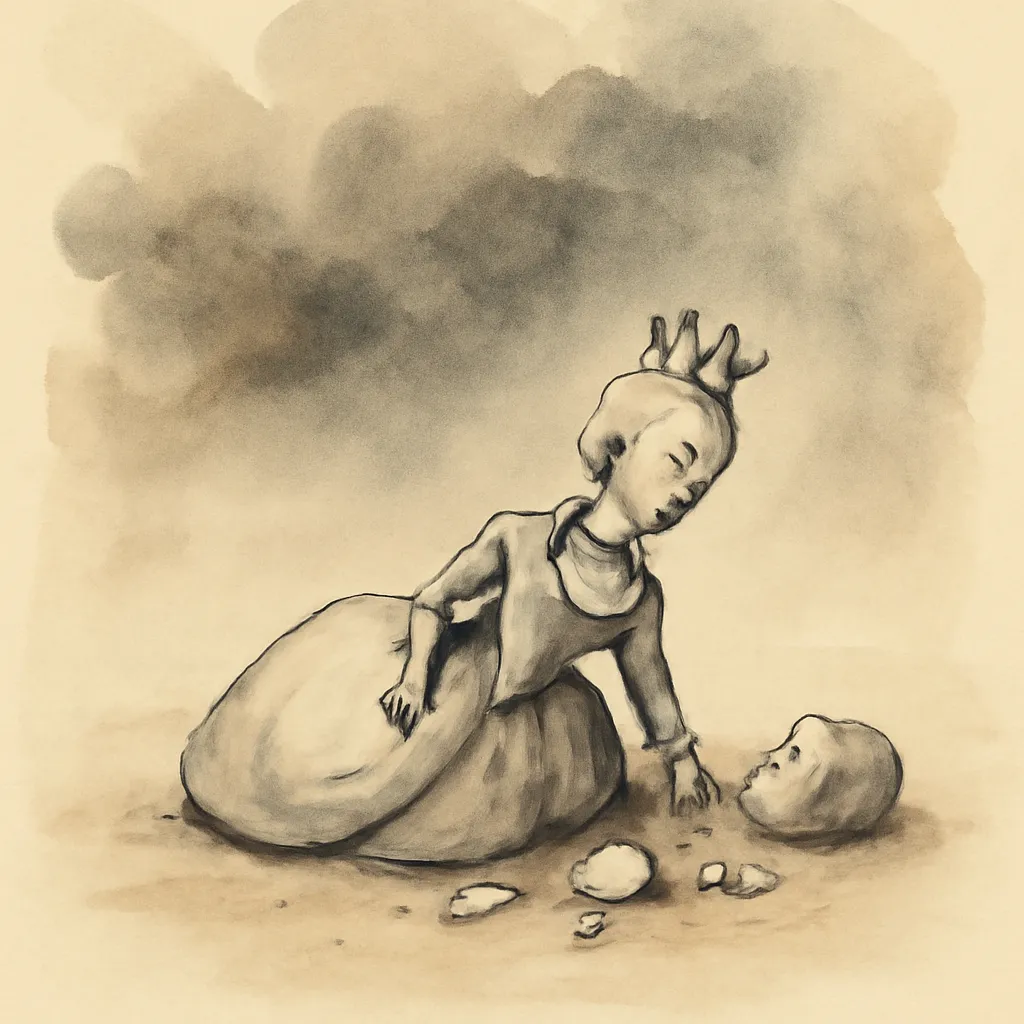
Campan describes Louis XVI's court as a labyrinthine environment filled with intrigue and hidden agendas. Despite having a multitude of advisers, Louis XVI was often secretive, which bred an atmosphere of suspicion among courtiers. He maintained a tight grip on his private affairs and never fully disclosed his intentions, leading to significant gaps in understanding among those who served him. This lack of transparency resulted in disunity and weakened the monarchy's ability to respond effectively to the burgeoning revolutionary sentiments. Campan illustrates the consequences of this secrecy, noting how it bred mistrust and ultimately hampered the King's decision-making process. The memoir captures the tension of a court caught between the demands of tradition and the realities of a changing political landscape, highlighting how Louis’s unwillingness to engage openly with his advisers contributed to the monarchy's instability.
2.Marie Antoinette’s Formative Years in Austria
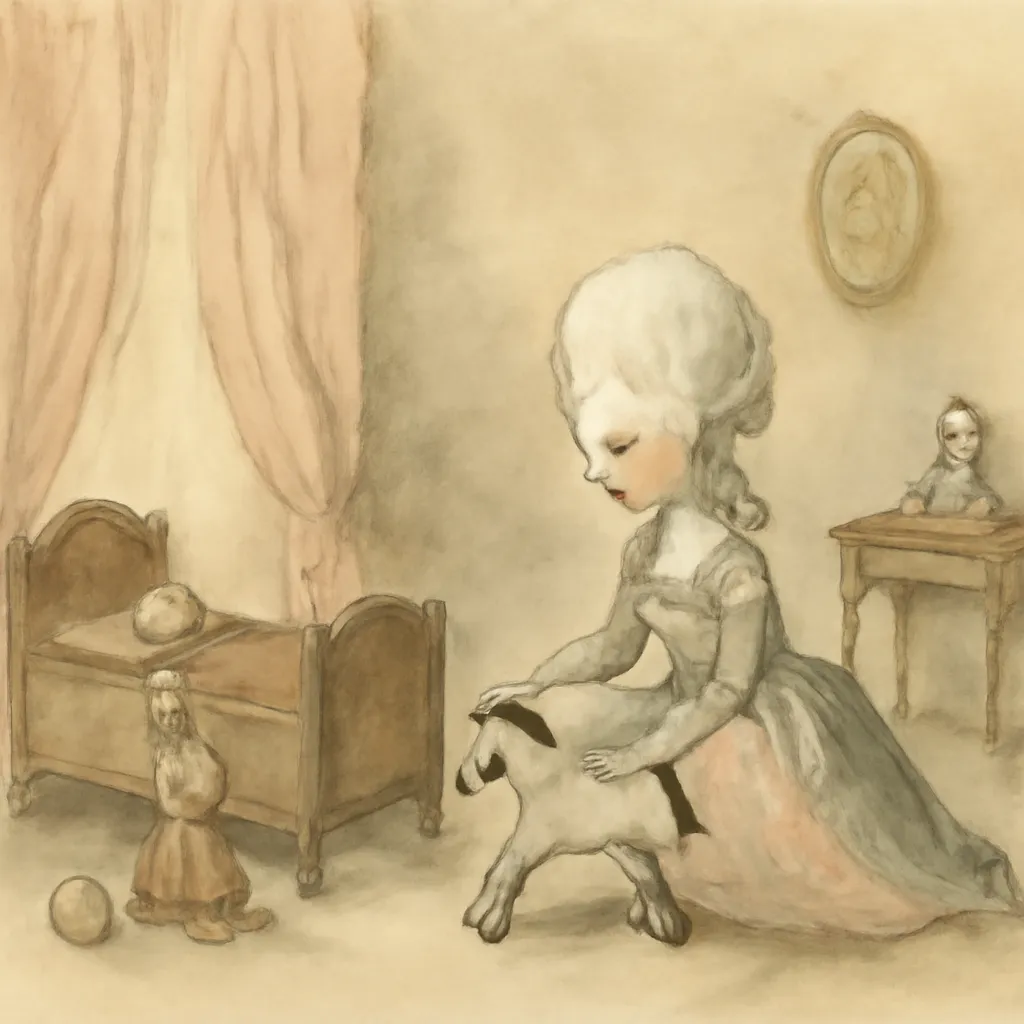
Marie Antoinette's upbringing in the Habsburg court profoundly influenced her character and reign. Born into a world where protocol was paramount, she was trained to prioritize duty over personal affection. Campan recounts heartwarming yet poignant memories of the young princess, particularly her cherished recollections of her father, Emperor Francis. His unexpected death at a young age left a lasting imprint on Marie Antoinette, shaping her views on parental affection and emotional distance. This upbringing created a dichotomy in her personality; she was at once a figure of regal authority and a woman yearning for genuine emotional connection. As Queen, her attempts to foster closeness with her own children were shaped by her desire to break free from the emotional constraints imposed by her upbringing. Campan’s portrayal of these dynamics reveals a woman caught between her royal obligations and her instincts as a mother, ultimately reflecting the complexities of maternal relationships within the royal context.
3.The Rigidity of Court Etiquette
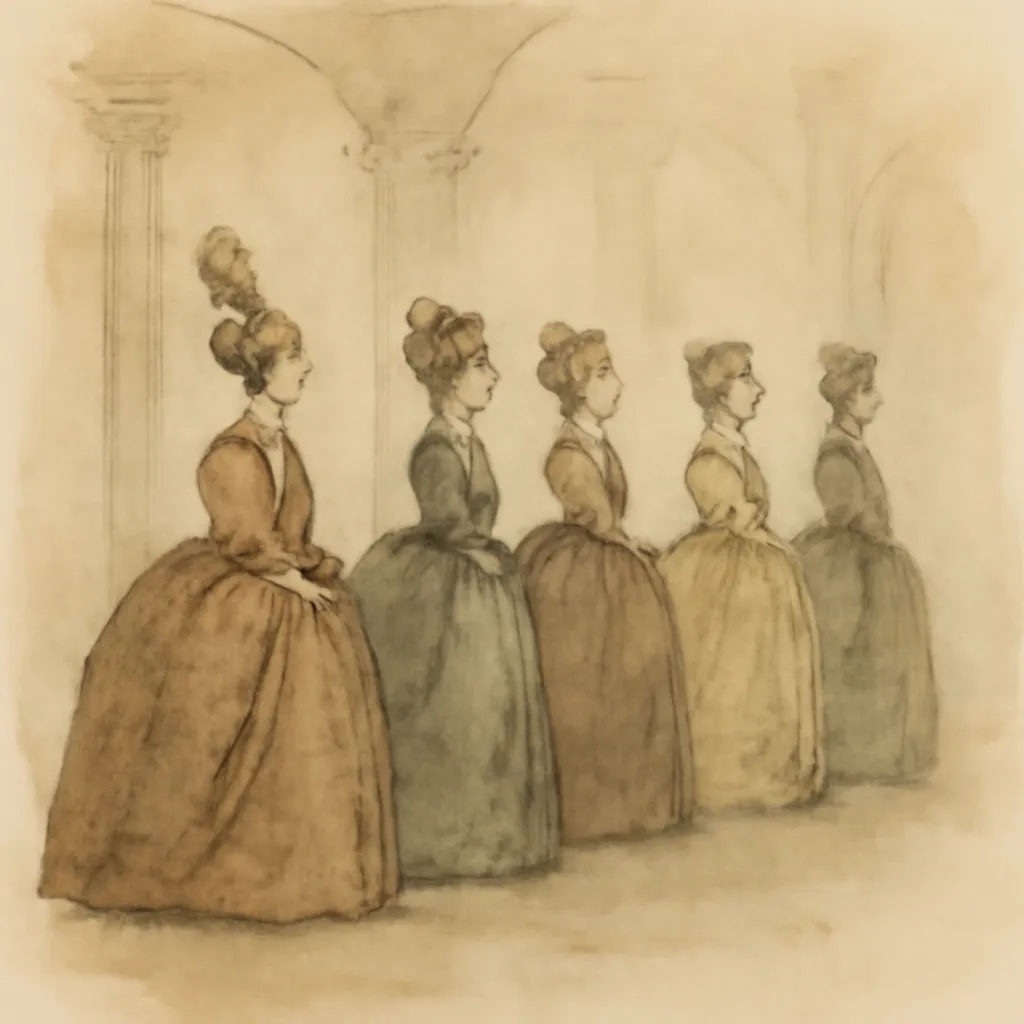
The stringent etiquette of Versailles served as both a guiding principle and a source of frustration for Marie Antoinette. Campan emphasizes the oppressive nature of the rules that dictated every aspect of court life, from how one dressed to how one interacted with others. The Comtesse de Noailles, the Queen's lady of honor, represented this rigidity, often enforcing etiquette with a stern demeanor that left little room for the Queen's natural disposition. Campan reflects on how this relentless adherence to formality stifled Marie Antoinette's spirit, creating a sense of isolation in a world that valued appearances over genuine human connection. The memoir highlights the struggle between personal authenticity and the demands of royal life, illustrating how the constraints of etiquette contributed to the public's growing alienation from the Queen. Campan's insights reveal how the very structures meant to uphold dignity eventually alienated the Queen from her advisors and the people, paving the way for misunderstandings that would fuel public discontent.
4.The Transition of Power After Louis XV's Death
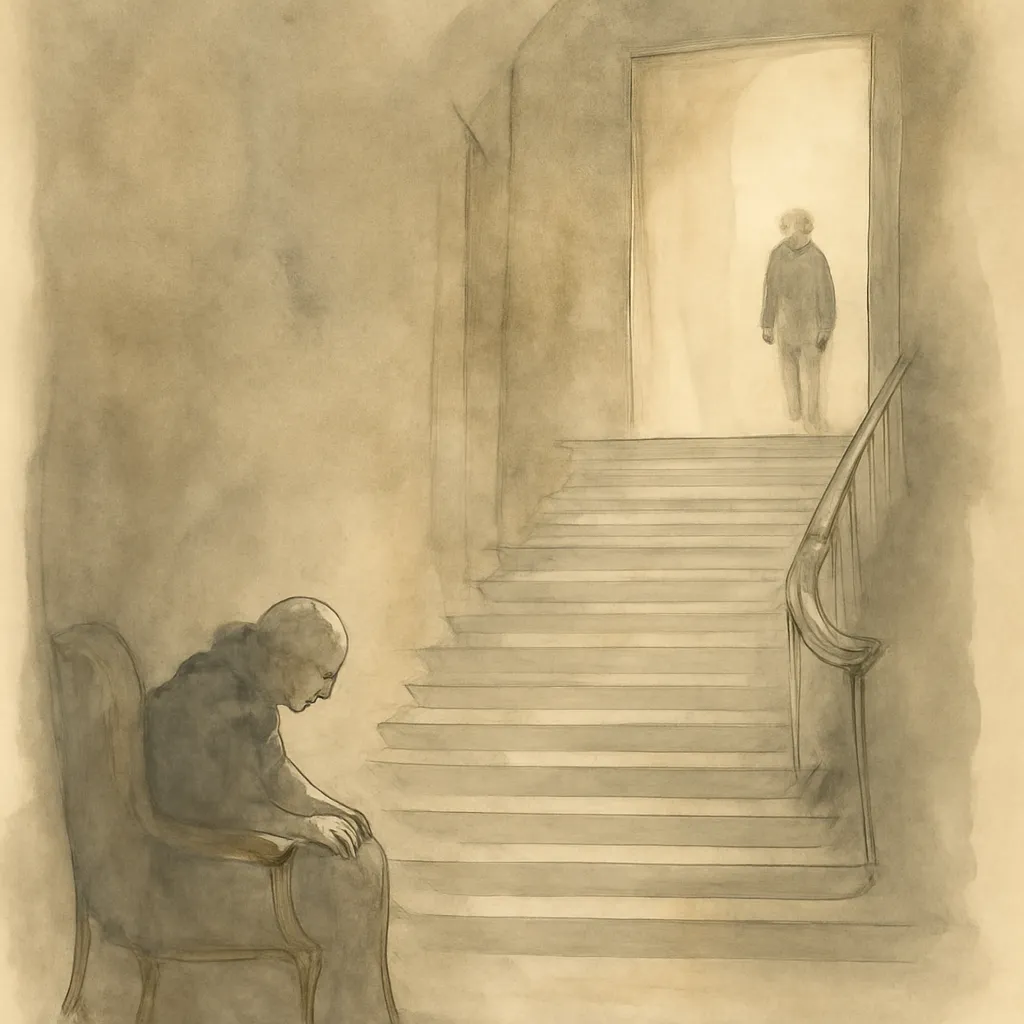
With the death of Louis XV, Marie Antoinette found herself thrust into a new role as the Queen of France during a time of uncertainty. The transition from Louis XV to Louis XVI brought about significant changes in the court, marked by a blend of hope and apprehension. Campan notes that the young couple initially began to bond amidst the mourning, with Louis XVI seeking solace in the Queen’s companionship. Their shared moments in the gardens and private spaces of Versailles symbolized a burgeoning partnership, as they attempted to navigate the complexities of their new roles. However, the memoir also underscores the precariousness of their situation, as the court was rife with intrigue and factions that sought to undermine their authority. Campan captures the delicate balance the royal couple had to maintain in order to secure their position, illustrating how their personal relationship was intricately tied to the political realities of their reign.
5.The Quest for Personal Happiness Amidst Protocol
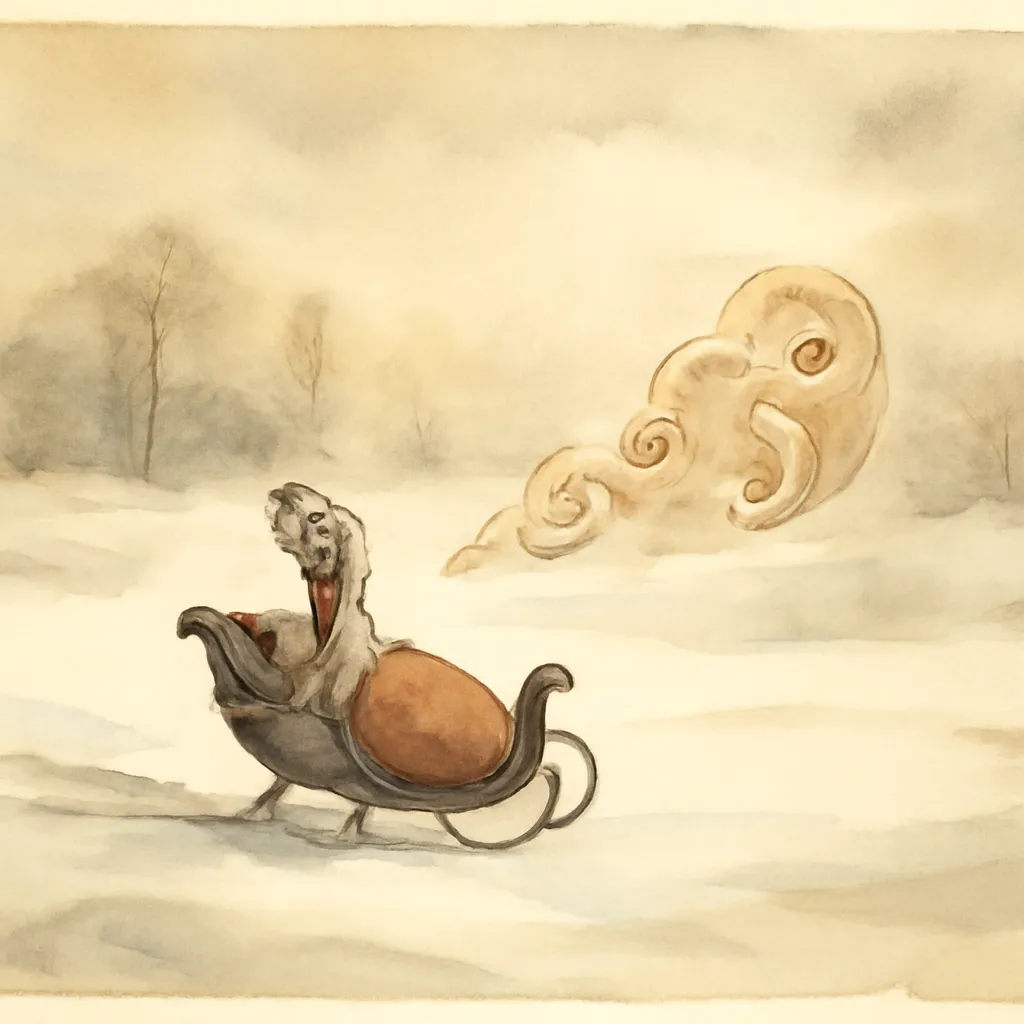
Marie Antoinette's quest for personal happiness is a recurring theme in Campan's memoir. As Queen, she often sought to create moments of joy and leisure amidst the oppressive atmosphere of court life. For instance, her introduction of sleighing parties came from nostalgic memories of her childhood in Austria, where such activities symbolized freedom and joy. Campan describes how these gatherings initially brought delight to the Queen and her entourage, serving as a temporary escape from the weight of royal responsibilities. However, as public sentiment began to sour, even innocent pursuits were scrutinized. The Queen's attempts to embrace joy were often met with criticism, highlighting the paradox of her situation. The memoir illustrates how her pursuit of happiness became increasingly complicated by the political turmoil surrounding her, ultimately showcasing the struggle of a woman trying to find personal fulfillment in the shadow of an impending revolution.
6.Marie Antoinette and the People of France

Despite her royal status, Marie Antoinette's relationship with the French populace was fraught with complexity. Campan provides insights into the Queen's sincere attempts to engage with her subjects through acts of charity and public appearances. For example, her distribution of wood to the poor during harsh winters was an effort to alleviate suffering, reflecting her compassion. However, these gestures were often overshadowed by her lavish lifestyle and the opulence associated with the court. The memoir highlights the growing disconnect between the Queen’s intentions and the public’s perception of her as an extravagant foreigner out of touch with the struggles of her people. This disconnect was exacerbated by the rise of anti-Austrian sentiment, which painted the Queen as a symbol of foreign influence and excess. Campan's account underscores the tragic irony of Marie Antoinette's life: her genuine desire to connect with her subjects ultimately contributed to her vilification.
7.The Scandal of the Necklace Affair
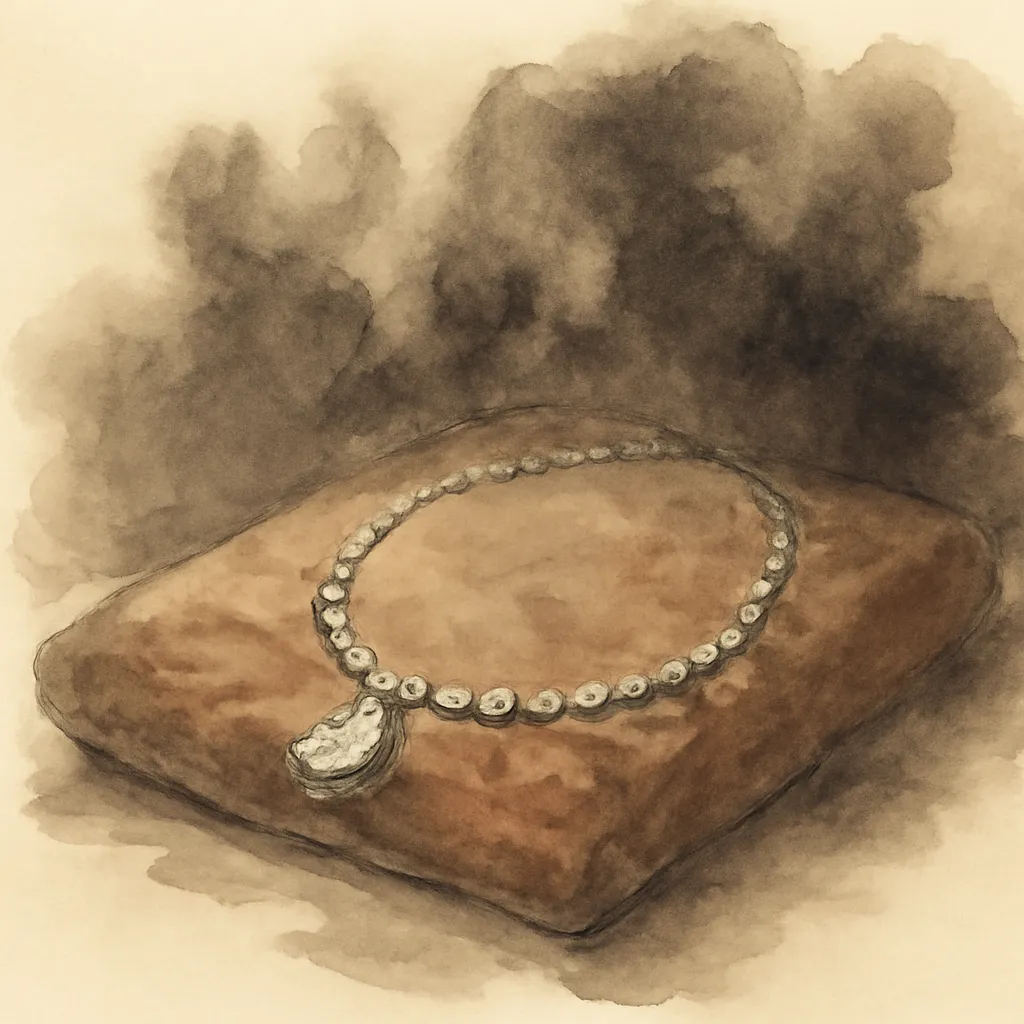
The Necklace Affair stands as a pivotal moment that dramatically shifted public perception of Marie Antoinette. Campan recounts the events surrounding the fraudulent scheme led by Cardinal de Rohan, which falsely implicated the Queen in a plot to acquire an extravagant diamond necklace. This scandal not only tarnished Marie Antoinette's reputation but also became a rallying point for her detractors. Campan illustrates how the Queen, despite having no involvement in the scheme, faced severe backlash as public sentiment turned against her. The affair exemplified the dangers of court intrigue and manipulation, highlighting how easily public opinion could be swayed by scandalous narratives. The ramifications of the Necklace Affair were far-reaching, ultimately solidifying the Queen's image as a symbol of corruption and excess—an image that would haunt her until her downfall.
8.The Isolation of the Queen During Revolutionary Turmoil
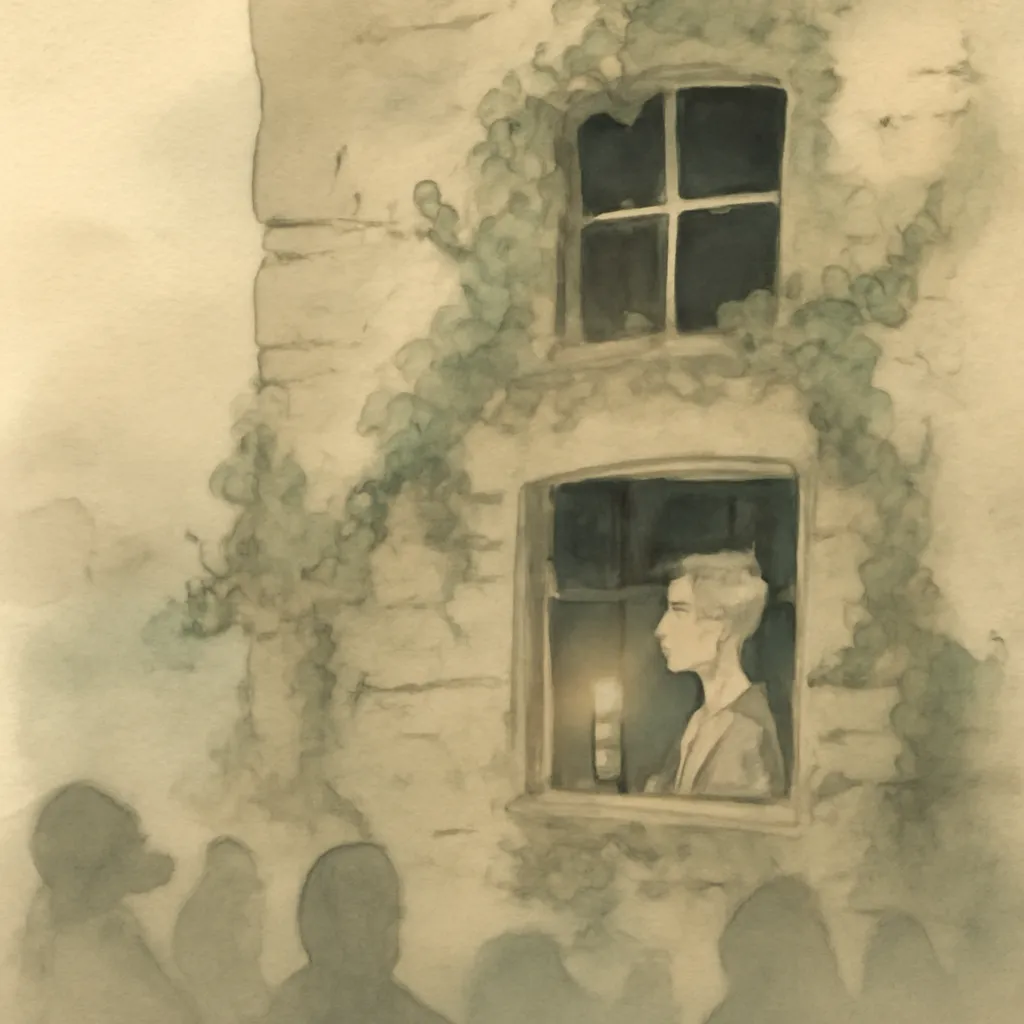
As the Revolution gained momentum, Marie Antoinette's isolation became increasingly pronounced. Campan depicts the atmosphere of fear and distrust that permeated the court, as former allies turned into adversaries. The Queen's reliance on a small circle of loyal confidants highlighted her vulnerability during a time when loyalty was in short supply. Campan captures the emotional toll this isolation took on the Queen, as she grappled with feelings of loneliness and despair amidst the chaos surrounding her. The memoir reveals the stark reality of a powerful woman stripped of her agency, highlighting the human cost of political upheaval. Marie Antoinette's emotional struggles serve as a poignant reminder of the fragility of power and the personal sacrifices made in the name of duty.
9.The Fall of the Monarchy and Its Implications
The eventual fall of the monarchy is a central theme in Campan's memoir, as it encapsulates the tragic trajectory of Marie Antoinette’s life. The Queen's experiences during the last days of the royal family reveal the chaos and despair that engulfed Versailles as revolutionary fervor reached its peak. Campan recounts the harrowing details of the royal family's arrest and the public’s growing animosity towards them. The portrayal of the once-opulent court, now filled with panic and uncertainty, symbolizes the dramatic shift in French society. Campan notes how the monarchy’s collapse not only marked the end of an era but also set the stage for a new political landscape that would redefine the relationship between the government and its citizens. The memoir serves as a sobering reflection on the consequences of power struggles and the fragility of status in times of upheaval.
10.The Legacy of Marie Antoinette: A Cautionary Tale
Marie Antoinette’s legacy is multifaceted and complex, shaped by her personal choices and the broader historical context of her time. Campan reflects on the Queen's life story as one that transcends her tragic end, revealing the intricate dynamics of a woman navigating the tumultuous waters of power and public perception. The memoir captures the essence of Marie Antoinette as a figure who, despite her flaws, sought to redefine her role within the constraints of a patriarchal society. Campan emphasizes the lessons learned from the Queen's experiences: the importance of genuine connection with one's subjects and the perils of isolation in power. Ultimately, Marie Antoinette's narrative serves as a cautionary tale about the consequences of misunderstanding and the need for empathy in leadership, leaving an indelible mark on history.