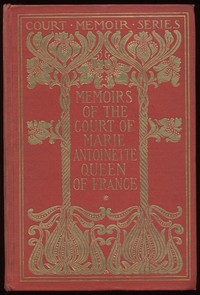
Unearth the intricate life of Marie Antoinette as seen through the eyes of her trusted confidante, revealing the hidden challenges of life in a revolutionary era
Read full overviewShow less›
In 'Memoirs of the Court of Marie Antoinette,' Madame Campan, who served as the First Lady in Waiting to the Queen, provides a captivating and intimate portrayal of the royal court during a time of great political upheaval in France. This memoir offers a unique insider perspective on the dynamics of power, the evolution of Marie Antoinette's character, and the trials she faced as a foreign queen in a land rife with conflict and discord. Readers will discover not only the complexities of court life but also the human aspects of the Queen’s journey, including her personal struggles, relationships, and the public's perception of her. Through Campan's vivid storytelling, the reader is transported to the opulent yet tumultuous world of Versailles, where the intricate interplay of politics and personal ambitions shaped the destiny of a nation. This work serves as both a historical account and a poignant exploration of the human condition amidst the cataclysmic events that led to the fall of the French monarchy.
Madame Campan's 'Memoirs of the Court of Marie Antoinette' provides a deep and nuanced exploration of the life of one of history's most enigmatic queens. Through her intimate accounts, readers are drawn into the complexities of court life, the personal struggles of a woman holding immense power, and the societal transformations that led to the monarchy's downfall. This memoir serves not only as a historical document but also as a poignant exploration of the human experience amidst political turmoil, reflecting on the timeless themes of duty, connection, and the fragility of power. By understanding Marie Antoinette's life and legacy, we gain valuable insights into the intricacies of leadership, empathy, and the consequences of isolation in an ever-changing world.

- 1The Veiled Nature of Louis XVI's Court
- 2Marie Antoinette’s Formative Years in Austria
- 3The Rigidity of Court Etiquette
- 4The Transition of Power After Louis XV's Death
- 5The Quest for Personal Happiness Amidst Protocol
Notable quotes
“The King does nothing to-day.”
“I wanted to embrace this child once more.”
“Gentlemen, here are my sleighs!”
A glimpse inside

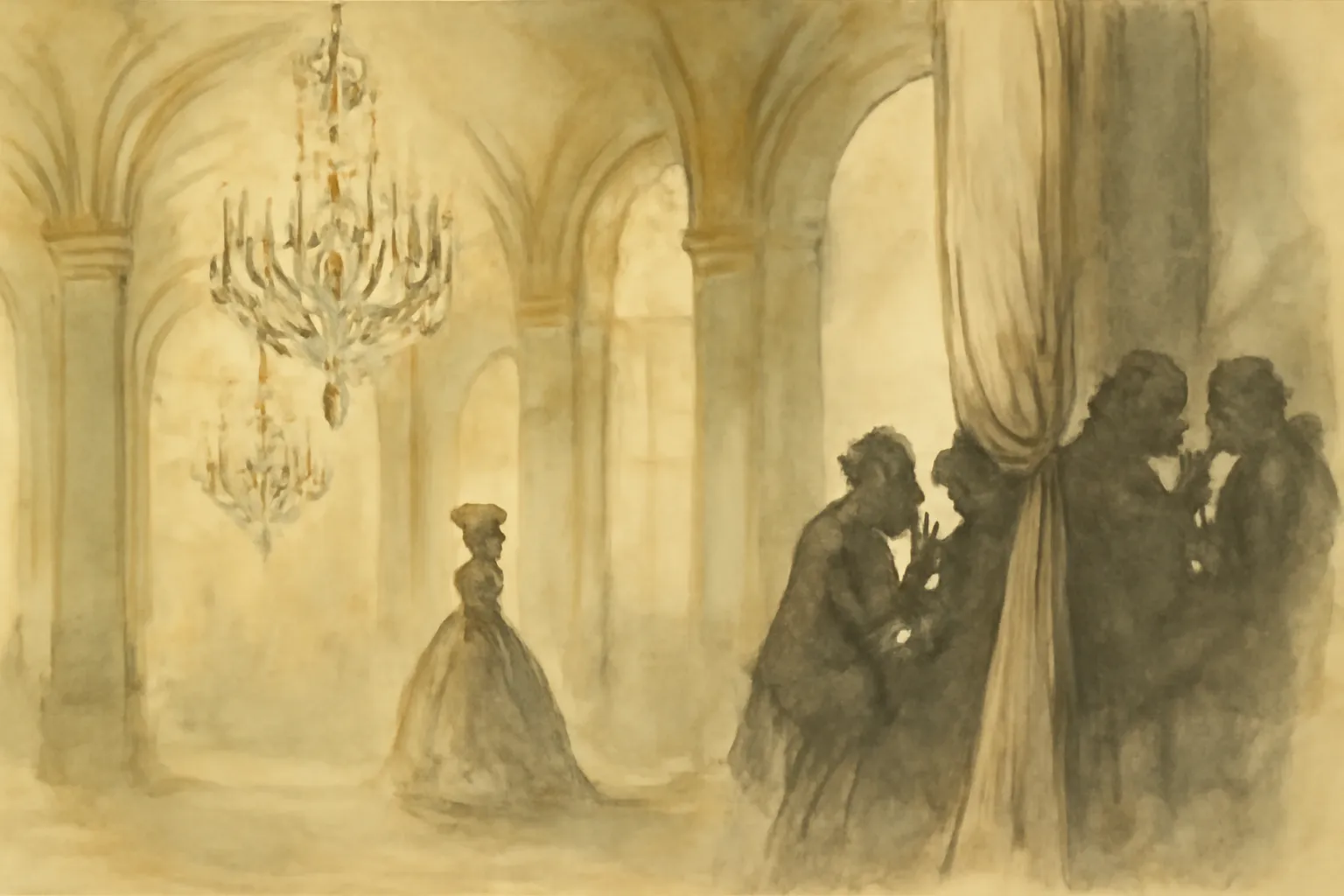
Campan describes Louis XVI's court as a labyrinthine environment filled with intrigue and hidden agendas. Despite having a multitude of advisers, Louis XVI was often secr… Read moreCampan describes Louis XVI's court as a labyrinthine environment filled with intrigue and hidden agendas. Despite having a multitude of advisers, Louis XVI was often secretive, which bred an atmosphere of suspicion among courtiers. He maintained a tight grip on his private affairs and never fully disclosed his intentions, leading to significant gaps in understanding among those who served him. This lack of transparency resulted in disunity and weakened the monarchy's ability to respond effectively to the burgeoning revolutionary sentiments. Campan illustrates the consequences of this secrecy, noting how it bred mistrust and ultimately hampered the King's decision-making process. The memoir captures the tension of a court caught between the demands of tradition and the realities of a changing political landscape, highlighting how Louis’s unwillingness to engage openly with his advisers contributed to the monarchy's instability. Show less
Marie Antoinette's upbringing in the Habsburg court profoundly influenced her character and reign. Born into a world where protocol was paramount, she was trained to prio… Read moreMarie Antoinette's upbringing in the Habsburg court profoundly influenced her character and reign. Born into a world where protocol was paramount, she was trained to prioritize duty over personal affection. Campan recounts heartwarming yet poignant memories of the young princess, particularly her cherished recollections of her father, Emperor Francis. His unexpected death at a young age left a lasting imprint on Marie Antoinette, shaping her views on parental affection and emotional distance. This upbringing created a dichotomy in her personality; she was at once a figure of regal authority and a woman yearning for genuine emotional connection. As Queen, her attempts to foster closeness with her own children were shaped by her desire to break free from the emotional constraints imposed by her upbringing. Campan’s portrayal of these dynamics reveals a woman caught between her royal obligations and her instincts as a mother, ultimately reflecting the complexities of maternal relationships within the royal context. Show less
Read the full text — free
About the author
Read Mme. Campan's work free on Lumina — the complete text plus an 8-minute summary and key ideas, no account needed