1.The Call of the Sea
Ishmael, the novel's narrator, embodies a universal longing for adventure and escape from the mundanity of life. His decision to go to sea serves as a metaphor for seeking freedom and a deeper understanding of existence. The ocean represents both a physical and spiritual journey, where Ishmael hopes to confront his own inner turmoil. The allure of the sea is not just about adventure; it is a means to explore one's identity and purpose. Ishmael's reflections on the city of Manhattan, surrounded by water, highlight the tension between urban life and the call of the natural world. His notion that many share this yearning underscores a fundamental aspect of human nature: the desire to break free from societal constraints and discover what lies beyond the horizon.
2.Queequeg: The Cannibal and the Friend
Queequeg, Ishmael's harpooner and companion, challenges societal norms and prejudices. His background as a tattooed cannibal from the South Sea Islands contrasts sharply with the expectations of a whaler's life. However, Queequeg's character transcends stereotypes, revealing the potential for deep friendship across cultural boundaries. Their bond exemplifies themes of acceptance and understanding, as Ishmael learns to appreciate Queequeg's unique perspective and virtues. The juxtaposition of their backgrounds serves to critique the colonial mindset of the 19th century, highlighting the absurdity of judging individuals based on their appearance or heritage. Through Queequeg, Melville emphasizes that true kinship can arise in the most unexpected places, challenging readers to reconsider their own biases.
3.Captain Ahab: The Obsession with Revenge
Captain Ahab's character is a powerful representation of obsession and the destructive nature of revenge. His relentless pursuit of Moby Dick, the white whale that took his leg, symbolizes the darker aspects of human ambition. Ahab's fixation blinds him to the dangers of his quest, leading to the eventual demise of himself and his crew. His monomaniacal desire for vengeance raises profound questions about the nature of evil and the human condition. Ahab's famous line, 'From hell's heart I stab at thee,' encapsulates his fury and determination, illustrating how personal vendettas can consume an individual. The novel poses critical reflections on ambition, suggesting that the pursuit of revenge can lead to one's downfall and the loss of morality.
4.Symbolism of the Whale
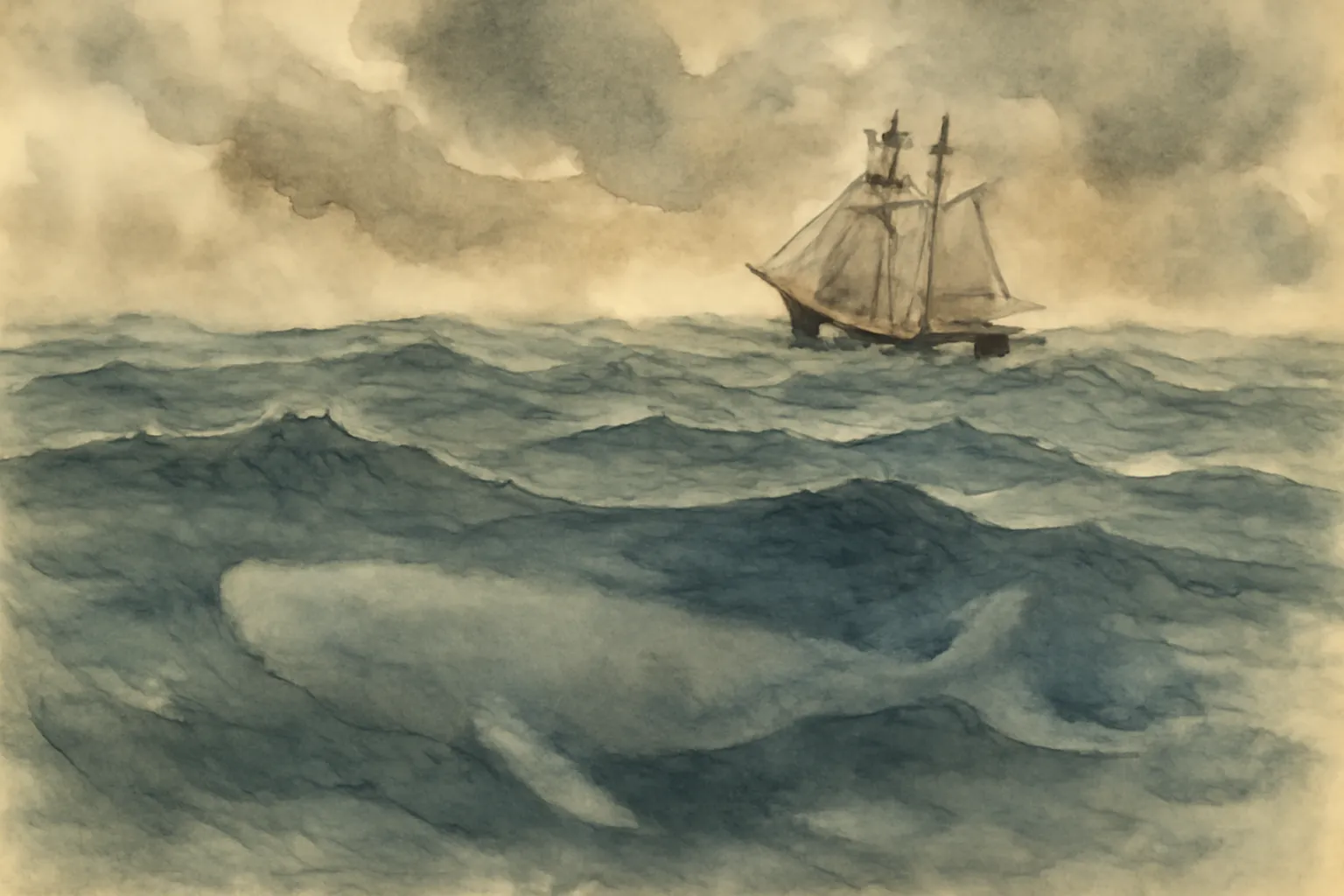
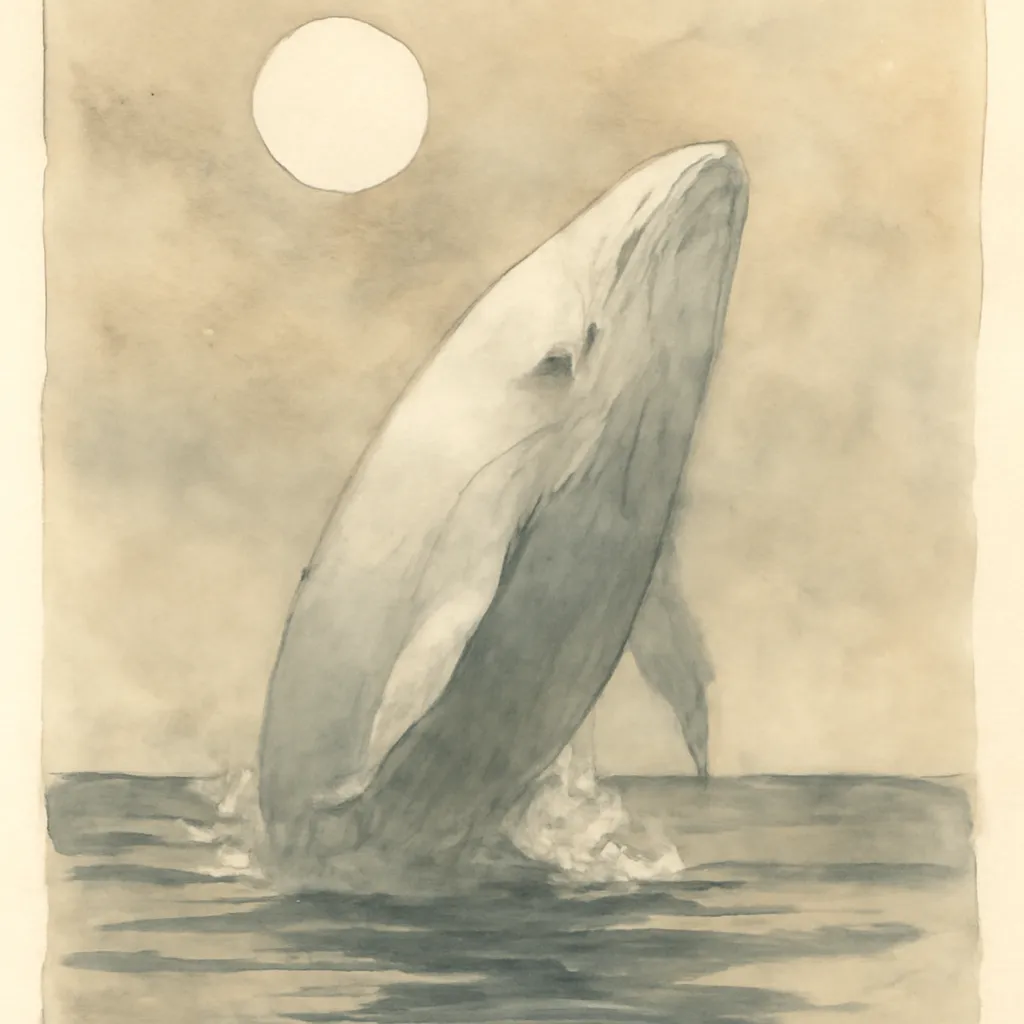
Moby Dick, the titular whale, serves as a multifaceted symbol throughout the novel. To Ahab, the whale embodies the ultimate adversary, a representation of nature's indifference and the uncontrollable forces of the universe. For Ishmael, Moby Dick reflects the enigmatic and unfathomable aspects of life, serving as a mirror to human fears and desires. The whale's whiteness symbolizes both purity and terror, eliciting a complex emotional response from the characters. Melville's intricate descriptions of the whale elevate it from mere beast to a profound symbol of existence, challenging readers to confront their own interpretations of nature and destiny. The whale's elusiveness becomes a metaphor for the unattainable truths that humans seek, reinforcing the idea that some mysteries are beyond comprehension.
5.The Role of Fate and Free Will
Throughout Moby-Dick, the tension between fate and free will is a recurring theme that drives the narrative. Ahab's belief that he is fated to confront Moby Dick reflects his struggle against the forces that govern his life. The crew's varied reactions to Ahab's obsession highlight the human condition's complexity, as some embrace the journey while others feel trapped by their circumstances. Ishmael, as the observer, grapples with the idea of predestination versus personal choice, leading to an exploration of existentialism. The novel suggests that while individuals may strive for autonomy, they are often subject to larger forces beyond their control. This interplay between fate and free will invites readers to reflect on their own lives and the extent to which they shape their destinies.
6.Nature's Indifference
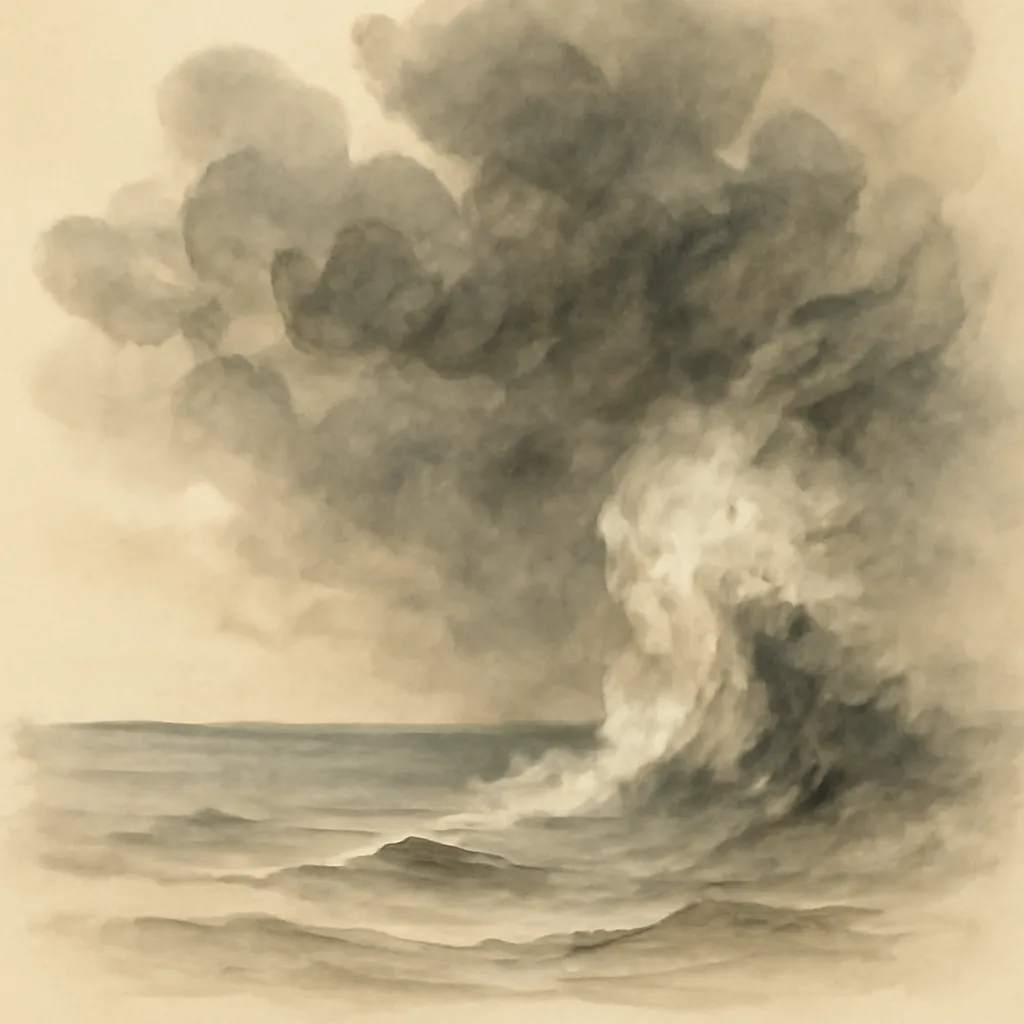
Melville presents nature as an indifferent force, one that is both beautiful and terrifying. The sea is depicted as a vast, uncontrollable entity that can turn from serene to violent in an instant. This duality reflects the unpredictability of life, where human endeavors often seem insignificant against nature's grandeur. The portrayal of storms, calm seas, and the monstrous whale underscores the idea that nature exists independently of human concerns. Ahab's struggle against Moby Dick is not just a personal vendetta but also a confrontation with the sublime power of the natural world. Melville's vivid imagery invites readers to appreciate the beauty of nature while acknowledging its capacity for destruction, emphasizing humanity's vulnerability in the face of such forces.
7.The Whaling Industry: A Reflection of Society
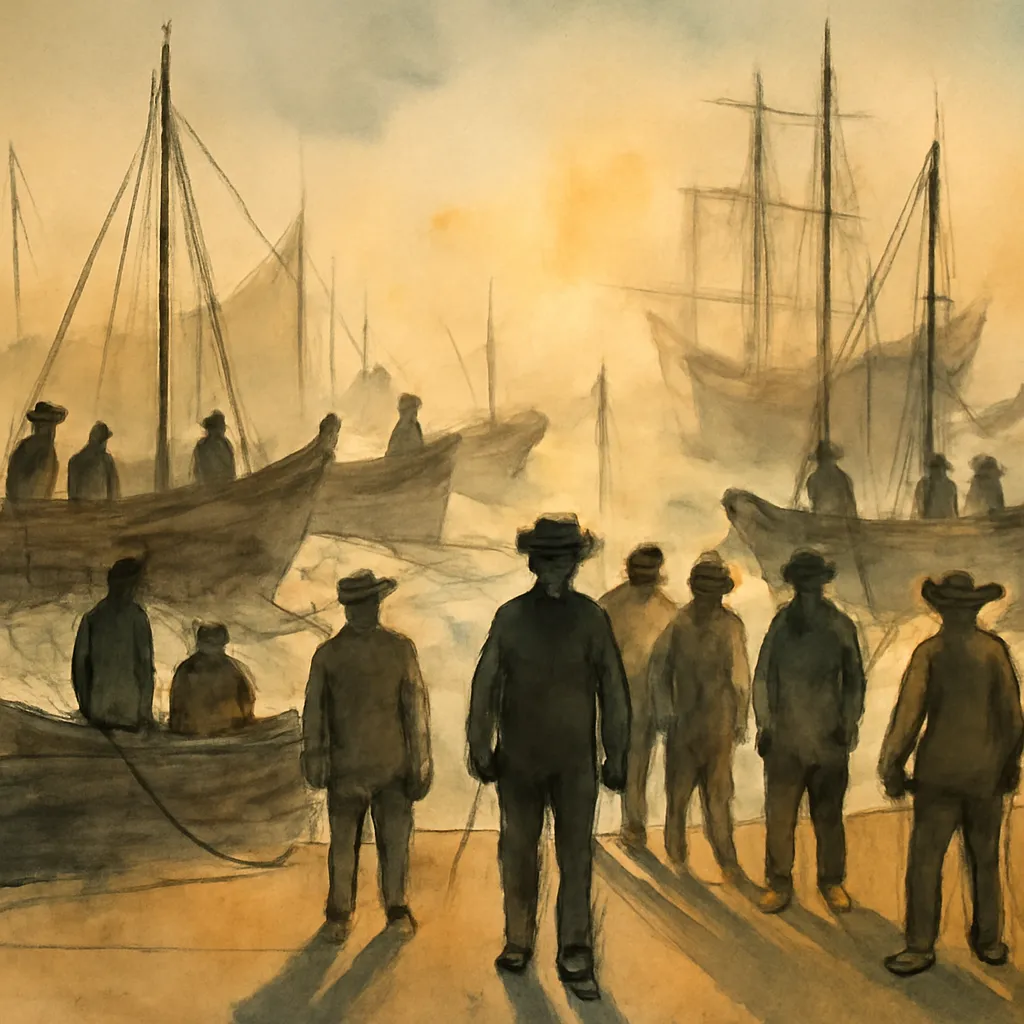
The whaling industry serves as a microcosm of society, reflecting the complexities of human relationships and the moral dilemmas inherent in commerce. The diverse crew members aboard the Pequod represent various societal roles, each bringing their own perspectives and experiences to the journey. This diversity fosters camaraderie but also highlights tensions, such as class struggles and cultural differences. Melville critiques the capitalist motives driving the whaling industry, suggesting that the pursuit of profit often leads to ethical compromises. The brutal reality of whaling, with its violence and exploitation, raises questions about humanity's relationship with nature and the cost of progress. Through the lens of whaling, the novel critiques societal values and invites readers to consider the moral implications of their own pursuits.
8.Philosophical Musings: The Nature of Existence
Moby-Dick is rich with philosophical reflections that delve into the nature of existence and the human condition. Ishmael's musings throughout the narrative reveal his search for meaning in a chaotic world. The novel grapples with existential questions, exploring themes of mortality, identity, and the quest for knowledge. Ishmael's observations invite readers to ponder the significance of life and the mysteries that lie beyond human understanding. The interplay between the known and the unknown serves as a backdrop for the characters' journeys, emphasizing the limitations of human perception. Melville's philosophical inquiries resonate deeply, encouraging readers to confront their own beliefs and uncertainties about existence.
9.The Power of Friendship and Brotherhood
At its core, Moby-Dick is a story of friendship and the bonds that form between individuals in the face of adversity. Ishmael and Queequeg's relationship exemplifies the strength of companionship, transcending cultural barriers and societal expectations. Their support for one another during the trials of whaling highlights the importance of solidarity in navigating life's challenges. The camaraderie among the crew members, despite their differences, underscores the theme of brotherhood in a harsh environment. Melville suggests that these connections are vital for survival and resilience, reminding readers of the importance of empathy and understanding in an often isolating world. The friendships forged at sea serve as a counterbalance to Ahab's solitary obsession, illustrating the transformative power of human connection.