1.The Birth of the Cosmos
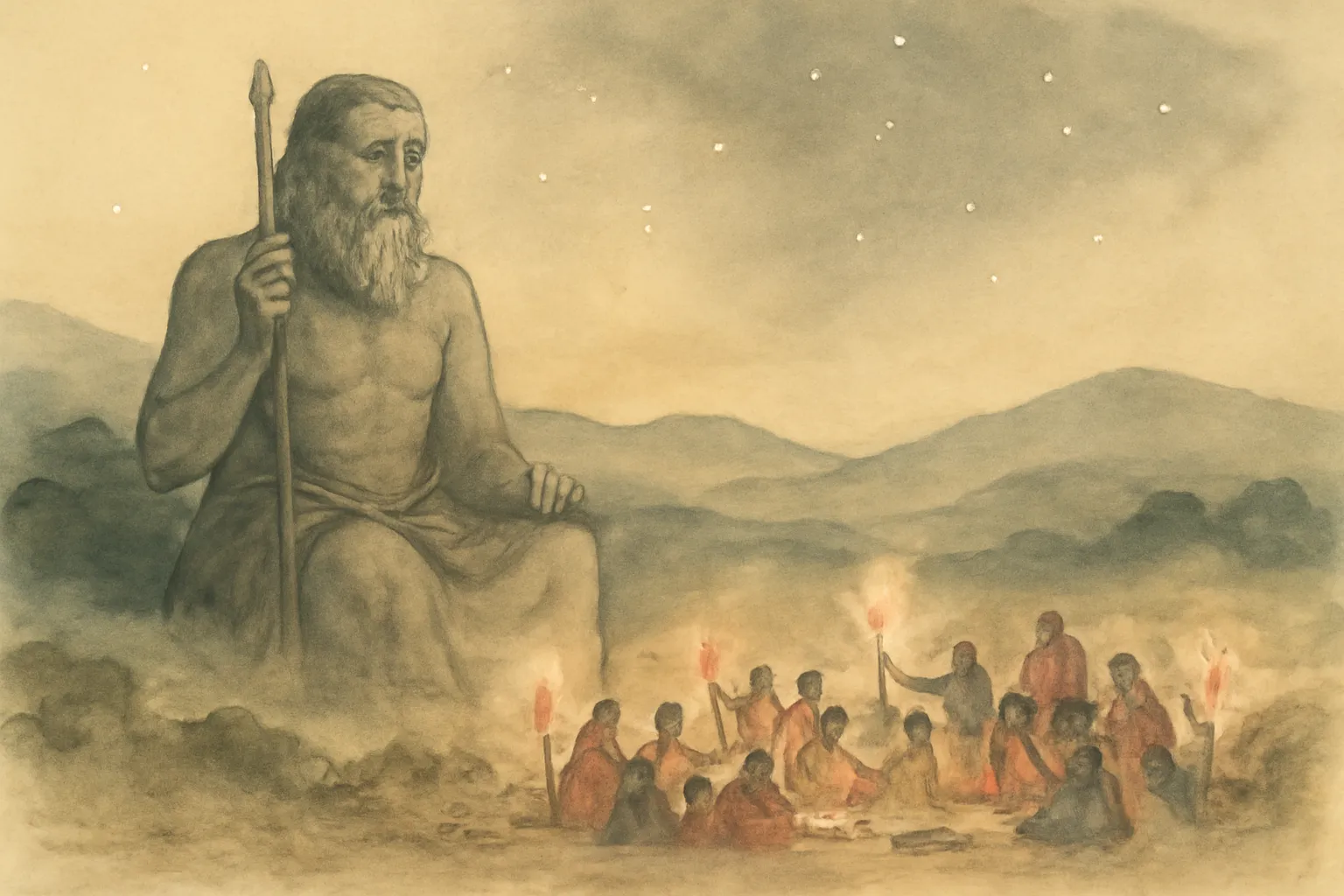
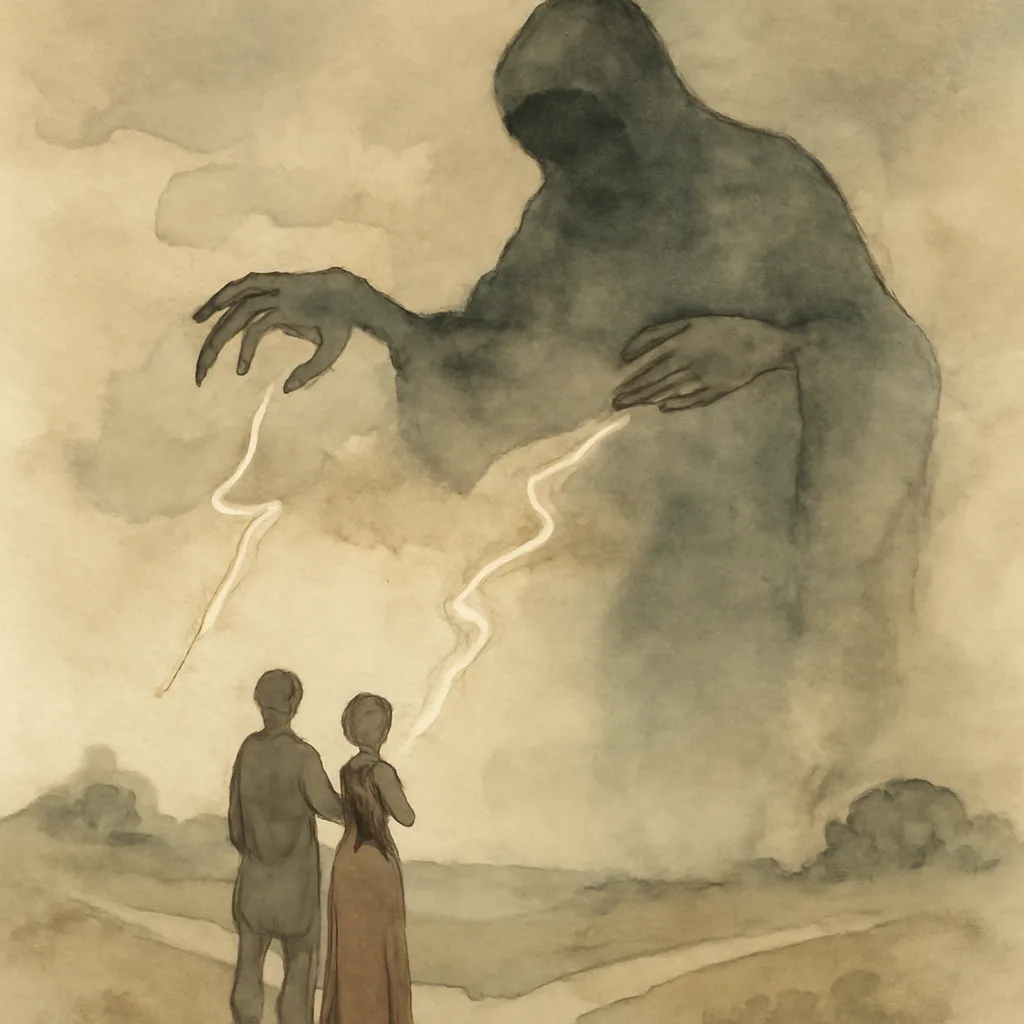
The origin of the world in Greek mythology begins with primordial beings Uranus (the sky) and Gaea (the earth). Their union produced the Titans, who represent the first generation of divine beings. This creation myth illustrates the ancient Greeks' understanding of the universe as a structured hierarchy, where deities exerted control over different aspects of existence. The Titans, though powerful, eventually faced rebellion from their offspring, the Olympian gods, led by Zeus. This narrative of conflict and succession not only sets the stage for the pantheon of gods that follow but also reflects the Greeks' perceptions of power dynamics and the cyclical nature of creation and destruction. The transition from chaos to order signifies the importance of divine authority in maintaining harmony in the cosmos.
2.The Olympian Gods: A Complex Family
The Olympian deities are portrayed as both powerful and fallible, embodying human emotions and traits despite their immortality. Zeus, the king of the gods, is characterized by his authority and propensity for infidelity, often leading to conflicts with his wife Hera, the goddess of marriage. This complexity in their relationships adds depth to the myths, as they navigate jealousy, revenge, and love. Each god has distinct attributes and domains; for example, Athena represents wisdom and warfare, while Aphrodite embodies love and beauty. The interactions among these gods mirror human experiences, making them relatable figures who engage in both noble and ignoble actions. Their stories serve as moral lessons, illustrating the consequences of hubris and the significance of divine favor in human affairs.
3.The Power of Myths in Shaping Culture
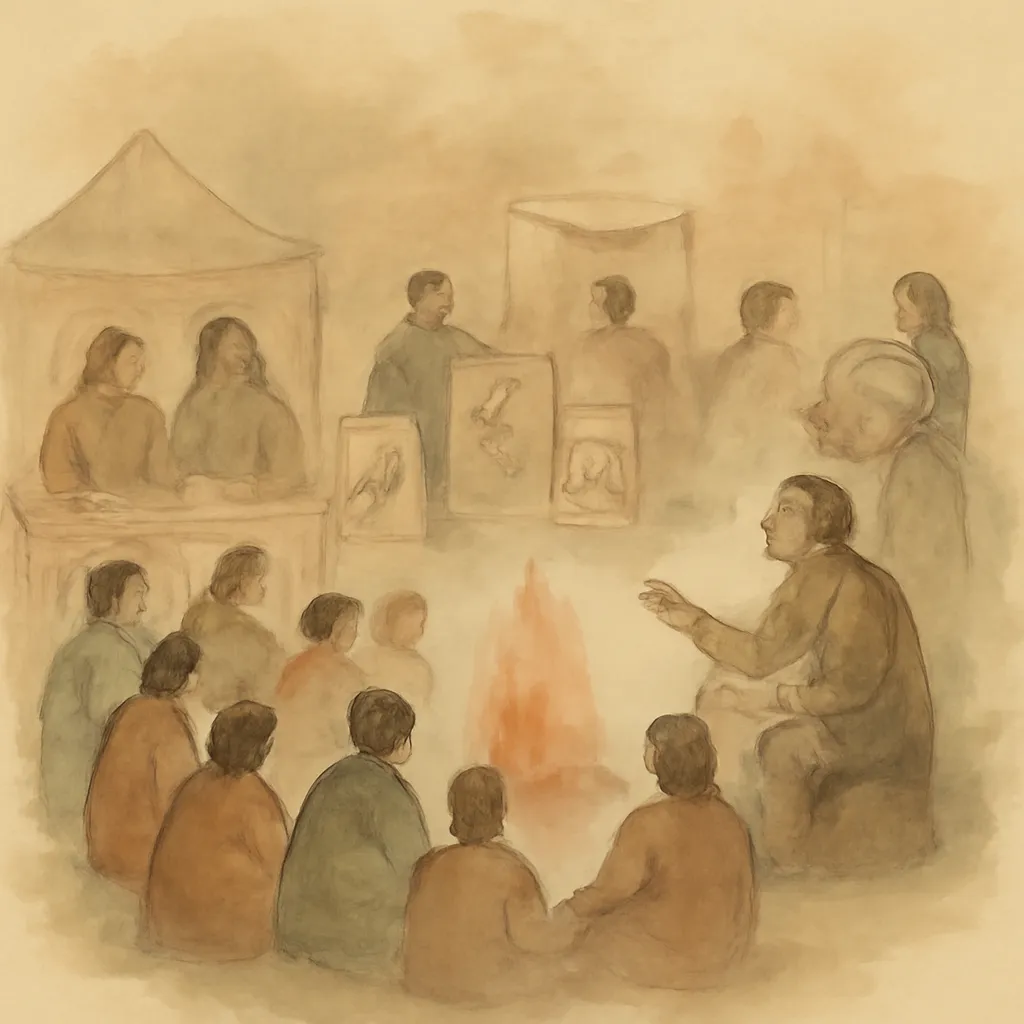
Myths served as a cultural touchstone for the ancient Greeks and Romans, influencing their art, literature, and societal norms. The gods' tales were not mere entertainment; they conveyed moral lessons and societal values. Festivals, such as the Eleusinian Mysteries, were deeply rooted in these myths, providing communal experiences that reinforced cultural identity. The myths also offered explanations for natural phenomena, human behavior, and life events, helping societies make sense of their world. By studying these myths, modern readers can trace the evolution of themes such as heroism, sacrifice, and the quest for knowledge, which remain relevant in contemporary narratives. This cultural significance underscores the enduring impact of mythology on human civilization, shaping beliefs and practices throughout history.
4.Heroes and Their Journeys
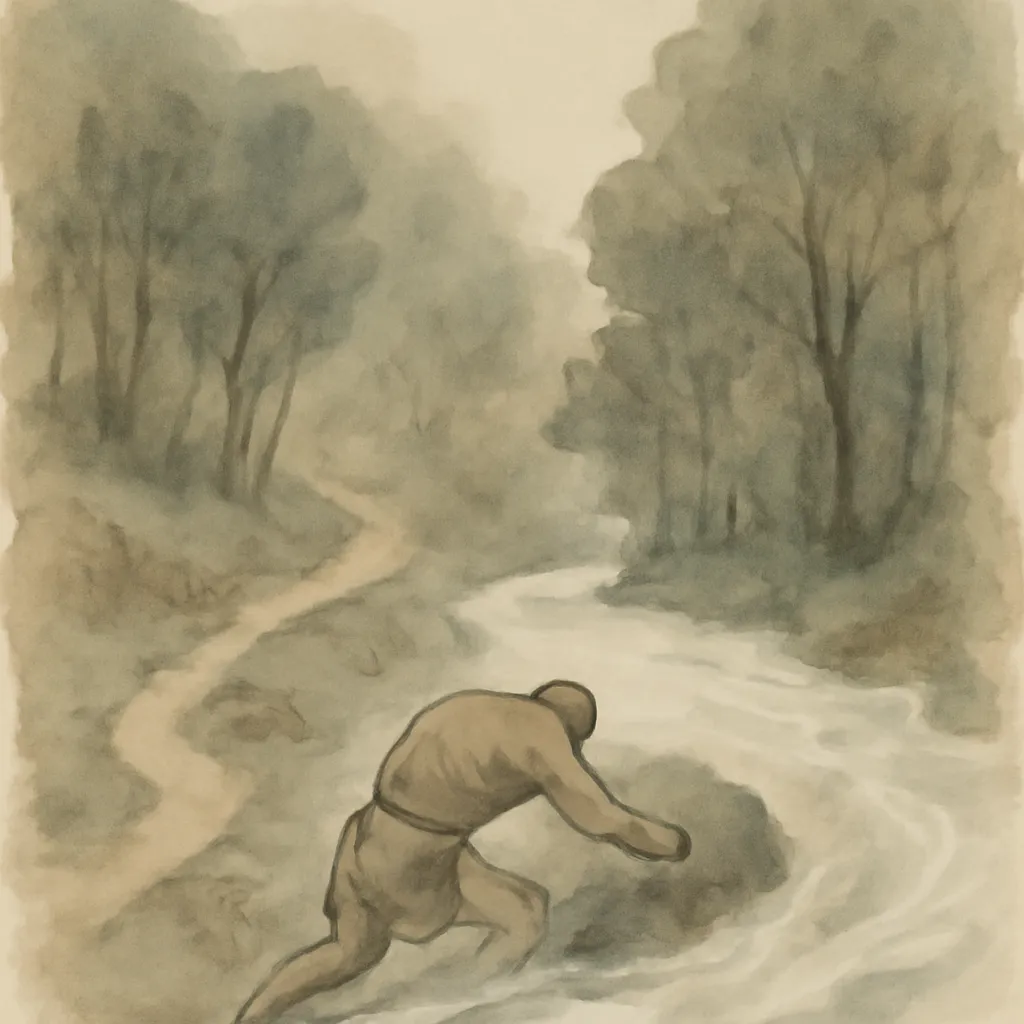
The legends of heroes like Heracles and Perseus exemplify the archetypal hero's journey, characterized by trials, tribulations, and ultimate triumph. Heracles, known for his strength and courage, undertakes the Twelve Labors, each representing a formidable challenge that tests his resolve and character. These tasks not only serve to redeem him but also highlight themes of perseverance and redemption. Similarly, Perseus' quest to slay Medusa showcases the hero's resourcefulness and bravery, as he navigates divine assistance and treacherous obstacles. These narratives resonate with readers, illustrating the universal struggle between good and evil, and the personal growth that arises from facing adversity. The heroes' journeys reflect the societal ideals of bravery, loyalty, and honor, inspiring generations to strive for greatness.
5.Divine Interference: The Role of Gods in Human Affairs
In many myths, the gods intervene directly in human lives, influencing outcomes based on their whims and desires. This divine interference often leads to both blessings and curses for mortals, underscoring the belief that human fate is intertwined with the will of the gods. For instance, Athena plays a crucial role in guiding heroes like Odysseus, while other deities, such as Poseidon, can unleash wrath upon those who incur their displeasure. This dynamic illustrates the ancient Greeks' understanding of the fragility of human existence and the need for piety and respect towards the divine. The consequences of neglecting the gods' worship are vividly portrayed in myths, reinforcing the cultural imperative to honor and appease these powerful beings. Such narratives serve as reminders of the interconnectedness of fate, divine will, and human agency.
6.The Significance of Festivals and Worship
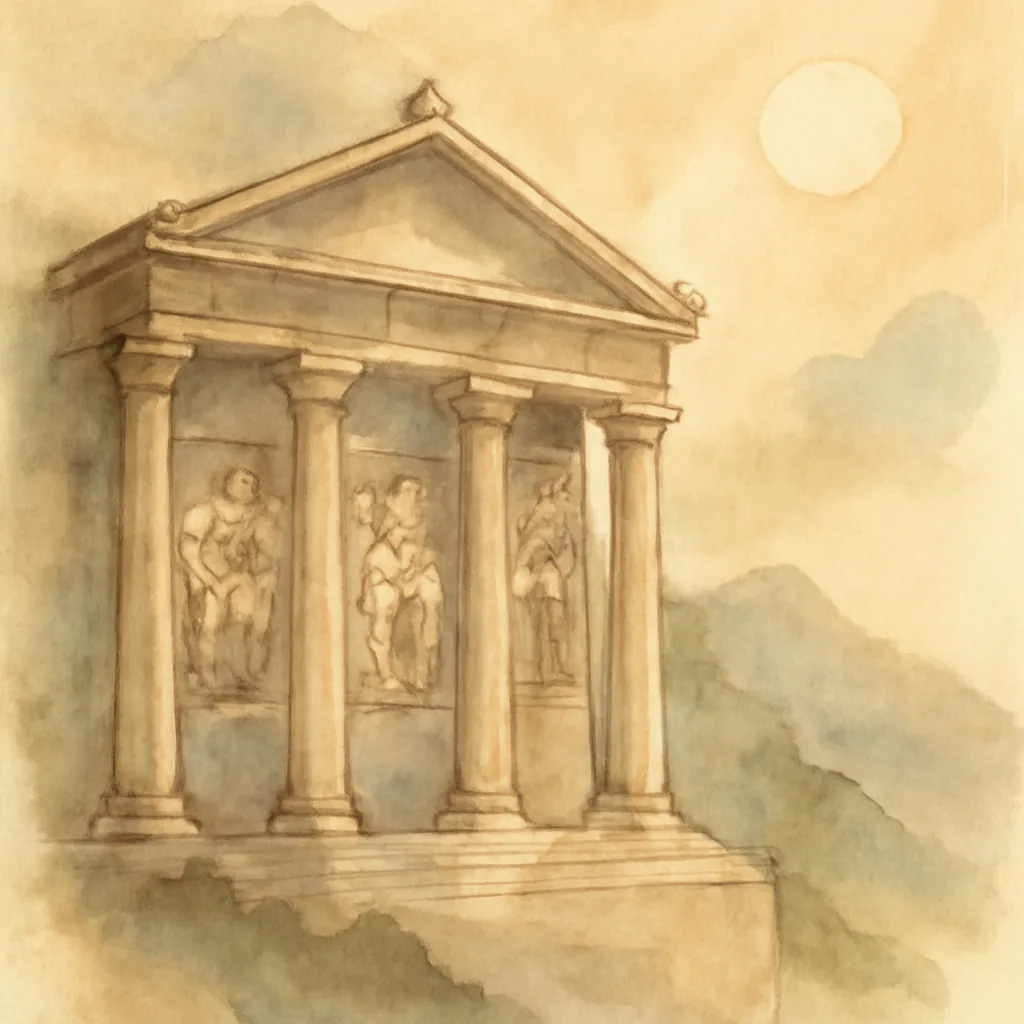
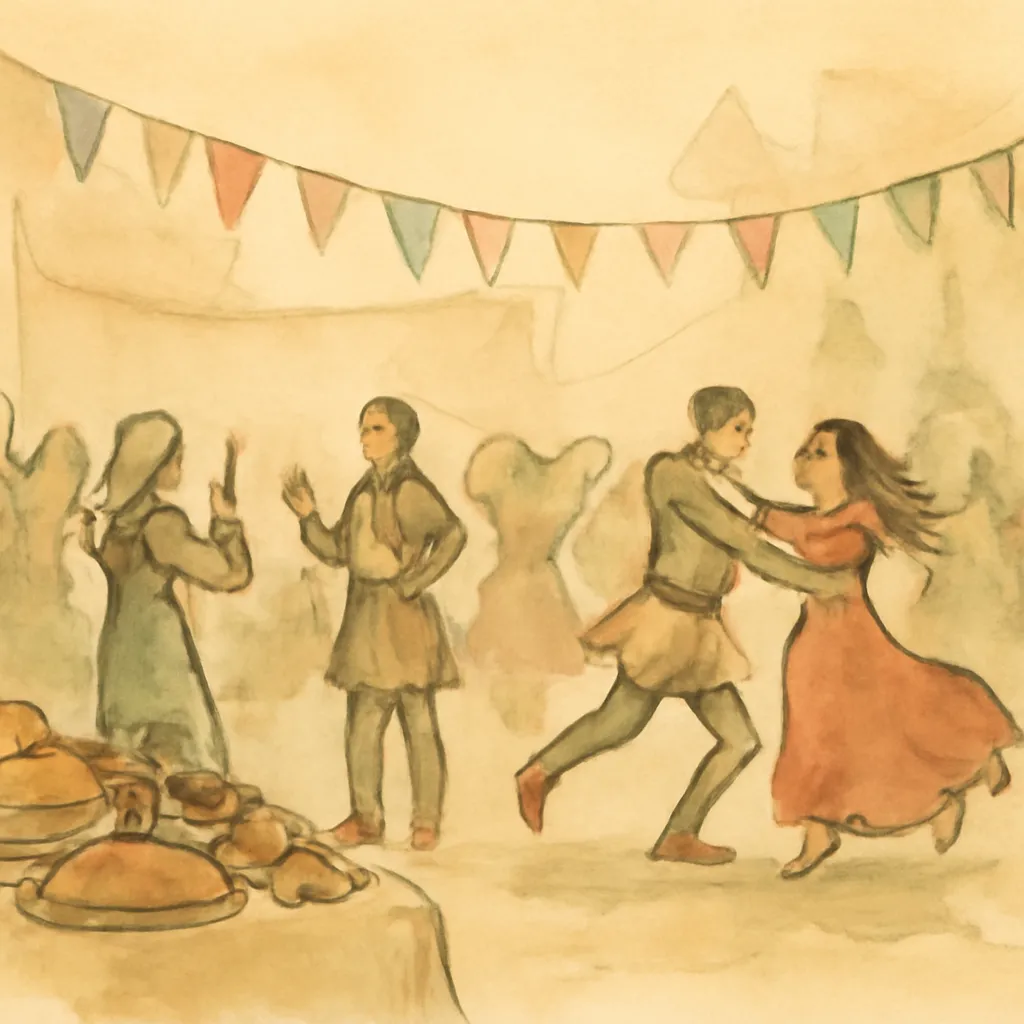
Public worship and festivals were integral aspects of ancient Greek and Roman life, serving as expressions of gratitude, reverence, and communal identity. Major festivals, such as the Dionysia and Saturnalia, celebrated the gods through rituals, performances, and feasting, reinforcing social bonds and cultural heritage. These events provided opportunities for citizens to engage with their deities and seek favor in return for their devotion. Temples, altars, and sacred sites were central to worship, where priests conducted sacrifices and rituals to appease the gods. The meticulous nature of these practices reflects the importance of maintaining divine favor in a society that attributed much of its prosperity and well-being to the gods. Through participation in these festivals, individuals connected not only with the divine but also with their fellow citizens, fostering a sense of belonging and shared purpose.
7.Transformation and Metamorphosis in Myths
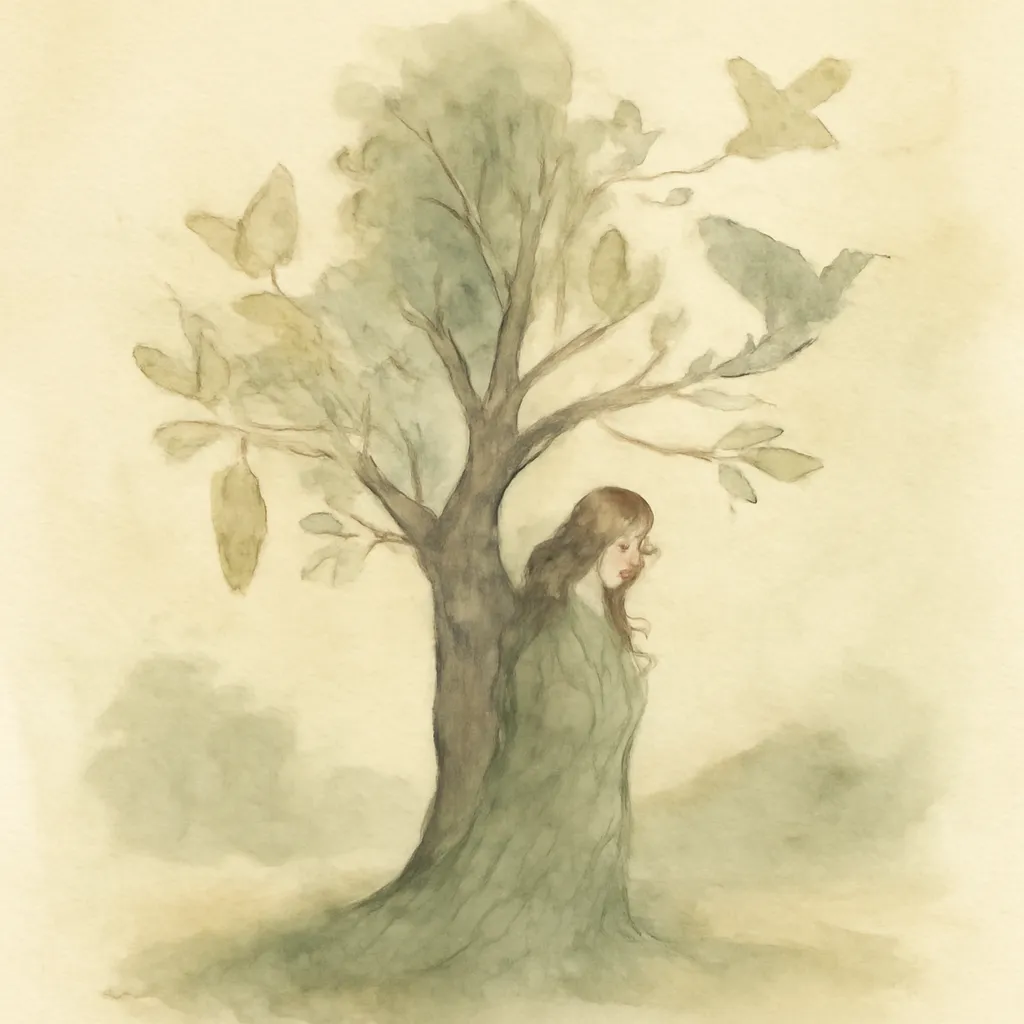
Transformation is a recurring theme in Greek and Roman mythology, where characters undergo profound changes as a result of divine intervention or personal choice. Myths often depict transformations as both punishment and reward; for instance, the story of Daphne's metamorphosis into a laurel tree symbolizes both escape from unwanted attention and the establishment of a lasting legacy. Such transformations serve as metaphors for human experiences of growth, loss, and renewal, illustrating the complexities of identity and existence. The ability of gods to change forms, as seen with Zeus' many disguises, further emphasizes the fluidity of identity in the mythological landscape. This theme resonates with contemporary discussions of transformation and self-discovery, highlighting the timeless nature of these narratives in exploring the human condition.
8.The Influence of Myths on Art and Literature
Greek and Roman myths have profoundly influenced artistic expression throughout history, inspiring countless works in literature, painting, and sculpture. The themes and characters from these myths have been revisited and reinterpreted by artists across cultures and eras. For example, the tragic tale of Oedipus has inspired numerous adaptations, exploring themes of fate, free will, and identity. The visual arts have also drawn heavily from mythology, with sculptures portraying gods and heroes in their most dramatic moments. The enduring appeal of these myths lies in their ability to evoke deep emotional responses and provoke thought about fundamental human experiences. By studying these artistic representations, modern audiences can gain insight into the values and concerns of both ancient and contemporary societies, bridging the gap between past and present.
9.Morality and Ethics in Mythological Narratives
Mythology serves as a vehicle for exploring moral and ethical dilemmas, offering lessons on virtues such as loyalty, justice, and humility. The fates of characters often reflect the consequences of their choices, reinforcing the idea that actions have repercussions. For instance, characters who display hubris are frequently punished by the gods, illustrating the importance of humility and respect for divine authority. These narratives prompt readers to reflect on their own values and behaviors, encouraging a deeper understanding of ethical principles. The moral lessons embedded in these myths continue to resonate, providing timeless guidance on navigating complex human relationships and societal expectations. By engaging with these stories, individuals can cultivate a sense of responsibility and integrity in their own lives.
10.The Legacy of Greek and Roman Myths Today
The myths and legends of ancient Greece and Rome have left an indelible mark on contemporary culture, influencing everything from literature to psychology. The archetypes established in these stories—such as the hero, the trickster, and the wise old man—continue to shape modern narratives and character development. Furthermore, the exploration of themes like love, betrayal, and the quest for knowledge remains relevant in today's society. Psychological theories, such as those proposed by Carl Jung, draw upon mythological archetypes to explain human behavior and the collective unconscious. This ongoing relevance underscores the power of myths to transcend time and place, offering insights into the human experience that are as applicable today as they were in antiquity. By studying these myths, we not only honor the past but also illuminate paths for future exploration of our own identities and values.