Fiction
Myths and Legends of Ancient Greece and Rome by E. M. Berens — Summary, Key Ideas & Full Text
353 pages5 chapters7h 5m read5h 2m speed read✦ 9-min Big ideasFree · no account
Rate it
Unlock the enchanting world of Greek and Roman mythology, revealing timeless tales of gods, heroes, and human nature
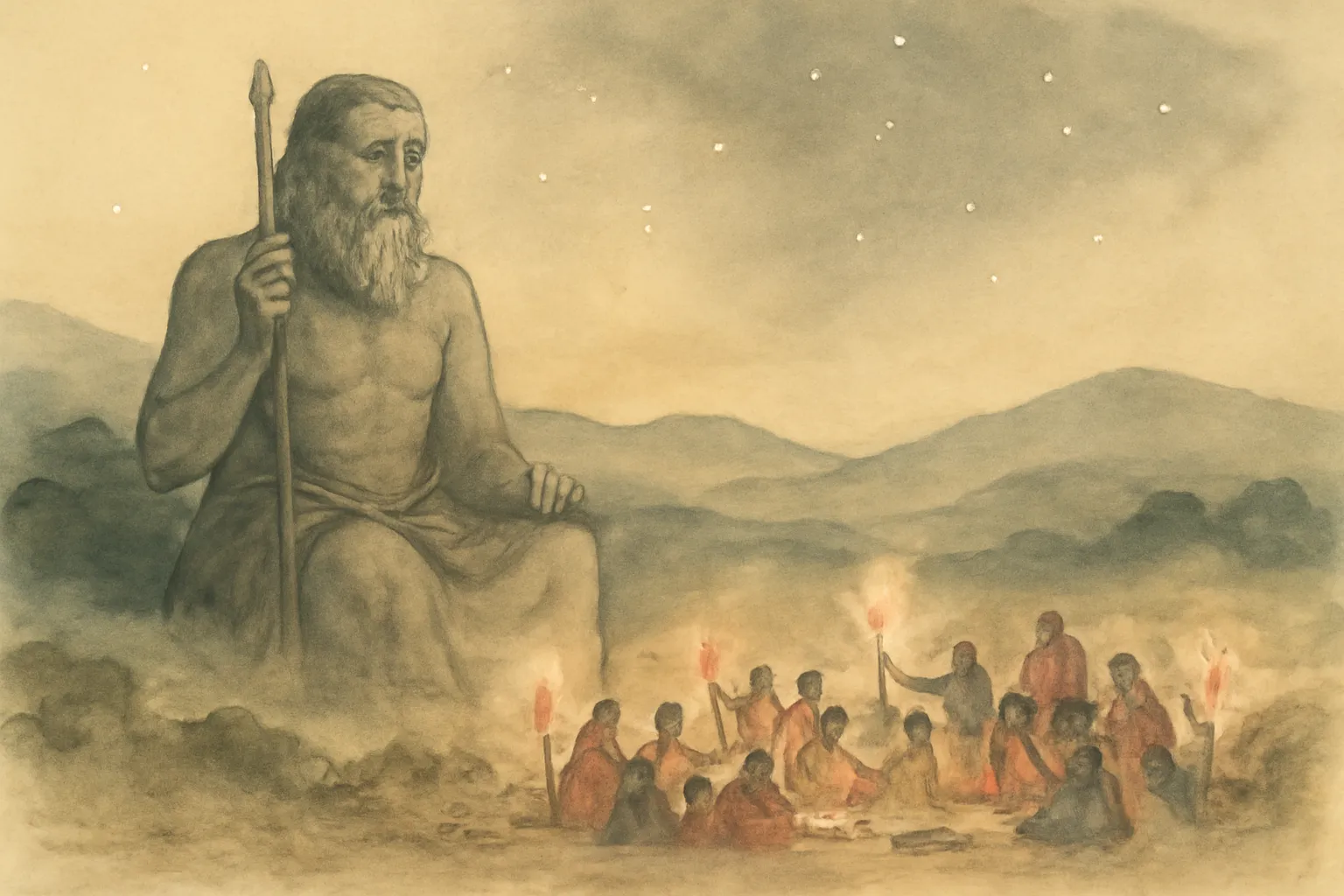
E. M. Berens' 'Myths and Legends of Ancient Greece and Rome' offers a captivating exploration of the rich tapestry of classical mythology, designed to engage young minds while providing a solid foundation for understanding ancient cultures. This work not only introduces the pantheon of gods and their intricate relationships but also delves into the legends that shaped the moral and ethical landscapes of ancient societies. Readers will uncover the fascinating stories of deities like Zeus, Athena, and Apollo, as well as legendary heroes such as Heracles and Perseus. By immersing themselves in these narratives, students will gain insights into the customs, beliefs, and values of the ancient Greeks and Romans, enhancing their appreciation of classical literature and art. Through Berens' respectful and accessible storytelling, the ancient world comes alive, inviting readers to reflect on the enduring power of myth.
The exploration of Greek and Roman mythology reveals a rich landscape of narratives that continue to resonate with audiences today. Through Berens' engaging retelling of these myths and legends, readers gain insight into the values, beliefs, and cultural practices of ancient civilizations. The characters and stories encapsulate timeless themes of love, ambition, and morality, inviting reflection on the human condition. As we navigate our own lives, the lessons embedded in these ancient tales provide guidance and inspiration, reminding us of our shared humanity and the enduring power of storytelling. By delving into these myths, we not only preserve the legacy of the past but also enrich our understanding of ourselves and the world around us.
Read E. M. Berens's work free on Lumina — the complete text plus an 8-minute summary and key ideas, no account needed