1.The Brutality of Captivity
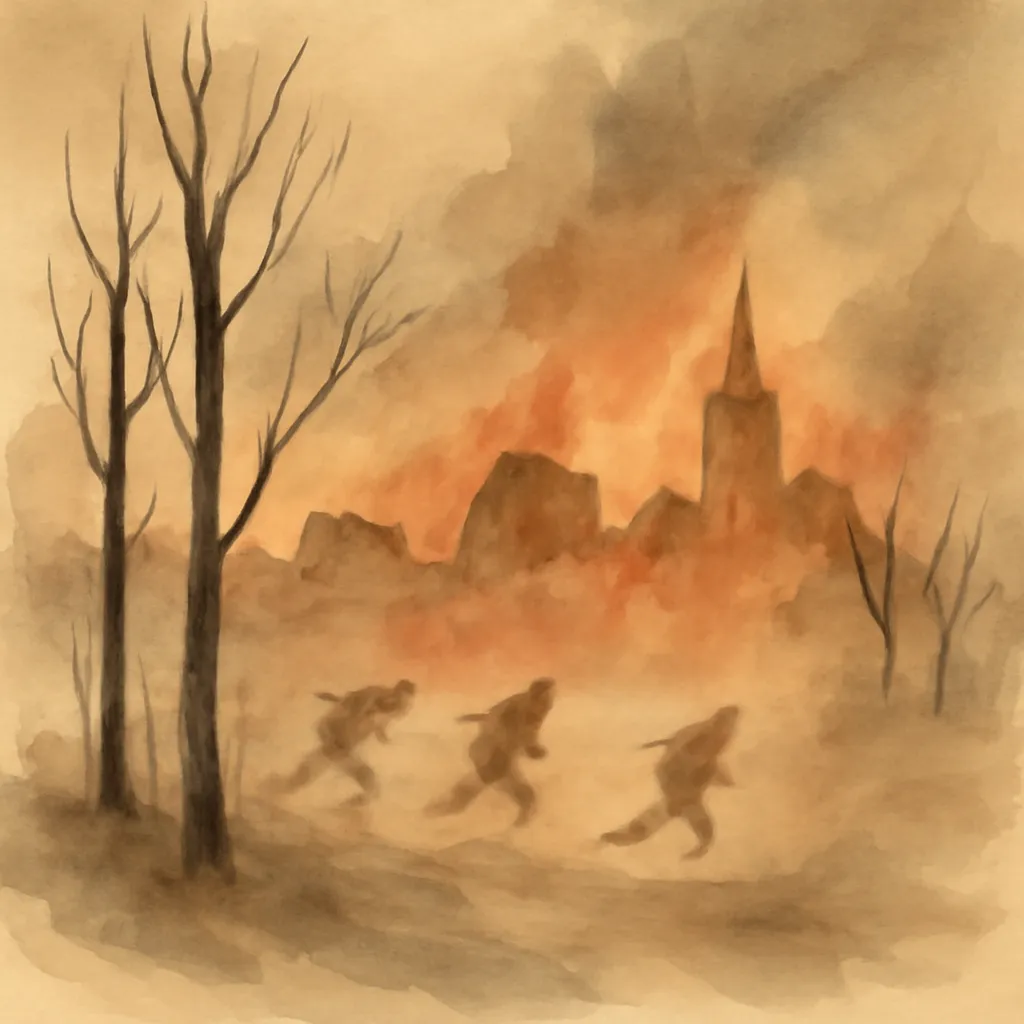
Rowlandson's narrative opens with an intensely graphic depiction of the attack on Lancaster, where her life is irrevocably altered. The violence she witnesses is astounding; she describes how the attackers killed her neighbors, burned their homes, and left a trail of devastation. With vivid imagery, she recounts the horror of children being separated from their parents and the screams of the wounded echoing in her ears. This initial experience of trauma sets the stage for her entire narrative, emphasizing how quickly violence can disrupt the fabric of community life. Rowlandson writes of her home being beset, bullets flying like hail, and the relentless assault on her family. This firsthand account provides a crucial understanding of the psychological impact of such brutality, as she grapples with fear and the loss of agency in her fight for survival. The sheer terror of that day and its aftermath encapsulates the violence of the time, reminding readers of the stakes involved in the conflict between settlers and Native Americans.
2.Faith as a Source of Strength
Throughout her captivity, Rowlandson’s unwavering faith emerges as a critical source of strength. She frequently turns to scripture, interpreting her suffering through a lens of divine providence. For Rowlandson, the belief in God's sovereignty provides a framework to understand her traumatic experiences. She cites biblical references to illustrate her faith, suggesting that her trials serve a higher purpose in God's grand design. Even as she endures hardship, she maintains a belief that there is a divine reason for her suffering. This reliance on faith is deeply personal; it allows her to maintain a sense of hope even while grappling with despair. Rowlandson's reflections illustrate how faith can act as a lifeline in the darkest of moments, offering comfort and meaning amidst chaos. Her story poses important questions about the role of faith in our lives—how do we find strength in the face of suffering? Through her endurance, she shows that faith can provide a vital framework for understanding and coping with adversity.
3.Cultural Encounters and Misunderstandings
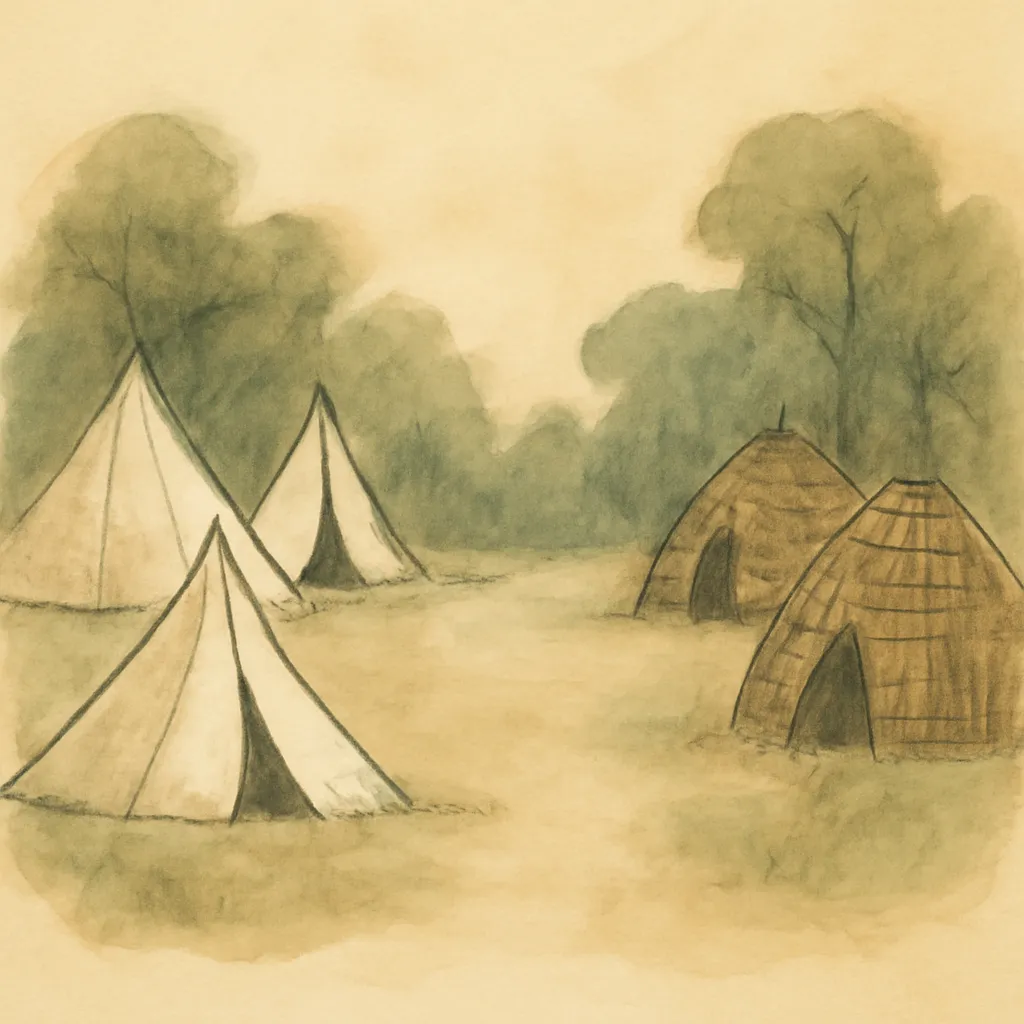
Rowlandson’s interactions with her captors reveal the deep cultural chasms between the English settlers and Native Americans. Throughout her captivity, she observes the differences in lifestyle, values, and social structures, often framing her perceptions through a colonial lens. The Indians, for instance, mock the English for their indecision and slowness, highlighting a cultural arrogance that often underpinned colonial attitudes. They express incredulity at the English army's delayed responses, scoffing at the settlers’ inability to pursue them effectively. Rowlandson’s narrative serves as a window into her own biases but also challenges readers to reconsider their assumptions about Native Americans. Her portrayal oscillates between recognizing their humanity and dehumanizing them as 'savages'. This duality speaks to the complexities of cultural identity, raising questions about how encounters between differing cultures can lead to misunderstanding, prejudice, and ultimately conflict. Rowlandson’s personal growth throughout these interactions illustrates the potential for empathy, even in the midst of war.
4.Survival Amid Scarcity
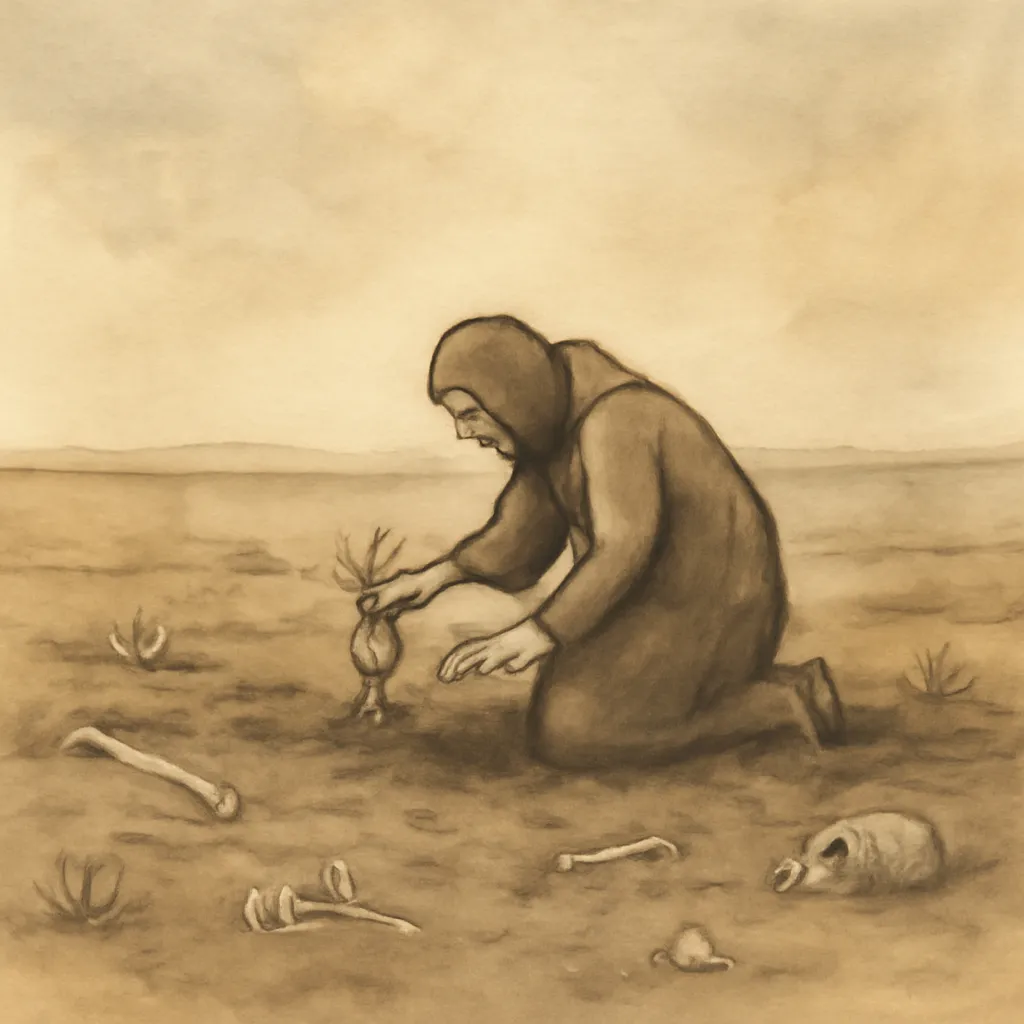
Rowlandson’s narrative starkly illustrates the conditions of survival during her eleven weeks of captivity. Deprived of her familiar comforts, she learns to adapt to a harsh diet consisting of what her captors can forage: ground nuts, acorns, and even scavenged bones. This stark diet underscores the brutal realities of life in the wilderness, challenging her to reconsider her prior assumptions about food and survival. Rowlandson expresses admiration for the Indians' resourcefulness, recognizing that they thrive in an environment that would leave most English settlers helpless. The Indians rely on their knowledge of the land, illustrating their intimate connection to nature and their ability to make use of its resources, often eating things that would be considered inedible by the English. The theme of survival amid scarcity emphasizes the adaptability of the human spirit and raises questions about what it means to endure. Rowlandson’s experiences highlight both the physical and psychological dimensions of survival, illustrating how resilience is forged in the crucible of deprivation, leading her to appreciate what she previously took for granted.
5.Divine Providence and Human Agency
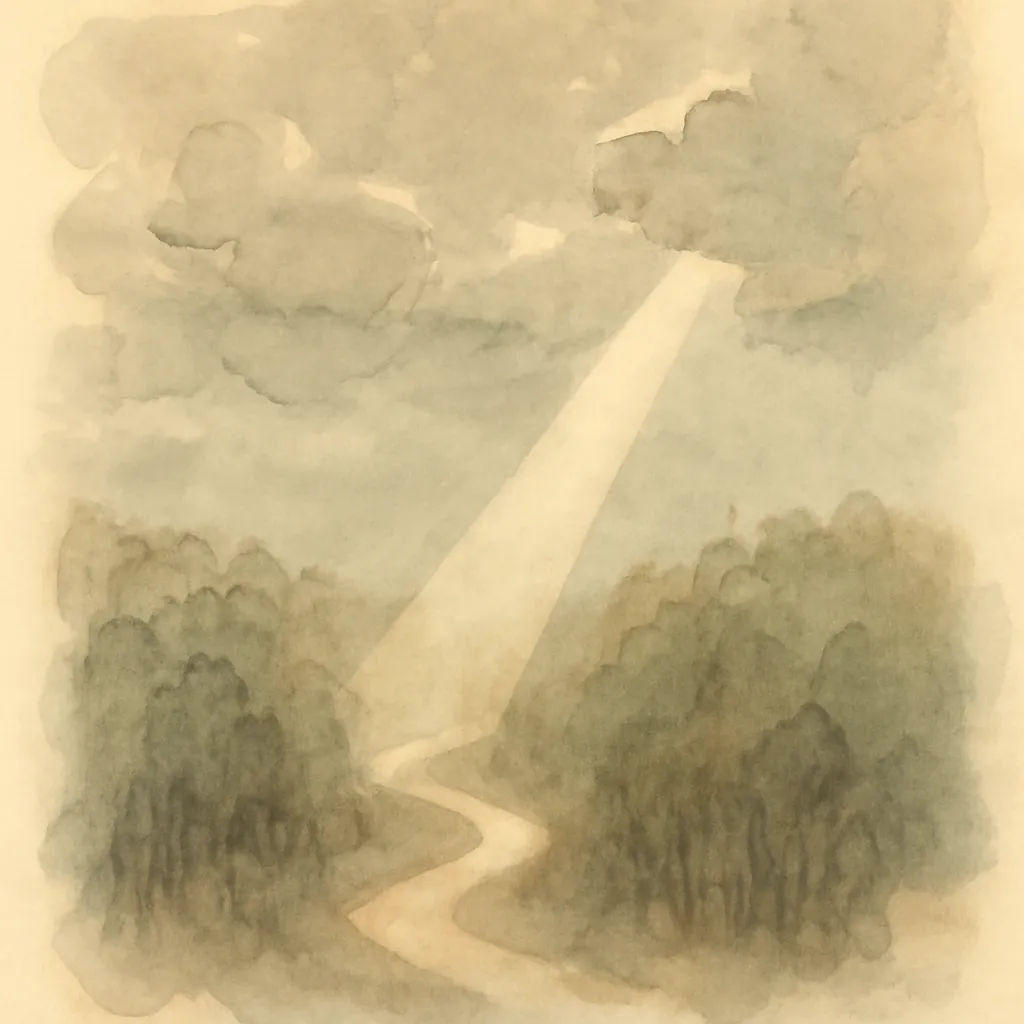
Rowlandson navigates the tension between divine providence and human agency throughout her account. She frequently attributes her plight to God's will, interpreting her suffering as part of a larger divine narrative. This perspective raises critical questions about free will: to what extent are we responsible for our circumstances, and how do we integrate our experiences into our understanding of divine purpose? Rowlandson's faith provides her with a lens through which she views her captivity; she believes that God has a plan, even in the face of her suffering. Her reflections highlight that while she feels helpless in her captivity, she is also part of a larger story that is unfolding according to divine wisdom. This belief compels her to find meaning in her experiences, suggesting that the interplay of faith and agency is a fundamental aspect of the human experience. Readers are prompted to reflect on their interpretations of suffering and how faith can shape our responses to adversity.
6.The Role of Women in Conflict

Rowlandson’s narrative offers a rare glimpse into the experiences of women during a time of conflict. As a mother and wife, her captivity takes on additional layers of emotional turmoil as she is separated from her children and husband. The societal expectations placed on women in colonial America are evident, as they are often relegated to the domestic sphere. Yet, Rowlandson's resilience and determination to survive illustrate the strength women can possess, challenging traditional gender roles. Her account reveals that women, even in their vulnerability, can exhibit profound courage and resourcefulness. Rowlandson’s reflections on her role as a captive underscore the unique struggles faced by women in wartime, where their identities are often intertwined with their familial roles. This focus on female agency highlights the importance of acknowledging women's contributions to the historical narrative and encourages readers to consider how gender shapes experiences of war and captivity. By sharing her story, Rowlandson not only seeks to document her experiences but also asserts her voice in a male-dominated historical record.
7.The Complexity of Identity
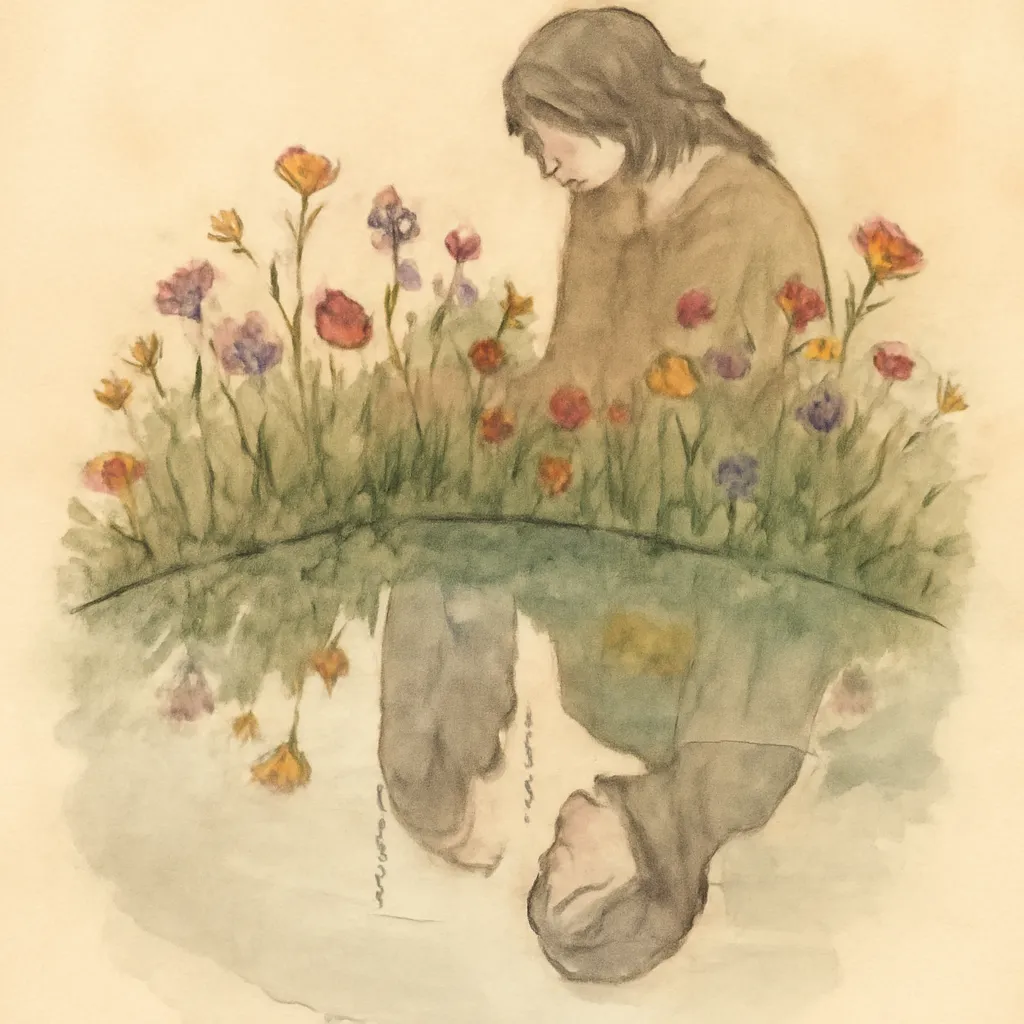
Rowlandson’s reflections reveal the complexities of identity during her captivity. In her interactions with her captors, she confronts her own biases and preconceived notions about them. Initially, she views the Indians through a lens of fear and hostility, but as her captivity extends, she begins to see aspects of their humanity. This struggle with identity is particularly poignant as she moves from being an English settler to a captive, forced to navigate a world that challenges her understanding of self. Rowlandson’s evolving perspective raises important questions about how experiences can reshape our perceptions of ourselves and others. The fluidity of her identity illustrates that captivity does not merely strip away one’s sense of self but can also provoke reflection and growth. As she grapples with her new reality, Rowlandson's narrative becomes not just a tale of survival but a journey towards self-discovery and the recognition of shared humanity. This duality in her identity poses a challenge to the reader to consider the complexities of human nature in the context of conflict.
8.The Psychological Toll of Captivity
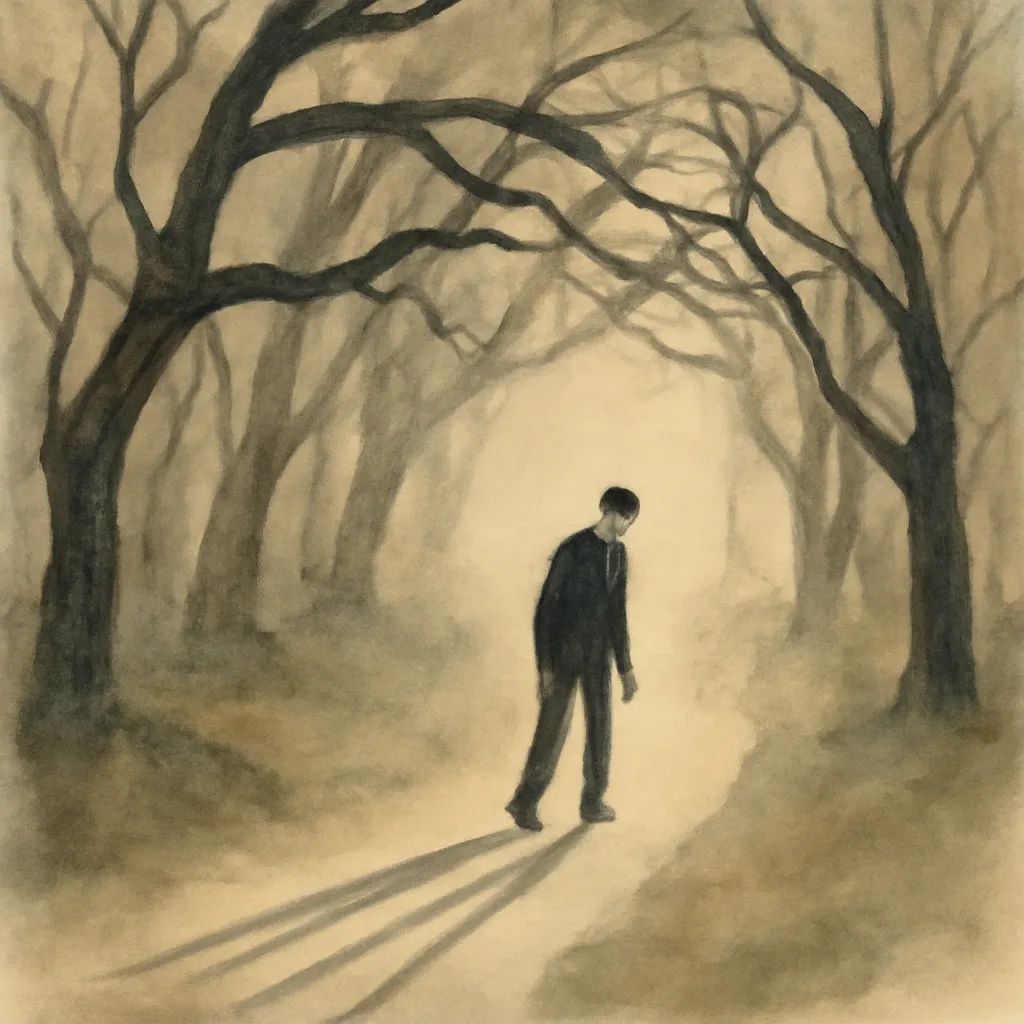
The psychological impact of captivity is a recurring theme in Rowlandson's narrative. She frequently reflects on her mental state, oscillating between despair and moments of hope. The trauma of witnessing violence and the constant threat to her safety lead to significant psychological strain. Rowlandson's candid exploration of her emotional struggles makes her narrative not only a historical document but a deeply personal reflection on the human condition. The psychological toll of her experiences illustrates how trauma can affect one's perception of reality and sense of self. She grapples with loneliness, loss, and the fear of the unknown, often questioning her faith and purpose in such dire circumstances. Her narrative serves as a reminder of the enduring effects of captivity and violence, prompting readers to consider the long-lasting impact of trauma on individuals and communities. By documenting her mental anguish, Rowlandson opens a dialogue about the importance of mental health and the need for compassion towards those who have suffered.
9.The Return Home and Its Challenges

Rowlandson's eventual return home marks a significant turning point in her narrative, yet it is fraught with its own challenges. She grapples with the changes that have occurred during her absence, both within herself and her community. The reunion with her family is filled with joy, yet it is shadowed by the trauma she has endured. Rowlandson's reflections on her reintegration highlight the emotional scars left by her captivity, emphasizing that returning home is not merely a physical act but an emotional and psychological journey. The changes in her community, the loss of friends, and the estrangement from her former life weigh heavily on her. Rowlandson's narrative underscores the complexities of healing after trauma, illustrating that reconciliation with one's past is often fraught with difficulty. This theme resonates with anyone who has faced loss or trauma, emphasizing the need for understanding and compassion in the aftermath of suffering. Her return is not an end but rather a beginning of a new chapter filled with the challenges of rebuilding her life.
10.Lessons on Compassion and Understanding
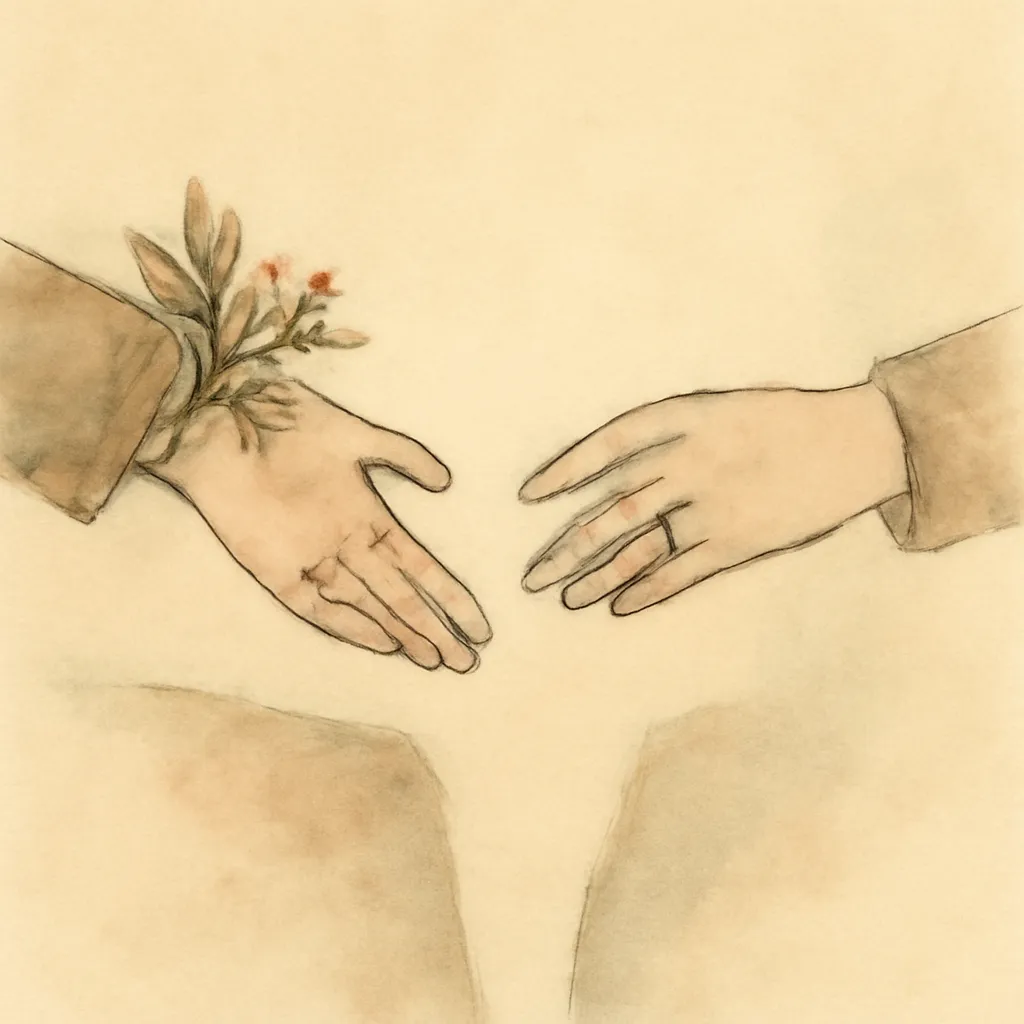
Rowlandson's narrative ultimately serves as a powerful call for compassion and understanding across cultural divides. Through her experiences, she comes to recognize the shared humanity that exists even between adversaries. Her journey reveals the complexities of empathy and the potential for connection amidst conflict. By confronting her biases and acknowledging the resilience of her captors, Rowlandson's account challenges readers to reflect on their own perceptions of 'the other'. Her narrative invites us to consider how compassion can bridge divides and foster understanding in an increasingly polarized world. This lesson is particularly relevant today, as societies grapple with issues of cultural misunderstanding and conflict. Rowlandson’s story serves as a reminder that, even in the darkest times, it is possible to find common ground and recognize the humanity in one another. This call for understanding resonates across generations, encouraging us to build bridges rather than walls.