
Mary Rowlandson's harrowing tale reveals the profound struggle between faith and survival amid the horrors of captivity
Read full overviewShow less›
In 'Narrative of the Captivity and Restoration of Mrs. Mary Rowlandson', readers are taken on a gripping journey through the lens of a woman who endured the brutal realities of life as a captive during King Philip's War. This firsthand account not only chronicles her physical suffering and the loss of her loved ones but also explores her spiritual resilience and the overarching presence of divine providence amid chaos. Rowlandson’s narrative serves as a poignant reflection on the nature of suffering, the complexities of cultural encounters, and the interplay of faith in times of despair. By examining her experiences and the stark realities faced by both the English settlers and Native Americans, the narrative invites readers to ponder the deeper meanings of survival, faith, and the human spirit's capacity to endure unimaginable trials.
Mary Rowlandson's narrative is not just a tale of captivity; it is a profound exploration of faith, identity, and the human spirit's resilience. Through her harrowing experiences, Rowlandson offers readers a window into the complexities of cultural encounters and the psychological toll of violence and loss. Her reflections challenge us to consider the role of faith in our lives and the ways in which we interpret suffering and survival. As a historical document, it sheds light on the realities of colonial America while also resonating with contemporary themes of trauma, identity, and the struggle for understanding across cultural divides. Rowlandson's story is a testament to the enduring strength of the human spirit in the face of unimaginable adversity.
- 1The Brutality of Captivity
- 2Faith as a Source of Strength
- 3Cultural Encounters and Misunderstandings
- 4Survival Amid Scarcity
- 5Divine Providence and Human Agency
Notable quotes
“See now that I, even I am he, and there is no god with me, I kill and I make alive, I wound and I heal, neither is there any can deliver out of my hand.”
“Thus these murderous wretches went on, burning, and destroying before them.”
“They are not grieved for the affliction of Joseph, therefore shall they go captive, with the first that go captive.”
A glimpse inside

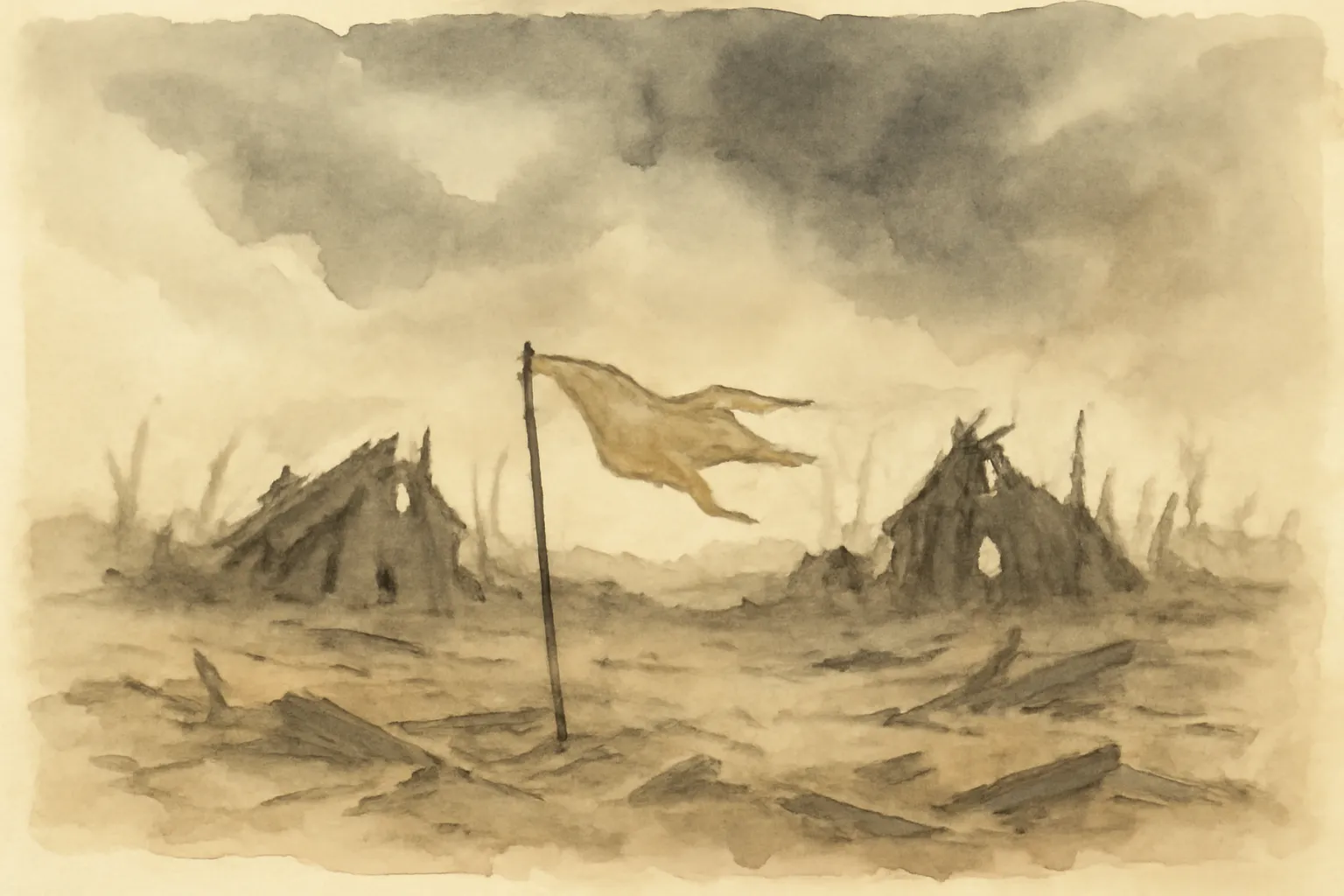
Rowlandson's narrative opens with an intensely graphic depiction of the attack on Lancaster, where her life is irrevocably altered. Read moreRowlandson's narrative opens with an intensely graphic depiction of the attack on Lancaster, where her life is irrevocably altered. The violence she witnesses is astounding; she describes how the attackers killed her neighbors, burned their homes, and left a trail of devastation. With vivid imagery, she recounts the horror of children being separated from their parents and the screams of the wounded echoing in her ears. This initial experience of trauma sets the stage for her entire narrative, emphasizing how quickly violence can disrupt the fabric of community life. Rowlandson writes of her home being beset, bullets flying like hail, and the relentless assault on her family. This firsthand account provides a crucial understanding of the psychological impact of such brutality, as she grapples with fear and the loss of agency in her fight for survival. The sheer terror of that day and its aftermath encapsulates the violence of the time, reminding readers of the stakes involved in the conflict between settlers and Native Americans. Show less
Throughout her captivity, Rowlandson’s unwavering faith emerges as a critical source of strength. She frequently turns to scripture, interpreting her suffering through a… Read moreThroughout her captivity, Rowlandson’s unwavering faith emerges as a critical source of strength. She frequently turns to scripture, interpreting her suffering through a lens of divine providence. For Rowlandson, the belief in God's sovereignty provides a framework to understand her traumatic experiences. She cites biblical references to illustrate her faith, suggesting that her trials serve a higher purpose in God's grand design. Even as she endures hardship, she maintains a belief that there is a divine reason for her suffering. This reliance on faith is deeply personal; it allows her to maintain a sense of hope even while grappling with despair. Rowlandson's reflections illustrate how faith can act as a lifeline in the darkest of moments, offering comfort and meaning amidst chaos. Her story poses important questions about the role of faith in our lives—how do we find strength in the face of suffering? Through her endurance, she shows that faith can provide a vital framework for understanding and coping with adversity. Show less
Read the full text — free
About the author
Read Mary White Rowlandson's work free on Lumina — the complete text plus an 8-minute summary and key ideas, no account needed