1.The Legacy of Storytelling
Nicanor's journey begins with the recognition of his inherited gift of storytelling, passed down through generations from his great-grandfather Melchior. This ancestral link highlights the importance of tradition and the role of storytelling as a cultural artifact within Roman Britain. Rathumus, Nicanor's father, acknowledges that the gift of narrative is not merely a talent but a responsibility, suggesting that stories have the power to shape the world and influence the lives of others. As Nicanor grows, he learns that storytelling is not just about entertainment; it is a means of connecting with people, preserving history, and understanding the human condition. The narrative illustrates how the weight of this legacy can both inspire greatness and impose burdens on those destined to bear it. Nicanor's aspirations reflect the struggle of many artists who grapple with the expectations set upon them by their forebears, raising questions about the nature of creativity and originality in a world steeped in tradition.
2.The Nature of Power and Responsibility
The interplay between power and responsibility is a central theme throughout the novel. Rathumus's cautionary advice to Nicanor serves as a reminder that with great talent comes the potential for misuse. As Nicanor strives to find his voice and make an impact, he grapples with the ethical implications of his storytelling. Various characters, especially the Roman officials, embody different aspects of power—its allure, its corruption, and its ultimate fragility. Eudemius, a prominent Roman lord, represents the manipulation of power for personal gain, while Nicanor's innocence contrasts sharply with the morally ambiguous world of politics. The narrative raises critical questions about the responsibilities that come with influence: How should one wield power? What are the consequences of using storytelling to manipulate or uplift? These questions resonate throughout Nicanor's journey as he seeks to navigate the complexities of his role as a storyteller. As he matures, he comes to understand that the stories he tells can either unify or divide, heal or wound—an insight that shapes his character and choices.
3.The Fabric of History and Imagination
The novel intricately weaves historical events with imaginative storytelling, demonstrating how narratives can fill the gaps left by history. The account of Saxon conquest in Britain is presented not merely as a series of battles but as a profound transformation of culture and identity. The author critiques the tendency to oversimplify historical narratives, suggesting that history is a 'scattered medley' rather than a linear tale, filled with 'commonplace round of human life and toil.' This blending of history and imagination invites readers to reflect on how stories shape our understanding of the past and influence our present. Through Nicanor's tales, the reader glimpses the lives and struggles of ordinary people caught in the throes of great historical events, emphasizing that history is not just about great leaders and epic battles but also about the lives of those who live in the shadows of these moments. The novel encourages a more nuanced appreciation of both history and storytelling, highlighting how the two can coexist to create a richer understanding of human experience.
4.The Tension Between Individual and Collective Identity
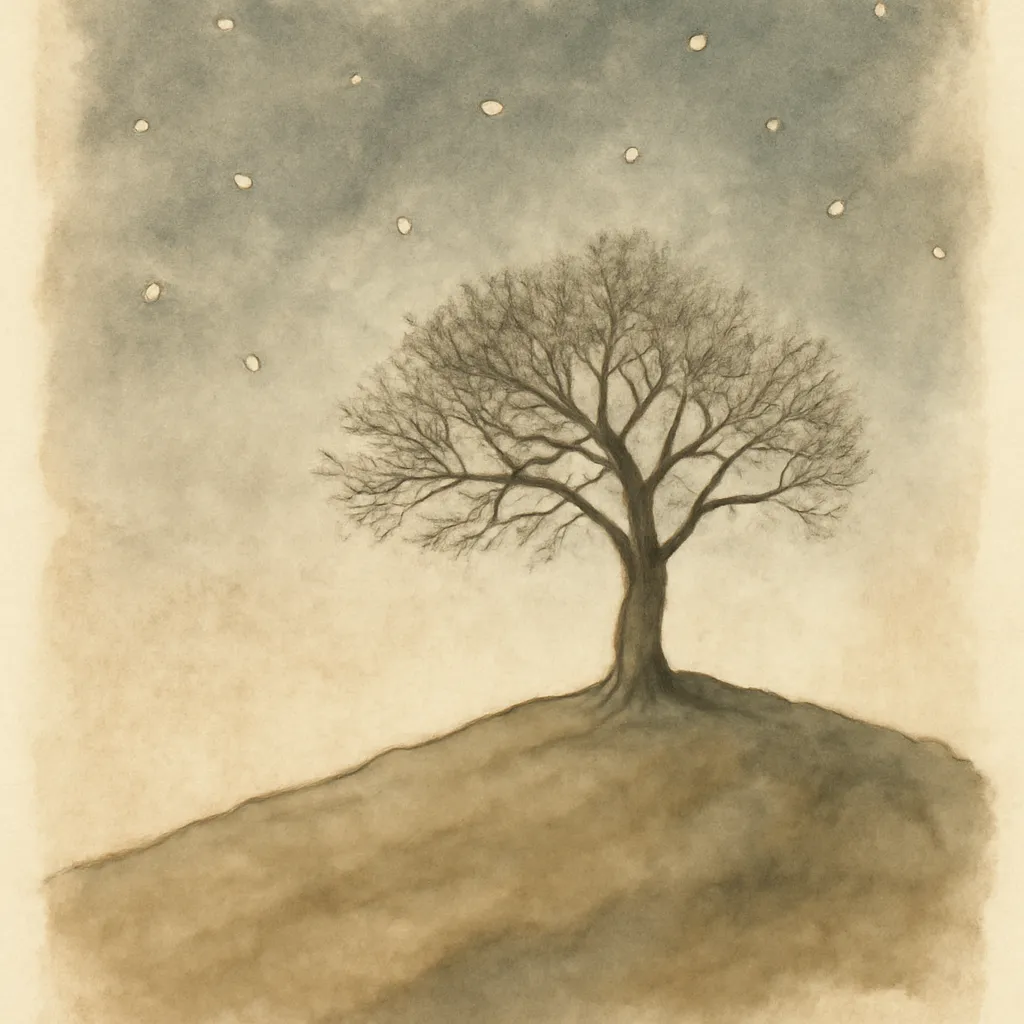
Nicanor's development as a storyteller reflects a broader tension between individual identity and the collective narrative of society. As he begins to sing to the stars, he aspires to connect his personal experiences with the larger human story. This quest for identity is mirrored in the lives of other characters, including Eudemius and Marius, who grapple with their roles within the Roman hierarchy. The novel illustrates how personal ambitions can clash with societal expectations, leading to moments of self-discovery and conflict. Nicanor's journey emphasizes that while individuals may strive for greatness, they are invariably shaped by the collective experiences of their culture and history, creating a rich tapestry of identity that is both personal and communal. The tension between his desire for individuality and the pull of familial and cultural expectations highlights a universal struggle, allowing readers to connect with Nicanor's journey on a deeply personal level.
5.The Role of Women in Roman Society
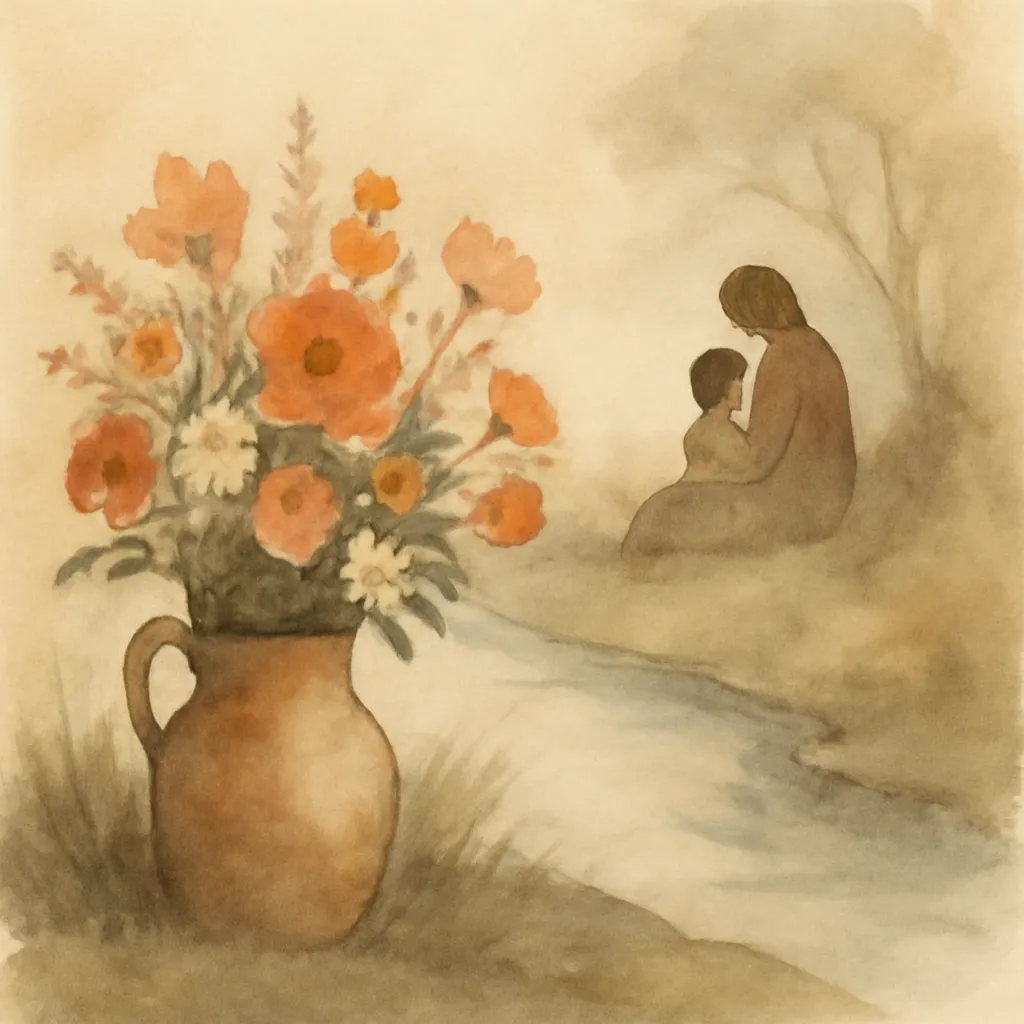
The characters of Susanna and the Lady Varia provide insight into the roles of women in Roman Britain, highlighting their influence and the constraints they face. Susanna's deep emotional connection to Nicanor showcases the maternal bond and the sacrifices made by women for their children’s futures. Her character embodies the strength and resilience of women in a patriarchal society, suggesting that their contributions, while often overlooked, are essential to the fabric of family and community. Meanwhile, the Lady Varia's interactions with male characters reveal the limited agency women hold in the political and social spheres. The novel explores themes of power dynamics and gender, suggesting that women's voices, though often silenced, are integral to the fabric of storytelling. Their perspectives enrich the narrative, offering a counterpoint to the predominantly male-driven plots of ambition and conquest. Through the lens of these female characters, the novel affirms the importance of recognizing women's roles in history and storytelling, urging a reevaluation of traditional narratives that have often marginalized their experiences.
6.The Complexity of Human Relationships
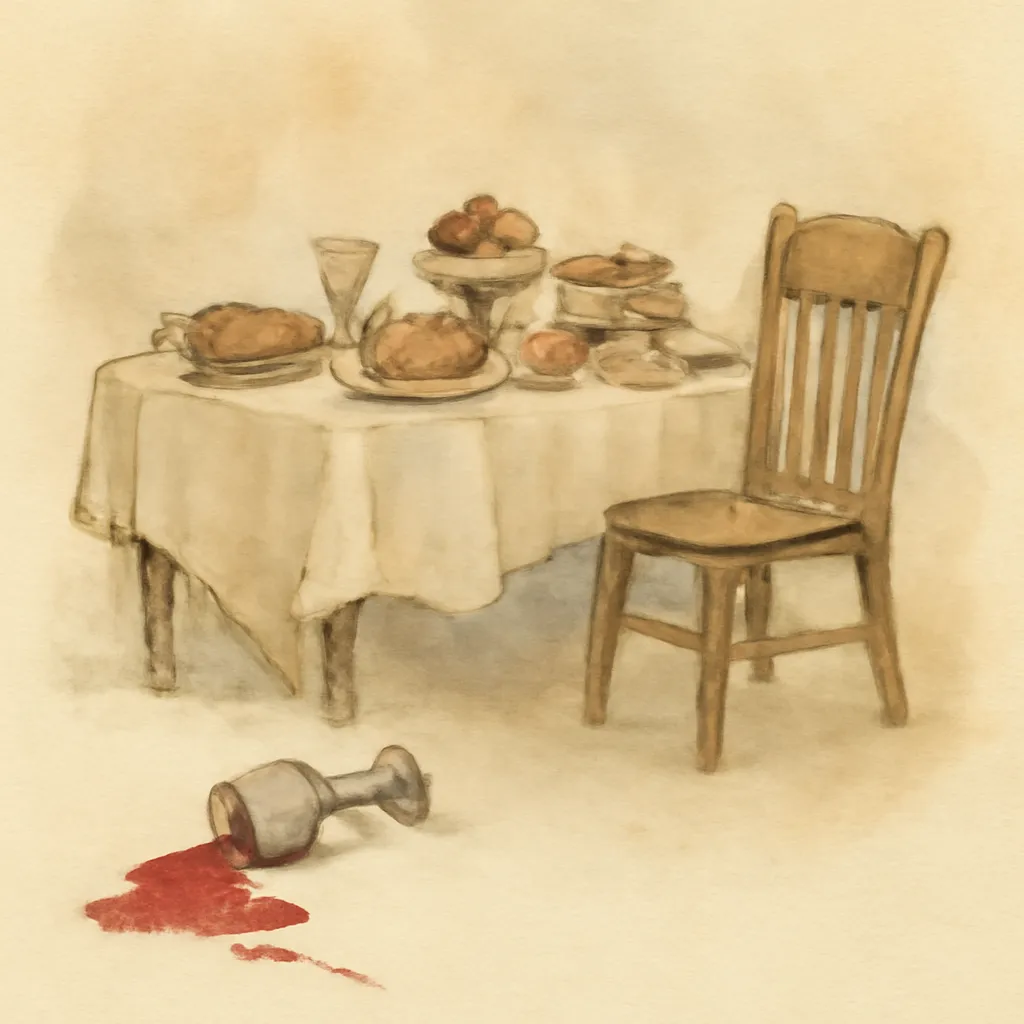
At the heart of 'Nicanor - Teller of Tales' lies a rich exploration of human relationships, from familial bonds to friendships and rivalries. Nicanor's interactions with his father Rathumus reveal a deep-seated desire for approval and understanding, while the tension between Eudemius and Marius illustrates the fragility of alliances in the pursuit of power. These relationships are marked by love, conflict, and betrayal, reflecting the multifaceted nature of human connections. The narrative underscores the idea that storytelling can both bridge and widen these gaps, offering a means of reconciliation or a tool for manipulation. Nicanor's evolving relationships with those around him, including his peers and mentors, highlight the importance of empathy and understanding in forging meaningful connections. Through these complex interactions, the novel paints a vivid picture of the human experience, emphasizing that relationships are often as intricate as the stories we tell. The exploration of these dynamics reveals how storytelling can serve as a vehicle for healing or hurt, shaping the bonds that bind individuals together or tear them apart.
7.The Influence of Fate and the Gods
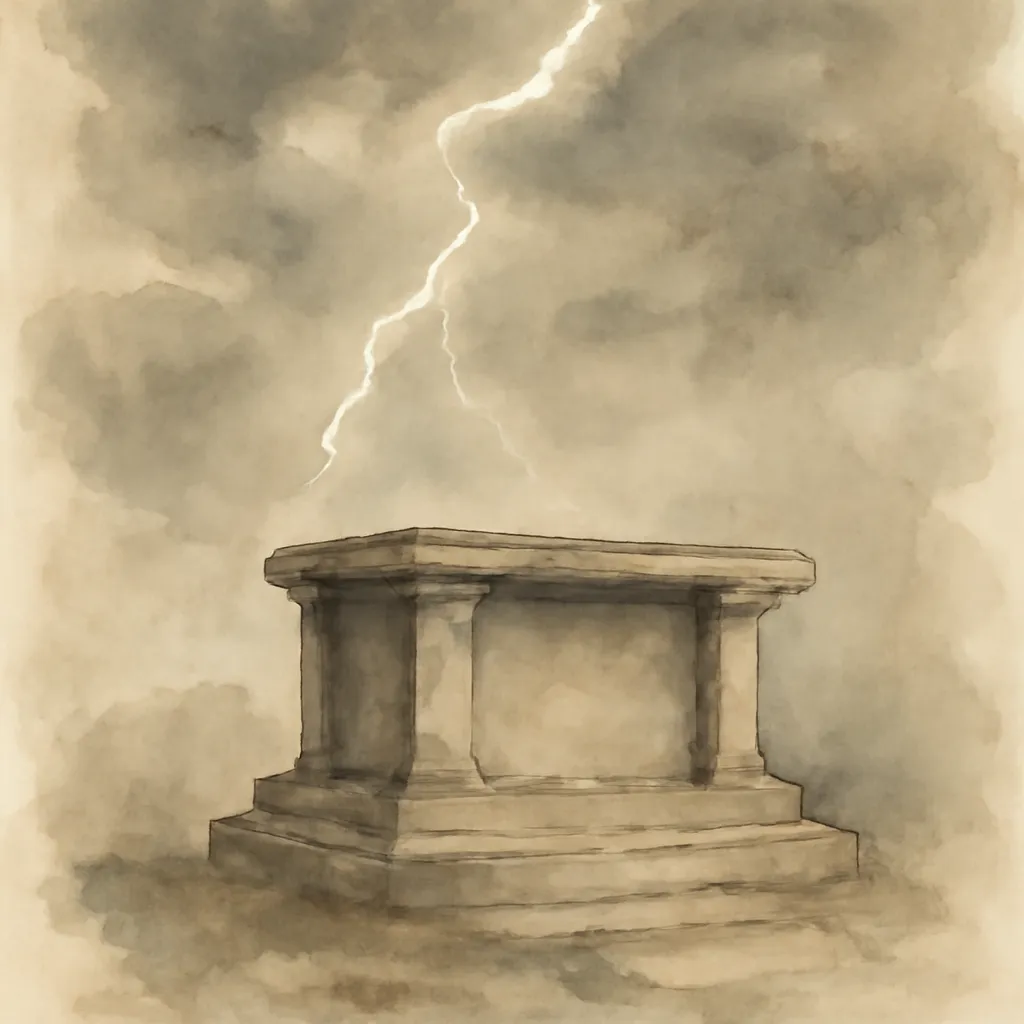
The theme of fate versus free will is prevalent throughout the narrative, as characters grapple with the influence of divine forces and their own choices. Rathumus warns Nicanor to remember that 'men's hands lie between the hands of the gods,' suggesting a belief in fate's power over human agency. This tension is mirrored in the decisions made by characters like Eudemius, who must navigate the repercussions of their actions while contemplating divine judgment. The novel invites readers to consider how much control individuals truly have over their destinies and how much is predetermined by forces beyond their understanding. This exploration of fate adds a layer of complexity to the narrative, prompting reflection on the nature of human existence and the interplay between choice and destiny. Nicanor's journey is not merely about personal ambition; it is also about understanding the greater forces at play in his life, leading to a deeper consideration of how individuals navigate their paths within a world influenced by both divine and human actions.
8.The Power of Memory and Storytelling
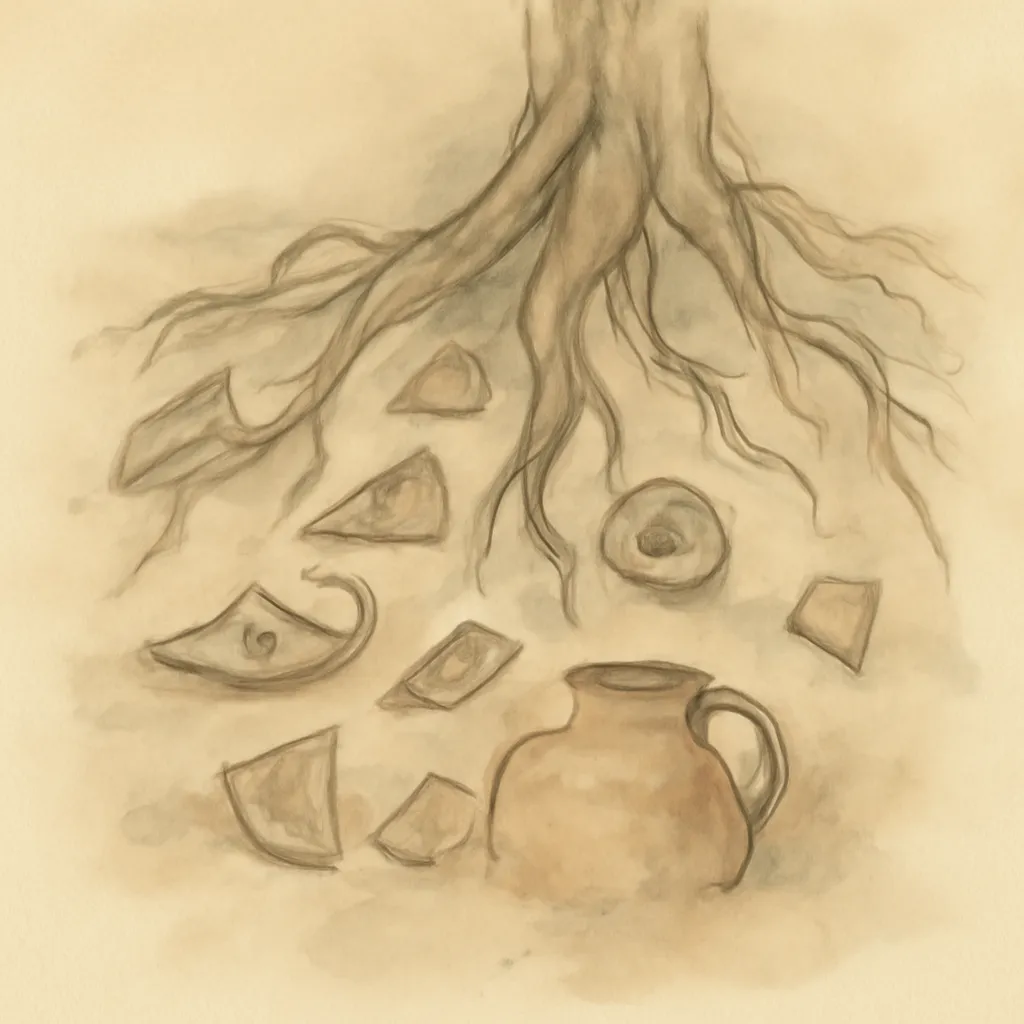
Memory plays a crucial role in shaping identity and understanding history within the novel. As Nicanor learns to weave his tales, he draws from personal experiences and the collective memories of his ancestors. The act of storytelling becomes a means of preserving the past, allowing characters to make sense of their lives and the world around them. The narrative emphasizes that memory is not static; it evolves with each retelling, influenced by the storyteller's perspective and the context in which the story is shared. This fluidity of memory underscores the transformative power of storytelling, suggesting that through the act of narrating, individuals can reclaim their histories and reshape their identities. The novel ultimately posits that stories are vital in maintaining a sense of belonging and continuity in a rapidly changing world. This theme resonates with the notion that memory can be both a burden and a blessing, as characters grapple with the weight of their pasts while trying to carve out a future.
9.The Interplay of Truth and Fiction
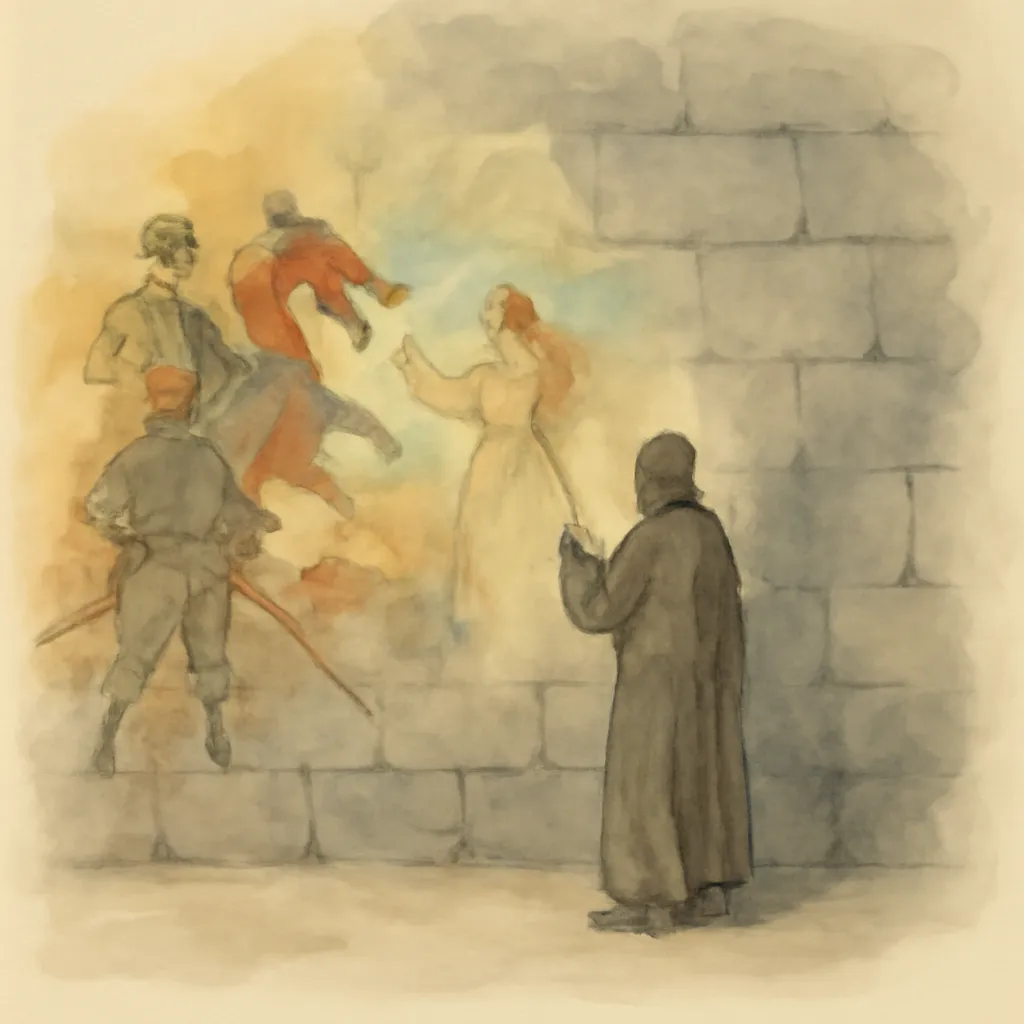
The relationship between truth and fiction is intricately explored throughout the narrative, particularly in how stories are constructed and perceived. Characters like Livinius and Eudemius engage in discussions about the nature of truth in politics and history, revealing the often-blurred lines between fact and fiction. The novel suggests that storytelling has the power to elevate mundane truths into compelling narratives, but it also warns of the dangers of manipulation. As Nicanor navigates his role as a storyteller, he grapples with the responsibility of presenting truth while also engaging the imagination of his audience. This interplay invites readers to question the authenticity of the stories they encounter in their own lives and the implications of narrative on their understanding of reality. The exploration of truth within the realm of storytelling challenges characters and readers alike to consider what constitutes a 'true' story and how narratives shape perceptions of reality, ultimately underscoring the significance of storytelling in constructing societal beliefs and values.