
In Roman Britain, the art of storytelling weaves through the lives of characters grappling with destiny, power, and the essence of humanity
Read full overviewShow less›
Set against the backdrop of Roman Britain, 'Nicanor - Teller of Tales' unfolds the journey of Nicanor, a gifted storyteller who inherits a legacy of narrative craft from his ancestors. The novel explores the intersection of history and imagination, illuminating how tales shape identity and influence destinies. Through richly drawn characters—including Nicanor, his parents, and various Roman figures—the narrative delves into the complexities of ambition, the struggle for power, and the impact of storytelling on society and personal relationships. Readers will be immersed in a world where the mundane and the mythical collide, revealing the profound truths that lie beneath the surface of human experience.
'Nicanor - Teller of Tales' is a profound exploration of the intersection between storytelling, power, and human experience in Roman Britain. Through Nicanor's journey, the narrative delves into the complexities of identity, the responsibility that comes with influence, and the enduring power of memory and imagination. The characters’ struggles reflect timeless themes that resonate with contemporary readers, encouraging reflection on their own narratives and the stories that shape their lives. Ultimately, the novel serves as a reminder of the importance of storytelling in understanding our past, navigating our present, and envisioning our futures.
- 1The Legacy of Storytelling
- 2The Nature of Power and Responsibility
- 3The Fabric of History and Imagination
- 4The Tension Between Individual and Collective Identity
- 5The Role of Women in Roman Society
Notable quotes
“The gift of our father Melchior hath fallen upon the child.”
“Keep it in mind, child, that thou art very young, that thy first strength hath not yet come upon thee.”
“Were history to write itself more often with a view to cumulative dramatic effect, there would be small need for the romance of imagination.”
A glimpse inside

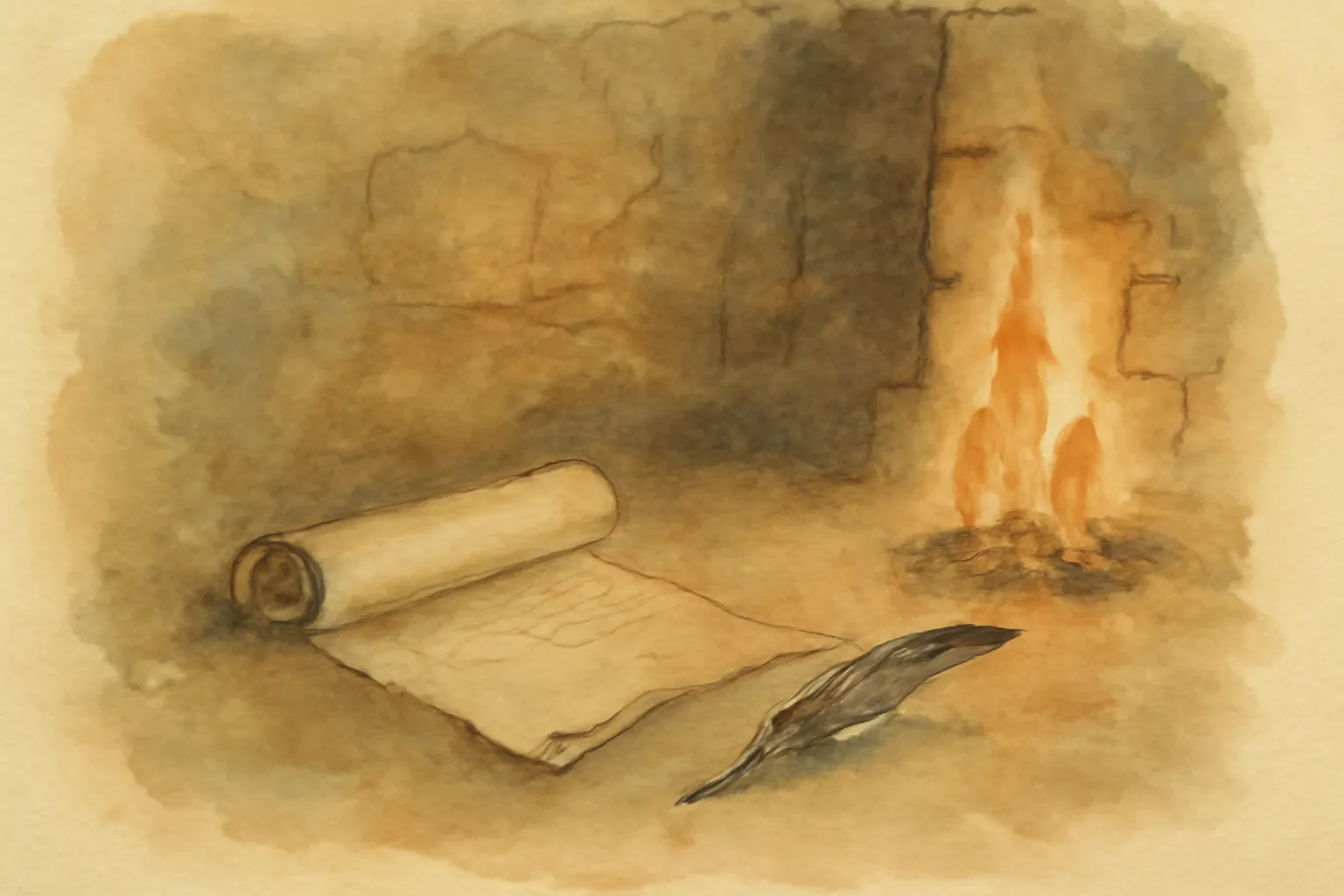
Nicanor's journey begins with the recognition of his inherited gift of storytelling, passed down through generations from his great-grandfather Melchior. Read moreNicanor's journey begins with the recognition of his inherited gift of storytelling, passed down through generations from his great-grandfather Melchior. This ancestral link highlights the importance of tradition and the role of storytelling as a cultural artifact within Roman Britain. Rathumus, Nicanor's father, acknowledges that the gift of narrative is not merely a talent but a responsibility, suggesting that stories have the power to shape the world and influence the lives of others. As Nicanor grows, he learns that storytelling is not just about entertainment; it is a means of connecting with people, preserving history, and understanding the human condition. The narrative illustrates how the weight of this legacy can both inspire greatness and impose burdens on those destined to bear it. Nicanor's aspirations reflect the struggle of many artists who grapple with the expectations set upon them by their forebears, raising questions about the nature of creativity and originality in a world steeped in tradition. Show less
The interplay between power and responsibility is a central theme throughout the novel. Rathumus's cautionary advice to Nicanor serves as a reminder that with great talen… Read moreThe interplay between power and responsibility is a central theme throughout the novel. Rathumus's cautionary advice to Nicanor serves as a reminder that with great talent comes the potential for misuse. As Nicanor strives to find his voice and make an impact, he grapples with the ethical implications of his storytelling. Various characters, especially the Roman officials, embody different aspects of power—its allure, its corruption, and its ultimate fragility. Eudemius, a prominent Roman lord, represents the manipulation of power for personal gain, while Nicanor's innocence contrasts sharply with the morally ambiguous world of politics. The narrative raises critical questions about the responsibilities that come with influence: How should one wield power? What are the consequences of using storytelling to manipulate or uplift? These questions resonate throughout Nicanor's journey as he seeks to navigate the complexities of his role as a storyteller. As he matures, he comes to understand that the stories he tells can either unify or divide, heal or wound—an insight that shapes his character and choices. Show less
Read the full text — free
About the author
Read C. Bryson Taylor's work free on Lumina — the complete text plus an 8-minute summary and key ideas, no account needed