1.The Call to Adventure and the Role of the Gods
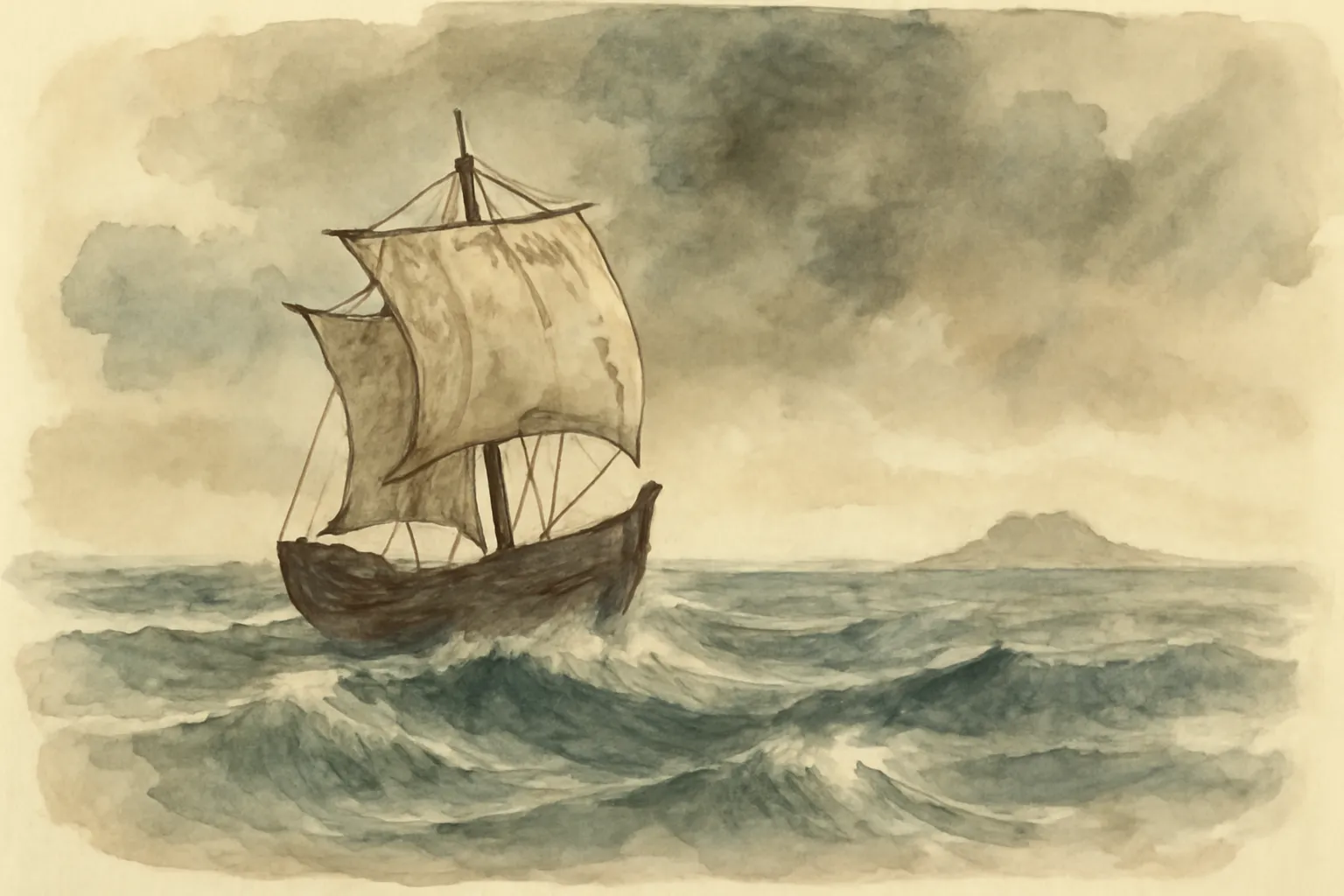
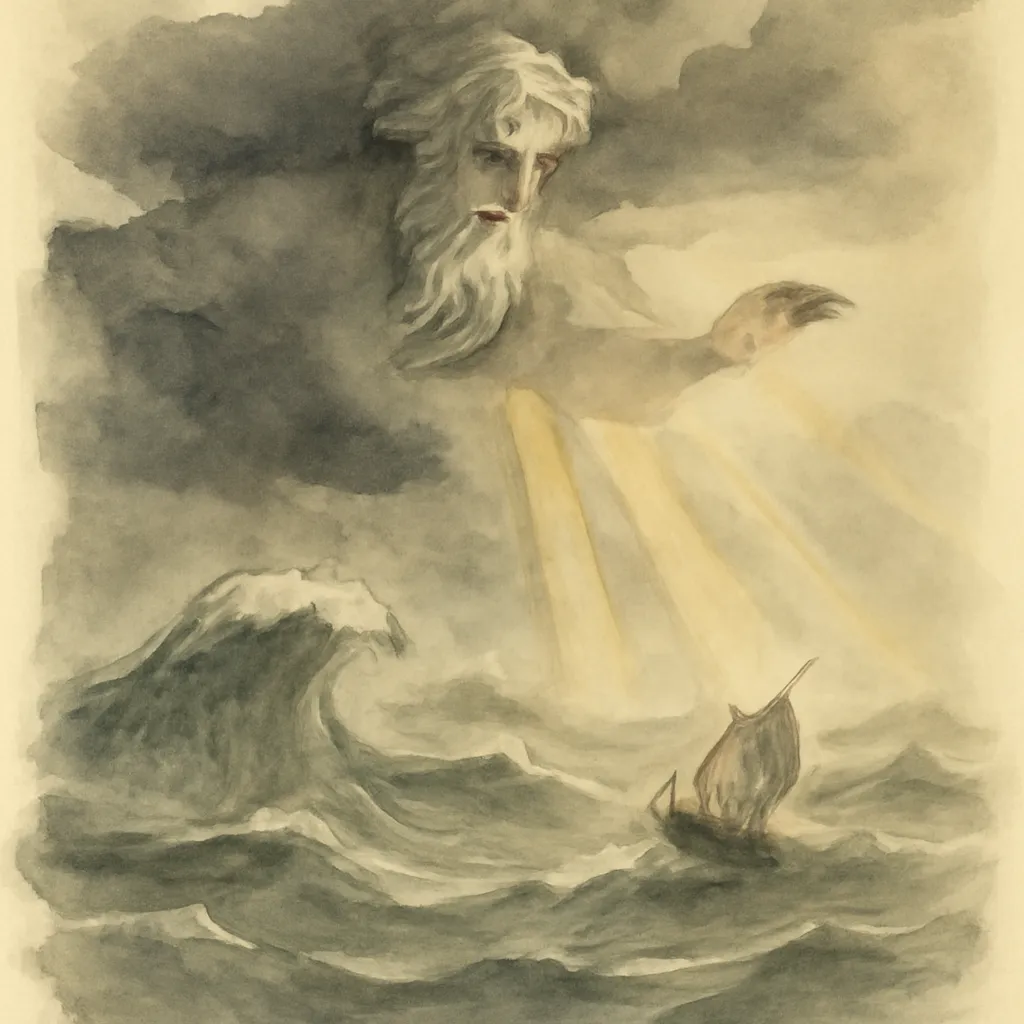
The story begins with Ulysses, who, after the Trojan War, is desperate to return home to Ithaca, where his wife, Penelope, and son, Telemachus, await him. His journey is marked by the interference of gods who both hinder and help him. Calypso, a nymph, keeps him captive on her island, while Minerva, the goddess of wisdom, advocates for him among the Olympians. This dynamic illustrates the ancient Greek belief in fate and divine influence, highlighting how the gods' whims can shape human destiny. Ulysses' struggle against these divine forces reflects the broader theme of human perseverance in the face of insurmountable odds.
2.Telemachus' Coming of Age
While Ulysses is lost, his son Telemachus embarks on his own journey of self-discovery, illustrating the theme of growth and maturity. Telemachus starts as a passive character, overwhelmed by the suitors who threaten his family's legacy. His transformation begins with a call to action from Athena, who encourages him to seek news of his father. This quest takes him to Pylos and Sparta, where he meets wise leaders like Nestor and Menelaus. Through these encounters, Telemachus learns the virtues of courage and leadership, ultimately becoming a man ready to reclaim his home. His development parallels Ulysses' own journey, emphasizing the importance of legacy and the bonds of family.
3.The Trials of Ulysses: Encounters with Monsters and Temptations
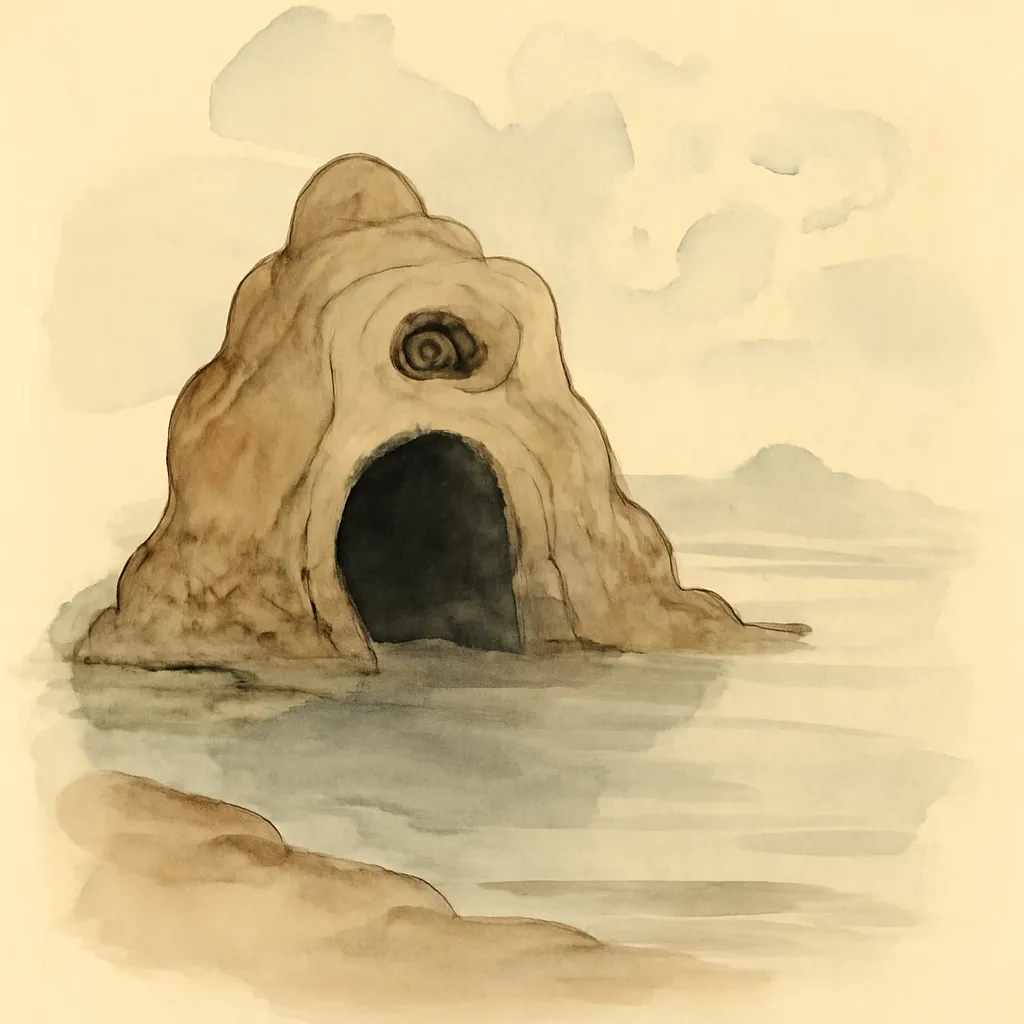
Ulysses' journey is fraught with encounters that test his wits and resolve. From the Cyclops Polyphemus to the enchanting Sirens, each encounter is a metaphor for the challenges one faces in life. The Cyclops represents the dangers of brute strength and ignorance, while the Sirens symbolize seductive distractions that can lead one astray. Ulysses' cleverness, exemplified in his escape from Polyphemus' cave by tricking the giant, showcases the value of intelligence over sheer force. His encounter with the Sirens highlights the need for self-control and the wisdom to resist temptation. These trials serve not just as physical challenges but also as moral lessons about the nature of temptation and the importance of perseverance.
4.The Power of Cunning and Deception
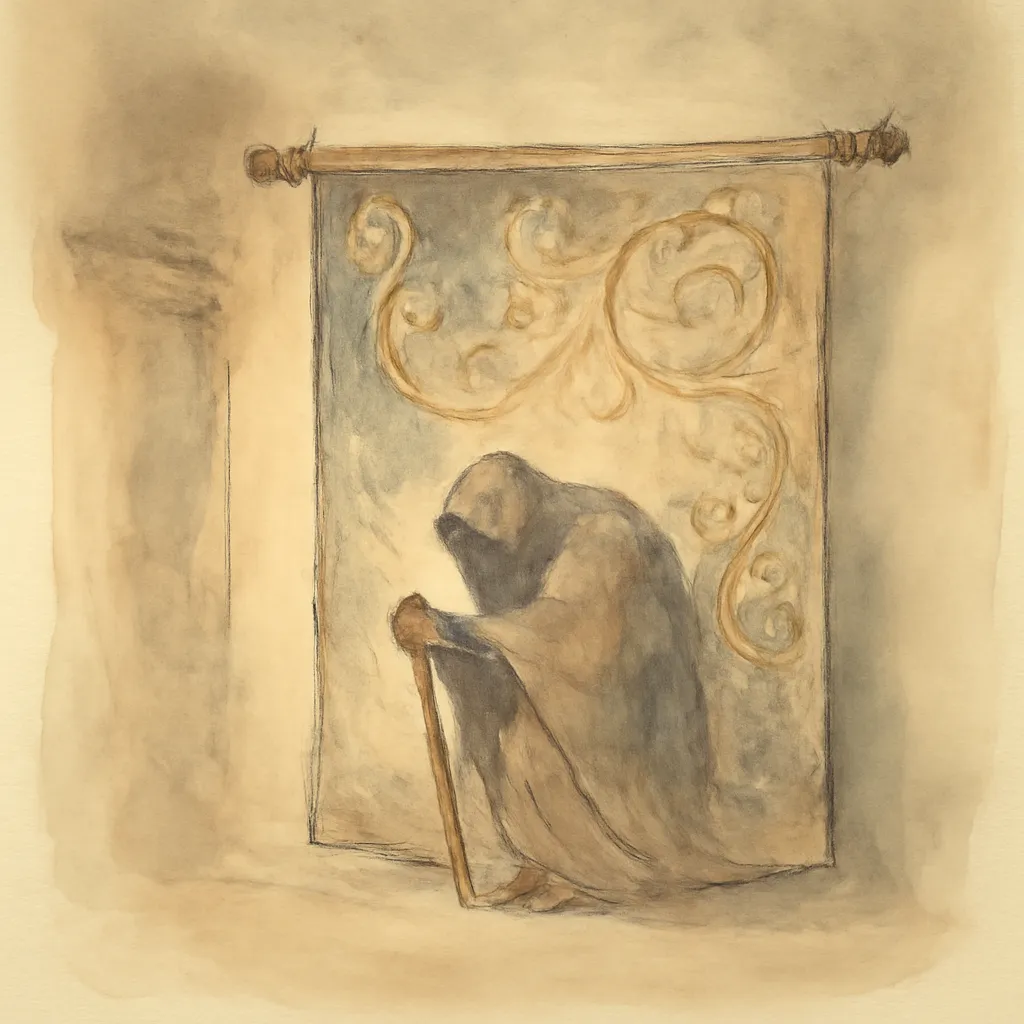
A recurring theme in 'The Odyssey' is the power of cunning and deception, often embodied by Ulysses himself. His cleverness allows him to navigate dangerous situations, such as when he disguises himself as a beggar upon returning to Ithaca. This ruse is crucial for assessing the situation at home and plotting his revenge against the suitors. Ulysses' ability to outsmart his enemies underscores the idea that wisdom and strategy can triumph over brute force. This theme resonates with the ancient Greek notion of cleverness, or 'metis,' as a vital trait for survival and success in a world filled with unpredictability and danger.
5.The Role of Women: Penelope and Circe
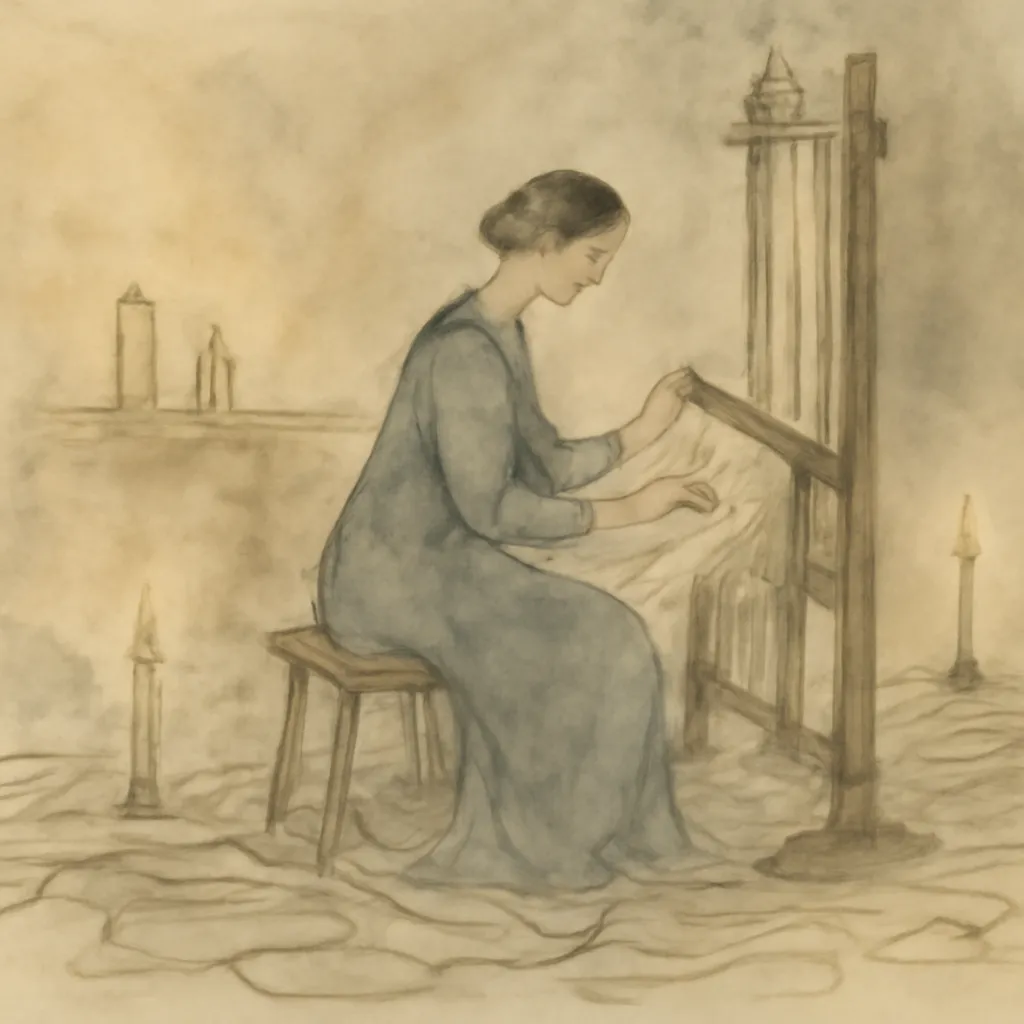
Women in 'The Odyssey' play pivotal roles, influencing the narrative and the protagonist's journey. Penelope, Ulysses' faithful wife, embodies loyalty and intelligence. Her cunning strategies to delay remarriage—such as weaving and unweaving a shroud—demonstrate her strength and resourcefulness. In contrast, characters like Circe and Calypso present different aspects of femininity, from temptation to nurturing. Circe’s initial role as an antagonist transforms into one of a guide, showing that women can wield both power and compassion. These portrayals challenge the traditional views of women in ancient Greek society, suggesting that they possess agency and influence over their fates and those of the men around them.
6.The Theme of Homecoming and Nostalgia
At its core, 'The Odyssey' is a story about homecoming, or 'nostos.' Ulysses' longing for Ithaca symbolizes the universal desire for belonging and stability. His journey is not only physical but also emotional, as he navigates the complexities of identity and home. The homesickness he experiences resonates with readers, highlighting the idea that home is not merely a place but a state of being tied to family, love, and memory. The narrative culminates in Ulysses’ return, where he must confront the changes that have occurred in his absence. This powerful theme emphasizes that homecoming is fraught with challenges but ultimately represents the fulfillment of one's journey and the restoration of order.
7.The Consequences of Hubris
Throughout Ulysses' journey, the theme of hubris—excessive pride or self-confidence—serves as a cautionary tale. Ulysses’ encounters often stem from his overestimation of his abilities, such as when he taunts Polyphemus after blinding him, invoking the wrath of Poseidon. This hubris is not just a flaw but a reflection of human nature, illustrating the dangers of arrogance and the importance of humility. The consequences of his pride lead to prolonged suffering and loss, reinforcing the idea that one must recognize their limitations. 'The Odyssey' thus serves as a reminder that true strength lies in wisdom and humility, rather than mere bravado.
8.The Importance of Hospitality and Respect
Hospitality, or 'xenia,' is a central theme in 'The Odyssey,' reflecting the values of ancient Greek society. Ulysses encounters various hosts, from the Phaeacians, who treat him with kindness, to the suitors in his own home, who violate the sacred laws of hospitality. This contrast highlights the moral implications of how one treats guests and the reciprocal nature of hospitality. The Phaeacians’ generosity ultimately aids Ulysses’ return, while the suitors’ disrespect leads to their downfall. The narrative emphasizes that hospitality is a reflection of character and societal values, serving as an essential part of human relationships and community.
9.The Role of Fate and Free Will
In 'The Odyssey,' the interplay between fate and free will is a significant philosophical inquiry. While the gods influence Ulysses' journey, his choices ultimately determine his path. This tension raises questions about the extent of human agency in a world governed by divine forces. Ulysses’ cleverness and persistence often allow him to navigate fate’s challenges, suggesting that while destiny is a powerful force, individual actions and decisions shape one's journey. The narrative invites readers to consider their role in determining their fate, balancing the influence of external forces with personal responsibility.
10.Legacy and Memory
Lastly, 'The Odyssey' explores the theme of legacy and memory, as Ulysses' journey is not only about personal survival but also about preserving his family’s honor and name. The struggle to maintain one's legacy is evident in Ulysses' interactions with his son, Telemachus, and the impact of his absence on his household. Penelope's loyalty and the suitors' attempts to usurp Ulysses' place further emphasize the importance of memory in shaping identity. The epic underscores that one’s legacy is built through actions and relationships, and the memories of those who come after us are what ultimately define our existence. This theme resonates deeply, inviting readers to reflect on their own legacies and the memories they create.