1.The Legacy of River Piloting
Merrick's deep-rooted connection to the river is evident from his ancestry, which boasts a lineage of sailors and maritime workers. Growing up near the St. Joseph River, he was surrounded by the sights and sounds of early steamboating, which fostered his passion for piloting. The steamboat industry was not merely a profession for Merrick; it was a cultural heritage that shaped his identity. His experiences reveal how aspiring pilots learned the craft through apprenticeship, absorbing knowledge from seasoned veterans like Captain Thomas Burns and others. The rituals and responsibilities of piloting were passed down through generations, forming a tight-knit community of river men whose skills and stories intertwined with the very fabric of American history. This lineage reflects the broader tradition of river navigation, where skills were passed down through generations, creating a unique camaraderie and respect among river men.
2.The River as a Living Entity
Merrick portrays the Mississippi River as a dynamic and living entity, one that pilots must respect and understand deeply. Piloting required not just skill but an intimate knowledge of the river's moods, which could change dramatically with the seasons and weather conditions. The river was dotted with islands, sandbars, and shifting currents that made navigation a constant challenge. Merrick emphasizes that to 'know the river' was a prerequisite for any successful pilot, requiring deep familiarity with its contours and the ability to navigate its hazards. Pilots relied heavily on their memory of the river's landmarks, as there were no guiding lights or markers to assist them. This intimate connection to the river not only underscores the technical prowess required but also highlights the spiritual relationship between the pilots and the natural world around them. The pilots' understanding of the river was not merely intellectual; it was visceral, shaped by years of experience and observation that transcended written maps and charts.
3.Life in River Towns
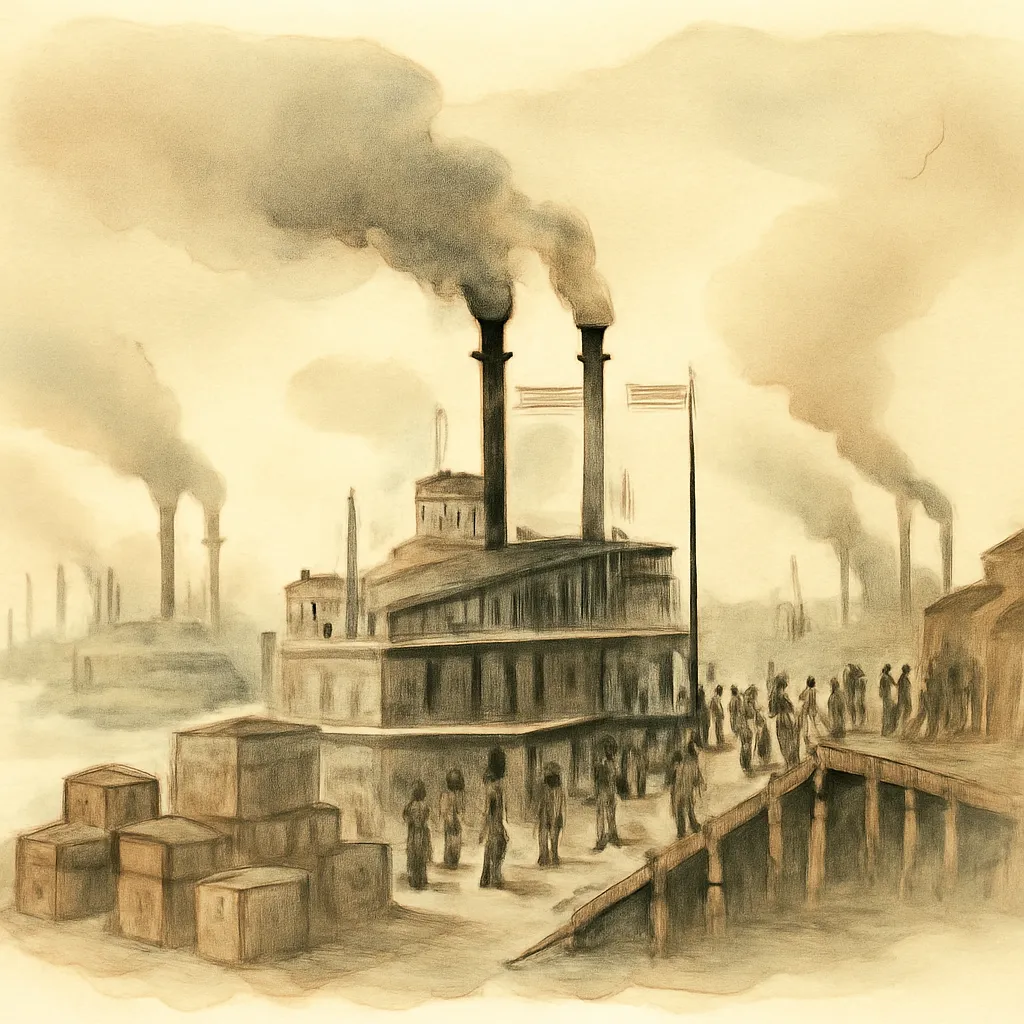
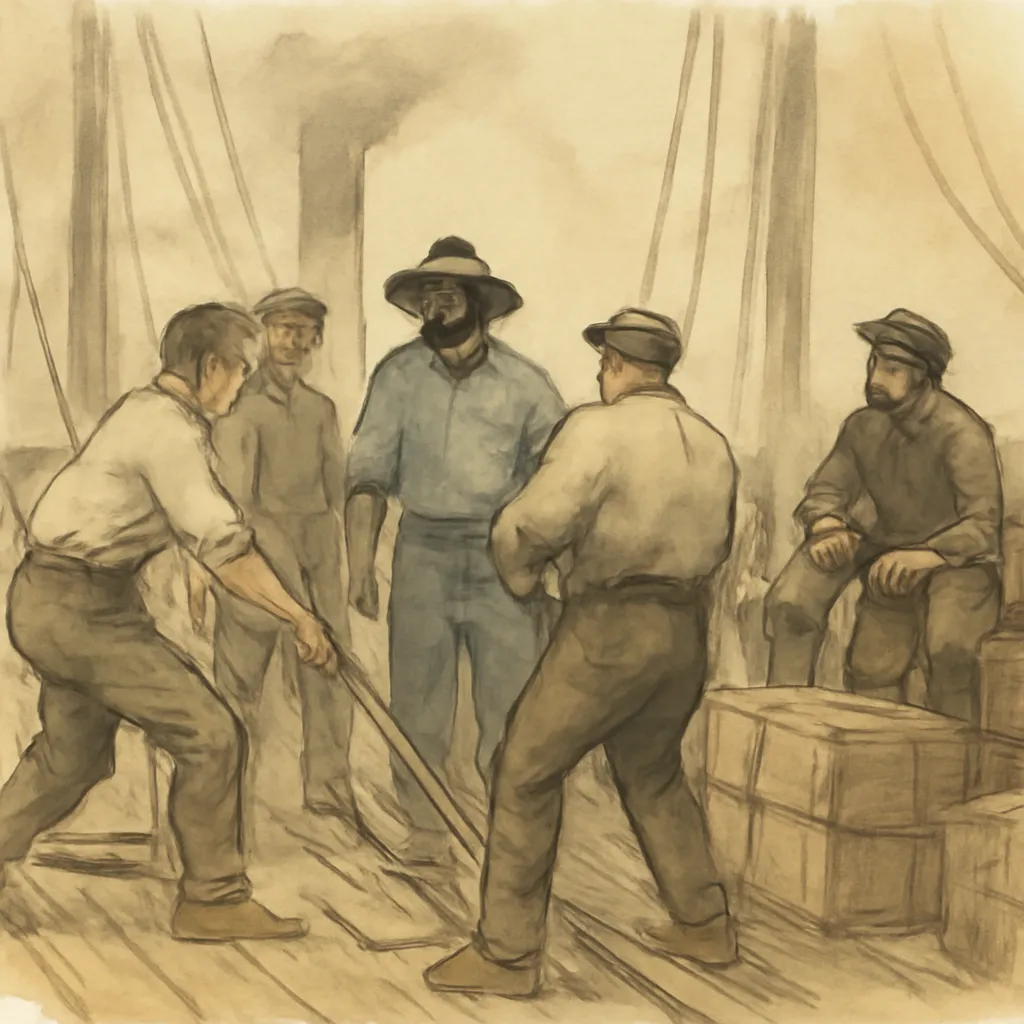
Prescott, Wisconsin, serves as a focal point in Merrick's recollections, representing a typical river town filled with the hustle and bustle of steamboat activity. The town was a hub for trade and commerce, where goods were transshipped from larger boats to smaller vessels heading for various destinations. The lively atmosphere was punctuated by rough-and-tumble raftsmen who frequented the saloons, often leading to rowdy brawls that the local marshal watched with a mix of indifference and amusement. The town's evolution from a thriving port to a shadow of its former self with the rise of railroads highlights the inevitable changes faced by river towns during this period. Merrick's descriptions of Prescott capture the essence of river life, where community, commerce, and chaos intertwined, creating a vibrant tapestry of human experience. Each character in the town played a role in this ecosystem, contributing to the rich cultural life that defined the region, from traders to craftsmen and the families who called Prescott home.
4.The Role of Engineering and Technology
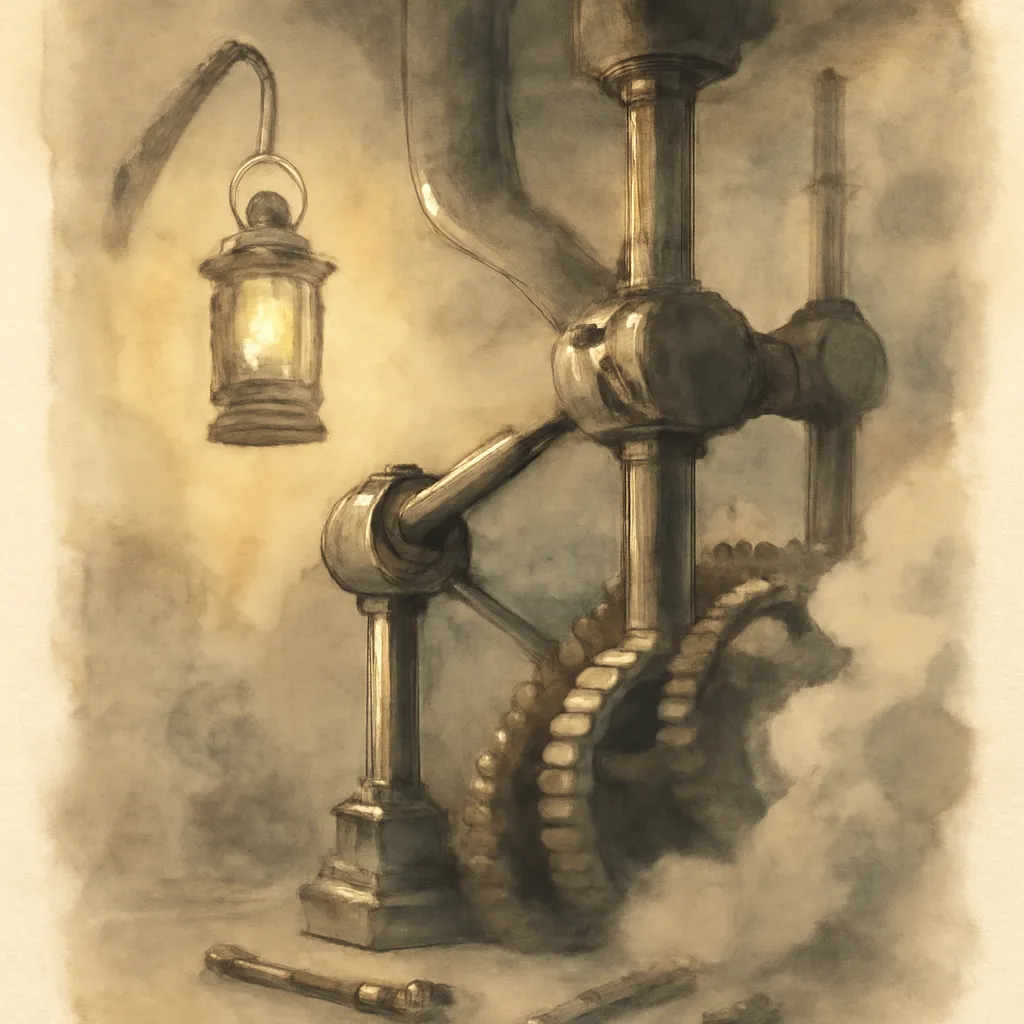
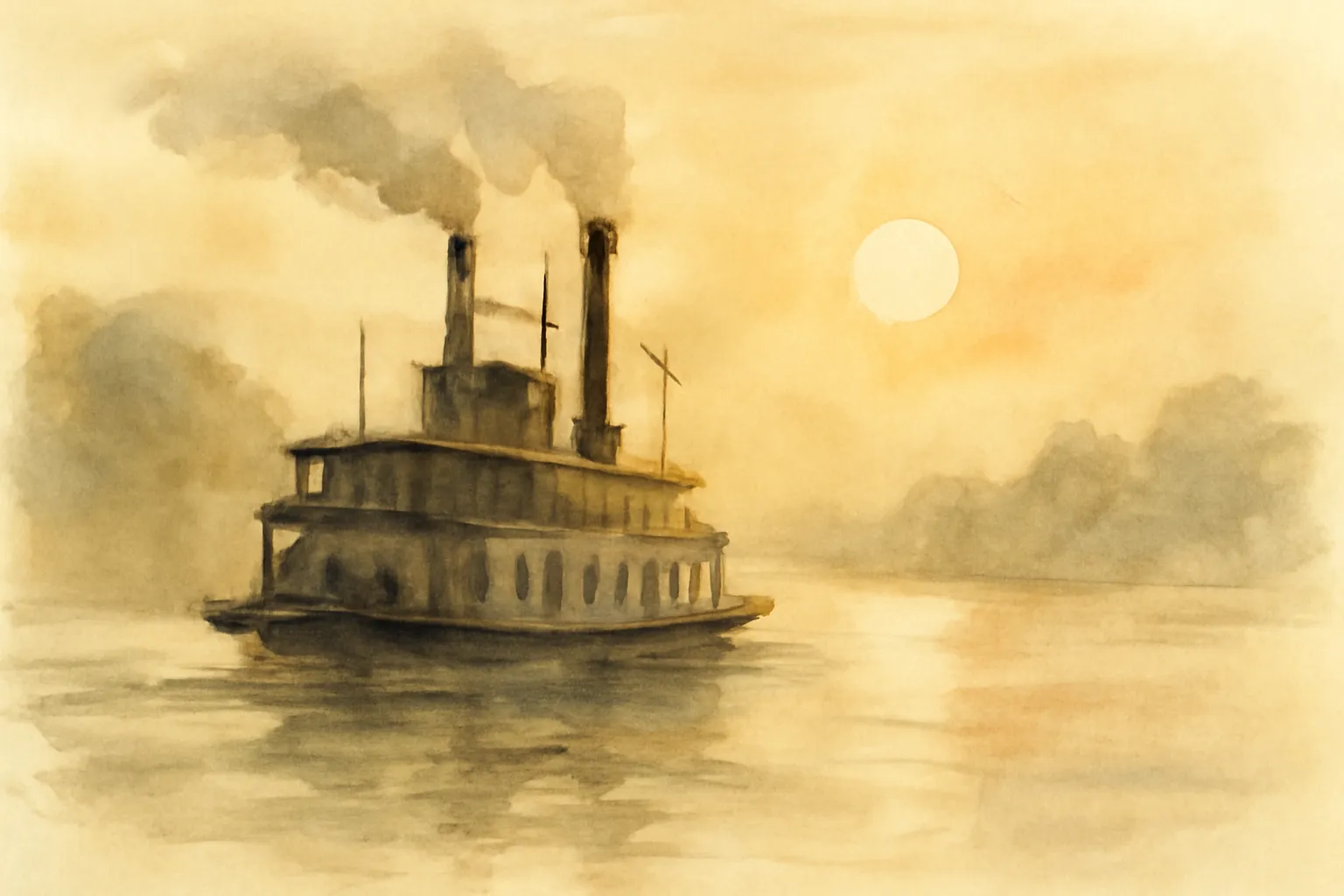
Merrick's insights into the engineering marvels of steamboats reveal the intricate mechanics that powered these vessels. The engine-room was a hive of activity where engineers like George McDonald and Billy Hamilton operated the machinery that kept the boats running. The responsibilities of the engineers were immense, as they had to ensure the boilers were properly maintained to prevent catastrophic failures. The technical aspects of running a steamboat were intertwined with the romanticism of river life. Merrick vividly recalls the tension during races with rival boats, where engineers would push the limits of steam pressure to gain an advantage. This technological aspect of river life underscores the blend of human skill and mechanical ingenuity that defined the steamboat era, illustrating how engineering advancements propelled the industry forward. The steam engines not only represented the pinnacle of technology at the time but were also a source of pride for the engineers who operated them, making the engine-room a place of both innovation and camaraderie.
5.Cultural Interactions with Native Americans
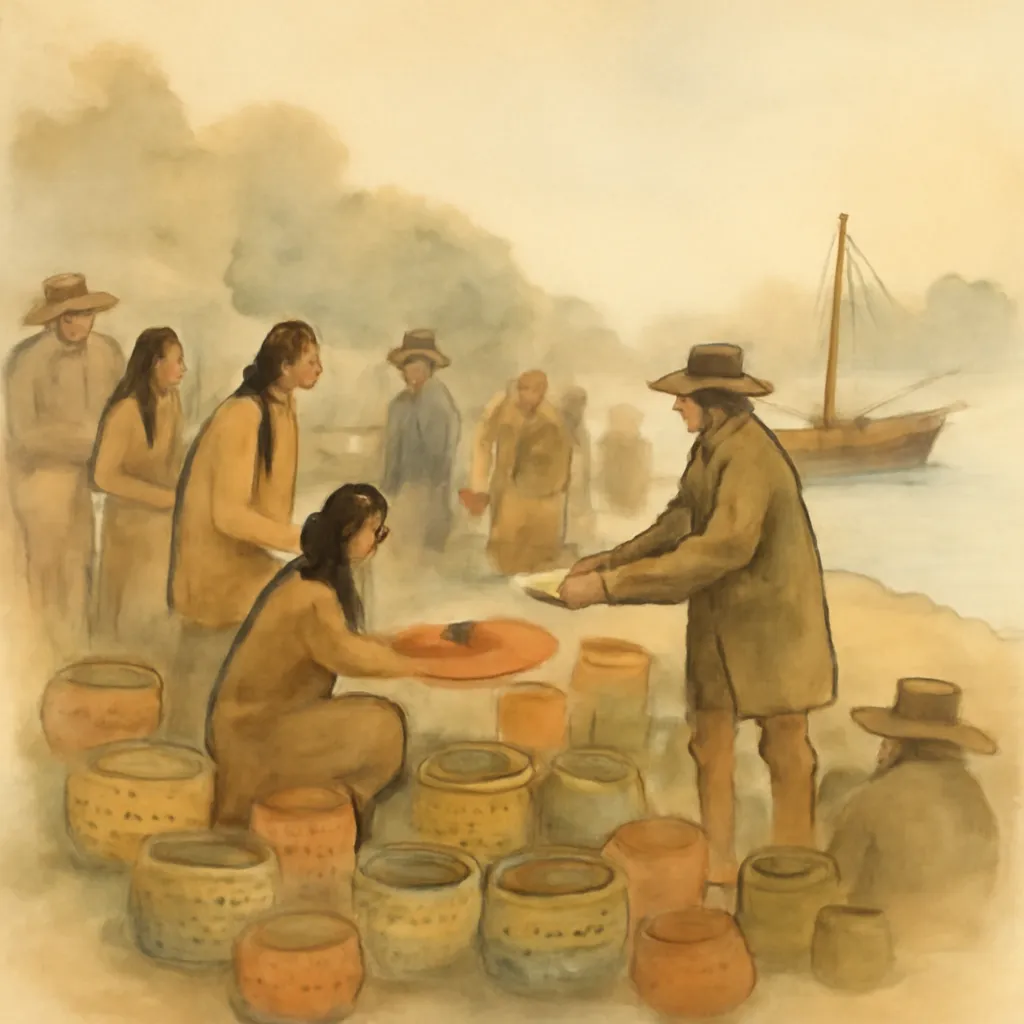
Merrick's childhood memories are steeped in the rich tapestry of interactions between river towns and Native American tribes. Prescott was a crossroads for various tribes, including the Chippewa and Sioux, whose presence was felt in the market activities along the levee. Native Americans traded goods like venison, fish, and handmade artifacts, creating a vibrant exchange of cultures. Merrick's explorations of the riverbanks for artifacts and remnants of past conflicts highlight the historical significance of these interactions. The coexistence of different cultures on the river serves as a reminder of the complexities of American history, where commerce, conflict, and cooperation coalesced along the banks of the Mississippi. These interactions were not without tension, reflecting the broader societal struggles of the time as settlers and indigenous peoples navigated their relationships amid changing circumstances.
6.The Art of Piloting
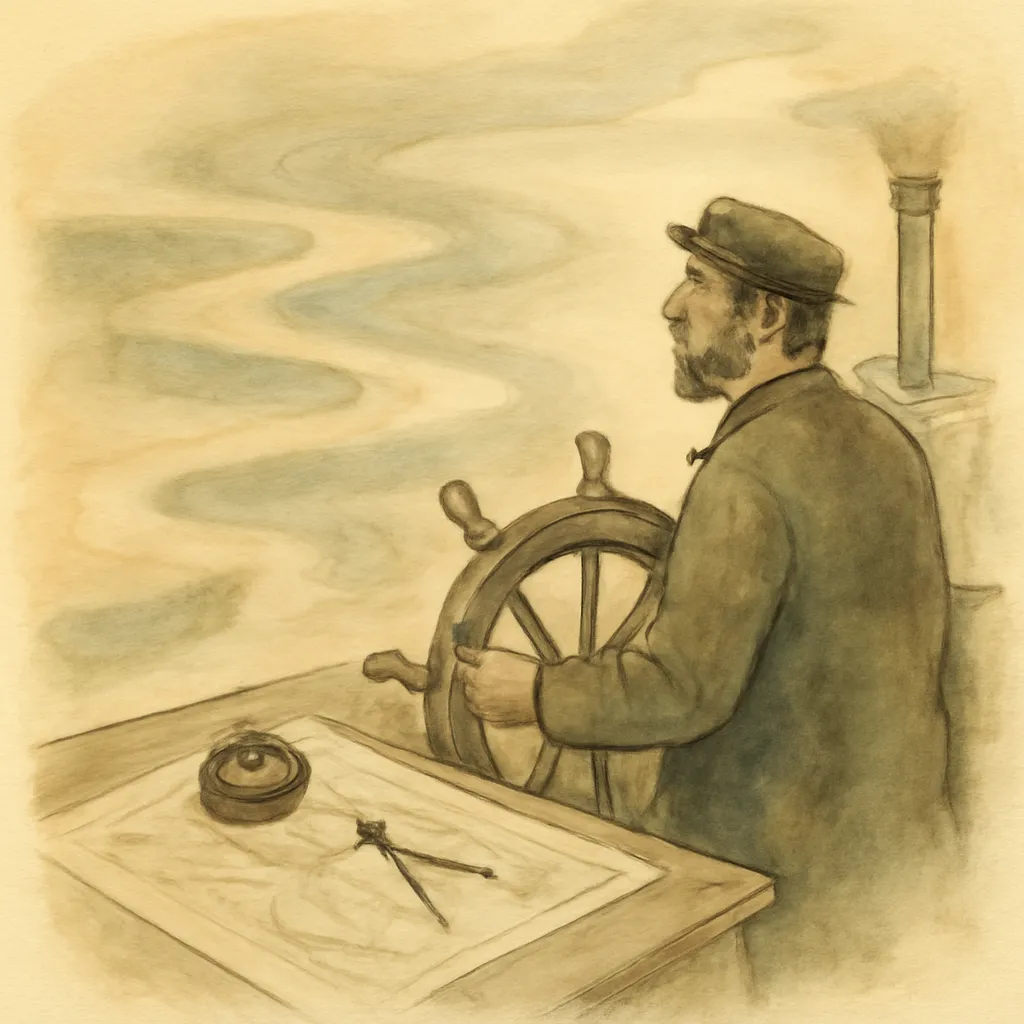
The craft of piloting a steamboat on the Upper Mississippi was an art form, blending intuition, memory, and skill. Merrick emphasizes that the pilot's role was not merely to steer but to make split-second decisions based on a nuanced understanding of the water's behavior. Pilots had to be adept at reading the river, knowing its depth and the position of submerged hazards like logs and rocks. Merrick describes the challenges pilots faced, such as navigating through unmarked channels and avoiding hidden dangers like sandbars and snags. This mastery of the river was a testament to the pilots' dedication and expertise, marking them as the true navigators of the American waterways. Each journey was a test of their abilities, requiring them to balance the technical demands of steering with the ever-changing conditions of the river.
7.Competition and Rivalry
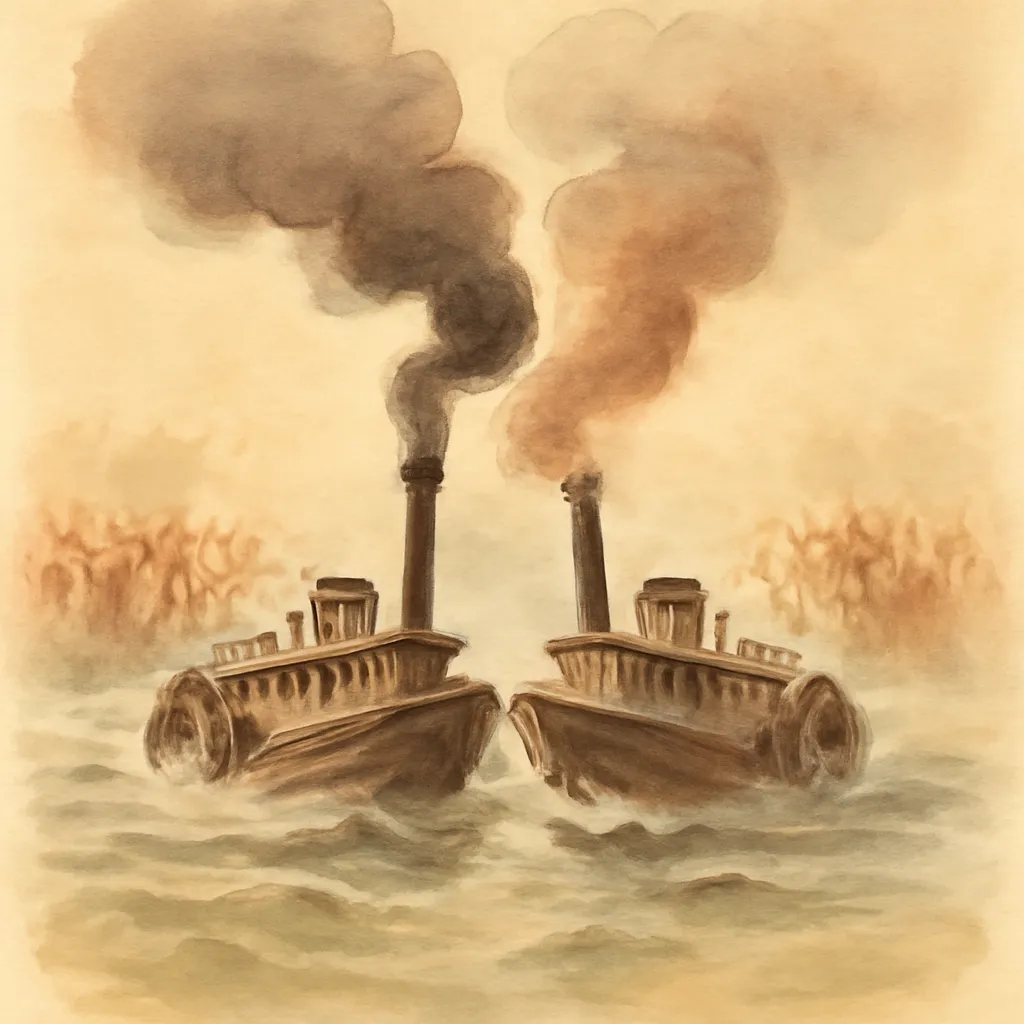
The competitive spirit among steamboat captains and crews added an exhilarating layer to river life. Merrick recounts thrilling races between boats, where speed and skill determined not just bragging rights but also financial success. The pressure to be the first to arrive at a landing was immense, as the first boat often secured the most lucrative cargo and passengers. Captains and pilots developed reputations based on their abilities to navigate and race effectively, creating a culture of competition that fueled innovation and improvement in steamboat design and operation. Merrick highlights specific instances of races that became legendary among river men, showcasing the daring and sometimes reckless nature of pilots who pushed their vessels to the limits. This rivalry, while sometimes leading to reckless behavior, ultimately pushed the boundaries of what was possible on the river, contributing to the evolution of steamboat technology.
8.The Social Fabric of Steamboat Life
Life aboard a steamboat was a microcosm of American society, showcasing a diverse array of characters from different backgrounds. Merrick paints a vivid picture of the crew dynamics, from the captain and pilots to the engineers and deckhands, each playing a vital role in the operation of the vessel. The hierarchy aboard the boat was clear, yet camaraderie developed among the crew members, who faced the challenges of river navigation together. Social interactions extended to passengers as well, with steamboats serving as floating social hubs where people from various walks of life mingled. Merrick's reflections on these interactions reveal the complexity of relationships formed in this unique setting, highlighting how steamboat life was both a professional endeavor and a social experience. The interactions between passengers and crew often led to friendships, romances, and conflicts that added to the rich tapestry of river life.
9.The Impact of Railroads
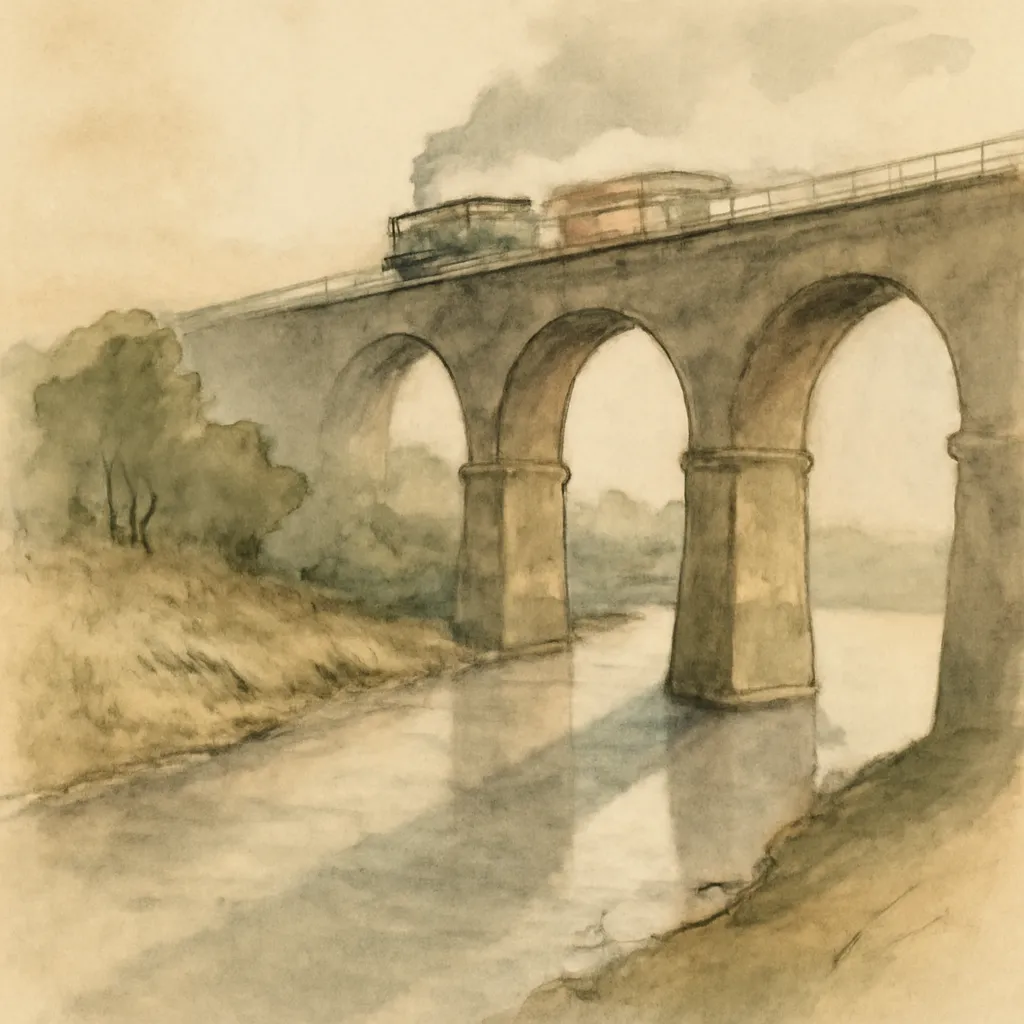
As Merrick recounts his experiences, the looming presence of railroads begins to shape the future of river transportation. The rise of railroads marked a significant shift in commerce and travel, as goods and passengers increasingly turned to the faster, more efficient trains. Merrick reflects on the bittersweet transition experienced by river towns like Prescott, which once thrived on steamboat traffic but began to decline as railroads took over. The economic implications of this shift were profound, as the reliance on steamboats for transportation of goods diminished, leading to a decline in river town populations and businesses. This shift not only altered the economic landscape but also transformed the cultural fabric of river life, as the once-dominant steamboats faced obsolescence. Merrick's observations serve as a poignant reminder of the inevitability of change and the resilience required to adapt in a rapidly evolving world.
10.A Personal Journey of Growth
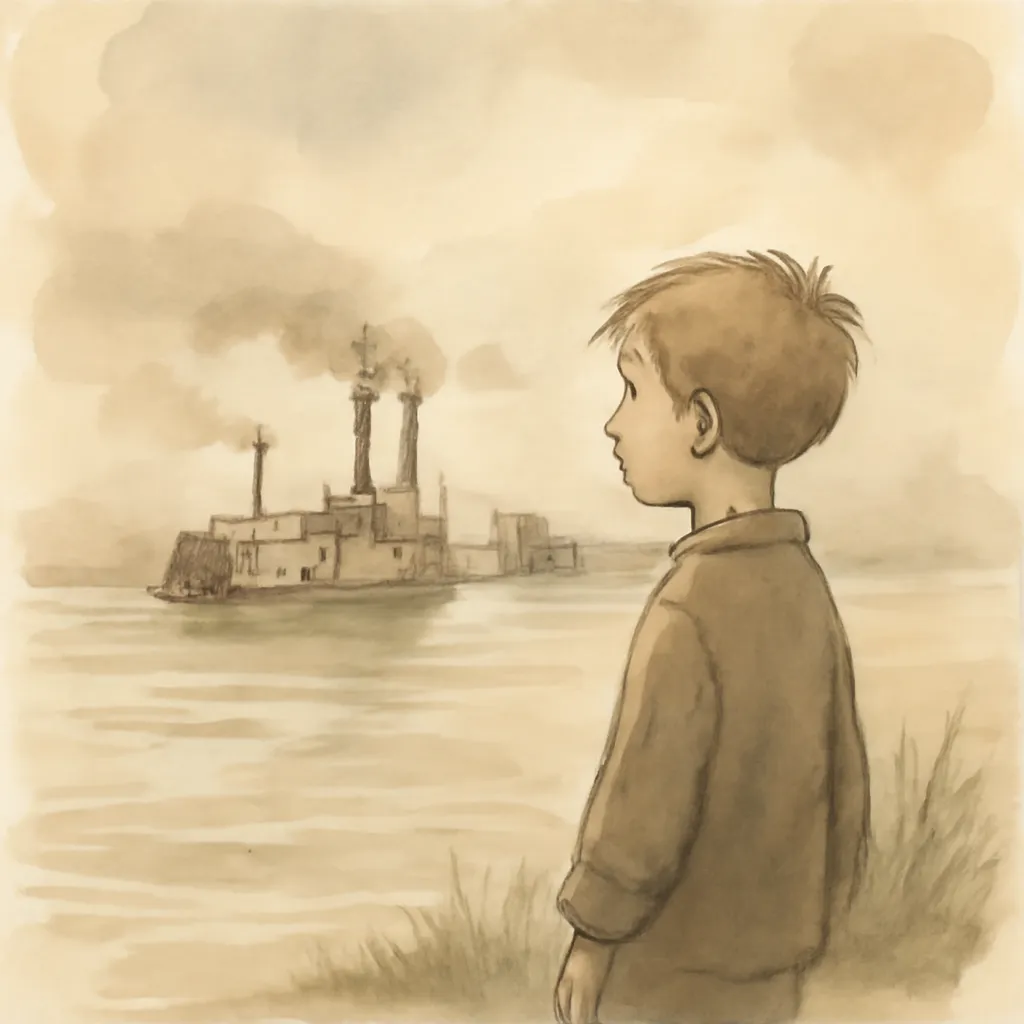
Merrick's journey from a young boy on the riverbanks to an experienced pilot encapsulates a personal transformation shaped by the trials and tribulations of river life. His early impressions of the river instilled a sense of wonder and ambition, driving him to pursue a career in steamboating. Throughout his recollections, he reflects on the lessons learned from mentors, the hardships faced during his training, and the moments of triumph that defined his career. This narrative of personal growth is interwoven with the broader themes of the steamboat era, illustrating how individual experiences were shaped by the collective history of the Mississippi River. Merrick's story resonates with anyone who has navigated the challenges of pursuing their dreams in a changing world, highlighting the importance of resilience, community, and a deep connection to one's roots.