Fiction
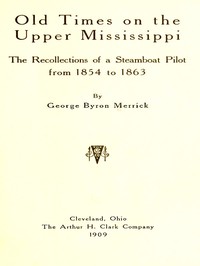
Old Times on the Upper Mississippi: The Recollections of a Steamboat Pilot from 1854 to 1863 by George Byron Merrick — Summary, Key Ideas & Full Text
341 pages31 chapters6h 51m read4h 52m speed read✦ 9-min Big ideasFree · no account
Rate it
Experience the vibrant life and challenges of steamboat pilots navigating the Upper Mississippi River in the mid-19th century
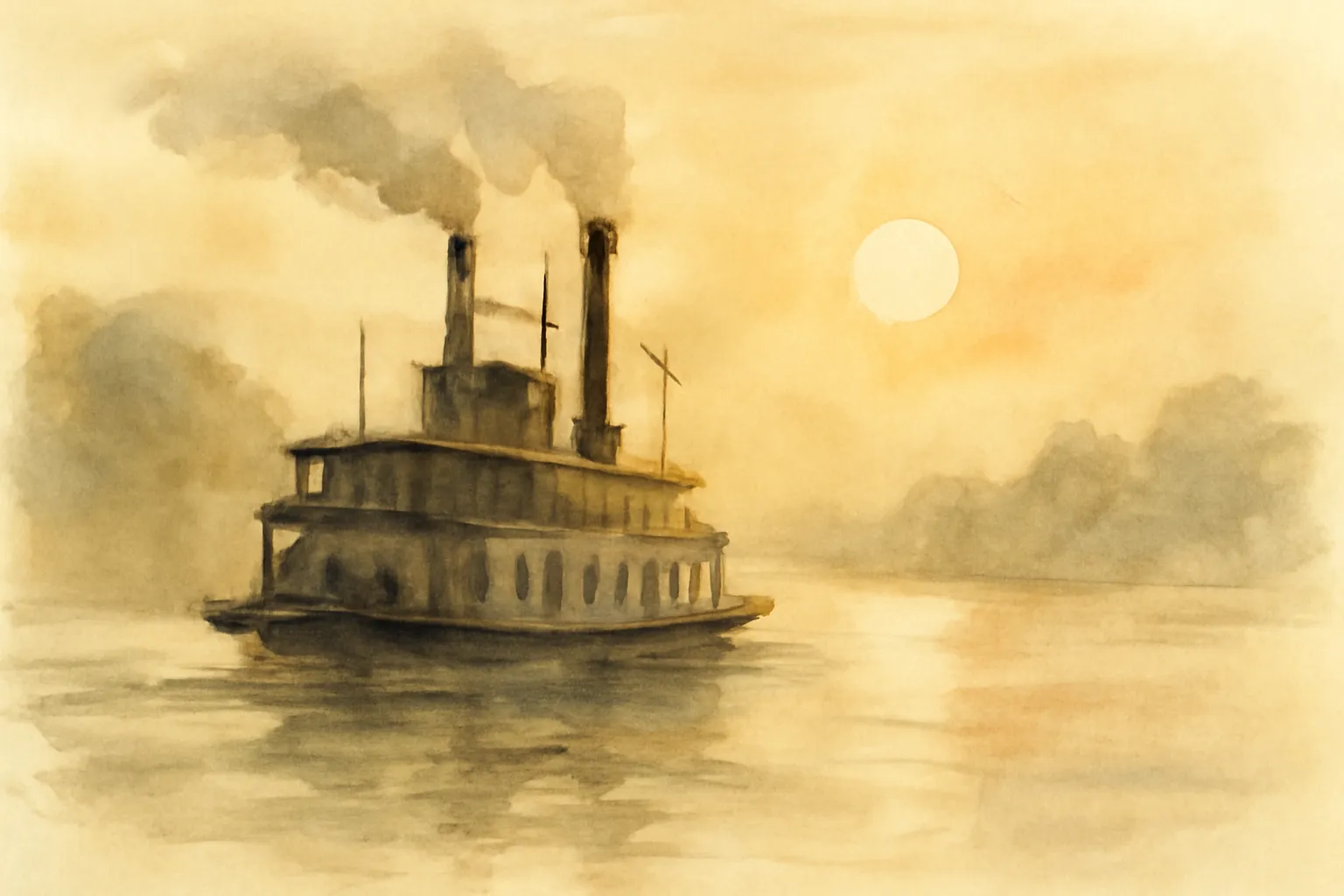
Old Times on the Upper Mississippi offers an immersive glimpse into the daily life of steamboat pilots and the intricate world of river navigation during a transformative period in American history. Drawing from personal recollections, George Byron Merrick provides rich descriptions of the culture, challenges, and personalities encountered on the river. Readers will journey through vivid scenes of bustling river towns, encounters with Native Americans, and the technical demands of piloting a steamboat in treacherous waters. This account is not just about steamboating; it encapsulates a way of life that was rapidly changing due to the advent of railroads and the Civil War. Through Merrick's eyes, we witness the camaraderie, competition, and sheer grit required to master one of America's great rivers.
Old Times on the Upper Mississippi is more than a memoir; it is a window into a bygone era of American history, where the river was the lifeblood of commerce and culture. Through Merrick's eyes, readers gain a deep appreciation for the challenges faced by steamboat pilots and the vibrant communities that thrived along the Mississippi. The book captures the essence of a transformative period, highlighting the interplay between technology, nature, and human ambition. As we reflect on Merrick's experiences, we recognize the enduring legacy of the steamboat era and its impact on the American landscape, reminding us of the resilience and adaptability required to navigate life's ever-changing currents.
“From each of them I learned something that has made life better worth living, the sum of which makes possible these reminiscences of a 'cub' pilot.”
“The necessary preparation for the trip down river was made at Prescott.”
“The engine-room crew of a Mississippi steamer varies as the boat is a side-wheeler or a stern-wheeler.”
Read George Byron Merrick's work free on Lumina — the complete text plus an 8-minute summary and key ideas, no account needed