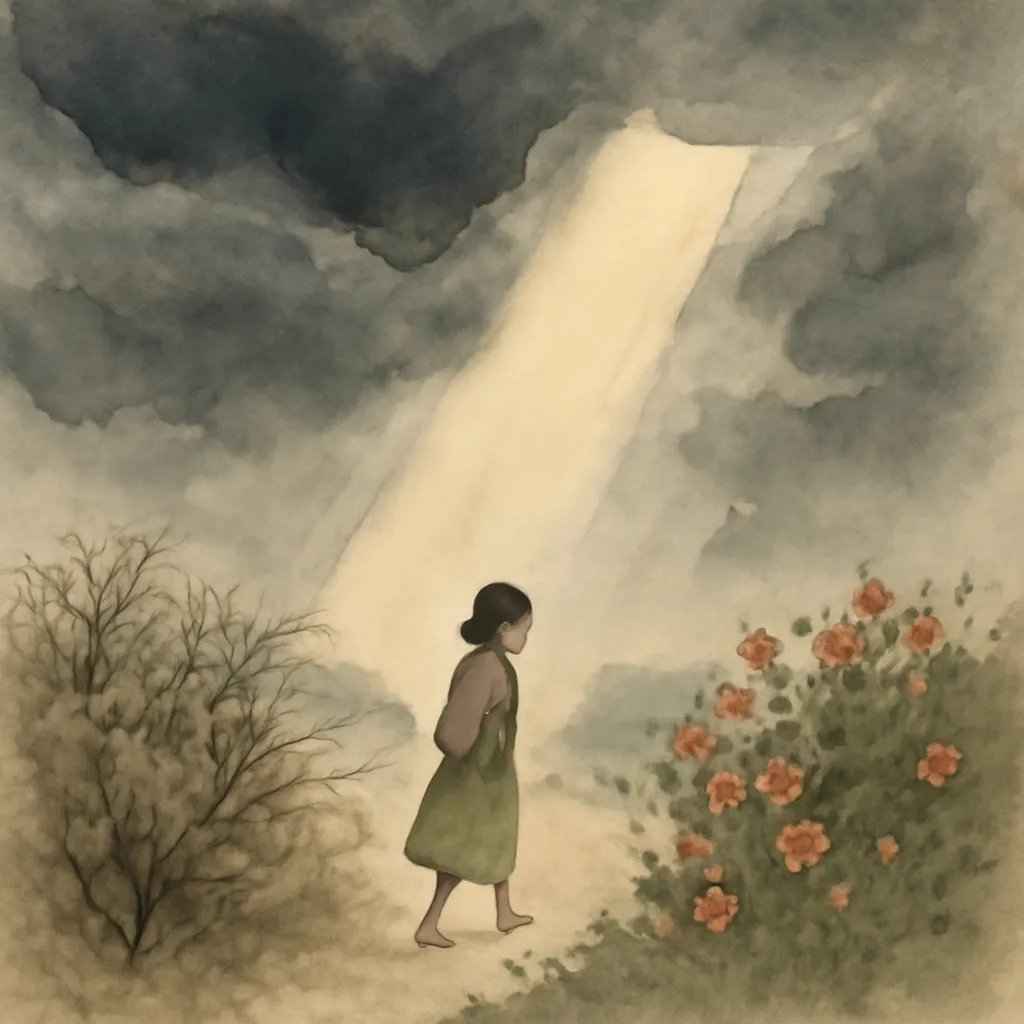
1.The Burden of Beauty
Olive Rothesay's mother, Sybilla, embodies the societal ideal of beauty and grapples with the implications of giving birth to a deformed child. For Sybilla, beauty is not only a source of pride but a measure of worth, leading her to initially reject Olive. This conflict highlights the societal pressures placed on women to conform to beauty standards, which can lead to devastating consequences. Sybilla's emotional turmoil reflects the struggles many face when confronted with imperfections that challenge their ideals. The narrative suggests that beauty, while celebrated, can also become a burden, leading to feelings of inadequacy and shame. Sybilla’s struggle to accept her daughter mirrors the broader societal phenomenon where external appearances dictate personal values and self-worth. The story calls into question the legitimacy of equating beauty with merit, urging readers to look beyond superficial traits to find deeper significance in human relationships.
2.The Complexity of Maternal Love
Sybilla's relationship with Olive serves as a lens through which the complexities of maternal love are explored. Initially, Sybilla's rejection of her daughter stems from her fear of societal judgment and her own insecurities about beauty. However, as the story progresses, Sybilla's love transforms into a deeper, more unconditional form, especially as she confronts her own prejudices and learns to appreciate Olive for who she is. This evolution illustrates the struggles mothers face when their children do not meet societal ideals, as well as the inherent bond that can ultimately transcend those ideals. The narrative emphasizes that love can evolve through understanding and acceptance, even in the face of initial rejection. Sybilla’s journey invites readers to understand that true maternal love often involves a willingness to embrace imperfections and that acceptance can lead to profound personal growth both for the mother and the child.
3.The Impact of War on Family Dynamics

Captain Rothesay's absence during wartime serves as a critical backdrop for the unfolding drama within the Rothesay family. His letters are sporadic, creating a sense of anxiety and uncertainty for Sybilla, who struggles to maintain her emotional equilibrium. The war not only separates families but also alters the very fabric of their relationships. Sybilla's initial carefree disposition is challenged by the realities of war, leading her to confront her fears and insecurities. The novel captures how external conflicts, such as war, can exacerbate existing personal struggles, ultimately reshaping familial bonds. Olive, growing up in this environment, learns to navigate the complexities of love, loss, and resilience amidst the chaos of a world at war. The narrative shows that the scars of war extend beyond the battlefield, influencing the psychological landscape of those left behind. This exploration of war's impact emphasizes the fragility of peace in relationships and the emotional toll that waiting for a loved one can take on a family.
4.The Quest for Identity
Olive's journey is fundamentally one of self-discovery and identity formation. Born with a physical deformity, she grapples with societal perceptions of beauty and worth throughout her childhood. Unlike her mother, who equates beauty with value, Olive learns to seek her identity beyond physical appearance. Her artistic aspirations become a means of expressing her inner self, allowing her to redefine beauty on her own terms. Throughout the narrative, Olive’s art symbolizes her quest for acceptance and understanding. As she confronts her feelings of isolation, her talent becomes both a refuge and a voice. The novel emphasizes that the pursuit of one's identity is often fraught with challenges, especially when societal standards conflict with personal experience. By embracing her artistic endeavors, Olive finds empowerment in her individuality, illustrating the transformative power of art as a vehicle for self-expression and personal acceptance.
5.Friendship and Betrayal

The friendship between Olive and Sara Derwent highlights the theme of loyalty and betrayal among young women. Initially, their bond appears strong, with shared dreams and aspirations. However, as Sara becomes engaged to a man Olive has feelings for, the complexities of their relationship deepen. This betrayal forces Olive to confront her own feelings of inadequacy and loss, leading her to reevaluate her understanding of friendship and love. The narrative emphasizes how friendships can be tested by societal pressures and personal desires, revealing the fragility of human connections. Olive’s heartbreak over her friend’s betrayal serves as a pivotal moment in her journey, prompting her to seek deeper understanding of relationships. The complexities of their friendship speak to broader themes of loyalty, love, and the painful reality of growing up, encouraging readers to reflect on the nature of their own friendships and the challenges of navigating emotional landscapes.
6.The Role of Art in Healing

Art emerges as a central theme in Olive's life, serving both as a refuge and a means of expression. As Olive grapples with her identity and the emotional turmoil surrounding her family, she turns to painting as a form of solace. The act of creating becomes a therapeutic outlet for her feelings of isolation and inadequacy. Through her art, Olive learns to articulate her experiences and emotions, transforming pain into beauty. The novel champions the idea that creativity can serve as a healing force, allowing individuals to process their struggles and find meaning in their experiences. Olive’s experiences highlight that art can foster resilience and provide a sense of purpose. By depicting the emotional catharsis that Olive finds in her artistic endeavors, the narrative illustrates the universal power of creativity to heal wounds, both visible and invisible. This theme resonates strongly with readers, emphasizing the importance of recognizing and nurturing our own creative outlets as a means of coping with life's challenges.
7.Navigating Social Expectations
The Rothesay family's experiences highlight the challenges of navigating social expectations and norms. Sybilla's initial obsession with beauty and societal approval creates tension within her family dynamic, particularly regarding Olive's deformity. As the narrative unfolds, the characters are forced to confront their own beliefs and values, ultimately challenging societal norms. Olive's journey of self-acceptance serves as a critique of the superficial standards imposed by society. The story encourages readers to reflect on the ways in which societal expectations can influence personal choices and relationships. By depicting the struggles of its characters, the novel advocates for authenticity and the rejection of societal pressures in favor of self-discovery. The narrative suggests that true strength lies in the ability to resist conformity and embrace one's unique identity, a lesson that resonates deeply in contemporary society.
8.The Nature of True Love
Olive's relationships throughout the novel illuminate the nature of true love, contrasting it with superficial affection. The bond between Olive and her mother evolves from one of rejection to profound love, demonstrating that true love can grow even in the face of adversity. Olive's experiences with friendship and romantic interests further explore the complexities of love, revealing that genuine affection often requires vulnerability and understanding. The narrative emphasizes that true love is not contingent upon external factors such as beauty or social status but rather flourishes through acceptance and empathy. This exploration of love prompts readers to consider the depth and resilience of love in various forms, encouraging a more nuanced understanding of this powerful emotion. The story illustrates that love is not merely a feeling but a commitment to understanding and supporting one another through life's tribulations.
9.The Search for Belonging

Olive's journey is also marked by her search for belonging and acceptance. From her childhood marked by isolation due to her deformity to her adolescent struggles with friendship, Olive grapples with feelings of being an outsider. Her artistic pursuits become a means of finding her place in the world, allowing her to connect with others who appreciate her for her talents rather than her appearance. The narrative illustrates that the quest for belonging is a universal human experience, transcending societal barriers. Through her relationships and creative expression, Olive ultimately discovers that true belonging comes from within and is cultivated through authentic connections with others. This theme resonates with readers, reminding them of the importance of community and acceptance in their own lives. Olive's path reveals that belonging is not solely found in external validation, but in the embrace of one's own identity and the connections formed through shared experiences.
10.The Journey of Acceptance and Resilience
Ultimately, Olive's story is one of acceptance and resilience. Throughout the narrative, she faces numerous challenges related to her identity, familial relationships, and societal expectations. Each obstacle serves as a catalyst for growth, pushing her to confront her fears and embrace her true self. The novel highlights the importance of resilience in the face of adversity, showcasing Olive's journey from a place of insecurity to one of strength and self-acceptance. This transformative process is not linear; it involves moments of doubt, pain, and reflection. However, through her experiences, Olive learns to love herself and recognize her worth beyond the physical. The narrative inspires readers to cultivate resilience in their own lives, emphasizing that acceptance is a powerful tool for overcoming adversity and achieving personal growth.