1.The Five Stages of Grief
Kübler-Ross introduced the now-famous model of the five stages: denial, anger, bargaining, depression, and acceptance. These stages describe common emotional responses experienced by those facing terminal illness, but they have since been applied more broadly to all kinds of loss. Importantly, Kübler-Ross emphasized that these stages are not linear or universal; individuals may experience them in different orders or revisit stages multiple times. This framework gave language to the complex emotions surrounding death and helped normalize the grieving process.
2.Listening to the Dying
A core argument of the book is the importance of listening to those who are dying. Kübler-Ross found that patients often feel isolated because family and medical staff avoid honest conversations about death. By giving patients space to express fears, hopes, and regrets, caregivers can provide comfort and dignity. This approach was groundbreaking at a time when death was a taboo subject in hospitals and society.
3.Critique of Medicalization
Kübler-Ross critiques the impersonal, overly clinical approach to dying prevalent in mid-20th-century medicine. She argues that focusing solely on physical symptoms neglects the emotional and spiritual needs of patients. Her work advocates for a more holistic, patient-centered approach that honors the full humanity of the dying person.
4.Impact on Caregivers and Families
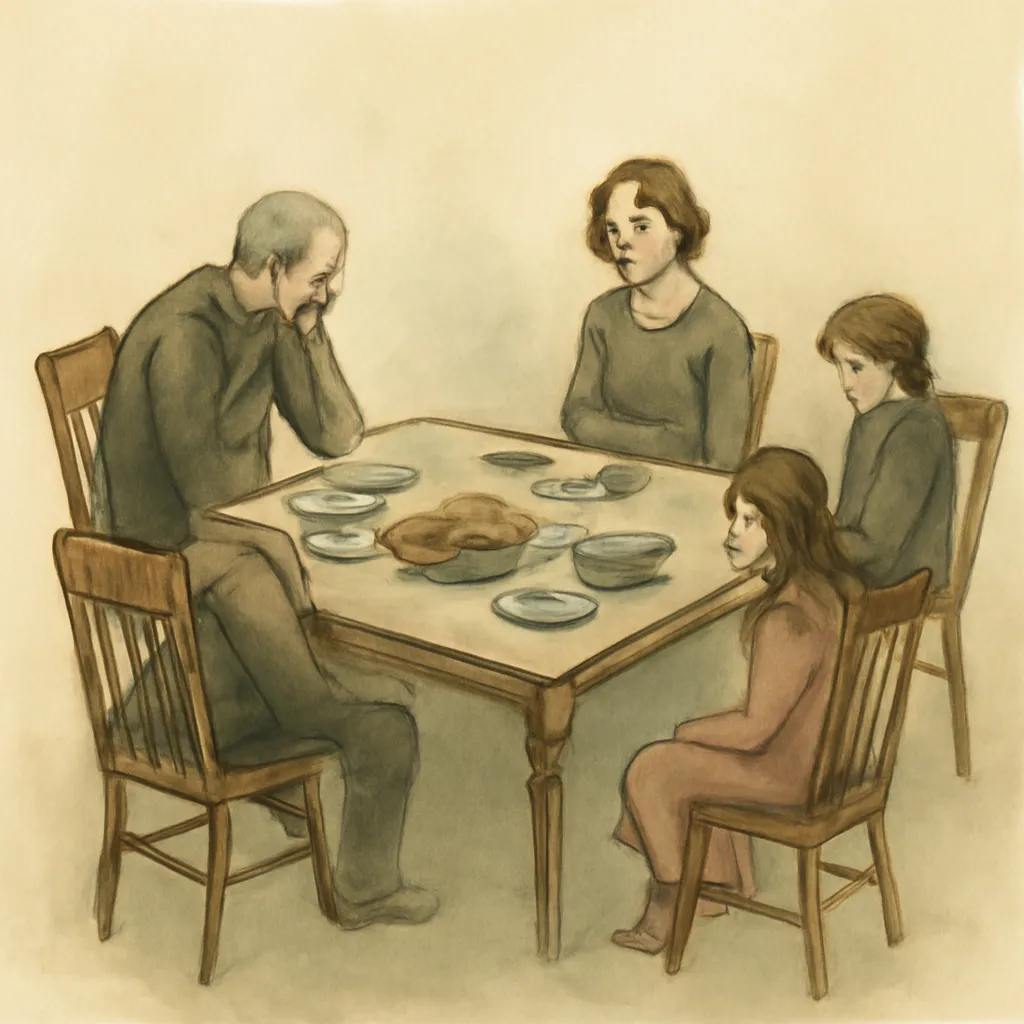
The book highlights the emotional toll that death takes on families and healthcare providers. Kübler-Ross explores how denial and avoidance can create barriers to meaningful connection at the end of life. She encourages open communication and emotional honesty, which can foster healing and growth for everyone involved.
5.Death as a Teacher
Kübler-Ross suggests that facing mortality can be transformative. She argues that acknowledging death helps people live more fully and authentically. For both patients and those around them, the process of dying can prompt reflection on values, relationships, and the meaning of life itself.
6.Legacy and Influence
On Death and Dying sparked a revolution in palliative care and hospice movements. Its ideas influenced how hospitals, therapists, and families approach end-of-life care. The book’s compassionate, human-centered perspective continues to shape conversations about death, grief, and healing decades after its publication.