1.The Role of Venus in Creation
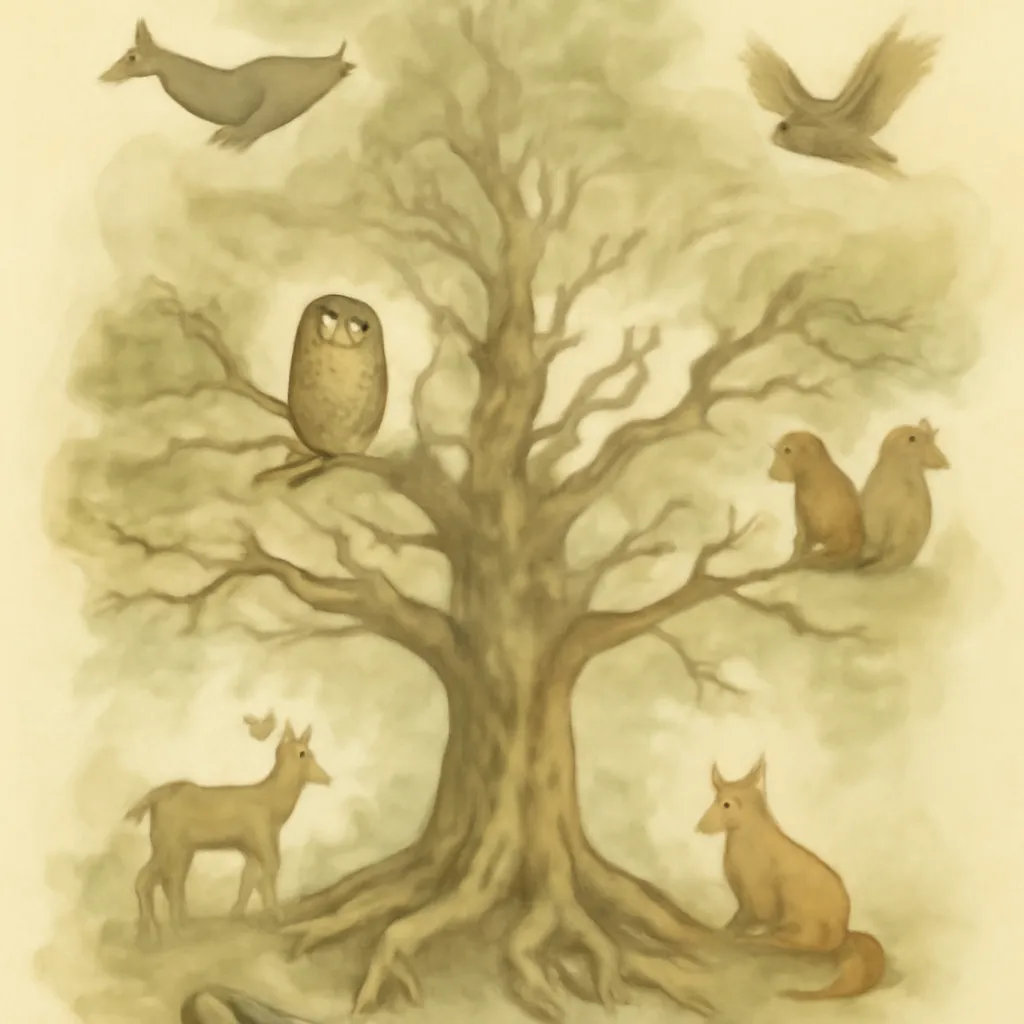
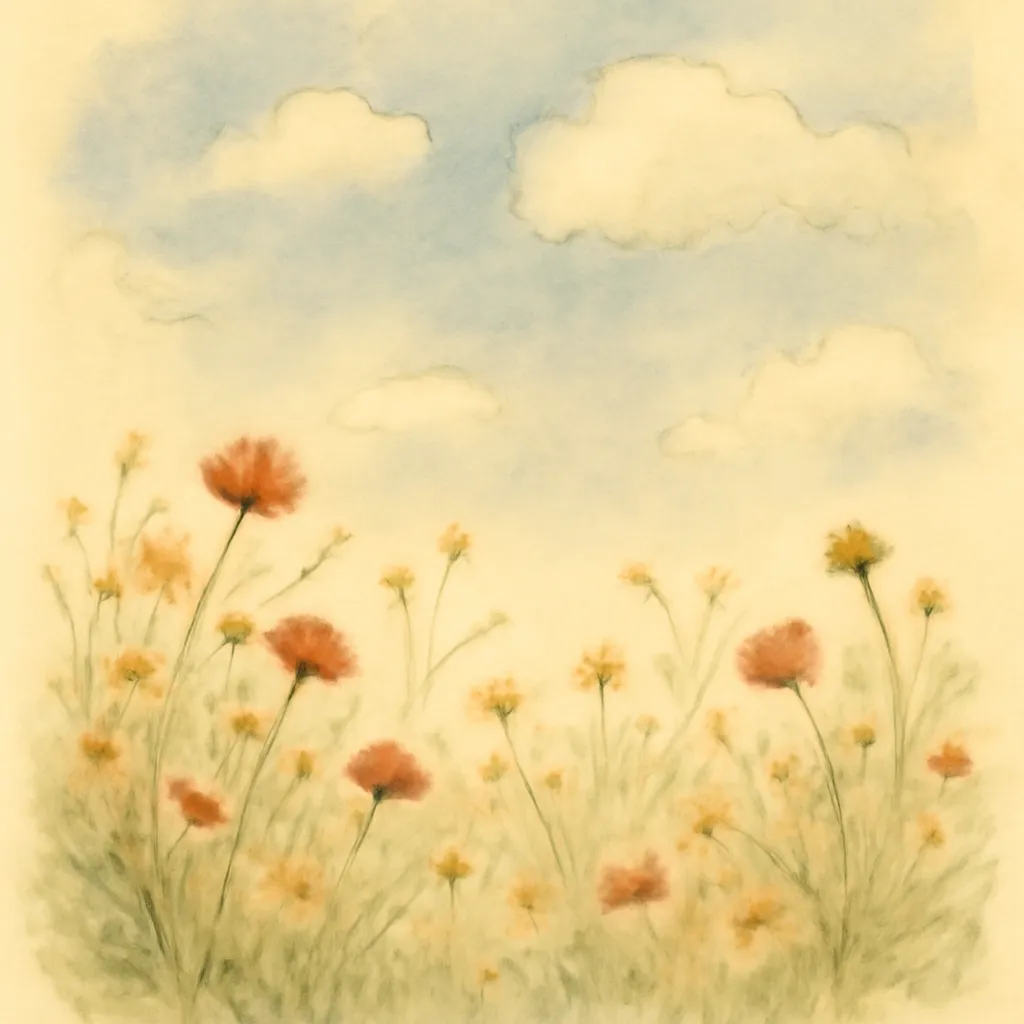
Lucretius opens his poem with a heartfelt invocation to Venus, the goddess of love and beauty, illustrating her importance in the cosmic order. He describes her as the driving force behind procreation and the flourishing of life, emphasizing that all living things owe their existence to her influence. This notion positions love not merely as an emotional experience but as a fundamental principle that sustains the universe. The imagery of nature responding to Venus's presence—flowers blooming, birds singing, and animals frolicking—serves to highlight the harmonious relationship between love and creation. Lucretius suggests that just as love inspires life, it can also guide humanity towards a more peaceful and fulfilling existence. This perspective frames the rest of the work, encouraging readers to cultivate love and appreciation for the beauty around them as a means of enhancing their lives.
2.The Foundation of Pleasure and Pain
Central to Lucretius’s philosophy is the idea that the pursuit of pleasure and the avoidance of pain are the primary motivations of human behavior. He argues that life should be lived in a manner that maximizes pleasure while minimizing suffering. However, Lucretius complicates the definition of pleasure, suggesting that true happiness is not derived from momentary indulgences, but rather from sustainable, intellectual, and emotional fulfillment. For instance, he points out that the pleasures of the mind—such as knowledge, friendship, and tranquility—are far superior to those of the body, which are often fleeting and lead to greater pain. This differentiation encourages readers to seek deeper forms of pleasure that are rooted in the appreciation of life’s simplicity and the natural world. By promoting a balanced approach to pleasure, Lucretius lays the groundwork for a philosophy that values mental well-being as essential for a fulfilling life.
3.Confronting the Fear of Death
One of Lucretius's most striking assertions is that fear of death is irrational and unfounded. He contends that the soul is composed of atoms, just like the body, and upon death, it simply disperses back into the universe. This atomic theory undermines the traditional beliefs surrounding the afterlife, illustrating that death is a natural part of existence, rather than a fearsome end. By reframing death as a return to the state of non-being, Lucretius encourages individuals to embrace life without the shadow of dread looming over them. He argues that many of life's anxieties stem from this fear of death, which can paralyze individuals and prevent them from enjoying the present. In this light, Lucretius advocates for a life lived fully in the moment, free from the anxieties that often accompany thoughts of mortality. His insights serve as a powerful reminder to prioritize living rather than worrying about what lies beyond.
4.The Nature of Atoms and Reality
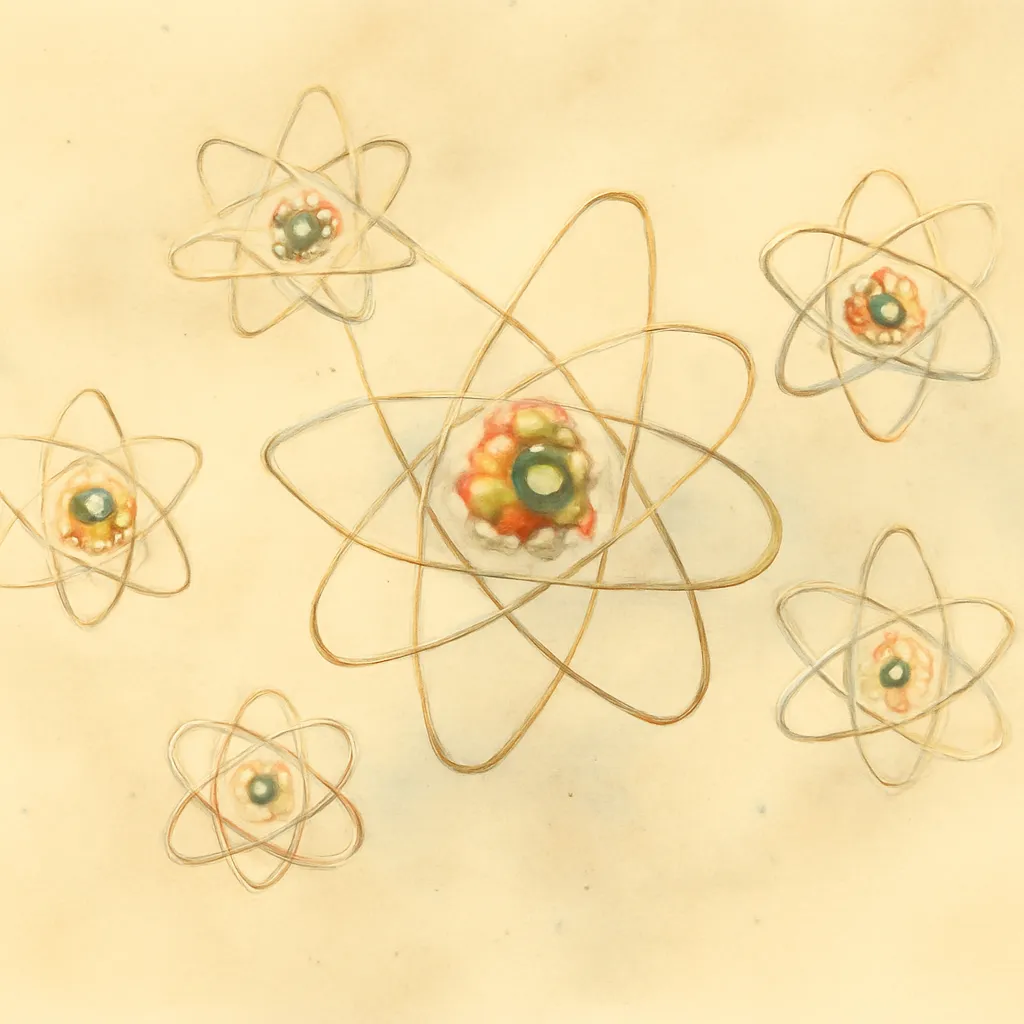
Lucretius introduces his readers to the concept of atoms as the fundamental building blocks of reality, positing that everything in existence is composed of these indivisible particles. He describes how atoms move through the void and combine in various configurations to create the diverse forms of matter we observe in the world. This materialist view challenges the notion of divine intervention in the universe, suggesting instead that natural laws govern all phenomena. By understanding the mechanics of the world, Lucretius encourages readers to obtain knowledge through observation and reason, rather than through superstition or religious dogma. The atomic theory not only serves as a scientific basis for his arguments but also reinforces the idea that the universe is predictable and comprehensible. This perspective invites readers to cultivate a sense of curiosity and engage in the pursuit of scientific knowledge as a means of unlocking the mysteries of existence.
5.The Connection Between Mind and Body
In his exploration of the mind and soul, Lucretius argues that these concepts are not separate from the physical body, but are instead composed of material substances. He emphasizes that the mind is a product of the body’s interactions with the world, highlighting the significance of the body in shaping our mental states. Lucretius posits that physical well-being is intimately connected to mental well-being, asserting that a healthy body contributes to a clear and tranquil mind. This interconnectedness implies that nurturing both aspects is essential for achieving a balanced and fulfilling life. By advocating for a holistic approach to health, Lucretius encourages readers to consider the impact of their physical habits on their mental state. This perspective serves as a foundation for understanding how to cultivate a harmonious existence, where both mind and body work in concert to produce happiness and well-being.
6.Critique of Religion and Superstition
Lucretius delivers a sharp critique of religion and superstition, arguing that they propagate fear and anxiety rather than truth and understanding. He contends that belief in vengeful gods and an afterlife filled with punishment leads to unnecessary suffering, as individuals are often motivated by fear rather than reason. Lucretius calls for a rejection of these irrational beliefs, advocating instead for a philosophical approach grounded in empirical observation and rational thought. By dismantling the myths that hold sway over human psychology, he liberates individuals from the shackles of anxiety that accompany religious dogma. This critique serves as a powerful reminder of the importance of questioning established beliefs and seeking knowledge through reason. Lucretius urges readers to embrace a worldview that is informed by nature and science, rather than superstition, fostering a more peaceful and authentic existence.
7.The Pursuit of Tranquility
Lucretius emphasizes the pursuit of tranquility as the ultimate goal of human life. He posits that true peace of mind arises from understanding the nature of the world and accepting the impermanence of existence. By cultivating a mindset that prioritizes inner calm over external validation, individuals can better navigate the complexities of life. Lucretius suggests that tranquility is achieved by appreciating simple pleasures and living in harmony with nature, rather than pursuing material wealth or societal approval. He encourages readers to reflect on their values and consider what truly brings them joy and contentment. This pursuit of tranquility serves as a guiding principle, inviting individuals to develop a deeper awareness of their thoughts and emotions. By placing significance on inner peace, Lucretius provides a roadmap for achieving fulfillment amidst the chaos of modern life.
8.Interconnectedness of All Beings
Lucretius presents a compelling view of the interconnectedness of all living beings, suggesting that everything in the universe is part of a greater whole. This perspective encourages a sense of unity and compassion towards others, as it becomes clear that all creatures share the same fundamental essence. By recognizing this interconnectedness, individuals are prompted to cultivate empathy and understanding, fostering a more harmonious existence. Lucretius argues that this awareness can lead to a greater appreciation for the lives of others and a commitment to caring for the world around us. This theme resonates throughout the poem, inviting readers to reflect on their relationships and the impact of their actions on the greater community of life. The interconnectedness of all beings serves as a reminder that our individual experiences are part of a larger tapestry, reinforcing the importance of empathy and solidarity in human relationships.
9.The Power of Knowledge and Understanding
Throughout On the Nature of Things, Lucretius champions knowledge and understanding as vital tools for overcoming fear and ignorance. He argues that the pursuit of wisdom allows individuals to free themselves from the constraints of superstition and irrational beliefs. Knowledge is portrayed not merely as an academic endeavor but as a transformative force that empowers individuals to navigate life's uncertainties with confidence. Lucretius encourages readers to engage with the world intellectually, to question assumptions, and to seek understanding through observation and reason. This emphasis on knowledge as a means of liberation underscores the importance of education and critical thinking in the pursuit of a meaningful life. By fostering an appreciation for learning, Lucretius advocates for the cultivation of a curious and open-minded approach to existence, ultimately leading to a more fulfilled and enlightened life.
10.Celebration of the Natural World
Lucretius’s work is a jubilant celebration of the natural world, urging readers to appreciate its beauty and intricacies. He challenges individuals to immerse themselves in nature, recognizing it as a source of inspiration and solace. By engaging with the environment, individuals can cultivate a sense of belonging within the larger cosmos and find joy in the simple wonders of life. Lucretius’s vivid imagery brings the natural world to life, inviting readers to reflect on the profound connections that exist between humanity and nature. This emphasis on the beauty of the natural world serves as a reminder of the importance of environmental stewardship and the need to protect the delicate balance of life on Earth. By embracing nature, individuals can enrich their lives and cultivate a deeper sense of gratitude and awareness, ultimately leading to a more harmonious existence.