1.Change as the Only Constant
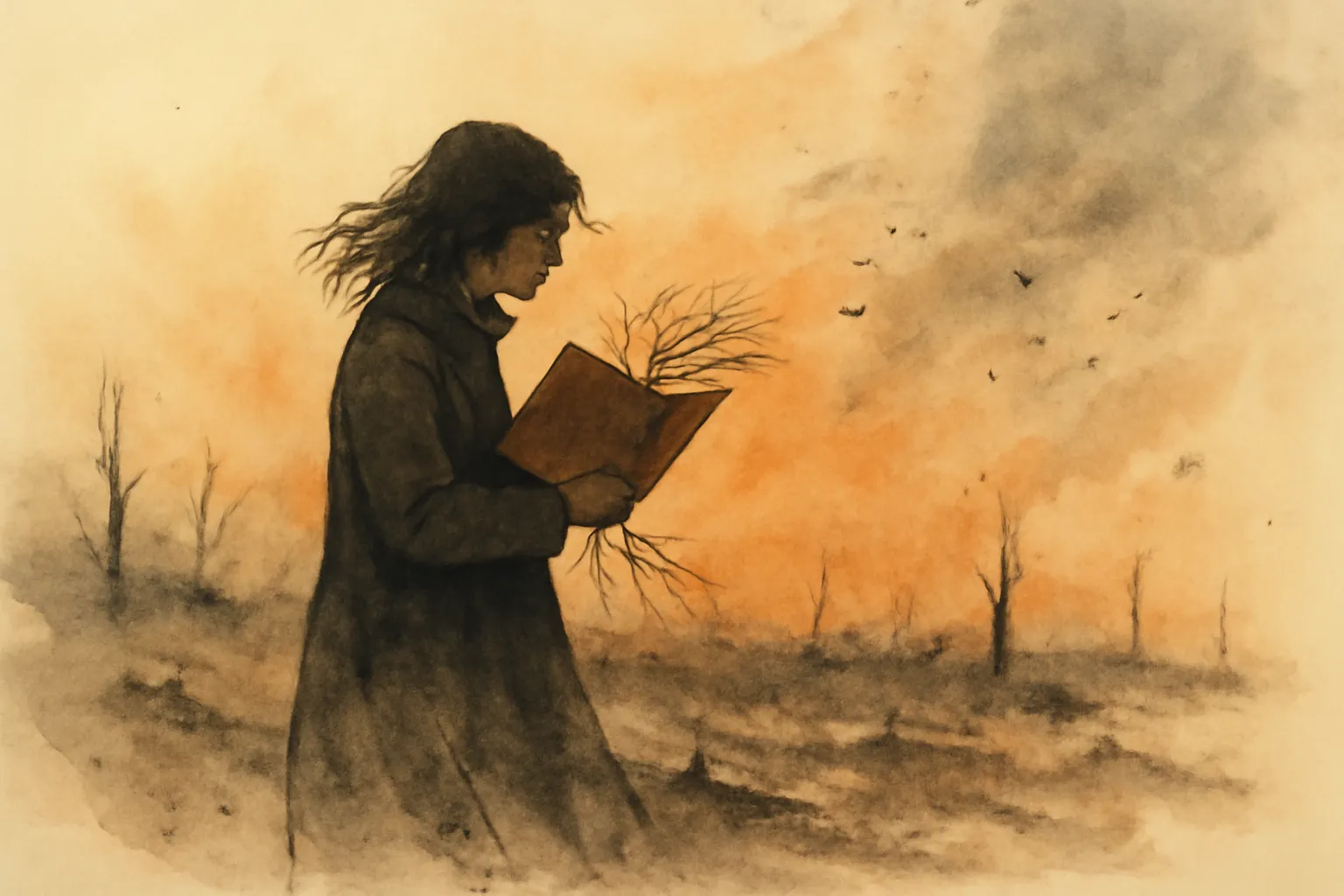
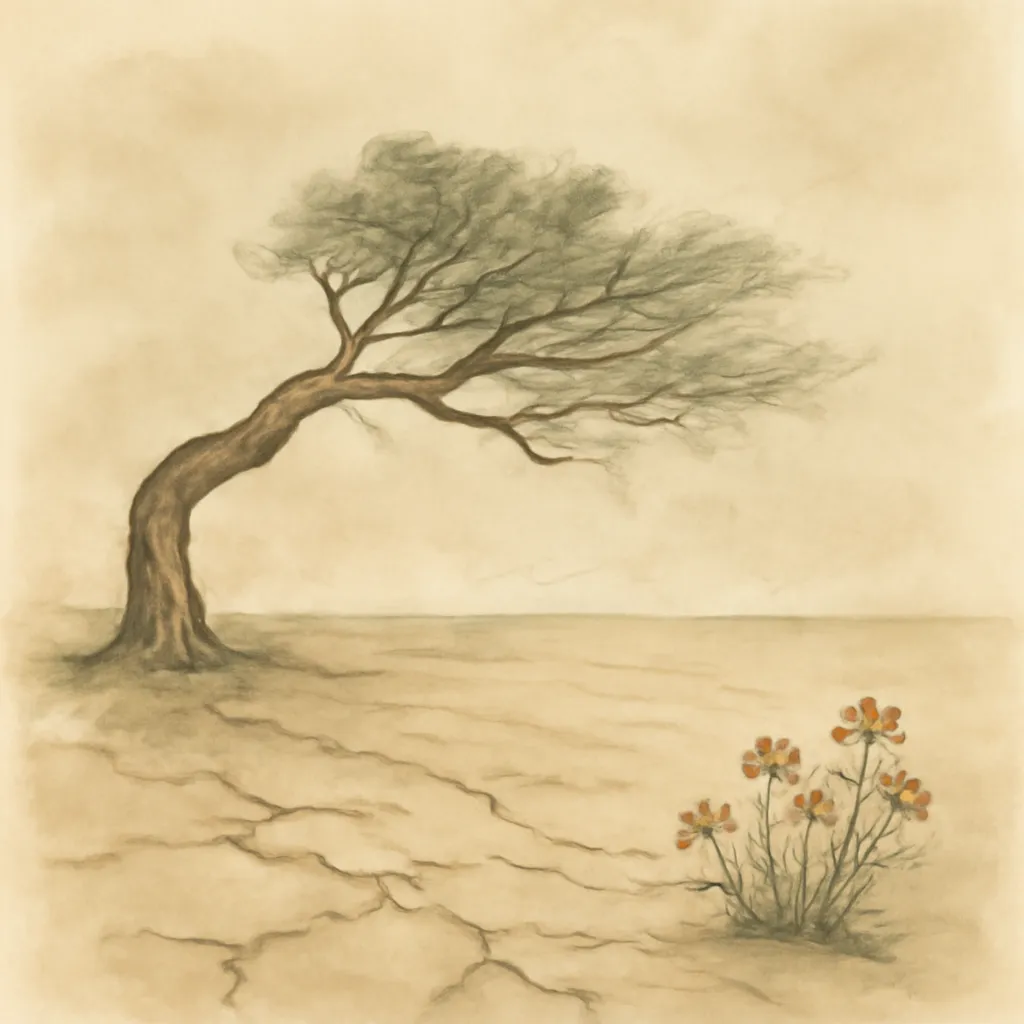
At the heart of the novel is the philosophy that 'God is Change.' Lauren Olamina’s Earthseed religion is built on the premise that change is inevitable and that survival depends on our ability to adapt and shape that change. This idea is both a spiritual anchor for Lauren and a practical guide for navigating a world in flux. The novel invites readers to question their own relationship to change and to consider how adaptability, rather than rigid ideology, is key to resilience in times of crisis.
2.Community and Collective Survival
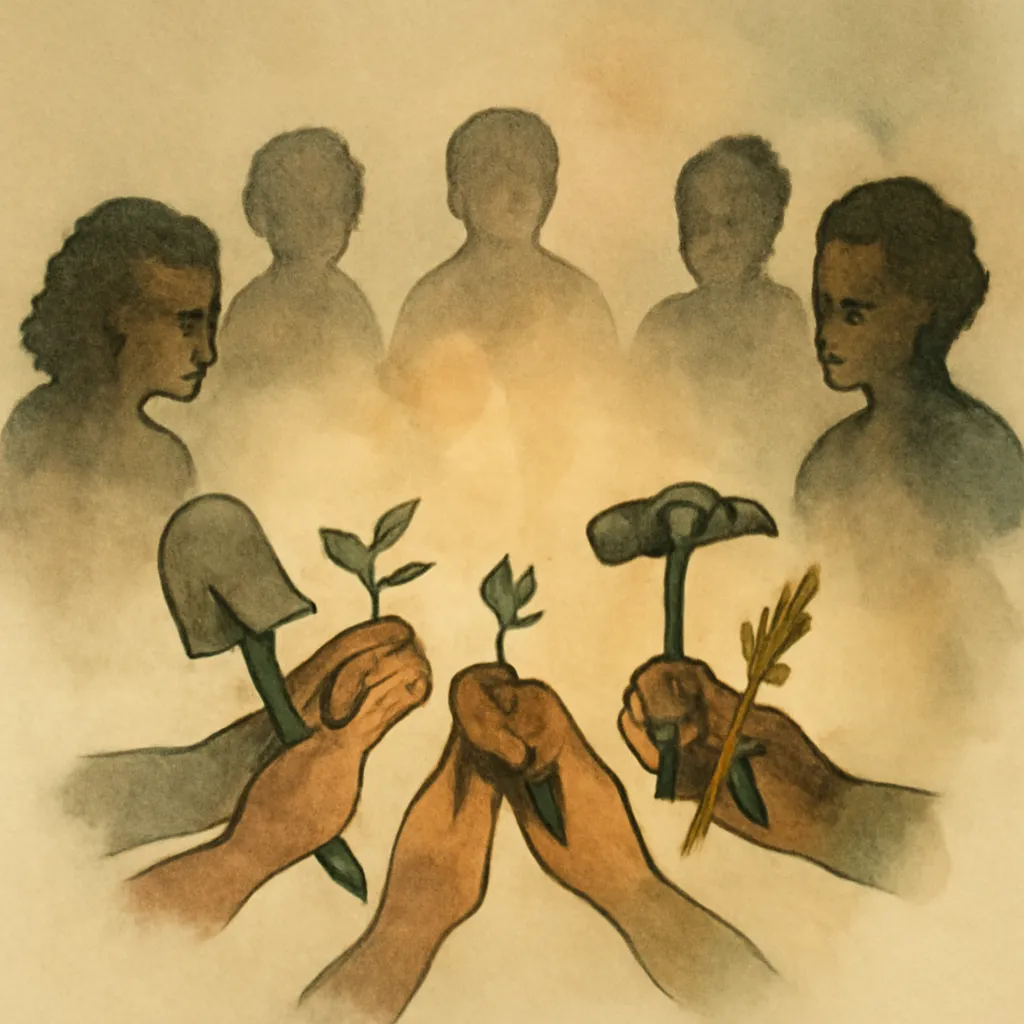
Butler emphasizes that individual survival is inseparable from the fate of the community. As Lauren travels north, she gathers a diverse group of followers, each bringing their own strengths and vulnerabilities. The formation of this makeshift family highlights the necessity of trust, cooperation, and mutual care in hostile environments. The book suggests that hope and progress are possible only when people work together, transcending differences of race, class, and background.
3.Empathy as a Double-Edged Sword
Lauren’s hyperempathy syndrome, which causes her to physically feel the pain of others, is both a liability and a gift. In a brutal world, empathy can be dangerous, making Lauren vulnerable to exploitation and suffering. Yet, it also becomes the foundation of her leadership and vision for Earthseed. Butler uses Lauren’s condition to explore the power and peril of empathy, raising questions about how much we should let others’ suffering move us, and how empathy can be harnessed for collective good.
4.Environmental and Social Collapse
The novel’s backdrop—a California devastated by climate change, water scarcity, and economic inequality—feels eerily prophetic. Butler’s depiction of societal breakdown is unsparing, showing how fragile civilization can be when faced with environmental catastrophe and the erosion of public trust. The story serves as a warning about the consequences of ignoring social and ecological crises, and a call to imagine new ways of living together.
5.Faith, Belief, and the Power of Ideas
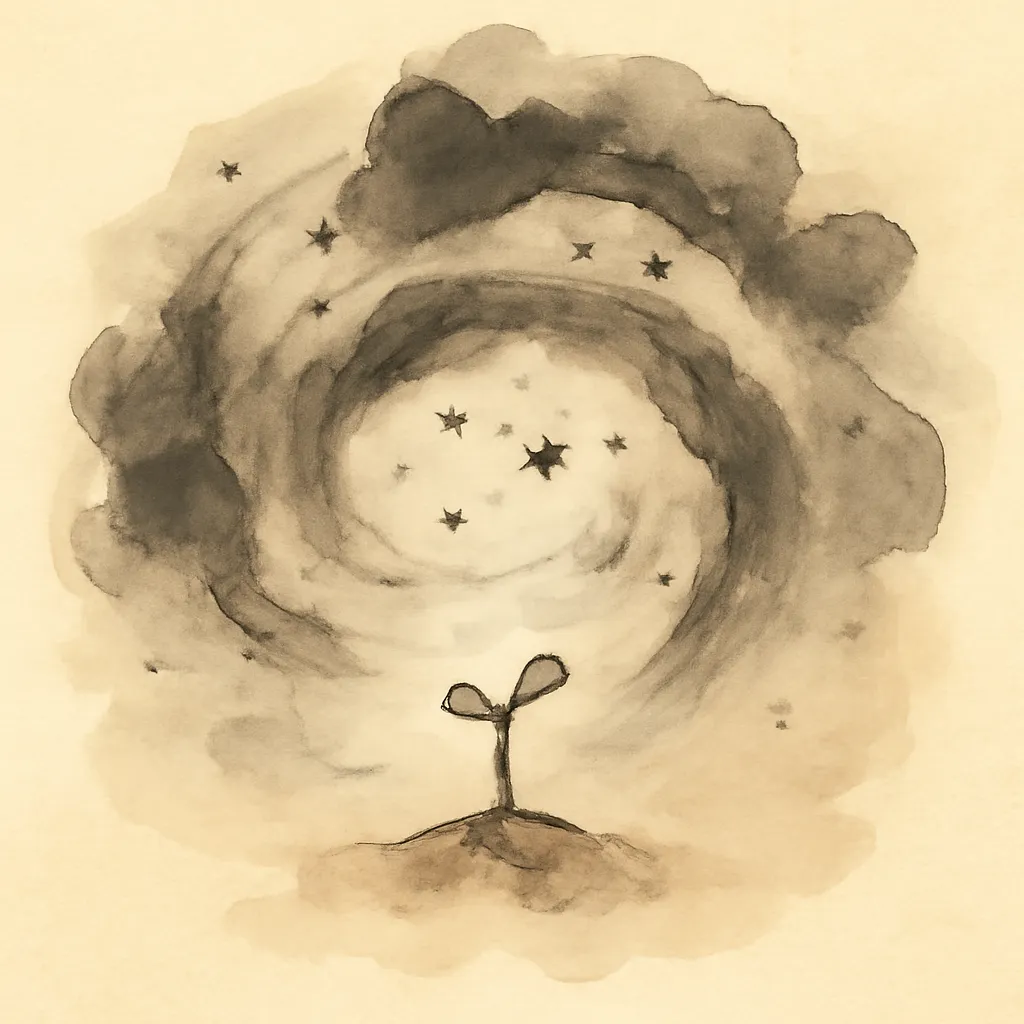
Through Lauren’s creation of Earthseed, Butler explores the role of belief systems in shaping human action and destiny. Earthseed is not just a religion but a framework for understanding and influencing the world. The novel interrogates the nature of faith—how it can be both a tool for manipulation and a source of genuine hope. Butler suggests that the stories we tell ourselves about the world can determine whether we succumb to despair or build something new.
6.Race, Gender, and Power Dynamics
Butler foregrounds issues of race, gender, and power throughout the novel. Lauren, a young Black woman, must navigate not only the dangers of a lawless society but also the prejudices and vulnerabilities imposed by her identity. The book examines how systemic inequalities persist and mutate even as society collapses, and how marginalized people often become the architects of new futures.