Fiction · Twenty-first century · African Americans
Parable of the Sower by Octavia E. Butler — Summary, Key Ideas & Quotes
1993320 pages✦ 3-min Big ideas★ 4.4 (56)
Rate it
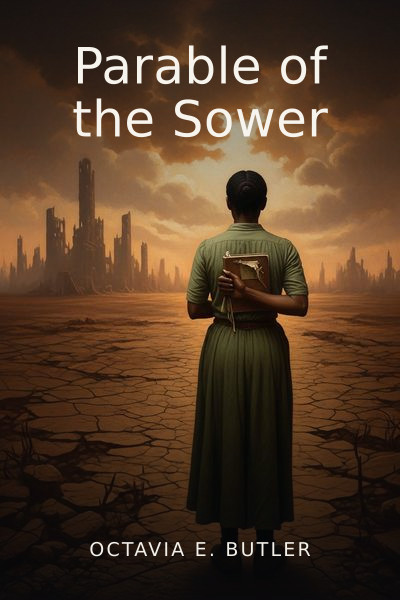
In 2025, with the world descending into madness and anarchy, one woman begins a fateful journey toward a better future. Lauren Olamina and her family live in one of the only safe neighborhoods remaining on the outskirts of Los Angeles. Behind the walls of their defended enclave, Lauren’s father, a preacher, and a handful of other citizens try to salvage what remains of a culture that has been destroyed by drugs, disease, war, and chronic water shortages. While her father tries to lead people on the righteous path, Lauren struggles with hyperempathy, a condition that makes her extraordinarily sensitive to the pain of others. When fire destroys their compound, Lauren’s family is killed and she is forced out into a world that is fraught with danger. With a handful of other refugees, Lauren must make her way north to safety, along the way conceiving a revolutionary idea that may mean salvation for all mankind.
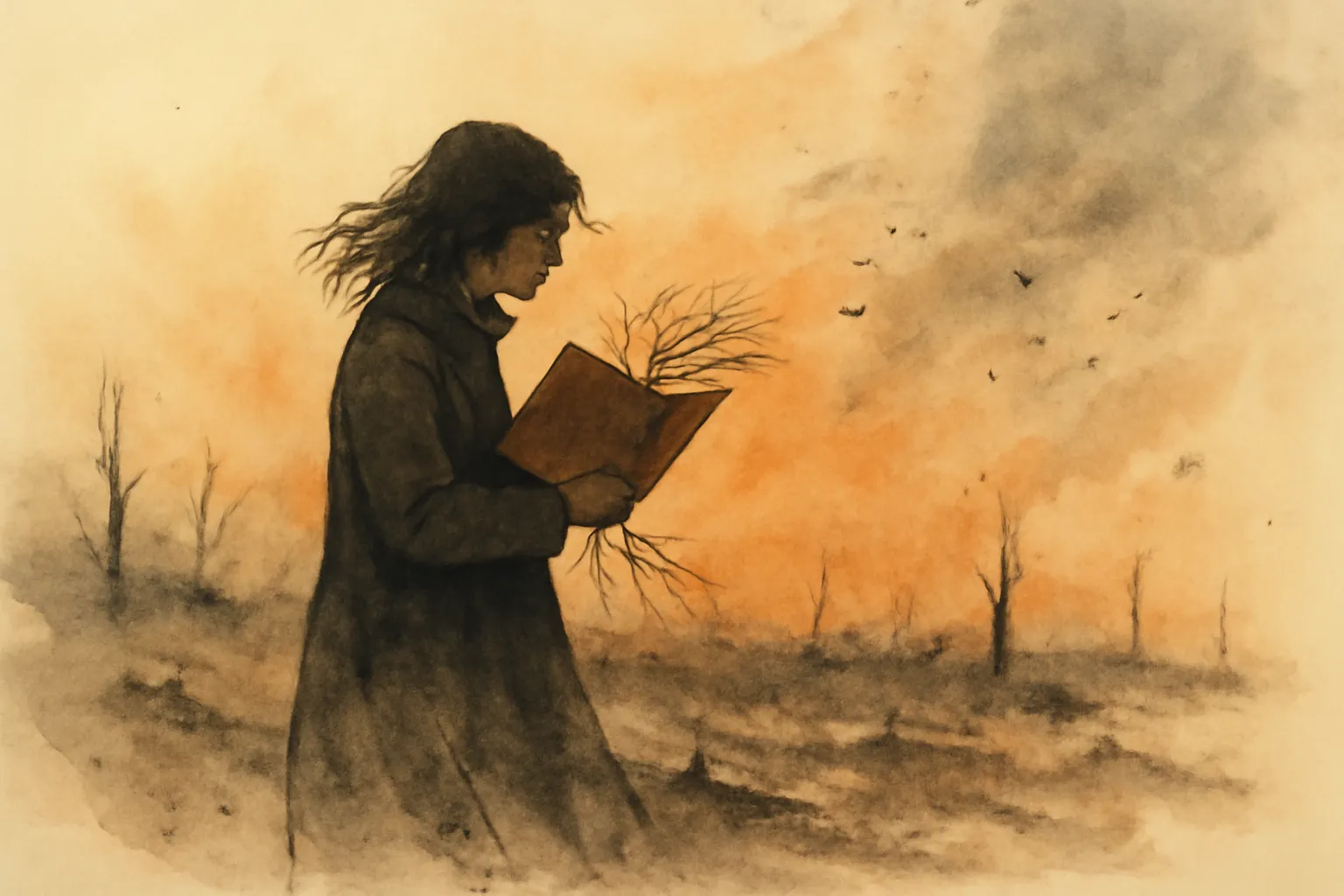
At the heart of the novel is the philosophy that 'God is Change.' Lauren Olamina’s Earthseed religion is built on the premise that change is inevitable and that survival depends on our ability to adapt and shape that change. This idea is both a spiritual anchor for Lauren and a practical guide for navigating a world in flux. The novel invites readers to question their own relationship to change and to consider how adaptability, rather than rigid ideology, is key to resilience in times of crisis.
Butler emphasizes that individual survival is inseparable from the fate of the community. As Lauren travels north, she gathers a diverse group of followers, each bringing their own strengths and vulnerabilities. The formation of this makeshift family highlights the necessity of trust, cooperation, and mutual care in hostile environments. The book suggests that hope and progress are possible only when people work together, transcending differences of race, class, and background.
“All that you touch You Change. All that you Change Changes you. The only lasting truth is Change.”
“God is Change.”
“Embrace diversity. Unite—or be divided, robbed, ruled, killed by those who see you as prey.”