1.The City as a Living Organism
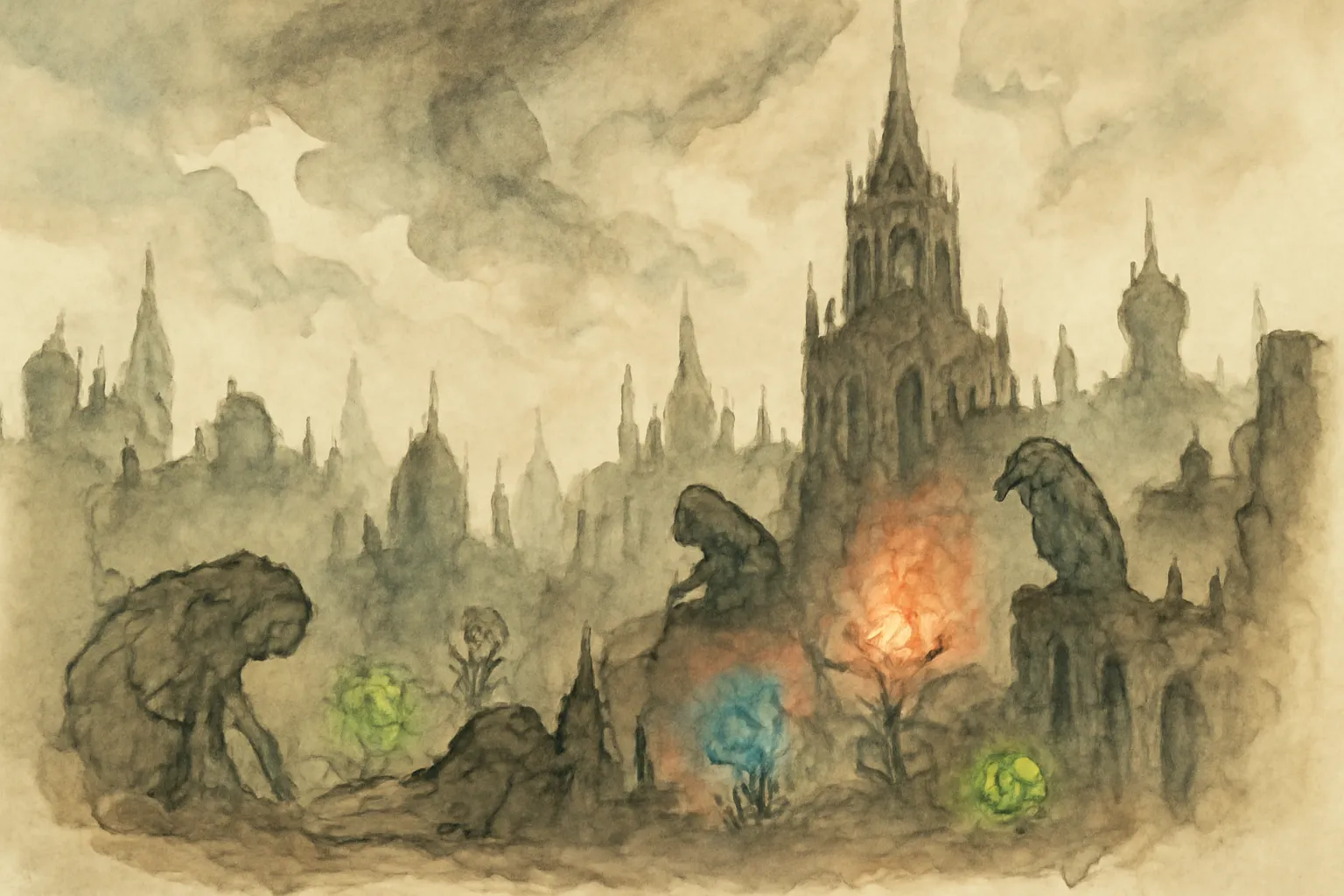
New Crobuzon is more than a backdrop; it is a character in its own right, pulsing with life, corruption, and danger. Miéville crafts a city that reflects the chaos and complexity of real urban centers, with its diverse inhabitants, political machinations, and constant tension between progress and decay. The city’s architecture, social hierarchies, and even its criminal underworld are rendered with such detail that readers become immersed in its grime and grandeur, forcing them to confront the ways environment shapes identity and morality.
2.Hybridity and Otherness
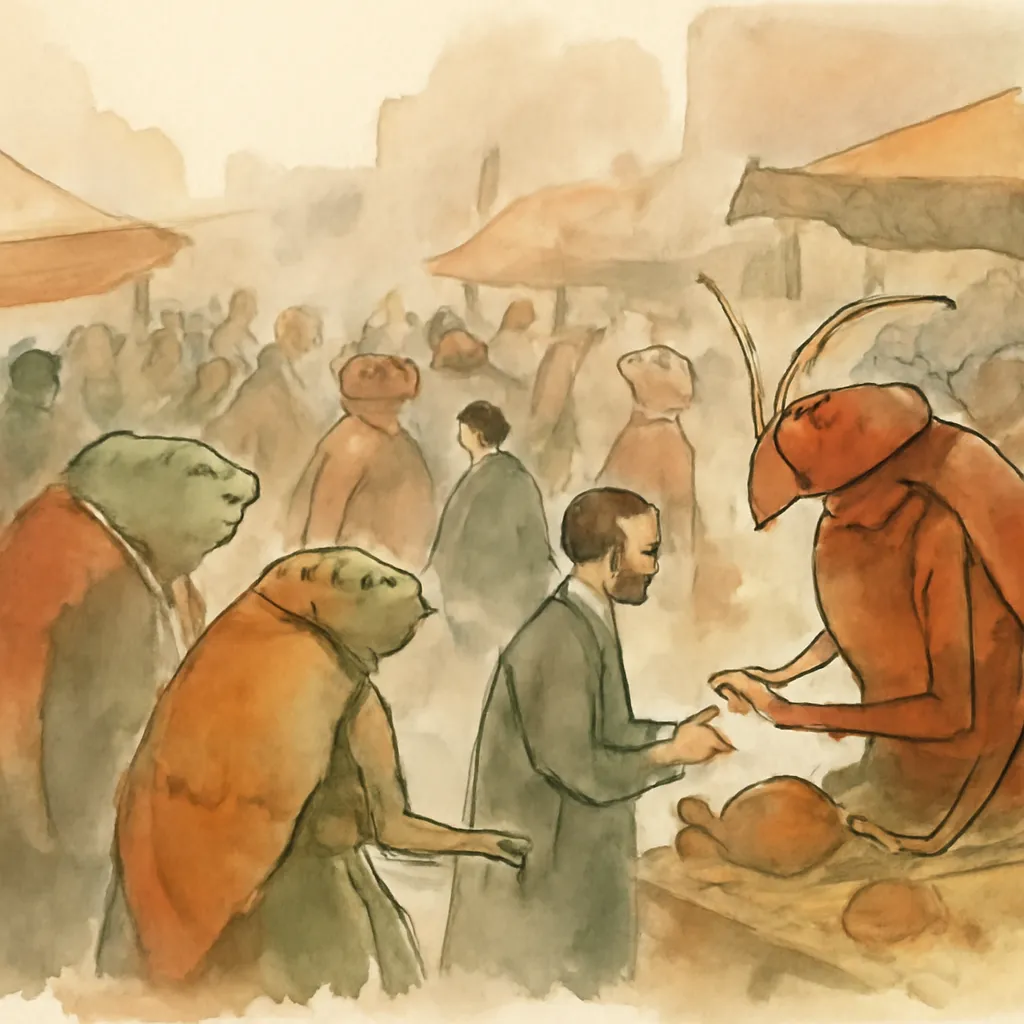
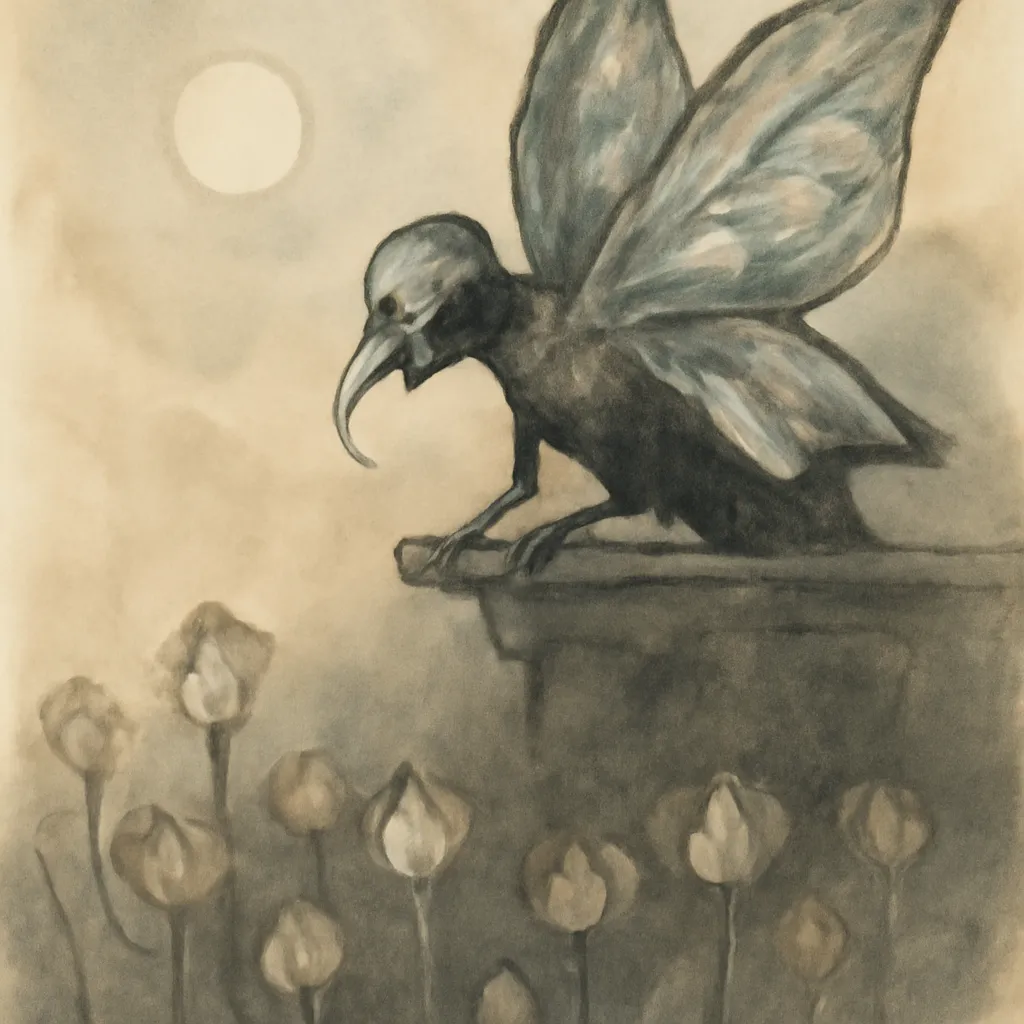
Perdido Street Station is obsessed with the concept of hybridity—biological, social, and cultural. The city’s population includes humans, insectoid khepri, amphibious vodyanoi, and the Remade—beings forcibly altered as punishment. Through these characters, Miéville explores themes of alienation, prejudice, and the struggle for agency in a society that commodifies and exploits difference. The Garuda’s quest for lost flight and the Remade’s suffering become metaphors for the search for selfhood in a hostile world.
3.Science, Magic, and Crisis Theory
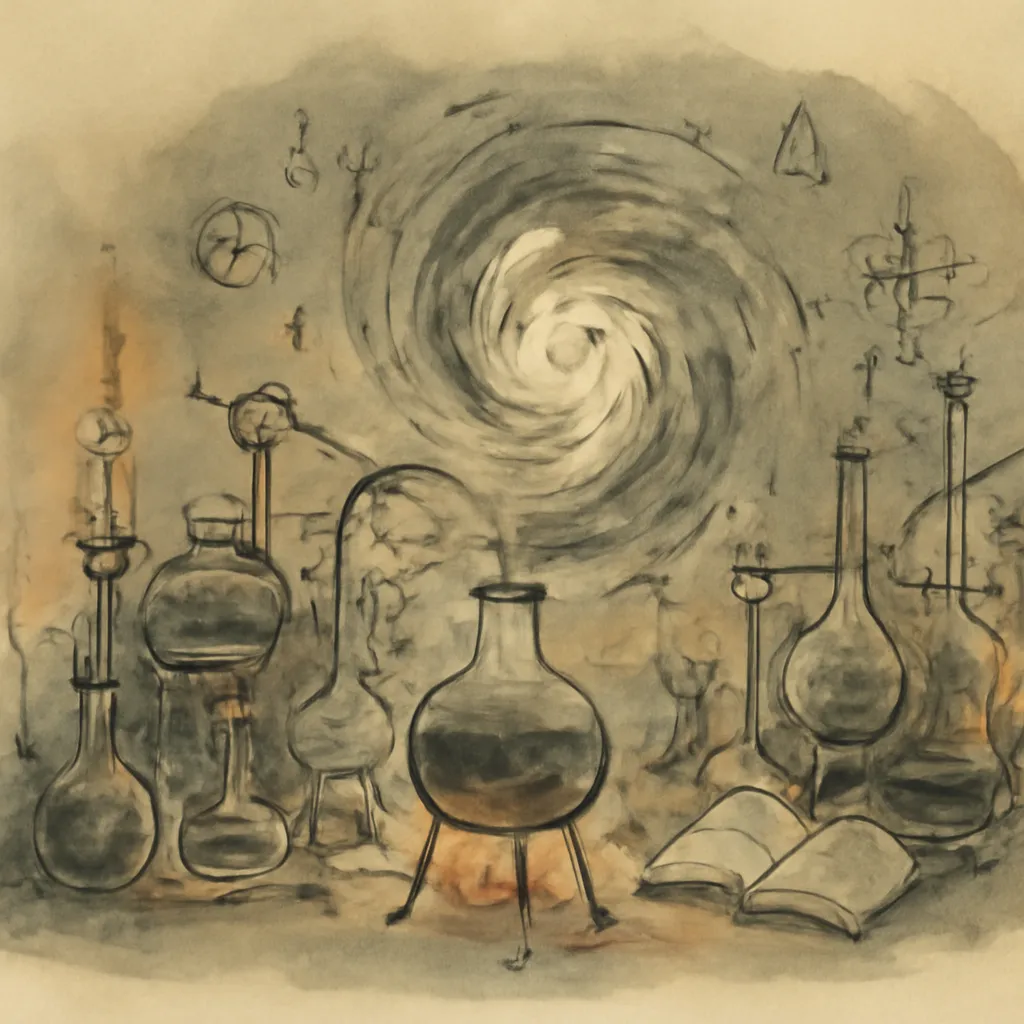
The novel blurs the lines between science and magic, presenting a world where alchemy, thaumaturgy, and advanced physics coexist. Isaac’s pursuit of ‘Crisis Theory’—a fictional branch of science focused on unpredictability and transformation—mirrors the novel’s own structure, which resists neat categorization. This interplay allows Miéville to interrogate the ethics and consequences of unchecked curiosity, and the unforeseen dangers of innovation in a society already teetering on the edge.
4.Power, Oppression, and Resistance
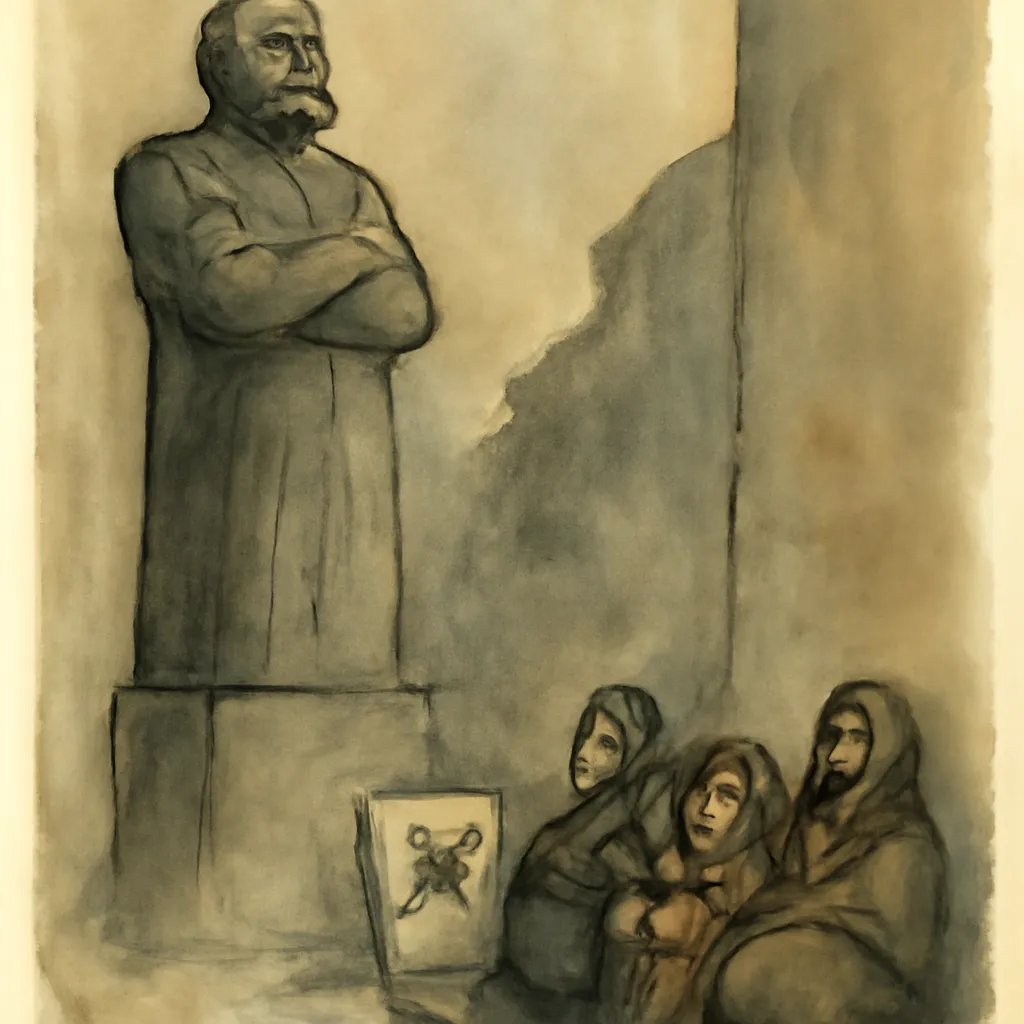
New Crobuzon is ruled by a brutal, authoritarian government that uses fear, violence, and surveillance to maintain control. The city’s marginalized populations—artists, workers, the Remade—are both victims and agents of resistance. Miéville’s depiction of power is nuanced: even those who oppose the system are compromised by it. The novel asks whether true change is possible in a world where every act of rebellion risks co-option or catastrophe.
5.The Monstrous and the Sublime
Miéville revels in the grotesque, populating his world with monsters both literal and metaphorical. Yet, the novel also finds beauty in the bizarre, challenging readers to reconsider their definitions of the monstrous and the sublime. The slake-moths, with their terrifying psychic powers, embody both existential horror and a strange, awe-inspiring majesty. This duality forces readers to confront their own fears and fascinations with the unknown.
6.The Cost of Obsession
Isaac’s scientific obsession drives much of the plot, leading to unintended, catastrophic consequences. The novel explores how personal ambition, even when rooted in curiosity or compassion, can spiral into hubris and destruction. Through Isaac and others, Miéville warns of the dangers inherent in single-minded pursuit—whether of knowledge, justice, or escape—especially in a world as volatile as New Crobuzon.