1.The Journey as a Quest for Understanding
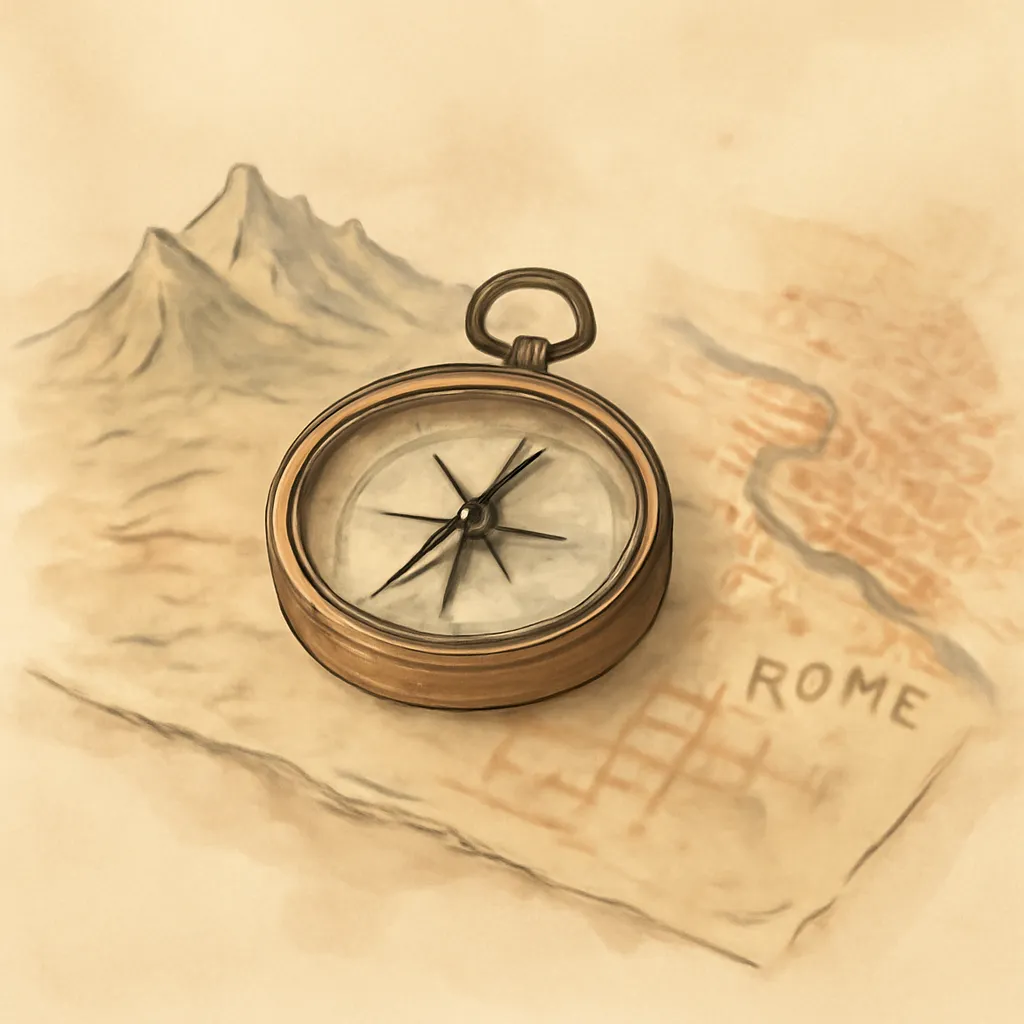
Wylie’s journey from the Alps to Rome is not merely a physical pilgrimage but a quest for understanding the socio-political landscape shaped by Romanism. He expresses a desire to learn from the historical and cultural richness of Italy, acknowledging that the past cannot be separated from the present. The journey allows him to observe firsthand the effects of the Papal system on trade, knowledge, and the general condition of the populace. By visiting significant sites, he aims to uncover the underlying principles of the politico-religious system entrenched in Italy. His reflections on the beauty of the landscape juxtaposed with the oppression he witnesses highlight the duality of experience: the allure of Italy's history and the grim reality of its current state under Papal rule. Wylie’s intention to understand rather than merely criticize underscores the complexity of his observations and the depth of his inquiry into the influence of Romanism.
2.The Alps: A Gateway to Reflection
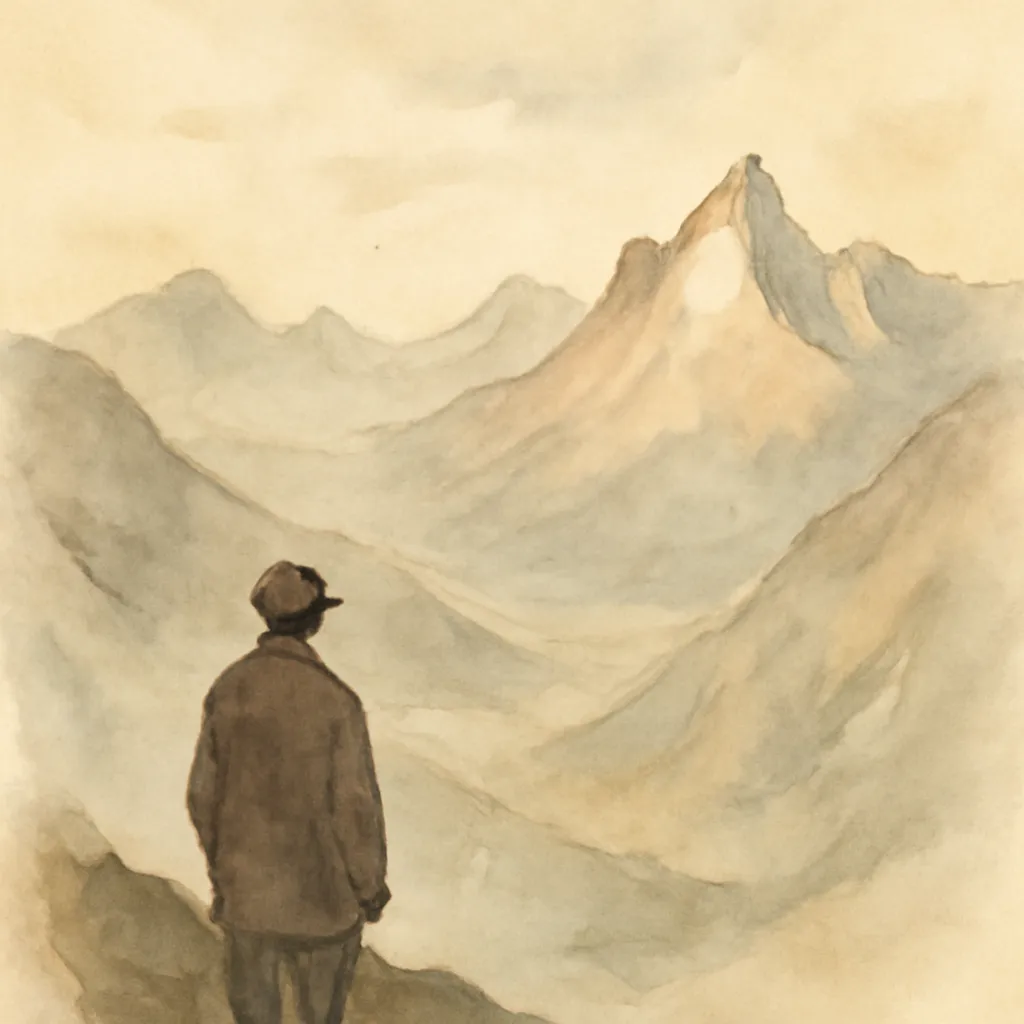
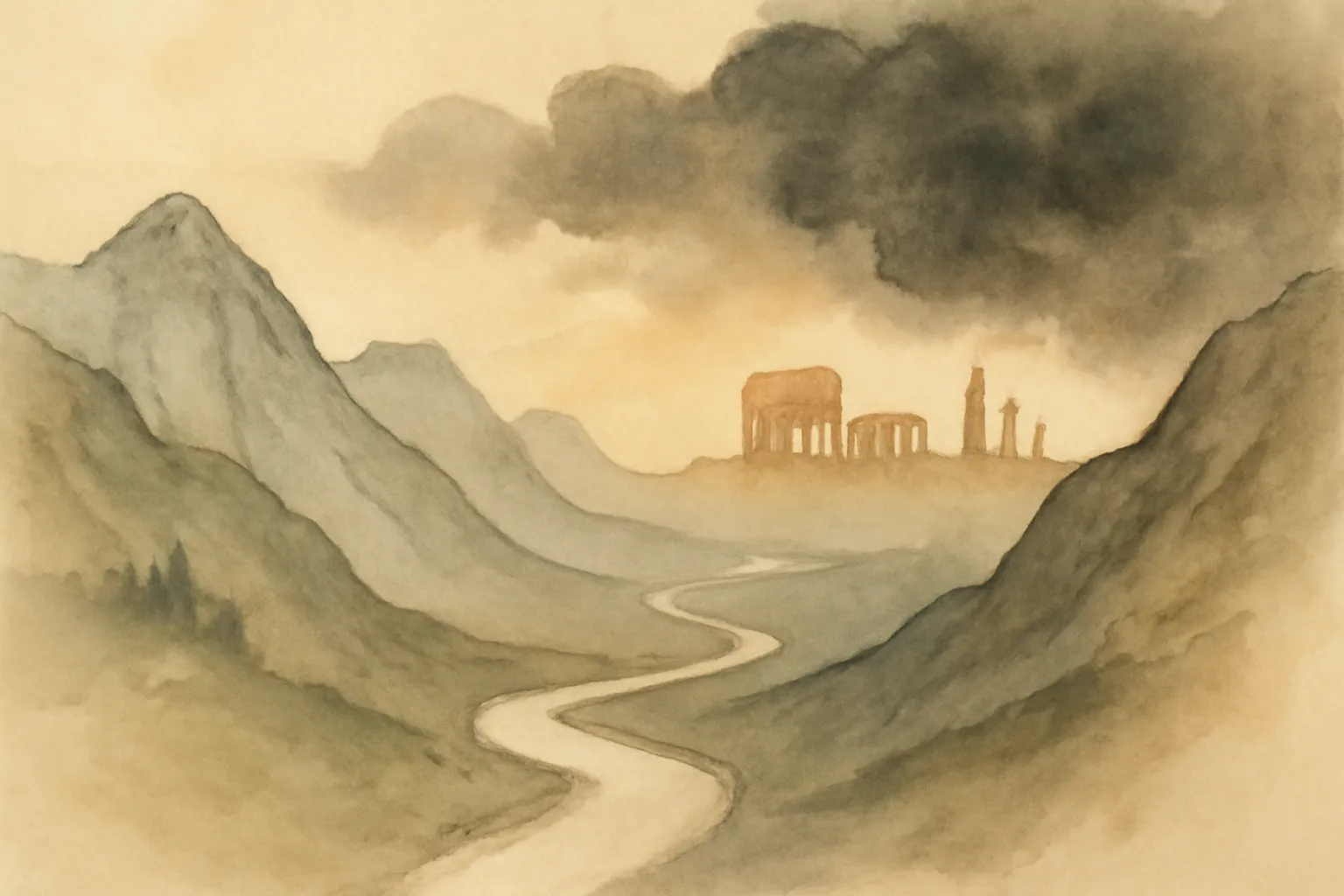
As Wylie crosses the Alps, he is struck by the majestic beauty of the landscape, which serves as a metaphor for his journey into the depths of Italian history. The passage through the Alps symbolizes both a physical and intellectual ascent, where he contemplates the lessons of history that have shaped the present. He reflects on the significance of the Alps as a natural barrier that has historically separated cultures, ideas, and governance. The beauty of the mountains contrasts sharply with the oppressive political landscape of Italy, exemplifying the conflict between nature's grandeur and human-made suffering. Wylie is reminded of significant historical figures associated with the region, such as Irenæus, a foundational early Christian leader, reinforcing the idea that this journey is steeped in theological and historical significance. This section of the journey emphasizes that the natural world can inspire thoughts of freedom and justice, which are stifled by the ecclesiastical structures in place.
3.The Vaudois: A Testament to Resilience
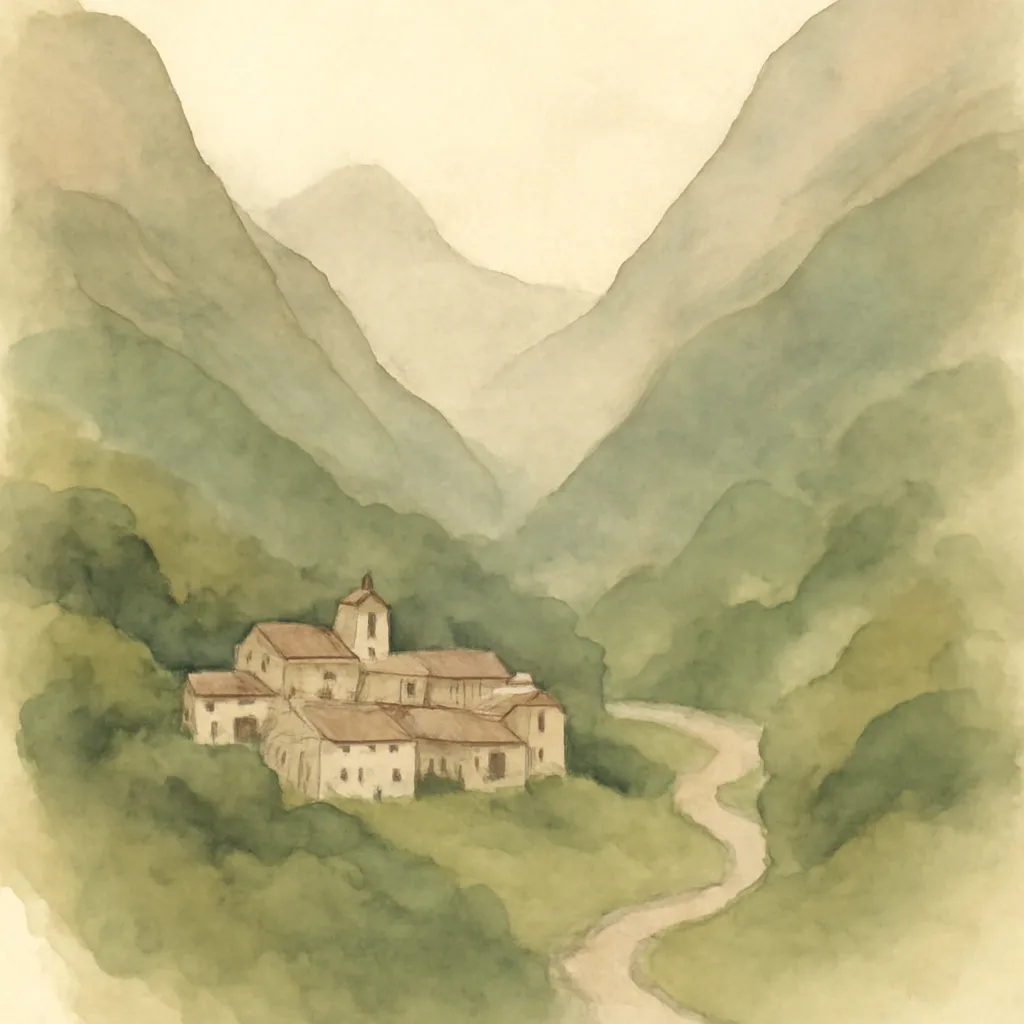
Wylie dedicates significant attention to the Vaudois, a group that has historically resisted Papal authority and maintained their faith despite severe persecution. Their valleys, rich in history, symbolize a beacon of hope and resilience against the overwhelming tide of Romanism. He describes the geographical and cultural characteristics of the Vaudois valleys, highlighting their strength and fertility, which stand in stark contrast to the prevailing oppression in other regions of Italy. The Vaudois serve as a reminder that even in the face of systemic oppression, communities can thrive through faith, education, and a commitment to truth. Wylie's admiration for their historical struggles and current state underscores the importance of religious freedom and the pursuit of knowledge as vital components of human dignity. By exploring their unique traditions and social structures, Wylie illustrates how the Vaudois have fostered a sense of community and identity that defies external pressures.
4.The State of Trade Under Papal Rule
Wylie critiques the dire state of trade and industry in the Papal States, attributing their decline to the oppressive influence of the church. He argues that Romanism systematically discourages trade, viewing it as a threat to the ecclesiastical power structure. The lack of iron production and machinery in the Papal States illustrates how restrictive policies have stifled economic growth and technological advancement. He describes the crippling impact of prohibitive duties on essential resources, which have turned a once-thriving region into a landscape of poverty and stagnation. Wylie's observations serve as a compelling argument that economic prosperity is often at odds with religious institutional authority. He emphasizes that the church’s priorities lie in maintaining control rather than fostering an environment conducive to innovation and trade, ultimately raising questions about the morality of such governance.
5.The Ironies of Papal Authority
Wylie highlights the ironies inherent in Papal governance that claims to be a source of moral and spiritual guidance while simultaneously perpetuating economic decline. He points out how the church's opposition to railways and infrastructure development directly contradicts the principles of liberty and progress. Wylie's narrative underscores that the church's fear of movement and commerce reflects a desire to maintain control over the populace, keeping them chained to the soil and reliant on ecclesiastical authority. He describes how this fear manifests in the lack of support for technological advancements and trade routes, which is critical for a thriving society. This section prompts readers to reflect on the paradox of a faith that professes liberation yet enforces bondage, inviting a deeper consideration of the implications of institutional control over personal and societal freedoms.
6.Cultural Decay Amidst Historical Richness
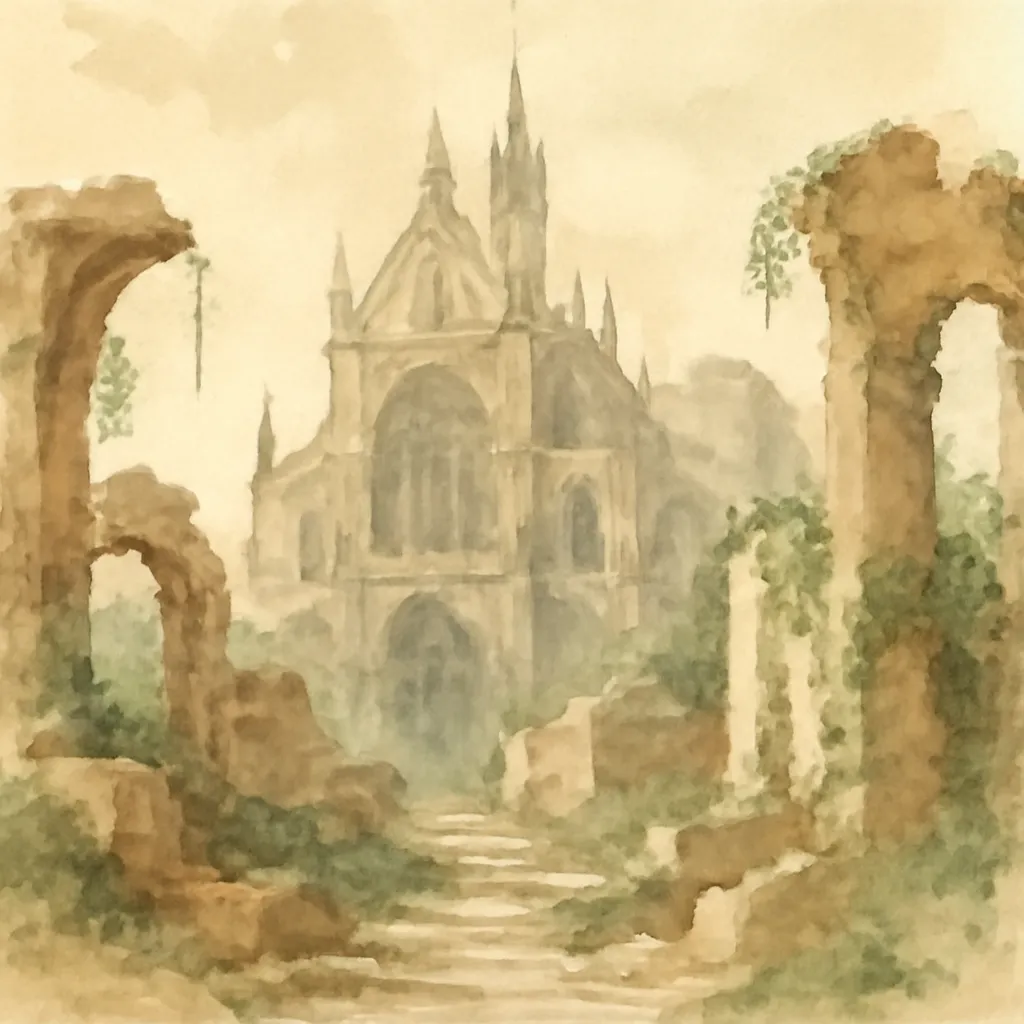
As Wylie traverses various cities, he notes a pervasive sense of cultural decay that shadows Italy’s historical richness. While cities like Milan and Venice boast magnificent architecture and storied pasts, their current states reflect a decline in art, trade, and civic life. Wylie laments the loss of vibrancy and creativity, attributing it to the oppressive weight of Romanism that has stifled intellectual and artistic expression. He observes that the once-thriving centers of culture are now marred by a sense of despair and neglect, where the populace appears resigned to their fate. Wylie's vivid descriptions of decaying structures juxtaposed with their former glory serve to illuminate how the weight of ecclesiastical rule can drain a society of its spirit and vitality. His commentary serves as a poignant reminder of how powerful institutions can diminish the human spirit and creativity, leading to a stagnation that affects all aspects of life.
7.The Role of Knowledge in Resistance
Wylie emphasizes the crucial role of knowledge in the resistance against oppressive systems, particularly in the context of the Reformation. He reflects on how the dissemination of knowledge through the Bible and other texts has empowered individuals to challenge the status quo of Romanism. The emergence of a free press and the spread of educational opportunities among the Vaudois and other reformers represent a significant shift towards autonomy and enlightenment. Wylie argues that ignorance is a tool of oppression, and that education is a pathway to liberation. He illustrates how the availability of religious texts in the vernacular has facilitated a more profound understanding of faith among the people. This section highlights the transformative power of education and the necessity of fostering a culture of learning and inquiry as a means of combating institutional control and promoting individual rights.
8.The Impact of Martyrdom on Collective Memory
The history of martyrdom plays a pivotal role in Wylie's narrative, as he recounts the sacrifices made by those who stood against Papal authority. He reflects on the stories of Italian martyrs who suffered for their beliefs during the Reformation, establishing a legacy that continues to inspire modern resistance against oppression. These accounts serve not only as historical records but as powerful reminders of the cost of faith and the resilience of the human spirit. Wylie suggests that the collective memory of these martyrs fortifies the resolve of contemporary believers, emphasizing the enduring impact of their sacrifices on the fight for religious freedom. This exploration of martyrdom invites readers to consider the weight of history in shaping current struggles for justice and truth, as Wylie connects the past with contemporary issues in an ongoing fight for liberty.
9.The Contrast of Past and Present
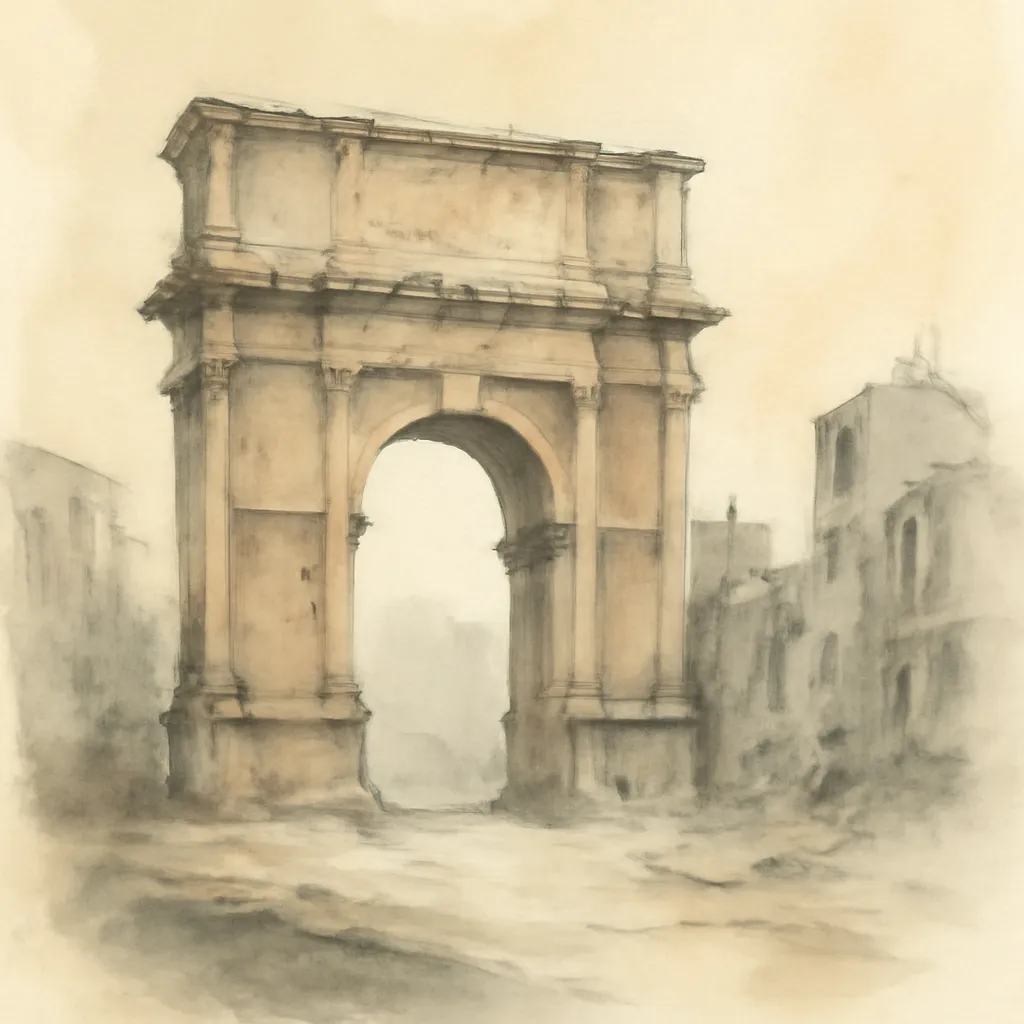
Wylie draws a stark contrast between the grandeur of ancient Rome and the desolation of modern-day Italy under Papal rule. He reflects on the historical significance of Rome as a center of power, culture, and innovation, juxtaposed with its current state of decay and oppression. The once-vibrant city is now characterized by a lack of civic engagement and a populace subdued by fear and poverty. Wylie's observations compel readers to consider how the legacies of power can lead to both greatness and ruin, and how the choices made by societies can reverberate through time. This contrast serves as a cautionary tale about the responsibilities that come with power and the potential consequences of neglecting the well-being of the populace. Wylie’s reflections on the decline of artistic and cultural expression amidst the ruins of a once-magnificent empire leave readers questioning the sustainability of such a system.
10.The Call for Reformation and Renewal
Ultimately, Wylie’s pilgrimage is a call for reformation and renewal, not just in Italy but within the broader context of faith and governance. He advocates for a return to the principles of liberty, knowledge, and individual conscience that characterized the early Reformation. Wylie stresses the importance of empowering individuals to seek truth and challenge oppressive systems, emphasizing that true faith cannot flourish under coercion. His reflections resonate with contemporary issues of religious freedom and human rights, urging readers to recognize the ongoing relevance of these struggles. By highlighting the need for a transformative movement, Wylie inspires hope for a future where faith and freedom coexist harmoniously. He presents a vision for a society where individuals are not bound by institutional control but rather encouraged to pursue enlightenment and justice in their lives.