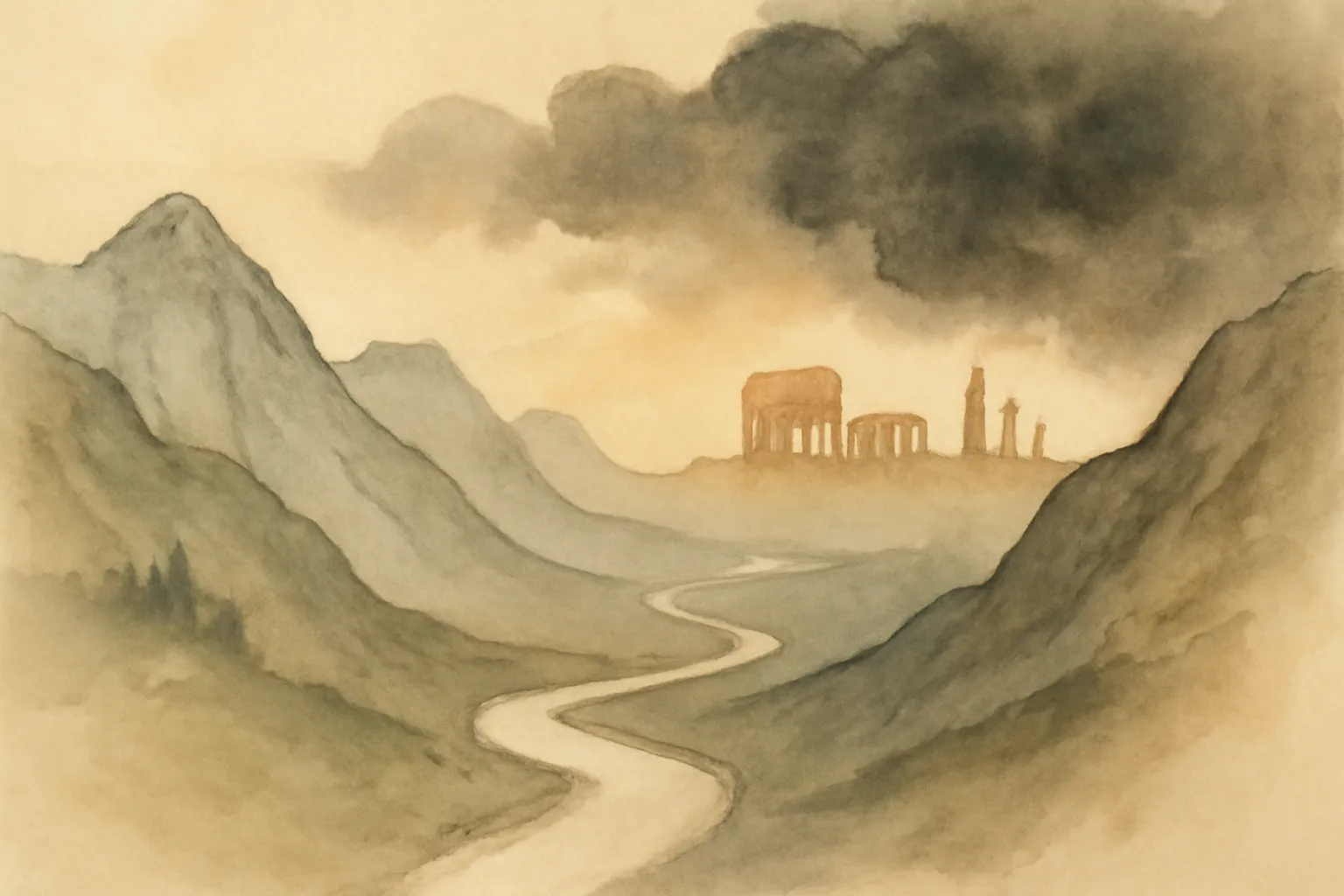
Exploring the profound impact of Romanism on society through a pilgrimage from the Alps to Rome
Read full overviewShow less›
In 'Pilgrimage from the Alps to the Tiber,' J. A. Wylie embarks on a transformative journey to Italy, not just to witness its historical grandeur but to scrutinize the profound effects of Roman Catholicism on trade, justice, and knowledge. Wylie offers a critical examination of how the Papal States, under the influence of a powerful church, have shaped the lives of the people, stifling progress and prosperity. Through vivid descriptions of landscapes, cities, and the historical significance of the regions he traverses, Wylie uncovers the layers of oppression and enlightenment that characterize Italy's relationship with Romanism. This exploration serves as both a travelogue and a call to reflect on the broader implications of institutional religion on society. Readers will glean insights into the historical context of the Reformation, the resilience of the Vaudois, and the ongoing struggle for knowledge and freedom amidst ecclesiastical authority.
Through his pilgrimage, Wylie not only captures the essence of Italy's historical grandeur but also exposes the deep-seated issues stemming from Romanism's influence on society. His observations reveal that the struggle for knowledge, justice, and economic prosperity is as relevant today as it was in the past. By examining the interplay between faith and governance, Wylie challenges readers to reflect on the implications of institutional power and the necessity for reform. Ultimately, 'Pilgrimage from the Alps to the Tiber' serves as both a historical account and a contemporary call to action, urging individuals to seek truth and advocate for a society where freedom and faith can coexist. The lessons drawn from Wylie’s journey resonate across time, reminding us of the enduring fight for dignity and enlightenment against oppressive systems.

- 1The Journey as a Quest for Understanding
- 2The Alps: A Gateway to Reflection
- 3The Vaudois: A Testament to Resilience
- 4The State of Trade Under Papal Rule
- 5The Ironies of Papal Authority
Notable quotes
“There is one other country which has still more deeply influenced the condition of the race, and towards which one is even more powerfully drawn, namely, Judea.”
“It is impossible to disjoin the present of these countries from the past.”
“The only Remedy—An Expelled Democrat—First View of Milan.”
A glimpse inside

Wylie’s journey from the Alps to Rome is not merely a physical pilgrimage but a quest for understanding the socio-political landscape shaped by Romanism. Read moreWylie’s journey from the Alps to Rome is not merely a physical pilgrimage but a quest for understanding the socio-political landscape shaped by Romanism. He expresses a desire to learn from the historical and cultural richness of Italy, acknowledging that the past cannot be separated from the present. The journey allows him to observe firsthand the effects of the Papal system on trade, knowledge, and the general condition of the populace. By visiting significant sites, he aims to uncover the underlying principles of the politico-religious system entrenched in Italy. His reflections on the beauty of the landscape juxtaposed with the oppression he witnesses highlight the duality of experience: the allure of Italy's history and the grim reality of its current state under Papal rule. Wylie’s intention to understand rather than merely criticize underscores the complexity of his observations and the depth of his inquiry into the influence of Romanism. Show less
As Wylie crosses the Alps, he is struck by the majestic beauty of the landscape, which serves as a metaphor for his journey into the depths of Italian history. Read moreAs Wylie crosses the Alps, he is struck by the majestic beauty of the landscape, which serves as a metaphor for his journey into the depths of Italian history. The passage through the Alps symbolizes both a physical and intellectual ascent, where he contemplates the lessons of history that have shaped the present. He reflects on the significance of the Alps as a natural barrier that has historically separated cultures, ideas, and governance. The beauty of the mountains contrasts sharply with the oppressive political landscape of Italy, exemplifying the conflict between nature's grandeur and human-made suffering. Wylie is reminded of significant historical figures associated with the region, such as Irenæus, a foundational early Christian leader, reinforcing the idea that this journey is steeped in theological and historical significance. This section of the journey emphasizes that the natural world can inspire thoughts of freedom and justice, which are stifled by the ecclesiastical structures in place. Show less
Read the full text — free
About the author
Read J. A. Wylie's work free on Lumina — the complete text plus an 8-minute summary and key ideas, no account needed