1.The Fragility of Sanity
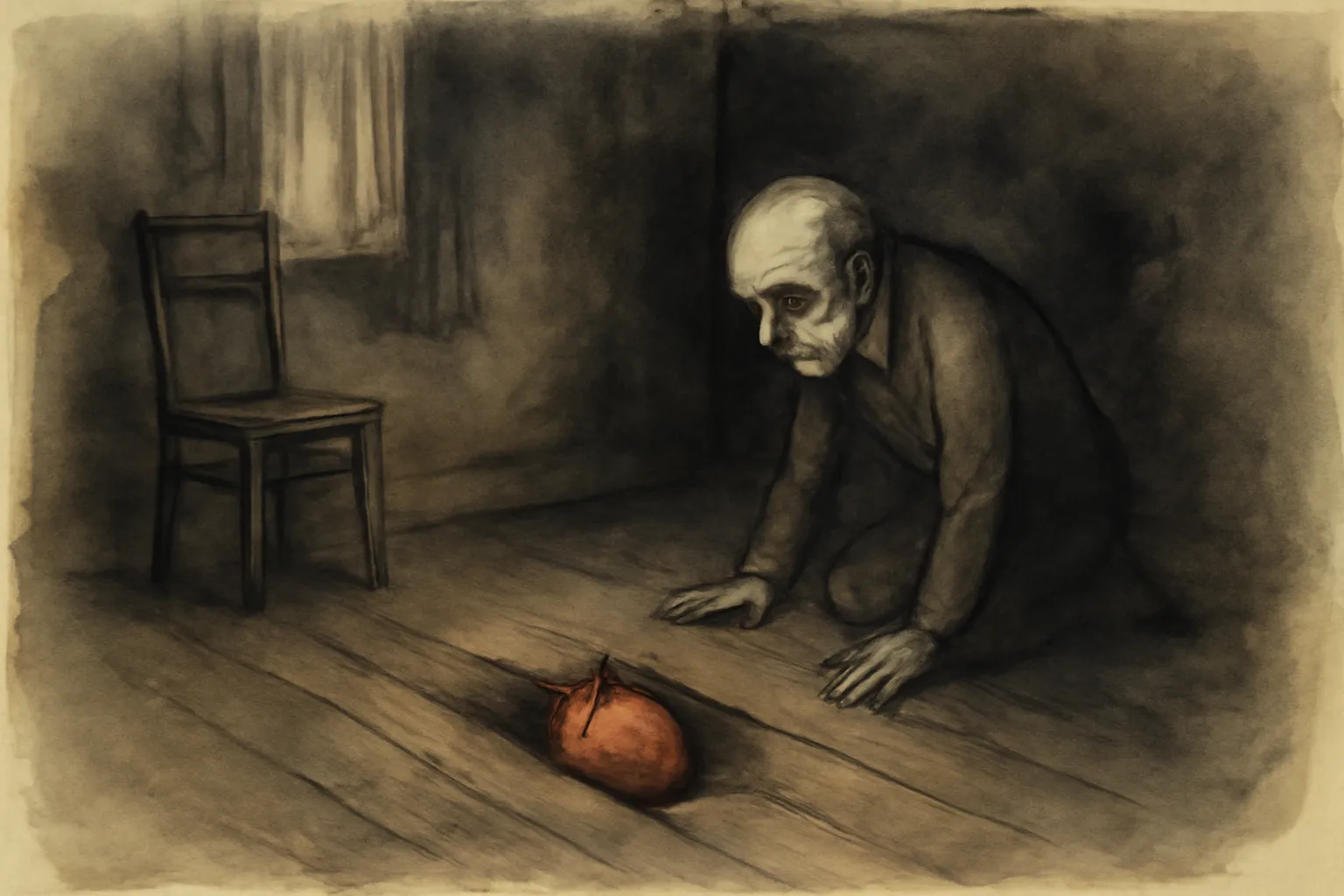
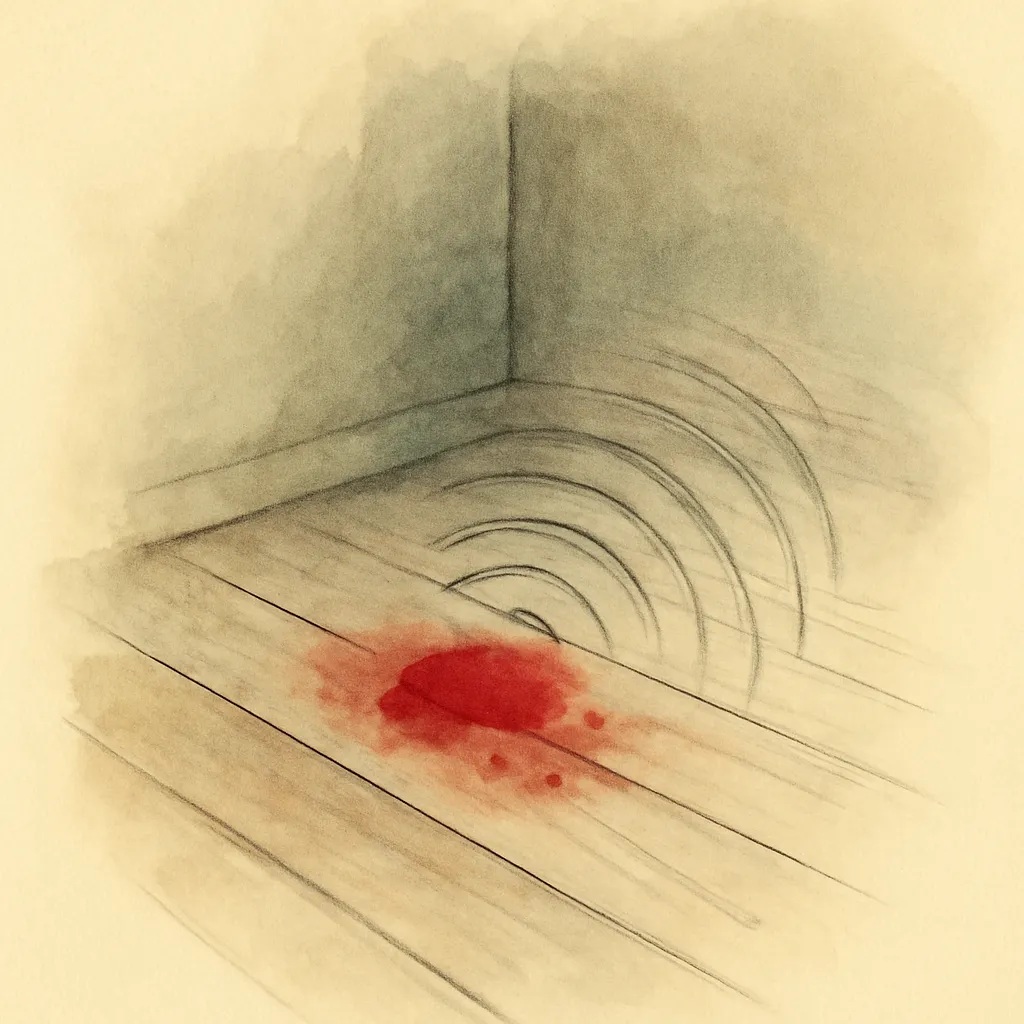
Poe's exploration of madness is perhaps most vividly illustrated in 'The Tell-Tale Heart,' where the narrator insists on his sanity while detailing the meticulous planning of a murder. The story begins with the narrator claiming heightened senses, particularly acute hearing, which he believes validates his sanity. However, this same heightened awareness leads him to hear the imagined beating of the old man's heart, symbolizing his overwhelming guilt. This duality showcases how the mind can betray itself, reflecting Poe's belief that madness can stem from obsessive thoughts and moral conflict. The narrator's descent into madness serves as a cautionary tale about the dangers of unchecked guilt and the fragility of the human psyche.
2.Obsession and Destruction
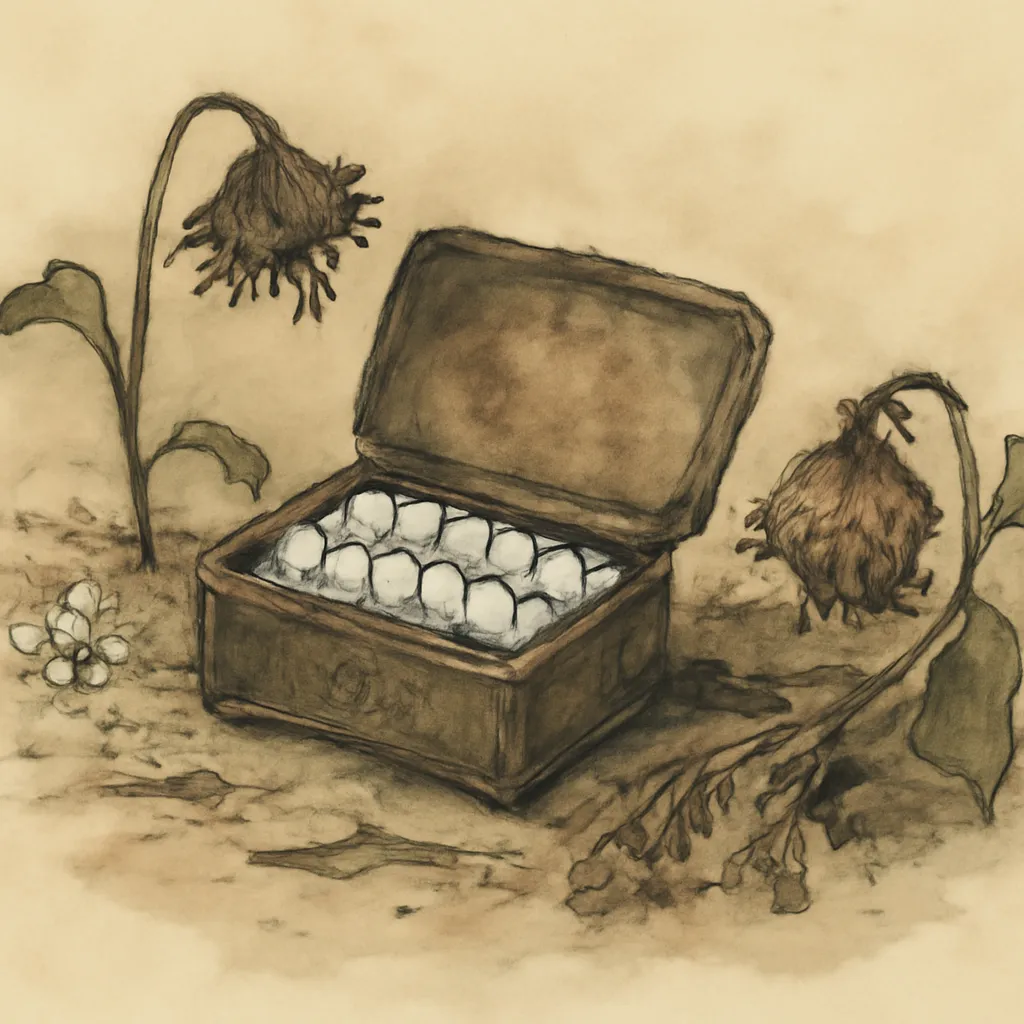
In 'Berenice,' Poe paints a chilling portrait of obsession as the protagonist, Egaeus, becomes fixated on his cousin Berenice's teeth. This fixation drives him to madness, culminating in a horrific act that leads to her death. Egaeus's obsession blinds him to the humanity of Berenice, reducing her to an object of desire rather than a person. The story serves as a powerful commentary on how obsession can lead to self-destruction and the destruction of others. Poe intricately weaves themes of love and horror, suggesting that obsession can morph into a form of madness that consumes the individual and those around them. The grotesque imagery of the decaying Berenice further emphasizes the horror that arises from such an all-consuming fixation.
3.The Nature of Fear
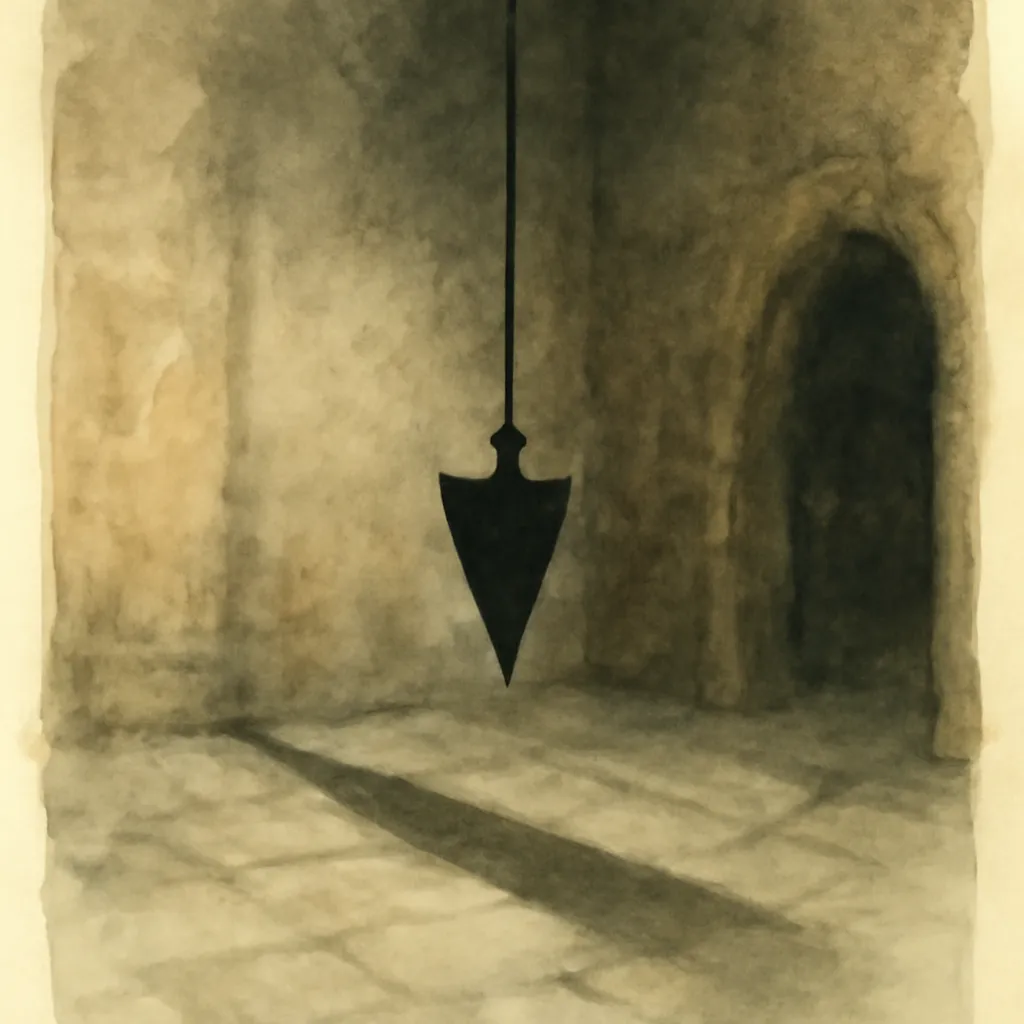
Poe's tales often explore the nature of fear, particularly in 'The Pit and the Pendulum,' where the protagonist faces the terror of an inescapable death. The story immerses readers in the psychological torment of the narrator as he is subjected to various tortures within a dark, oppressive dungeon. The imagery of the pendulum descending closer and closer serves as a powerful metaphor for the inevitability of death and the anxieties that accompany it. Poe's use of sensory details—sounds, sights, and physical sensations—heightens the reader's own sense of fear, making them acutely aware of the protagonist's plight. This exploration of fear not only reflects the character's internal struggle but also taps into universal human anxieties about mortality and the unknown.
4.The Supernatural and the Uncanny
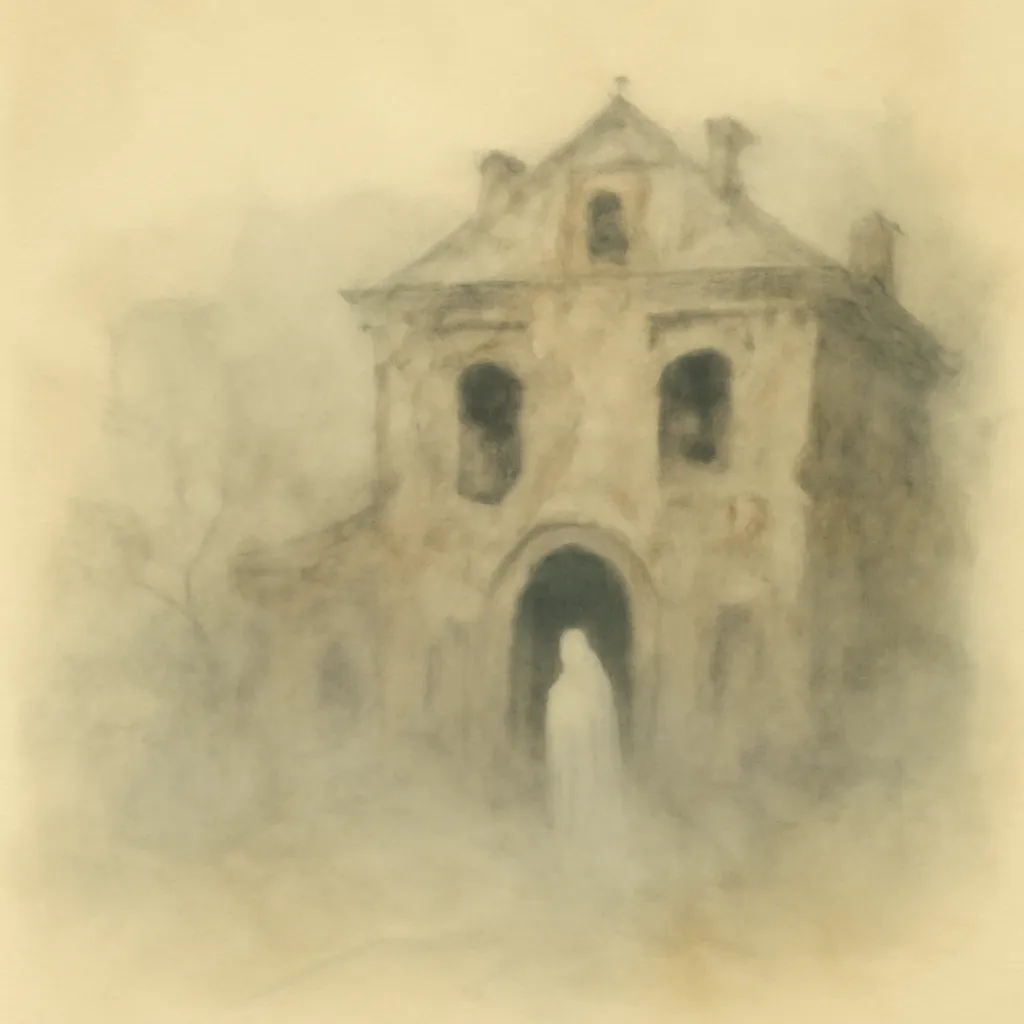
In 'The Fall of the House of Usher,' Poe masterfully blends the supernatural with the psychological, creating an atmosphere of dread that permeates the narrative. The decaying mansion, Usher's mysterious illness, and the eerie presence of his sister Madeline contribute to a haunting exploration of the uncanny. The story suggests that the boundaries between life and death, sanity and madness, are often blurred. The House of Usher itself becomes a character, reflecting the inner turmoil of Roderick Usher and the decay of his family lineage. Poe's use of gothic elements creates a setting that is both physically and psychologically oppressive, illustrating how the environment can influence the characters' mental states. This interplay between the supernatural and the psychological compels readers to question the nature of reality and the forces that shape our fears.
5.Mortality and the Human Condition
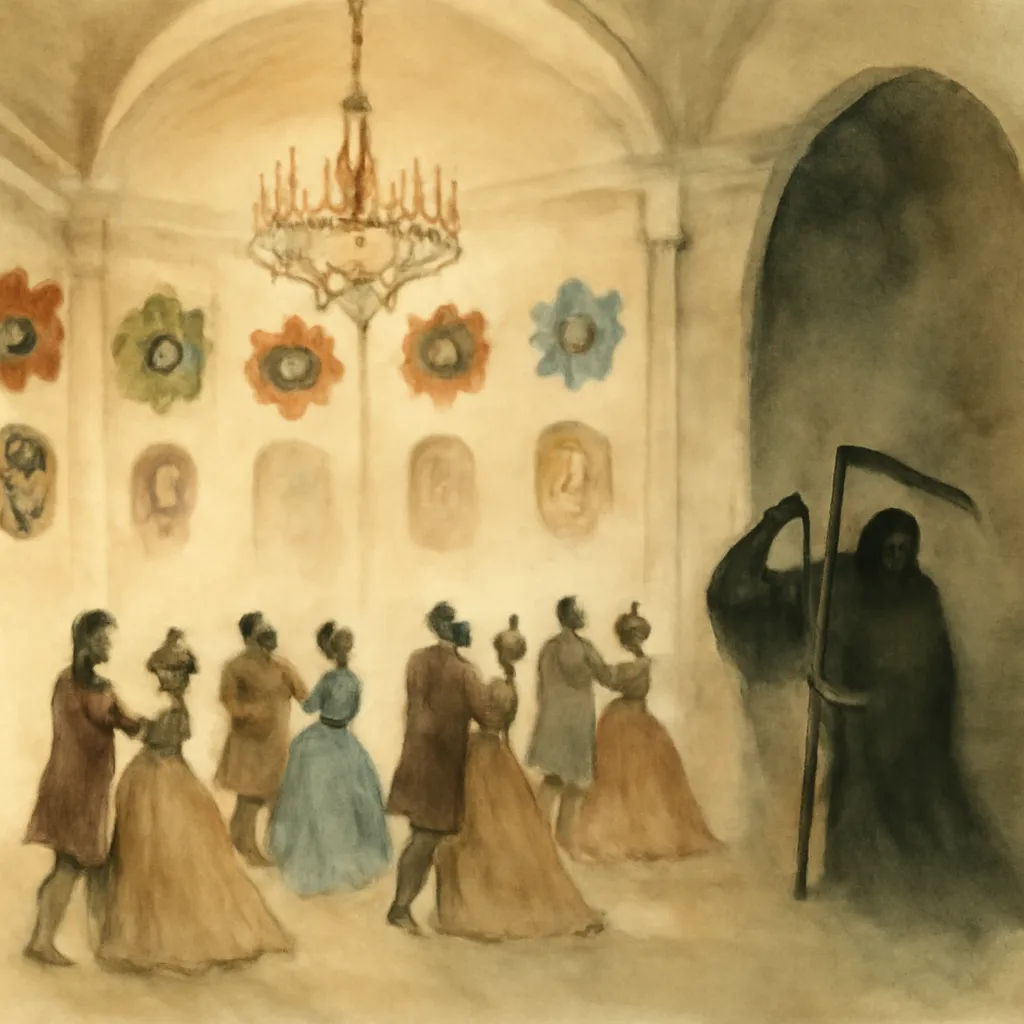
Poe's exploration of mortality is evident in 'The Masque of the Red Death,' where the inevitability of death is portrayed through the allegory of a plague ravaging society. Prince Prospero's attempt to escape death by isolating himself and his courtiers in a lavish abbey ultimately proves futile. The story underscores the futility of trying to evade mortality, as death is depicted as an inescapable force that eventually invades the sanctuary of the prince's revelry. The vivid descriptions of the masquerade ball, with its vibrant colors and grotesque costumes, serve as a stark contrast to the grim reality of the outside world. Poe's message resonates deeply: no amount of wealth or privilege can shield one from the universal truth of death. This reflection on mortality invites readers to contemplate their own lives and the transient nature of existence.
6.The Consequences of Guilt
In 'The Tell-Tale Heart,' the narrator's overwhelming guilt manifests as auditory hallucinations, illustrating how guilt can consume one's mind. After murdering the old man, the narrator believes he can escape the consequences of his actions, only to be haunted by the imagined sound of the beating heart. This powerful imagery serves to highlight the inescapable nature of guilt, suggesting that it can torment the conscience long after the act itself. Poe emphasizes that one cannot simply bury their sins; they will resurface, often in more horrifying forms. The psychological unraveling of the narrator serves as a reminder that guilt is a powerful force that can lead to self-destruction, reinforcing the idea that the mind can be both a sanctuary and a prison.
7.The Intersection of Reality and Illusion
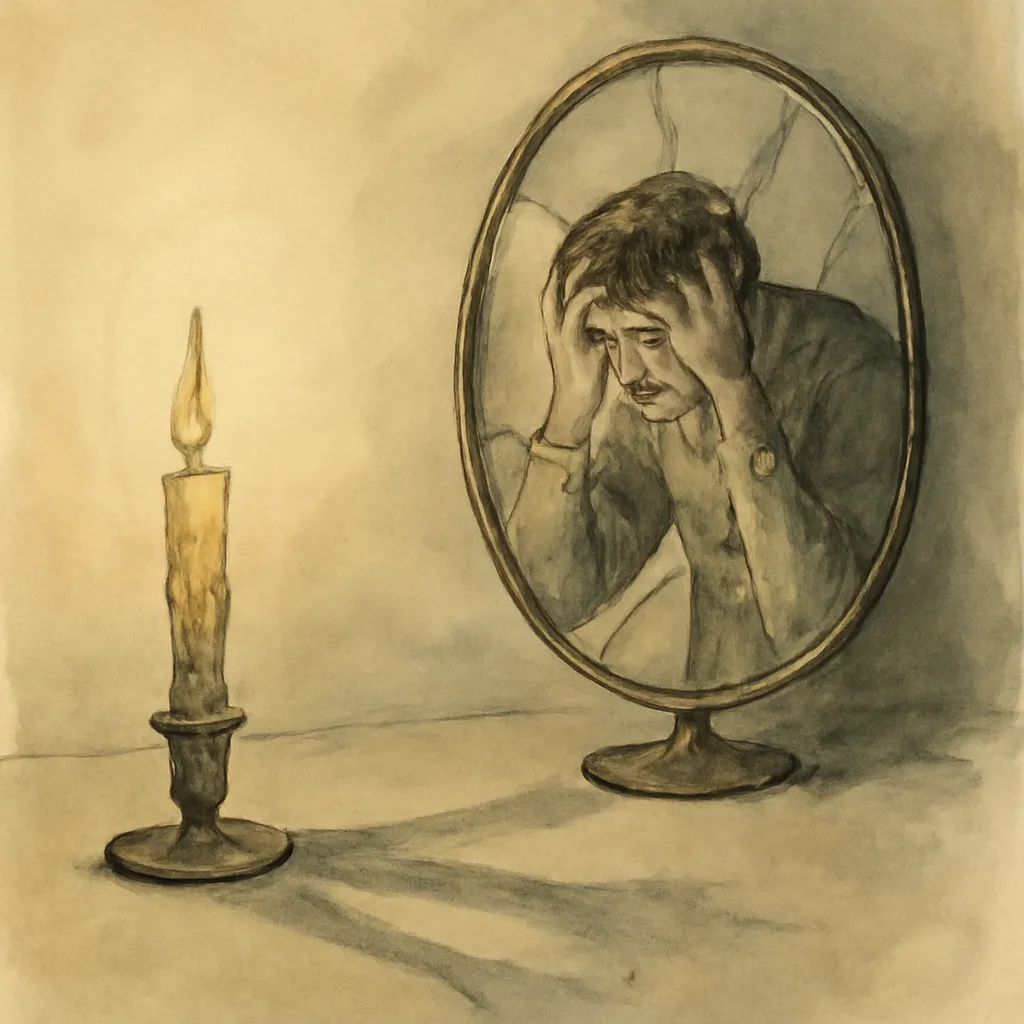
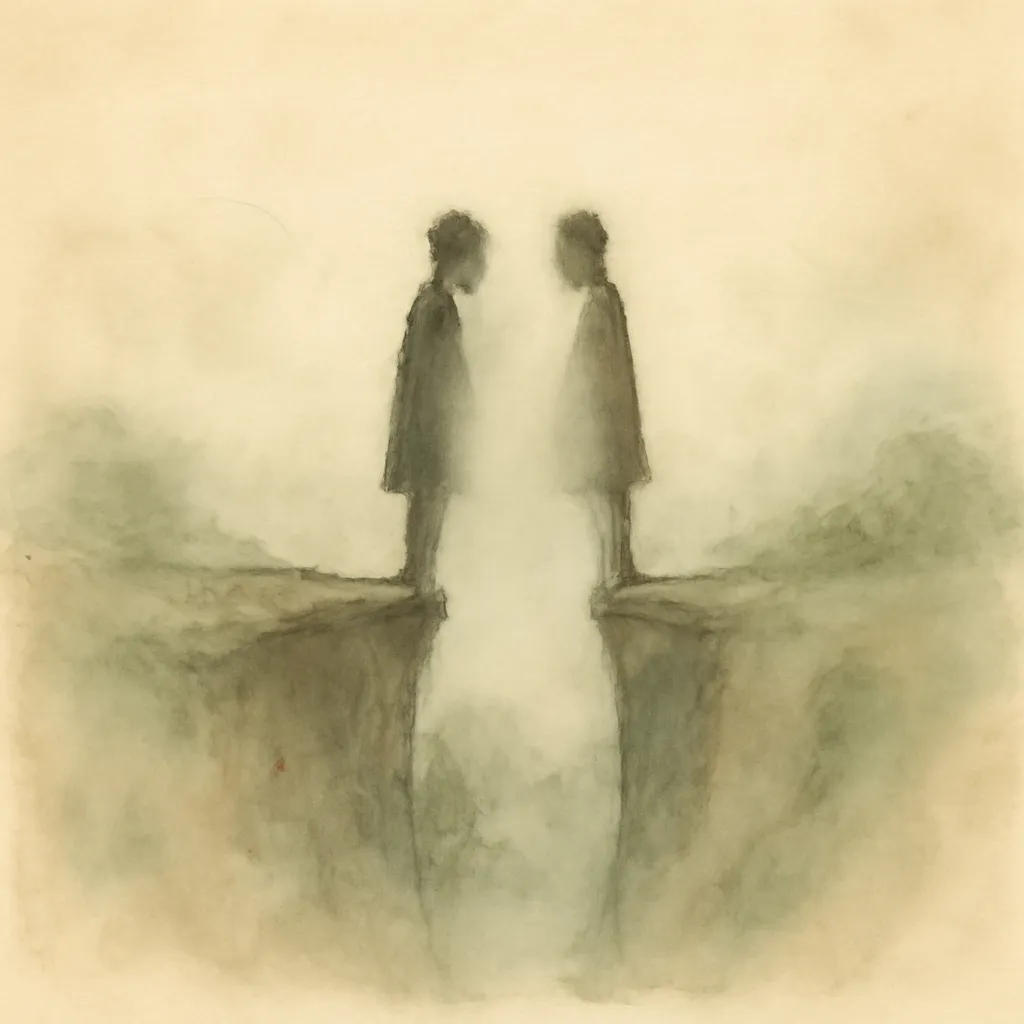
Poe frequently blurs the lines between reality and illusion, a theme prevalent in 'William Wilson.' The story follows a man haunted by a doppelgänger who mirrors his own vices and moral failings. This encounter raises questions about identity and the nature of self-awareness. As William Wilson descends into a life of debauchery, he becomes increasingly aware of his own duality, ultimately leading to a confrontation with his counterpart. This duality reflects Poe's exploration of the human condition, suggesting that we are often at war with ourselves, struggling against our darker impulses. The use of the doppelgänger motif serves as a reminder that our actions have consequences, both internally and externally, as we grapple with our identities in a world that often feels surreal.
8.Isolation and Alienation
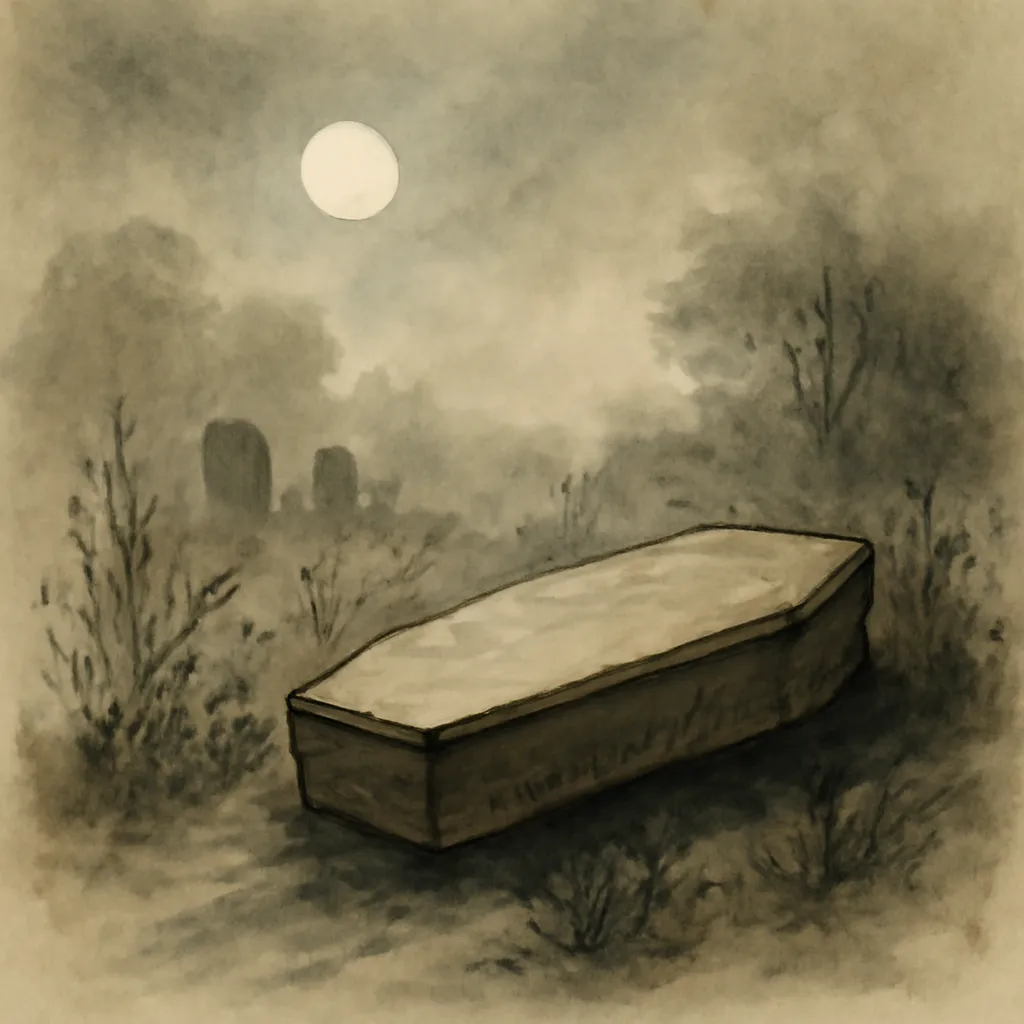
Many of Poe's characters experience profound isolation, as seen in 'The Premature Burial.' The protagonist's fear of being buried alive leads him to contemplate the very nature of existence and the isolation that accompanies death. This story serves as an exploration of existential dread, where the fear of being trapped in a coffin becomes a metaphor for the isolation of the human experience. Poe's use of claustrophobic imagery evokes a sense of suffocation, both physically and psychologically. The character's descent into despair highlights the alienation that can arise from fear and anxiety, resonating with readers who may have felt similarly trapped in their own lives. This theme of isolation is a recurring motif in Poe's work, reflecting his belief that the human condition is often marked by loneliness and despair.
9.The Power of Memory
Memory plays a crucial role in shaping identity and experience in Poe's stories, particularly in 'The Assignation.' The protagonist reflects on his past encounters and the haunting memories of lost love. This exploration of memory reveals how the past can shape our present, often leading to feelings of nostalgia and regret. Poe's vivid recollections of Venice and the emotions tied to these memories create a rich tapestry of longing and sorrow. The interplay between memory and reality blurs the lines of perception, inviting readers to consider how their own memories influence their understanding of self. In this way, Poe highlights the complexity of human emotions and the enduring impact of our past experiences on our present lives.
10.The Role of the Uncanny
Poe's fascination with the uncanny is evident in 'The Imp of the Perverse,' where he delves into the human tendency to act against one's own best interests. This story examines the irrational impulses that lead individuals to make choices that ultimately lead to their downfall. Poe's exploration of the uncanny reflects the darker aspects of human nature, suggesting that we are often compelled by forces beyond our comprehension. This theme resonates with readers who may recognize their own struggles with self-sabotage and the contradictions inherent in human behavior. Through the lens of the uncanny, Poe invites us to confront the complexities of our motivations and the often irrational nature of our desires.