Fiction · Psychology
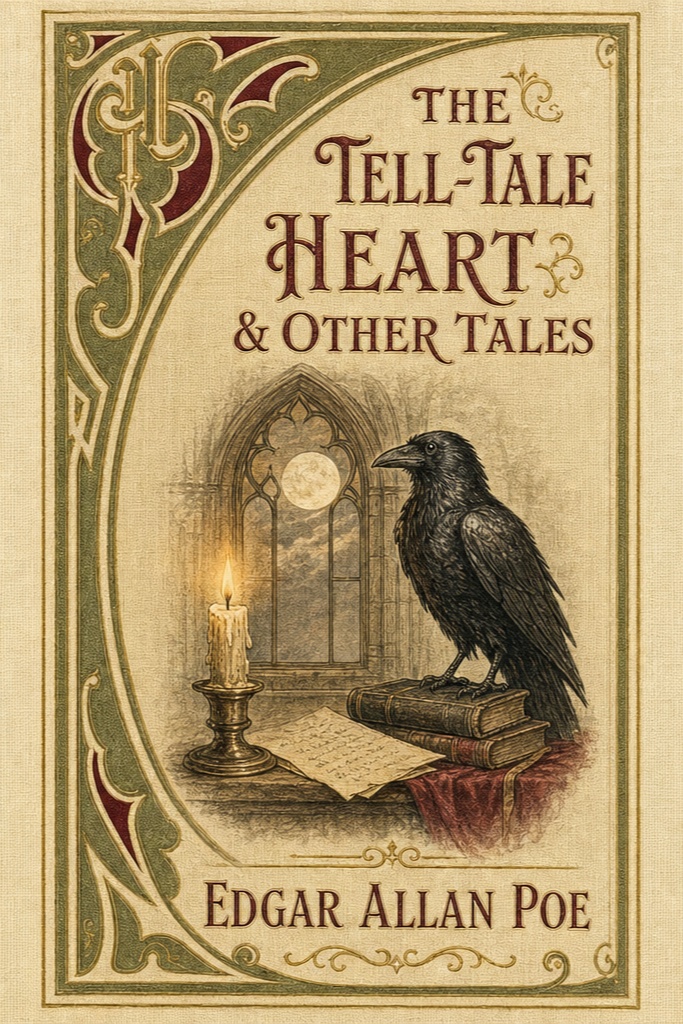
The Tell-Tale Heart and Other Tales by Edgar Allan Poe — Summary, Key Ideas & Full Text
308 pages22 chapters6h 11m read4h 23m speed read✦ 8-min Big ideasFree · no account
Rate it
Edgar Allan Poe's tales explore the depths of human psyche, blending horror, mystery, and the macabre to reveal the darkness lurking within us all
In 'The Tell-Tale Heart and Other Tales,' Edgar Allan Poe presents a collection of stories that delve into the complexities of fear, madness, and the human condition. Each tale is a unique exploration of psychological terror, showcasing Poe's mastery of suspense and his ability to evoke deep emotional responses. Readers will encounter themes of guilt, obsession, and the supernatural, all wrapped in Poe's signature dark and poetic style. This collection not only entertains but also challenges us to confront our own innermost fears and the thin line between sanity and madness. Through vivid imagery and haunting narratives, Poe invites readers into a world where reality blurs with the grotesque, forcing us to grapple with our understanding of morality and existence.
Edgar Allan Poe's 'The Tell-Tale Heart and Other Tales' serves as a profound exploration of the human condition, delving into the complexities of fear, obsession, and mortality. Through his masterful storytelling, Poe invites readers to confront their own darkness, reflecting the universal struggles that define our existence. The themes woven throughout these tales resonate deeply, reminding us of the fragility of sanity, the weight of guilt, and the inevitability of death. Poe's ability to evoke visceral emotions and create haunting imagery ensures that his work remains relevant, challenging us to grapple with our innermost fears and the shadows that lurk within. Ultimately, these stories serve as a testament to the enduring power of literature to illuminate the human experience and provoke deep introspection.
“True!—nervous—very, very dreadfully nervous I had been and am; but why will you say that I am mad?”
“The disease had sharpened my senses—not destroyed—not dulled them.”
“It is impossible to say how first the idea entered my brain; but once conceived, it haunted me day and night.”
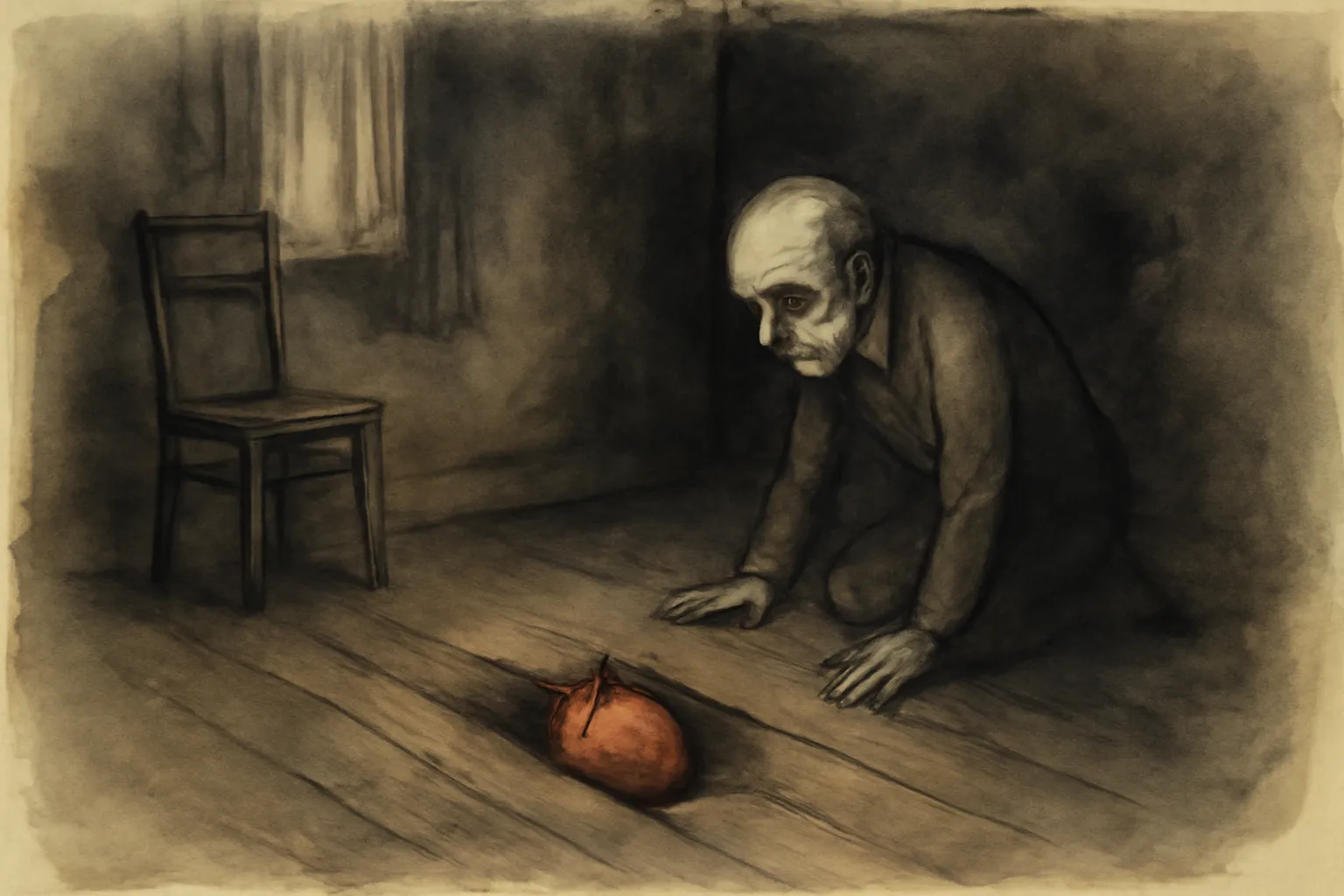
Read Edgar Allan Poe's work free on Lumina — the complete text plus an 8-minute summary and key ideas, no account needed