1.The Return to the Front
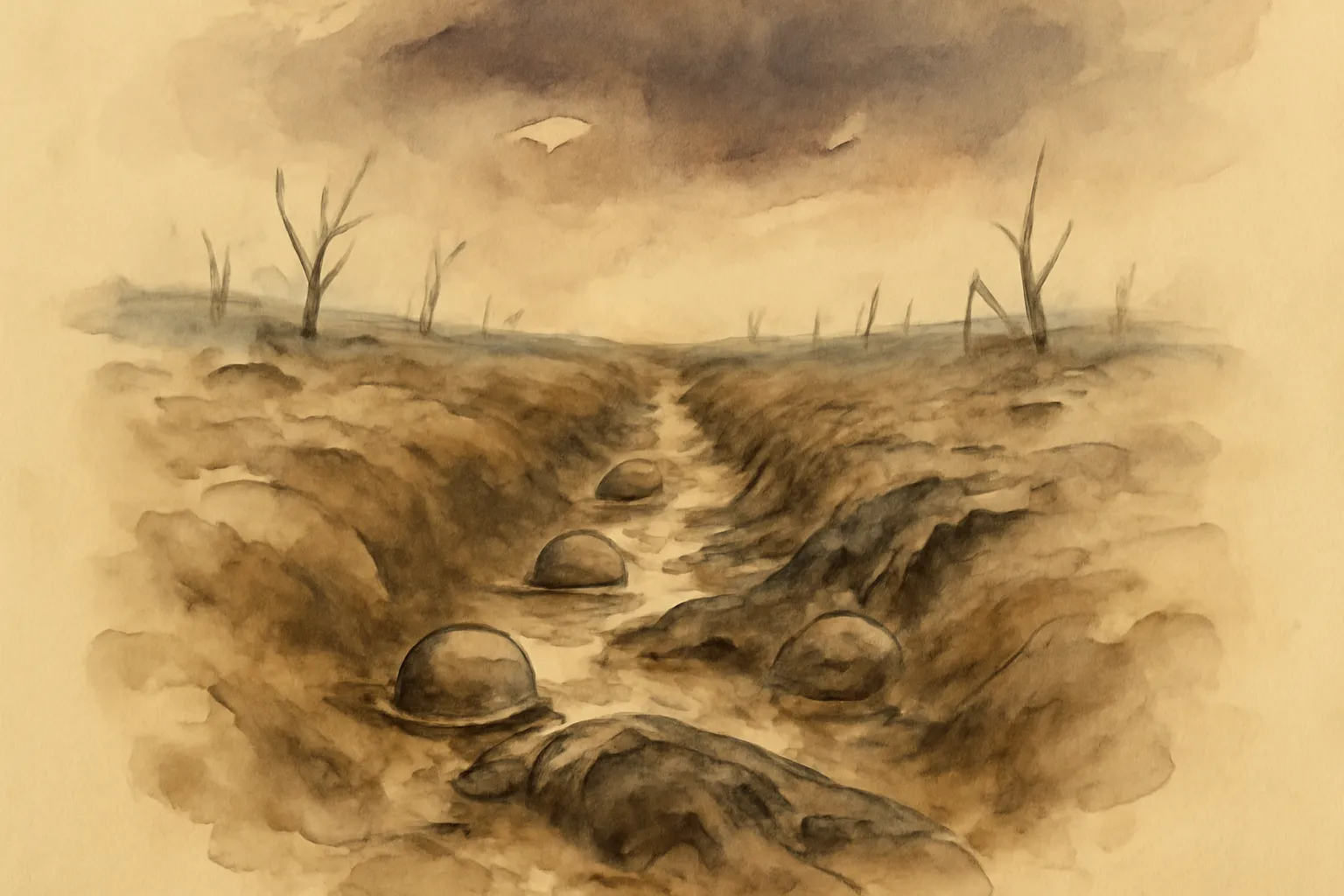
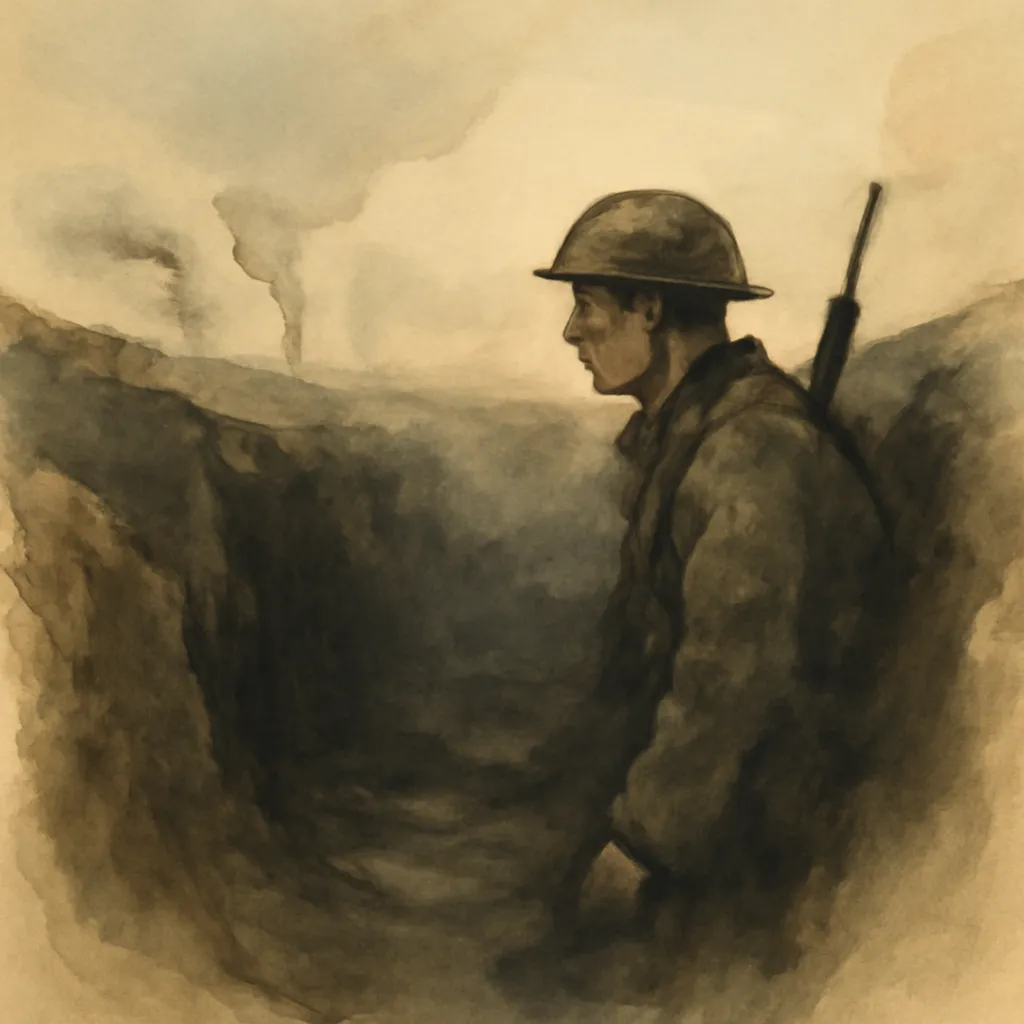
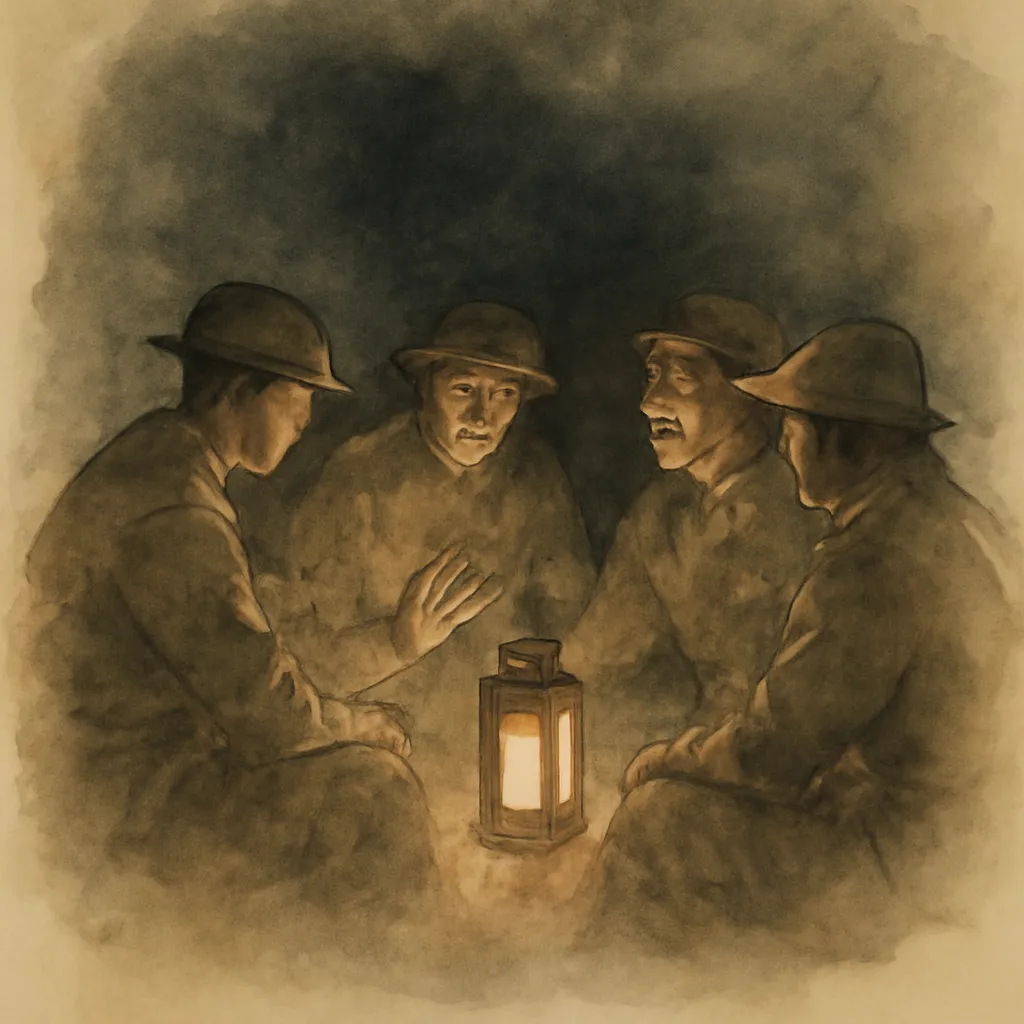
Nichols begins his narrative with a vivid depiction of his return to Brigade Headquarters after being wounded. The warmth of the welcome from old comrades, the adjutant's joviality, and the atmosphere of camaraderie set the tone for the unfolding story. This return highlights the bonds formed during shared experiences in the 'filthy turmoil and strain of Flanders,' showcasing how soldiers relied on one another for support and morale. The adjutant's new horse, a 'mystery gift,' symbolizes the unpredictability of life in the military, where even the most mundane aspects of daily life can be fraught with tension and uncertainty. Nichols paints a picture of a unit that, despite suffering heavy losses, is slowly regaining its efficiency under new leadership. This theme of resilience and adaptation is central to the soldier's experience, emphasizing the importance of camaraderie in overcoming the challenges of war.
2.The Calm Before the Storm
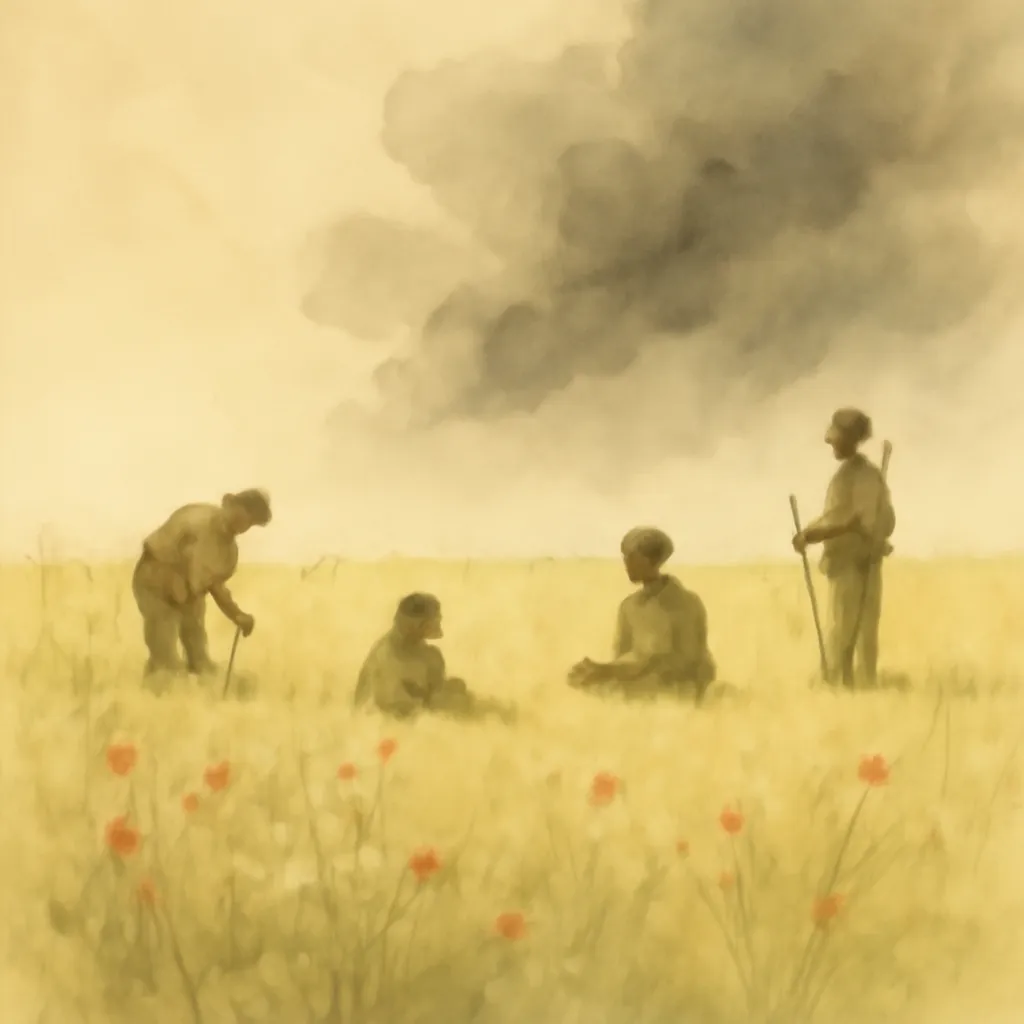
As Nichols describes the peaceful day leading up to an expected attack, he juxtaposes the serene atmosphere with the underlying tension felt by the soldiers. The calm before the storm is palpable as they go about their routines, oblivious to the imminent chaos. Nichols highlights the stark contrast between the mundane aspects of military life—like enjoying a lunch of steak and pudding—and the knowledge that a significant battle is looming. The arrival of the 'PREPARE FOR ATTACK' order serves as a wake-up call, thrusting the soldiers from their brief respite into a state of alertness and anxiety. This moment encapsulates the duality of military life, where moments of normalcy are often shattered by the harsh realities of warfare. Nichols effectively captures this tension, allowing readers to feel the weight of impending conflict as the soldiers brace themselves for the unknown.
3.The Weight of Loss
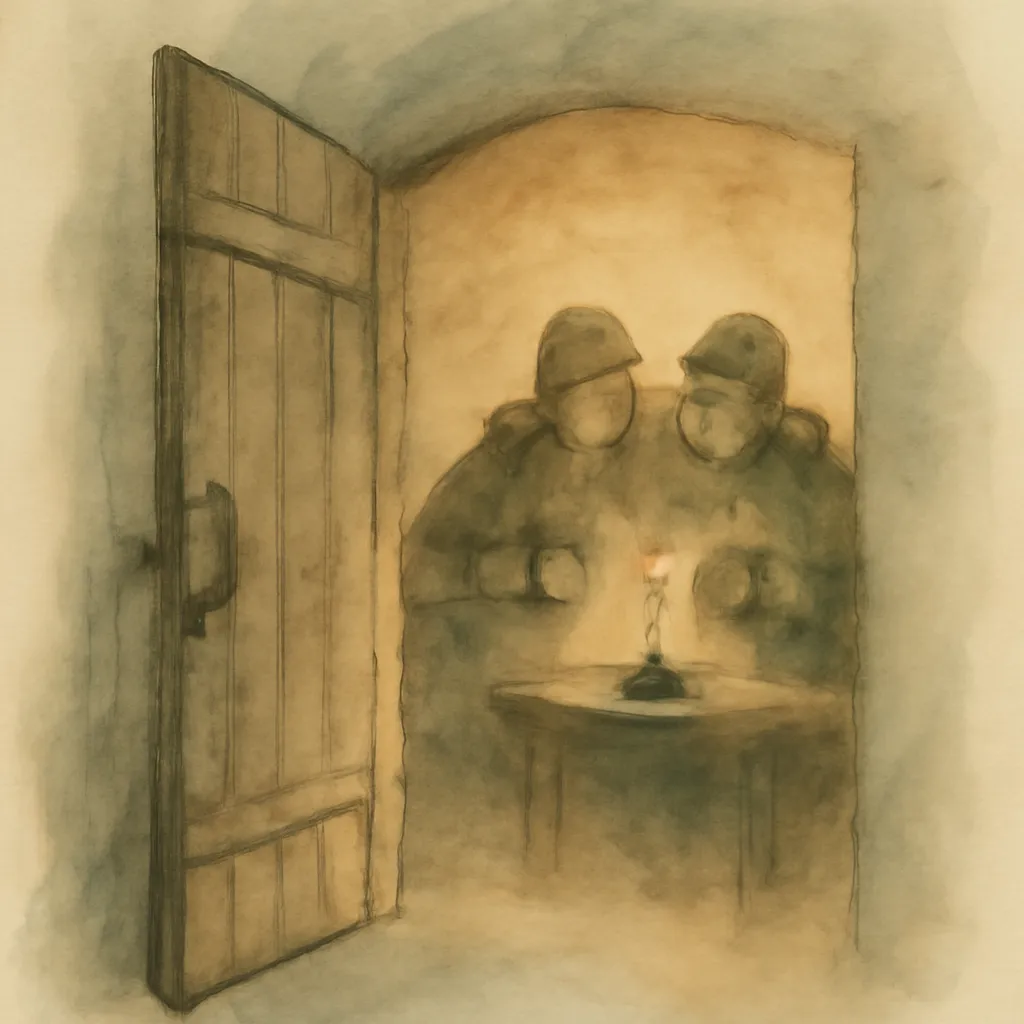
During a tense lunch, Nichols reflects on the recent loss of C Battery, underscoring the emotional toll of warfare on soldiers. The conversation around the table is strained; the food, while good, cannot distract from the grim realities they face. Nichols conveys his own feelings of unease and regret, coupled with a sense of urgency as he acknowledges the unfinished tasks that weigh on his mind. This moment reveals the psychological burden carried by soldiers, where the specter of loss looms large over every meal and interaction. The juxtaposition of a simple lunch with the heavy knowledge of casualties serves to humanize the soldiers, reminding readers that behind every statistic lies a personal story of grief and sacrifice. Nichols’ candid portrayal of these emotions allows readers to empathize with the soldiers, illustrating how loss becomes an integral part of the military experience.
4.The Chaos of Retreat
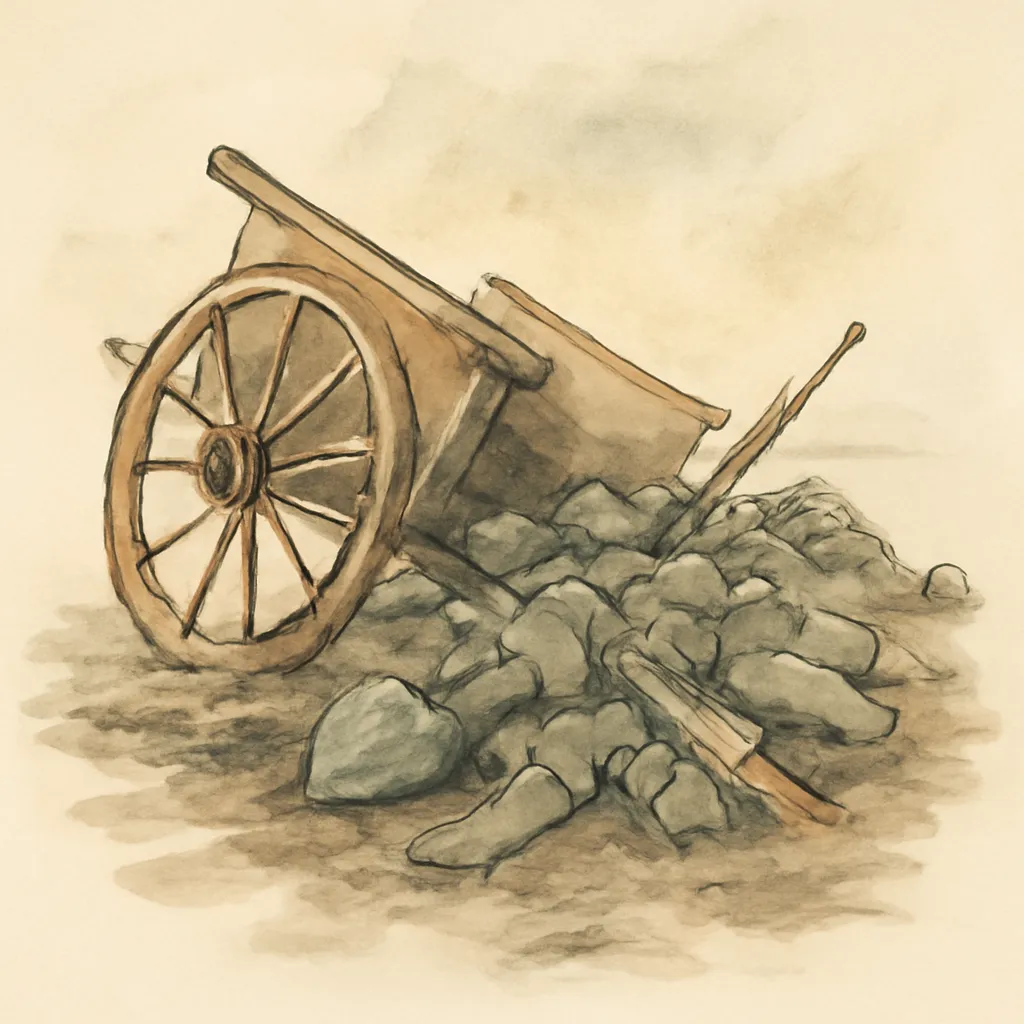
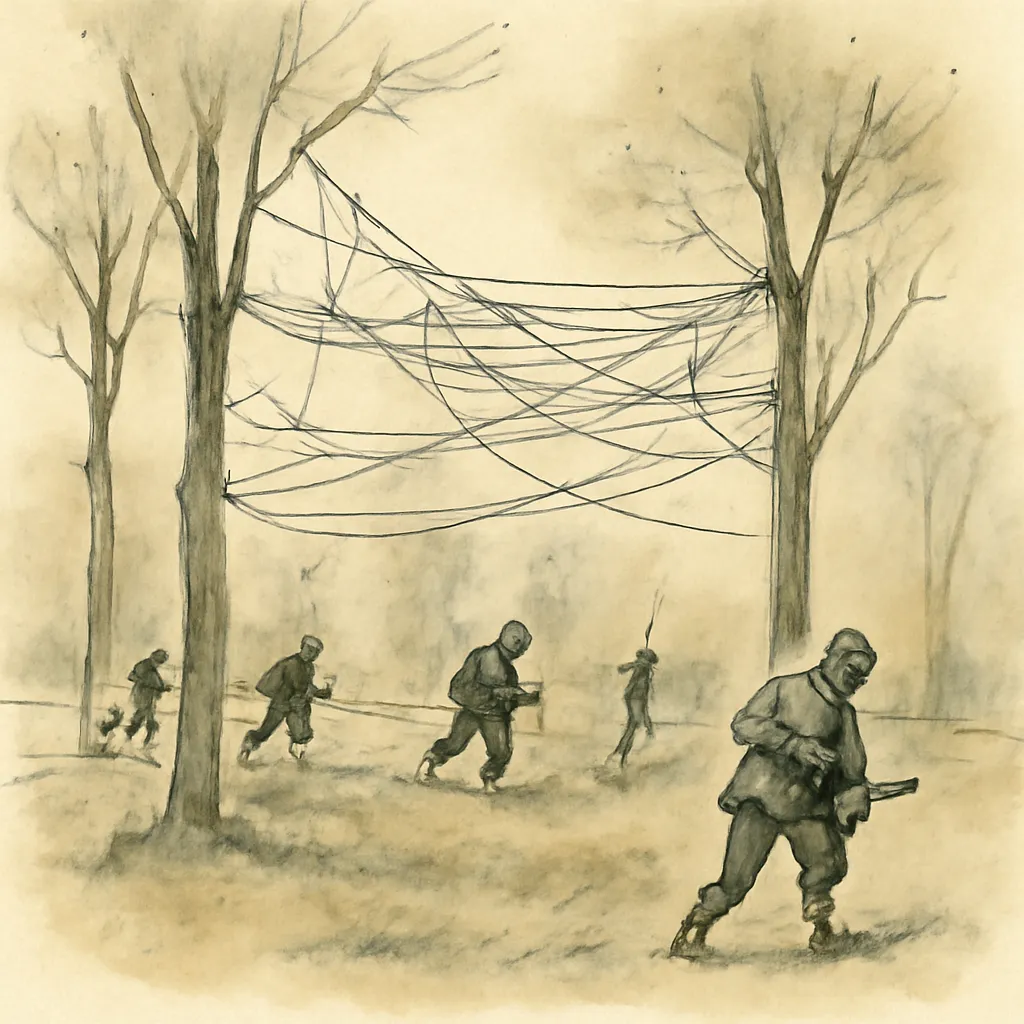
As the narrative unfolds, Nichols details the chaotic evacuation of their position, painting a vivid picture of disorder and urgency. The breakdown of the Maltese cart, laden with officers' kits, symbolizes the unpredictability of war and the fragility of their situation. The sergeant-major's frustration and the hurried attempts to salvage what they can highlight the desperation of the moment. Nichols captures the frantic energy of soldiers trying to maintain order amidst the chaos, showcasing their resourcefulness and determination. This scene is emblematic of the broader experience of retreat, where the line between order and chaos blurs, and survival becomes the primary objective. The tension in the air is almost palpable as Nichols describes the sounds of enemy artillery and the constant threat of being overrun, immersing readers in the urgency of the moment.
5.The Human Element in Warfare
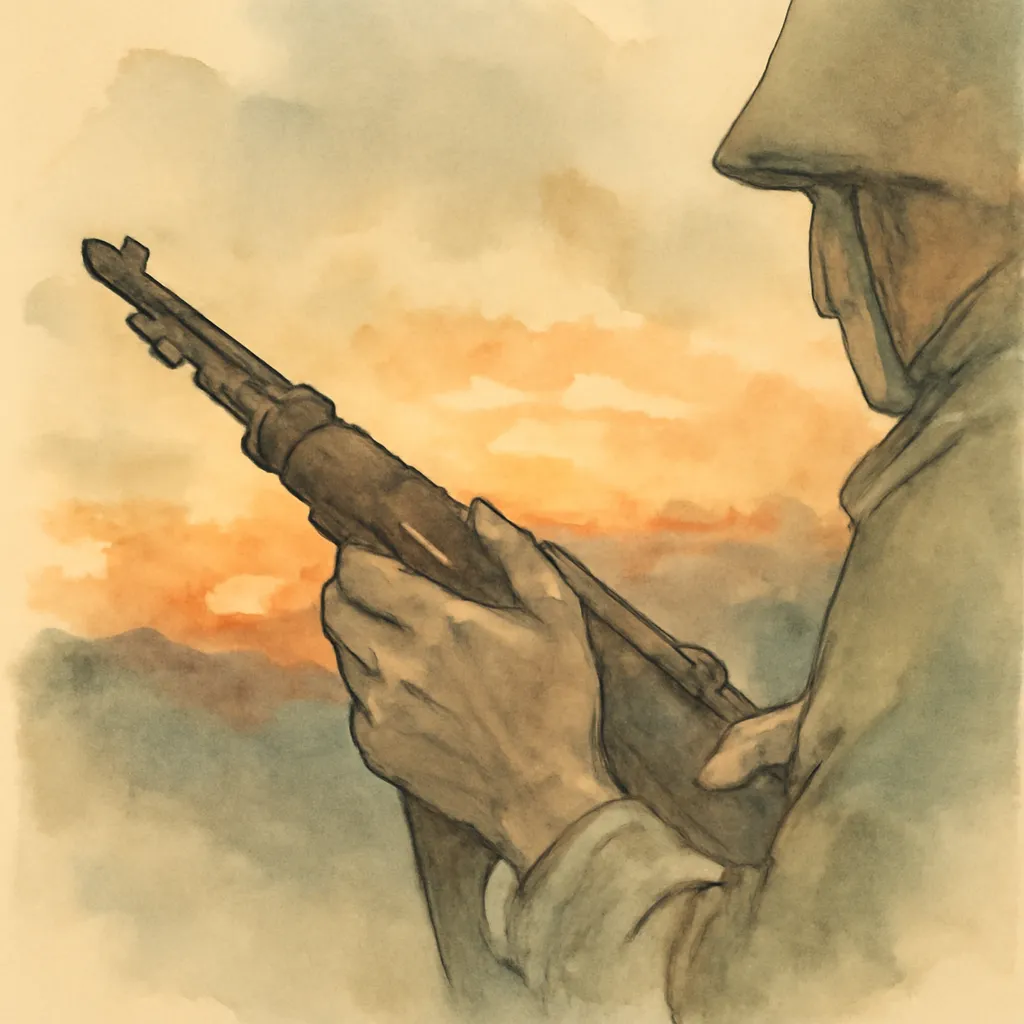
Throughout the narrative, Nichols emphasizes the human element of warfare, showcasing the relationships and interactions among soldiers. From the camaraderie during moments of levity to the shared anxieties before battle, these connections are central to the soldier's experience. The arrival of new characters, such as the American doctor and the veterinary officer, adds layers to the story, illustrating the diverse backgrounds and personalities that come together in the crucible of war. Nichols also highlights moments of kindness and humor that punctuate the grim realities, reminding readers of the resilience of the human spirit. This focus on interpersonal relationships serves to humanize the soldiers, allowing readers to see them not just as warriors, but as individuals navigating the complexities of life and death. By grounding the narrative in these relationships, Nichols provides a poignant exploration of how war transforms individuals and forges bonds that can last a lifetime.
6.Facing the Enemy
As the narrative progresses, Nichols delves into the psychological impact of facing the enemy. The soldiers' anticipation of an attack creates a palpable tension, as they prepare for the possibility of combat. Nichols captures the mix of dread and determination that permeates the atmosphere, showcasing how soldiers mentally prepare themselves for the realities of war. The fear of the unknown looms large, and the soldiers’ coping mechanisms—whether through humor or camaraderie—become essential for maintaining morale. Nichols paints a vivid picture of the soldiers' mindsets as they confront the enemy, illustrating the complexities of bravery and fear in the face of imminent danger. This exploration of the psychological burdens of warfare adds depth to the narrative, allowing readers to grasp the emotional landscape that soldiers navigate during conflict.
7.The Reality of Casualties
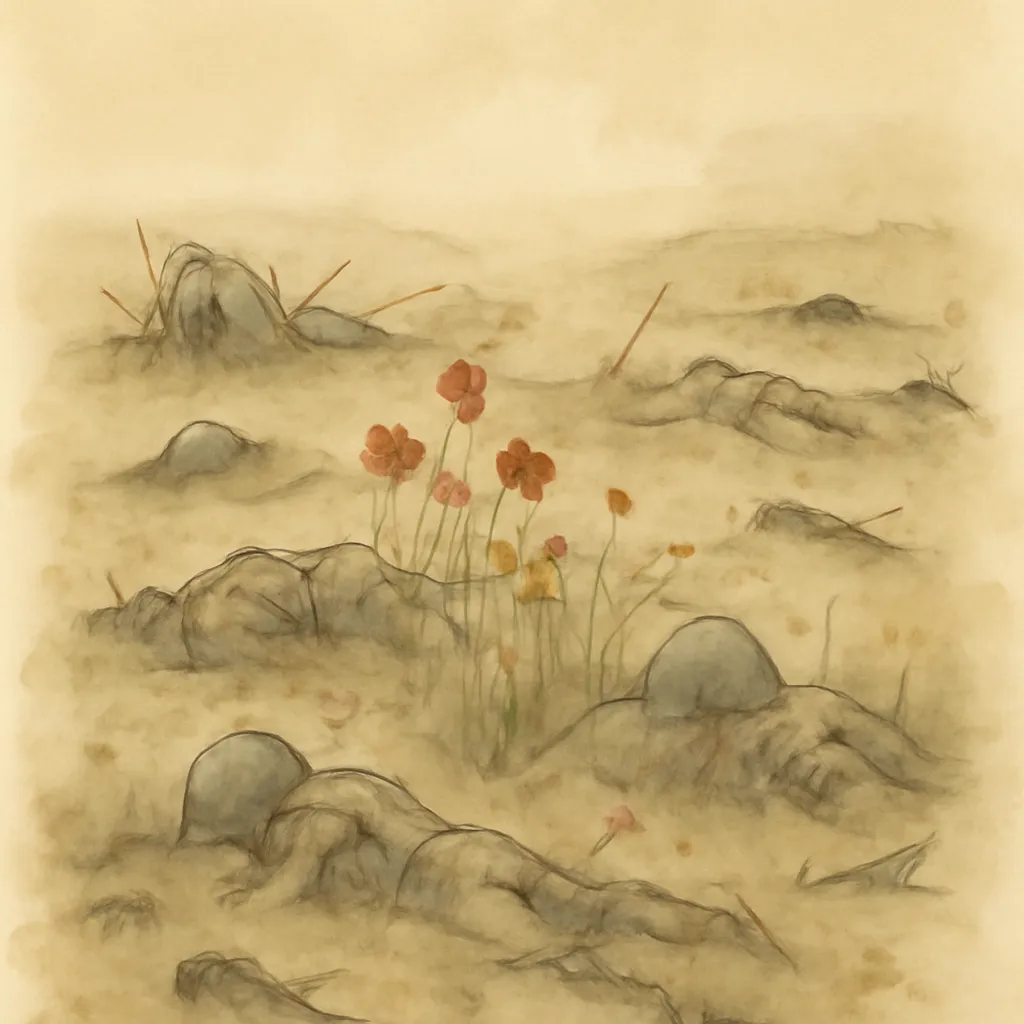
Nichols does not shy away from depicting the stark reality of casualties in war. The aftermath of battles reveals the devastating toll on both soldiers and their families back home. The descriptions of wounded comrades and the emotional weight carried by those who survive provide a sobering reminder of the cost of conflict. Nichols captures the heart-wrenching moments when soldiers grapple with the loss of friends and the uncertainty of their own fates. This focus on casualties serves to humanize the statistics often associated with war, reminding readers of the individual stories behind each loss. The emotional resonance of these experiences lingers throughout the narrative, emphasizing the profound impact of war on the lives of those involved. Nichols’ candid portrayal of loss adds a layer of complexity to the narrative, allowing readers to empathize with the soldiers’ grief and resilience.
8.Strategic Retreats and Military Operations
As the story unfolds, Nichols explores the intricacies of military strategy and the challenges of executing a retreat. The soldiers must navigate not only the physical dangers posed by the enemy but also the complexities of maintaining communication and coordination during chaotic movements. Nichols provides insight into the decision-making processes of officers as they adapt to rapidly changing circumstances on the battlefield. The emphasis on strategic retreats highlights the importance of flexibility and quick thinking in military operations. Nichols illustrates how these maneuvers are not merely signs of defeat but rather calculated responses to preserve the lives of soldiers and regroup for future engagements. This exploration of military strategy adds a layer of depth to the narrative, allowing readers to appreciate the complexities of command and the weight of responsibility carried by leaders in times of crisis.
9.The Aftermath of Battle
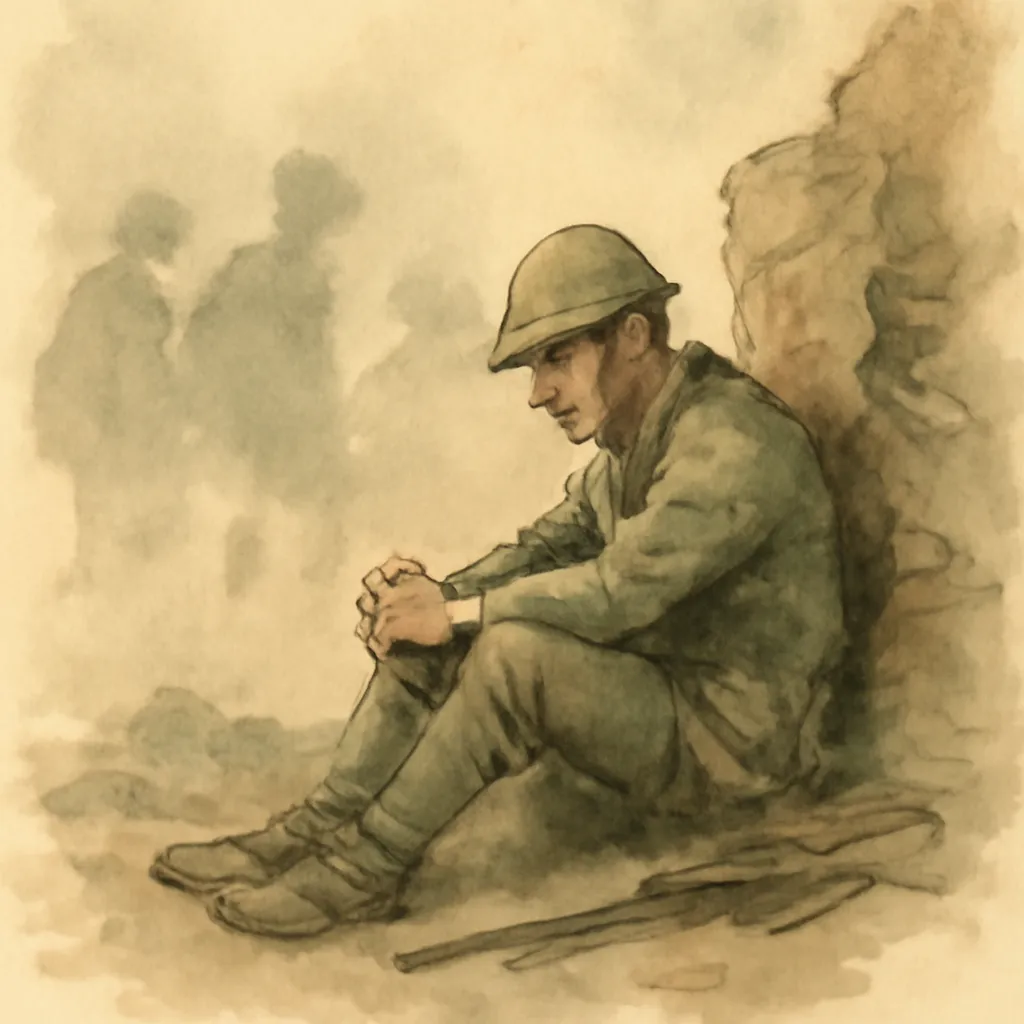
In the aftermath of battles, Nichols reflects on the physical and emotional scars left on the soldiers. The psychological toll of witnessing death and destruction takes center stage as soldiers grapple with their experiences. Nichols emphasizes the importance of recovery and rest, showcasing the need for soldiers to process their trauma before returning to the front lines. The descriptions of temporary respite in quieter areas highlight the stark contrast between the chaos of battle and the tranquility of moments spent away from combat. This exploration of the aftermath serves as a reminder that the effects of war extend far beyond the battlefield, influencing the lives of soldiers long after the fighting has ceased. Nichols’ candid portrayal of these experiences adds a poignant layer to the narrative, illustrating the enduring impact of conflict on the human psyche.
10.The Bonds of Brotherhood
Ultimately, Nichols' narrative is a testament to the bonds of brotherhood forged in the crucible of war. The friendships developed among soldiers become a source of strength and support, helping them navigate the challenges they face. Whether through shared laughter or moments of vulnerability, these connections provide a lifeline amidst the chaos of combat. Nichols emphasizes the importance of these relationships, illustrating how they serve as a buffer against the horrors of warfare. The bonds formed in the trenches transcend the battlefield, creating a sense of camaraderie that lasts a lifetime. This exploration of brotherhood adds a layer of emotional depth to the narrative, allowing readers to appreciate the resilience of the human spirit in the face of unimaginable adversity. Nichols’ portrayal of these relationships serves as a powerful reminder of the enduring connections formed amidst the chaos of war.