Fiction
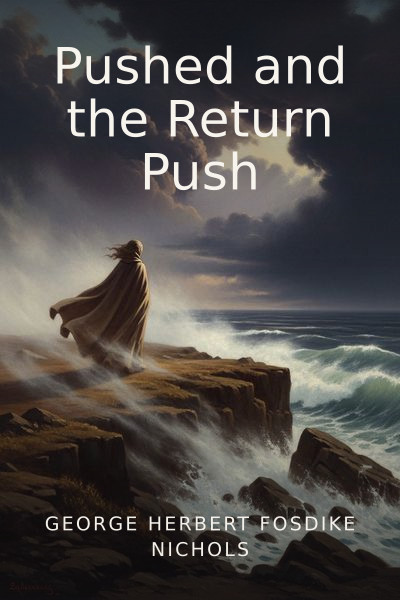
Pushed and the Return Push by George Herbert Fosdike Nichols — Summary, Key Ideas & Full Text
299 pages31 chapters6h read4h 16m speed read✦ 9-min Big ideasFree · no account
Rate it
Experience the harrowing realities of World War I through the eyes of an ordinary soldier navigating chaos and camaraderie
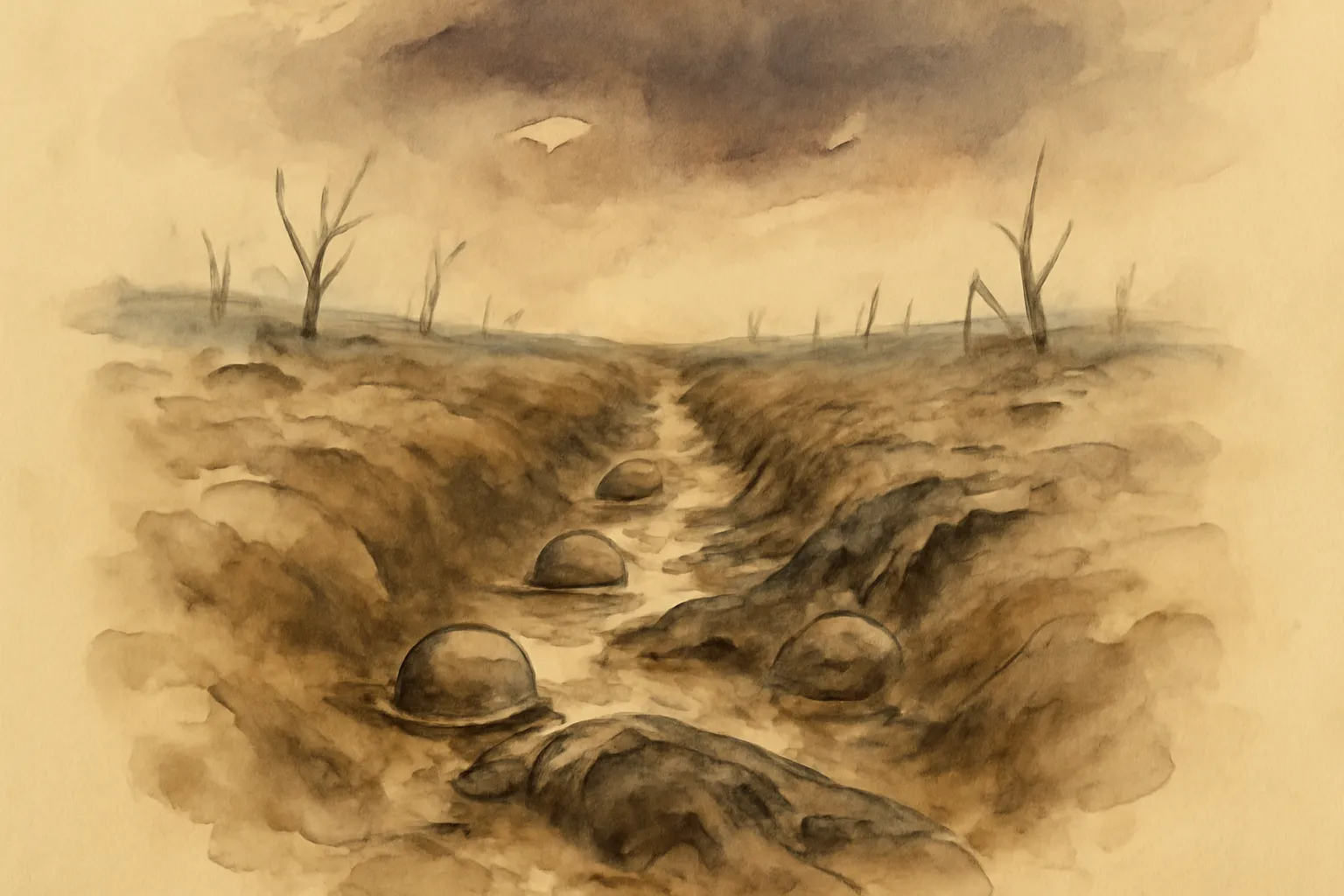
In 'Pushed and the Return Push,' George Herbert Fosdike Nichols captures the raw and unfiltered experience of a soldier during World War I. This narrative takes readers through the tumultuous days and nights of a military campaign, revealing not just the physical hardships of war but also the emotional and psychological strains faced by those involved. With vivid descriptions of battle, the camaraderie among troops, and the constant threat of danger, Nichols provides an intimate look at life in the trenches. Readers will gain insight into the resilience of the human spirit amidst the chaos of war, the intricacies of military operations, and the bonds formed between soldiers as they navigate the horrors of conflict. This book offers a poignant reminder of the sacrifices made during one of history's greatest tragedies, showcasing the untold stories of the individuals who fought bravely for their country.
Through 'Pushed and the Return Push,' Nichols offers a gripping account of the soldier's experience during World War I, weaving together themes of camaraderie, loss, and the psychological toll of battle. His vivid storytelling immerses readers in the realities of military life, providing a nuanced exploration of the complexities of war. The narrative serves as a powerful reminder of the sacrifices made by those who fought and the lasting impact of conflict on individuals and society as a whole. By focusing on the human element of warfare, Nichols not only honors the memories of fallen comrades but also emphasizes the resilience of those who continue to fight. This book is a poignant tribute to the spirit of brotherhood forged in the trenches and a testament to the enduring power of the human experience amidst the chaos of war.
“They say he bucks, explained the adjutant.”
“Don't say we shall have to leave these to the Hun, doctor!”
“It is most important this morning that we should keep communication with our Divisional Artillery Headquarters.”
Read George Herbert Fosdike Nichols's work free on Lumina — the complete text plus an 8-minute summary and key ideas, no account needed