1.The Impact of Early Loss
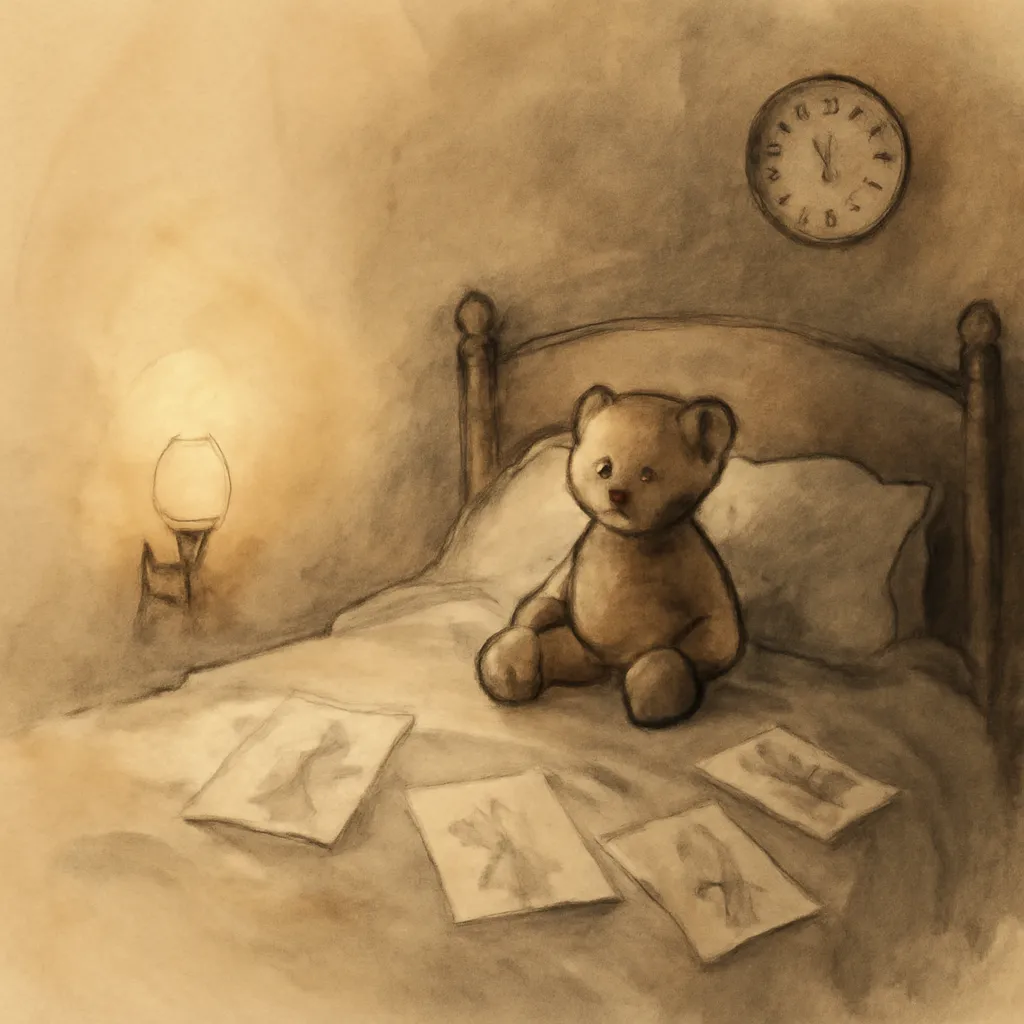
Bates begins her exploration of psychic phenomena with the profound impact of her father's death when she was just nine years old. This early loss was not only a personal tragedy but also a catalyst for her psychic awareness. Her dreams preceding his death served as a crucial mechanism for coping with grief, suggesting that the mind can sense impending loss even when it is not consciously acknowledged. Bates recounts the chilling experience of dreaming about her father's death three nights in a row, only to wake up to the news of his passing. This early encounter with death and the psychic connection it facilitated shaped her understanding of love, loss, and the continuity of the spirit beyond the physical realm. The theme of premonition resonates throughout her narrative, illustrating how early experiences of grief can serve as a foundation for a lifelong exploration of the unseen. In these reflections, Bates captures the innocence of childhood beliefs and how they can provide a framework for understanding complex emotional realities, offering a glimpse into how early experiences can influence a lifetime of psychic exploration.
2.A Journey Through Psychic Investigations
After a period of dormancy in her psychic experiences, Bates embarks on a journey to America, where she immerses herself in the world of spiritualism and psychic phenomena. This chapter of her life is marked by her encounters with various mediums and clairvoyants, revealing a vibrant landscape of beliefs and practices surrounding the supernatural. During this time, Bates interacts with notable figures in the spiritualist movement, absorbing their perspectives and methods. For example, she attends sessions led by mediums who claim to communicate with the dead, marveling at their ability to provide comfort and insights to grieving individuals. Bates's mixed feelings of skepticism and wonder highlight the complexities of the psychic realm, as she grapples with the authenticity of the experiences presented to her. Her experiences raise questions about the ethics of mediumship and the responsibility of psychics to their clients. Through these investigations, Bates not only seeks answers about her own life but also grapples with the broader implications of spiritualism in society, challenging readers to consider the validity and impact of such experiences on personal beliefs and collective understanding.
3.The Nature of Clairvoyance
Bates delves into the characteristics of clairvoyance, sharing her observations of how psychics can sense the emotional and mental states of individuals. She notes that her own life, marked by significant events, provided a rich tapestry for clairvoyants to draw upon during readings. In one encounter, Bates describes a psychic's ability to accurately describe her life circumstances based on mere impressions, which not only astounds her but also reinforces the idea that emotional depth can enhance psychic perception. This exploration raises questions about the nature of psychic abilities and their relationship to personal history. Bates underscores the importance of the emotional connection between the psychic and the individual, suggesting that this bond can lead to more profound insights. Her reflections also highlight the impact of trauma and emotional experiences on one's psychic abilities, indicating that those who have navigated significant life events may have heightened sensitivity to the unseen. This nuanced understanding invites readers to reflect on their own experiences and the potential for deeper connections to emerge through shared narratives.
4.Cultural Contexts of Psychic Experiences
Bates's travels take her to Australia and New Zealand, where she encounters different cultural perspectives on psychic phenomena. Her experiences highlight the ways in which local beliefs and societal attitudes shape the understanding of the supernatural. For instance, she reflects on the contrasting reception of her psychic narratives in various social circles, noting that her conversations about the supernatural are met with both skepticism and curiosity. Bates recounts an encounter with a local woman in Australia who expresses a deep interest in psychic matters, yet her demeanor contrasts sharply with that of a skeptical audience she faces at other gatherings. This exploration emphasizes the importance of cultural frameworks in interpreting psychic experiences, suggesting that the validity of these phenomena may vary significantly across societies. Bates's observations encourage readers to consider how their own cultural backgrounds influence their perceptions of the unseen and the ways in which shared beliefs can foster or hinder spiritual exploration. By examining these cultural dynamics, Bates enriches the discourse around spirituality and psychic phenomena, highlighting the diverse ways in which people engage with the unseen.
5.The Unseen in Daily Life
Bates's narrative often blurs the lines between the seen and the unseen, revealing how everyday experiences can be imbued with psychic significance. She recounts moments where she feels the presence of spirits or receives intuitive insights that guide her decisions, such as encounters where she senses the emotions of those around her. These occurrences challenge the notion of what constitutes a 'normal' experience, suggesting that the supernatural may be more integrated into our daily lives than we realize, and encouraging a broader acceptance of the mystical elements that often go unnoticed. Bates emphasizes that these moments are not isolated incidents but part of a larger tapestry of existence that connects individuals through shared emotional experiences. For instance, she reflects on her ability to sense discomfort in others, leading her to offer support even before the individual expresses their needs. By sharing her encounters, she opens a dialogue about the hidden dimensions of existence and urges readers to recognize their own intuitive abilities. This exploration serves as an invitation to engage with the unseen in a more meaningful way, promoting a deeper understanding of the interconnectedness of all beings.
6.The Complexity of Mediumship
Throughout her experiences, Bates encounters various mediums, each with their unique styles and methods. She examines the complexities of mediumship, noting the differences between genuine connections and those that may be influenced by guesswork or psychological manipulation. For example, Bates describes a session with a medium where the readings become increasingly vague, prompting her to question the authenticity of the experience. Bates’s interactions reveal a spectrum of authenticity, prompting her to consider what constitutes a valid psychic experience. Her critical yet respectful approach encourages readers to question the motivations and techniques of those who claim to communicate with the dead. By highlighting her own skepticism alongside moments of genuine connection, Bates provides a balanced perspective on the practice of mediumship. This nuanced understanding fosters an environment where readers can explore their beliefs while remaining open to the profound possibilities of spiritual communication, ultimately advocating for discernment in navigating the psychic landscape.
7.Personal Growth Through Psychic Exploration
Bates’s journey into the psychic realm serves as a vehicle for personal growth and self-discovery. Each experience, whether enlightening or perplexing, contributes to her evolving understanding of life, death, and the connections that transcend physical existence. She reflects on how her psychic encounters have shaped her relationships with others, particularly with those who have passed away. With each interaction, Bates gains new insights into herself and her connections, revealing how these encounters have fostered resilience and empathy. For instance, she recounts a transformative reading that offers comfort regarding her father’s passing, highlighting the healing potential of psychic experiences. This exploration of personal growth emphasizes the transformative potential of engaging with the unseen, suggesting that such experiences can enrich one's emotional landscape and encourage deeper reflections on life’s mysteries. Bates encourages readers to embrace their own journeys of exploration, illustrating how openness and curiosity can lead to profound realizations about the self and the world around them.
8.The Interplay of Skepticism and Belief
Bates navigates the delicate balance between skepticism and belief throughout her narrative, illustrating how these opposing forces can coexist in the pursuit of understanding the unseen. She acknowledges her own doubts and the challenges of reconciling personal experiences with societal skepticism. For instance, she recalls times when her enthusiasm for sharing her psychic encounters was met with dismissive attitudes, prompting her to reflect on the broader implications of belief systems in society. This interplay prompts a broader discussion about the nature of belief and how it shapes our perceptions of reality. Bates's reflections encourage readers to engage with their own skepticism while remaining open to the possibility of the extraordinary. By examining her own journey, she highlights the importance of critical thinking in the realm of the supernatural, advocating for a nuanced approach that honors both inquiry and wonder. Ultimately, Bates suggests that embracing this duality can lead to a richer understanding of the unseen and its implications for our lives.
9.The Legacy of Psychic Experiences
As Bates reflects on her life and the psychic experiences that have punctuated it, she considers the legacy of these encounters and their implications for future generations. She expresses a desire to document her journey not only as a personal record but also as a contribution to the broader understanding of psychic phenomena. Bates’s commitment to sharing her experiences underscores the significance of storytelling in preserving the knowledge and insights gained through psychic exploration. This legacy invites readers to consider their own stories and the potential impact of sharing experiences of the unseen on collective understanding. By framing her narrative as part of a larger tapestry, Bates emphasizes the interconnectedness of all human experiences with the mystical. She encourages readers to reflect on their own narratives and consider how their unique experiences contribute to a broader dialogue on spirituality and the unseen. Through this lens, Bates advocates for a future where personal stories of the psychic and supernatural are valued, fostering a culture of openness and acceptance towards the mysteries of existence.