1.The Nature of Freedom and Chains
Rousseau famously asserts that 'Man is born free; and everywhere he is in chains.' This provocative statement encapsulates the paradox of human existence within societal structures. While individuals are born with the potential for freedom, societal conventions and hierarchies often impose constraints that inhibit true liberty. Rousseau raises critical questions about the origins of these chains: How did humans go from being free individuals to being bound by societal norms? He argues that the transition from a state of nature to a civil society, while necessary for communal living, often leads to inequalities that contradict the very essence of freedom. This exploration of freedom serves as a foundation for understanding the legitimacy of political authority and the necessity of a social contract.
2.The Social Order as Sacred Right
Rousseau contends that the social order is a sacred right, forming the basis of all other rights. Unlike natural rights, which exist in a state of nature, social rights must be established through mutual agreements among individuals. This idea emphasizes that legitimate governance must be rooted in the consent of the governed, rather than derived from force or coercion. Rousseau argues that a society's laws should reflect the collective will of its citizens, ensuring that justice and utility are aligned. The legitimacy of any government, therefore, hinges on its ability to represent the general will, which is the culmination of individual interests harmonized for the common good.
3.Inalienable Sovereignty
A key principle in Rousseau's philosophy is that sovereignty is inalienable; it cannot be transferred or represented by another entity. The general will, which embodies the collective interest of the people, is the only legitimate source of political power. Rousseau emphasizes that while individual interests may conflict, the general will seeks to promote the common good. Therefore, a government that deviates from this principle risks losing its legitimacy. This notion challenges the legitimacy of monarchies and autocracies, where power is concentrated in the hands of a few, rather than being derived from the collective will of the citizenry.
4.The Role of the General Will
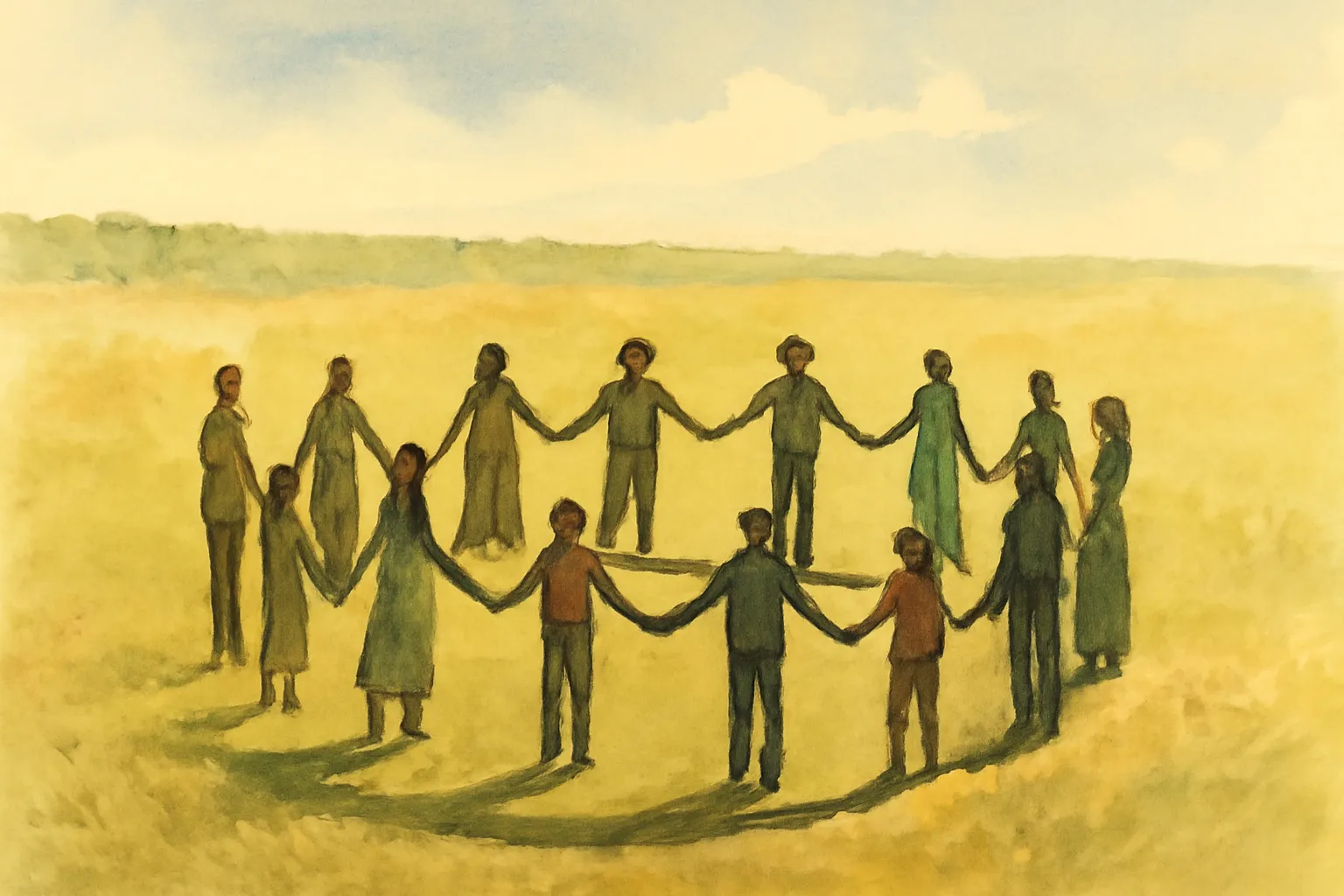
The concept of the general will is central to Rousseau's argument, representing the collective interest of the populace. This will is not merely the sum of individual desires; rather, it reflects a higher moral order that seeks the common good. Rousseau argues that the general will is indestructible, as long as citizens view themselves as a unified body. In a well-functioning society, individuals prioritize the common good over personal interests, leading to harmony and cooperation. However, when particular interests overshadow the general will, societal discord arises, and the unity necessary for a functioning state begins to erode.
5.The Family as the Original Society
Rousseau identifies the family as the most ancient and natural form of society, where relationships are based on kinship and mutual dependence. However, he notes that even these bonds are temporary, dissolving once the need for protection and care ceases. This observation leads to the conclusion that social bonds must be actively maintained through collective agreements rather than assumed. The transition from familial ties to broader societal structures highlights the importance of conscious consent in forming social contracts. Rousseau argues that as societies evolve, they must establish new forms of governance that reflect the changing needs and interests of their members.
6.Legislative vs. Executive Power
Rousseau distinguishes between legislative and executive powers within a state, arguing that the legislative power belongs solely to the people. The laws created through the expression of the general will must reflect the collective interest, while the executive power is responsible for implementing those laws. This division is essential for maintaining the integrity of the social contract, as it prevents the concentration of power in a single entity. Rousseau warns that when the executive power oversteps its bounds, it risks undermining the sovereignty of the people and the legitimacy of the laws.
7.The Fragility of the State
Rousseau explores the fragility of political structures, noting that as societies grow, the social bond can weaken. When particular interests begin to dominate, the unity required for a stable state diminishes. This erosion leads to conflict and division, as individuals prioritize personal gain over collective well-being. Rousseau warns that a state on the brink of collapse often exhibits a facade of governance, masking deeper societal issues. To restore vitality to the state, citizens must reaffirm their commitment to the general will and engage in collective deliberation to address shared challenges.
8.The Dangers of Political Subtleties
Rousseau critiques the complexities and subtleties that often characterize political discourse, arguing that they can obscure the common good. He suggests that straightforward, honest communication among citizens fosters a more genuine understanding of collective interests. In societies where political maneuvering and eloquence overshadow clear communication, the general will becomes difficult to discern, leading to disillusionment and mistrust. Rousseau advocates for simplicity and transparency in governance, asserting that the best laws emerge from a clear understanding of the needs and desires of the populace.
9.The Importance of Civic Duty
Rousseau emphasizes that active participation in governance is a fundamental civic duty for all citizens. He argues that individuals must engage with political processes to ensure that their collective will is represented. This engagement is not merely a right but a responsibility that comes with citizenship. By participating in public affairs, individuals help shape the laws and policies that govern their lives, reinforcing the social contract. Rousseau's call for civic involvement underscores the notion that a healthy democracy relies on the active participation of its citizens to remain vibrant and responsive to their needs.