1.The Innocence of Childhood
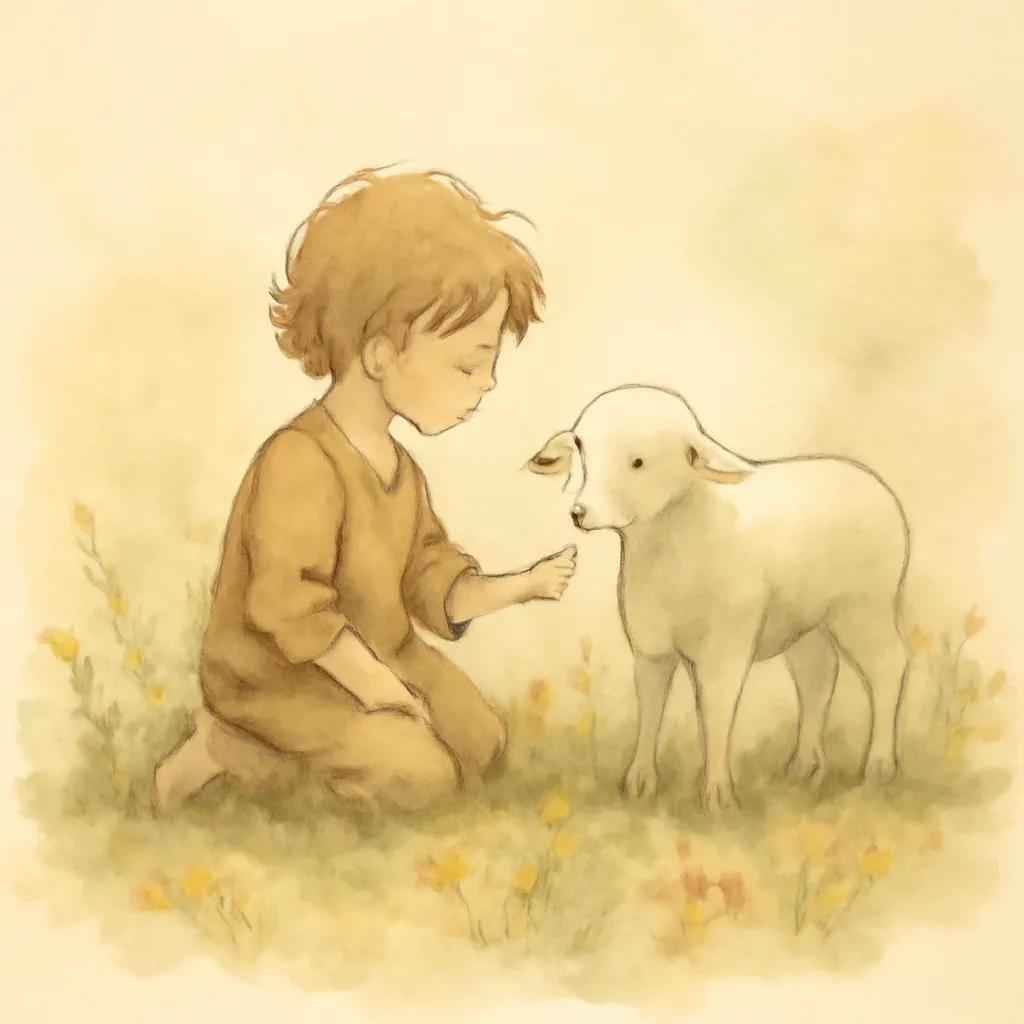
Blake's 'Songs of Innocence' captures the essence of childhood, portraying it as a time filled with joy, simplicity, and a deep connection to nature. Poems such as 'The Lamb' and 'The Shepherd' emphasize the purity and vulnerability of children, who embody a natural and divine innocence. In 'The Lamb,' the speaker's gentle questioning to the lamb mirrors a child's curiosity about the world, illustrating a direct relationship with creation. The playful imagery of the lamb and the shepherd reflects a harmonious relationship with the world, where joy and peace reign. In 'The Shepherd,' the shepherd's watchful role symbolizes a protective presence, suggesting that innocence is safeguarded by love and care. This innocence is not merely a state of being; it is depicted as a sacred gift, a reflection of the divine that should be cherished and protected against the encroaching complexities of adulthood. Through these poems, Blake emphasizes that the innocence of childhood is a vital aspect of the human experience, offering a glimpse into the divine nature that exists within us all.
2.The Loss of Innocence
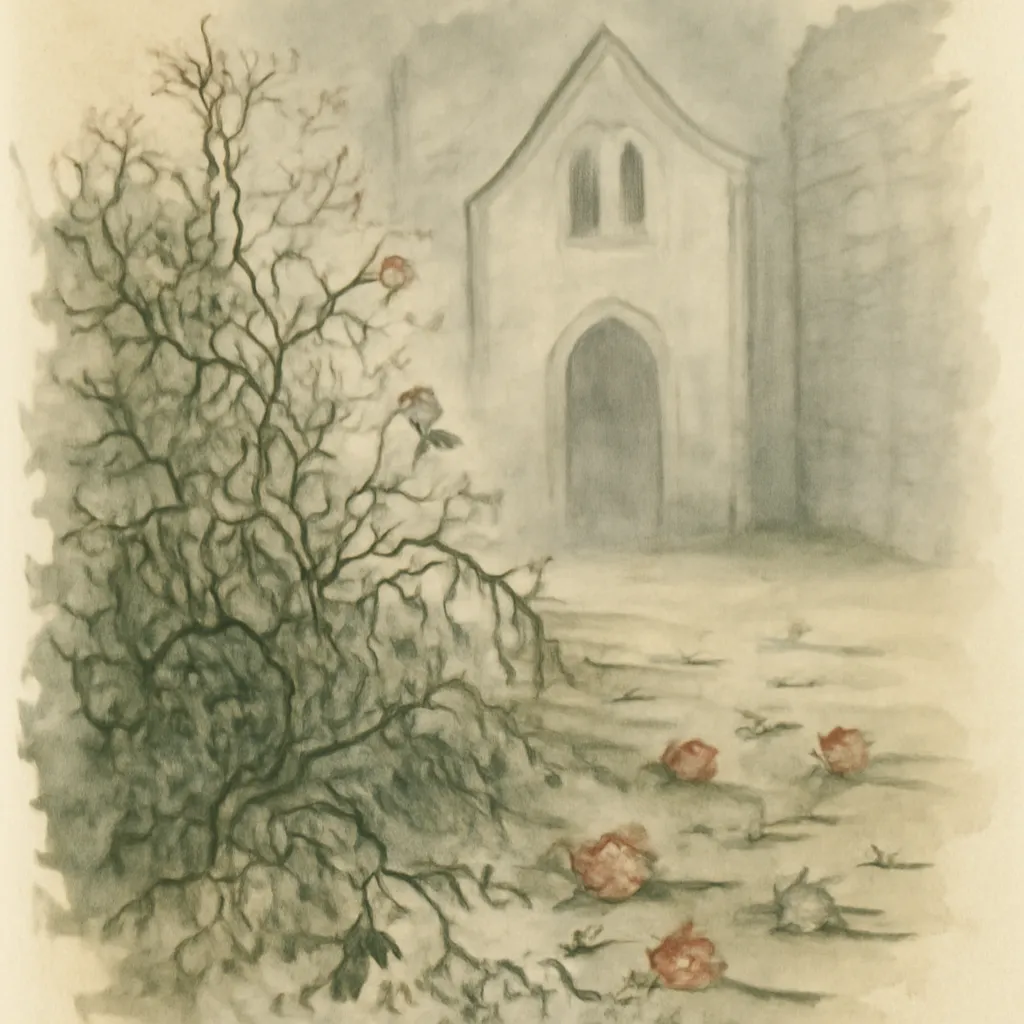
As the collection transitions into 'Songs of Experience,' Blake reveals the darker realities that accompany the loss of innocence. The poem 'The Garden of Love' stands as a powerful symbol of this transition, where the once vibrant garden of childhood is replaced by a chapel that imposes restrictions and rules. The closed gates and the inscription 'Thou shalt not' represent the societal constraints that inhibit freedom and joy. This shift underscores the idea that adulthood often brings with it a sense of disillusionment and despair, as the pure joys of childhood are overshadowed by the complexities and burdens of life. In 'The Little Black Boy,' the speaker's journey from innocence to a confrontation with racial identity reflects a broader experience of loss—where the enlightenment of innocence is clouded by societal prejudice. Blake poignantly illustrates how societal expectations can stifle the spirit, leading to a yearning for the lost simplicity of youth. Furthermore, the loss of innocence is portrayed not merely as a personal tragedy but as a societal failure that impacts the collective human experience, suggesting that the transition into adulthood can often feel like a loss of connection to both oneself and one's surroundings.
3.Duality of Existence
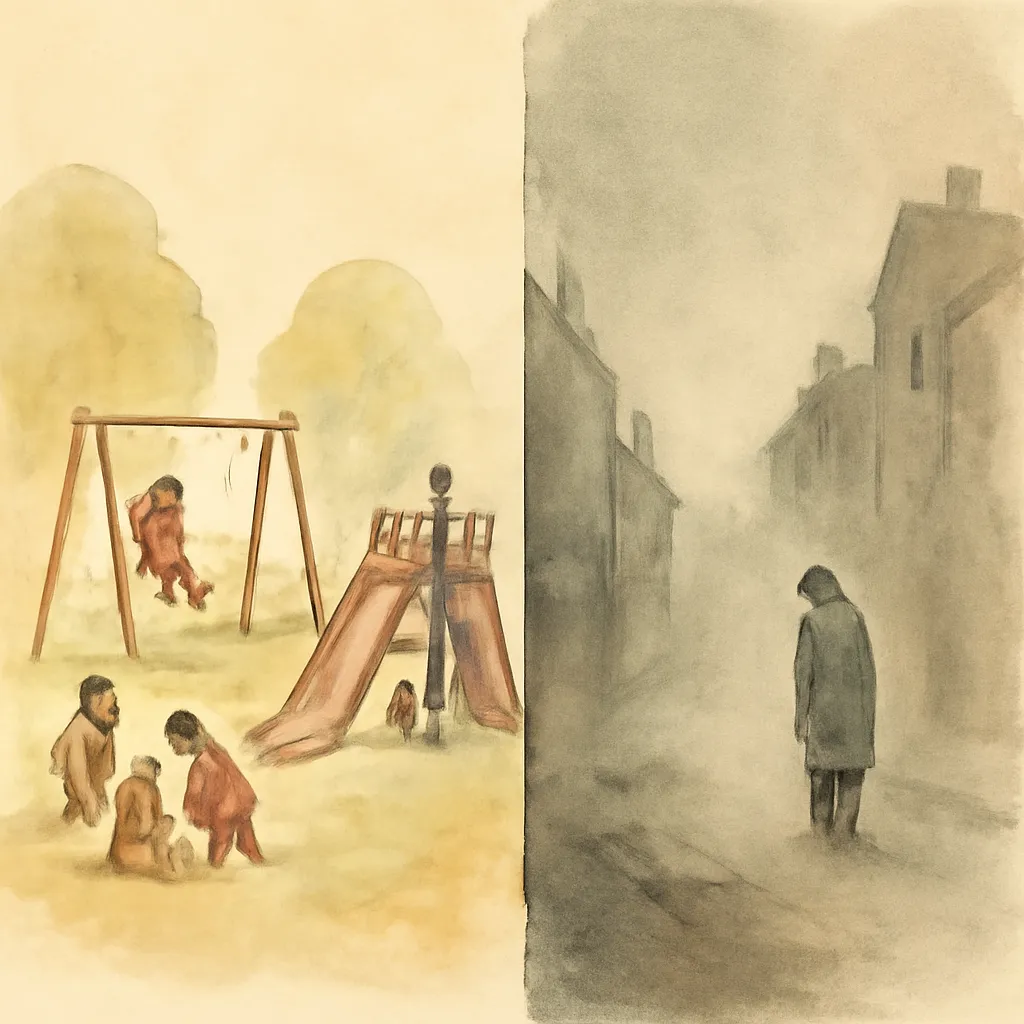
Blake's exploration of innocence and experience is not merely about contrasting states but rather about understanding the duality of existence. He suggests that both innocence and experience are essential parts of the human journey, each offering unique insights and lessons. In 'The Tiger,' the ferocity and beauty of the creature evoke questions about creation and the nature of God. The poem juxtaposes the gentle lamb with the fearsome tiger, prompting readers to consider the coexistence of good and evil in the world. This duality reflects the complexity of human nature, where joy and suffering, love and fear, innocence and experience are intertwined. For Blake, to fully grasp the human experience, one must recognize that these opposing forces are interconnected; they inform and shape each other, creating a richer tapestry of life that cannot be understood in isolation. The tension between the lamb and the tiger symbolizes the struggle within the human soul, where light and darkness coexist, urging us to confront our fears while embracing our capacity for love and creativity.
4.Spirituality and Divinity
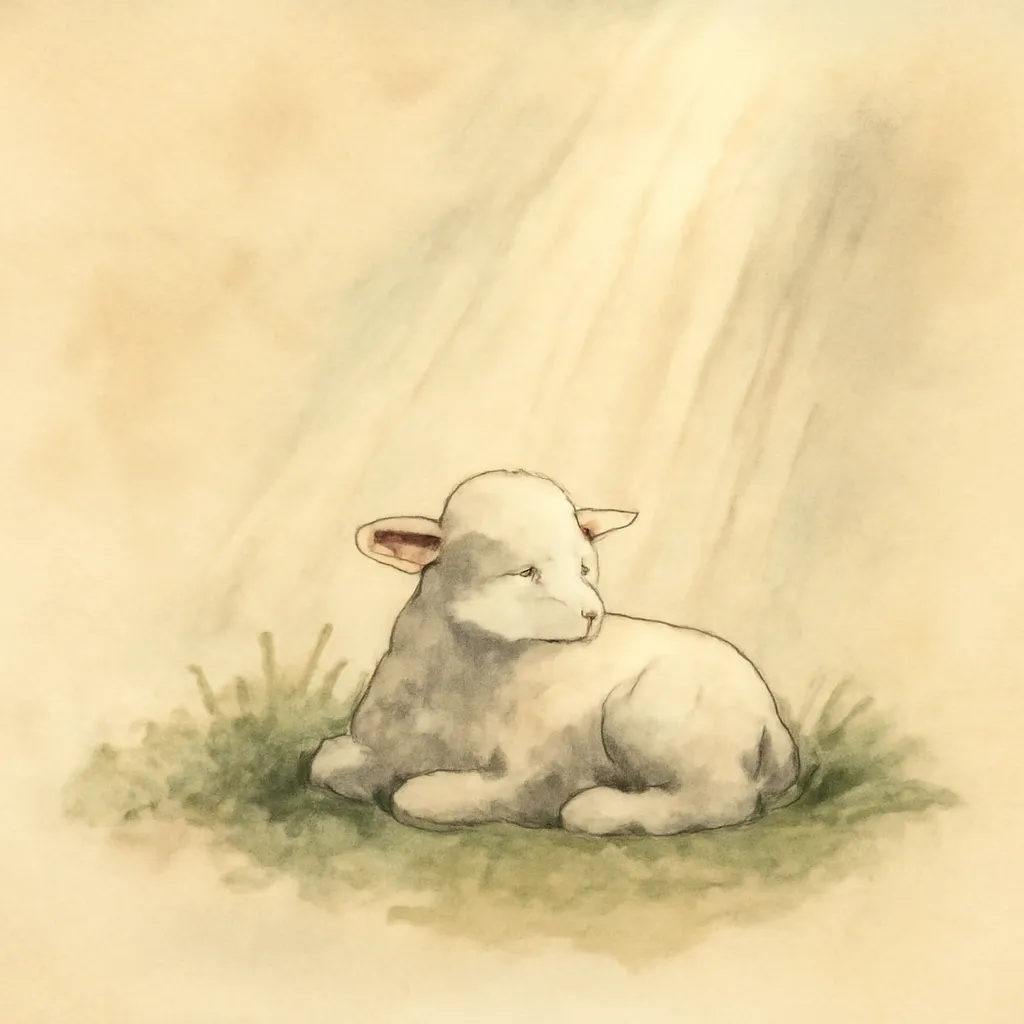
Blake's poetry is steeped in spiritual themes, particularly the connection between humanity and the divine. In 'The Lamb,' the speaker directly addresses the lamb, inquiring about its creator, which leads to a profound revelation of God's nature. The poem suggests that God embodies qualities of innocence and gentleness, aligning with the purity of childhood. The repetition of the question 'Little lamb, who made thee?' signifies a quest for understanding that transcends mere curiosity, highlighting the speaker's deep spiritual longing. Conversely, 'The Tiger' poses unsettling questions about the nature of a creator who can conjure both beauty and terror. The stark contrasts in these poems prompt readers to reflect on their own understanding of God and the complexities of faith. Blake proposes that true spirituality encompasses the entirety of existence, acknowledging both the gentle and fearsome aspects of creation. This spiritual exploration encourages readers to develop a personal relationship with the divine, one that honors both light and darkness, innocence and experience.
5.Social Critique and Commentary
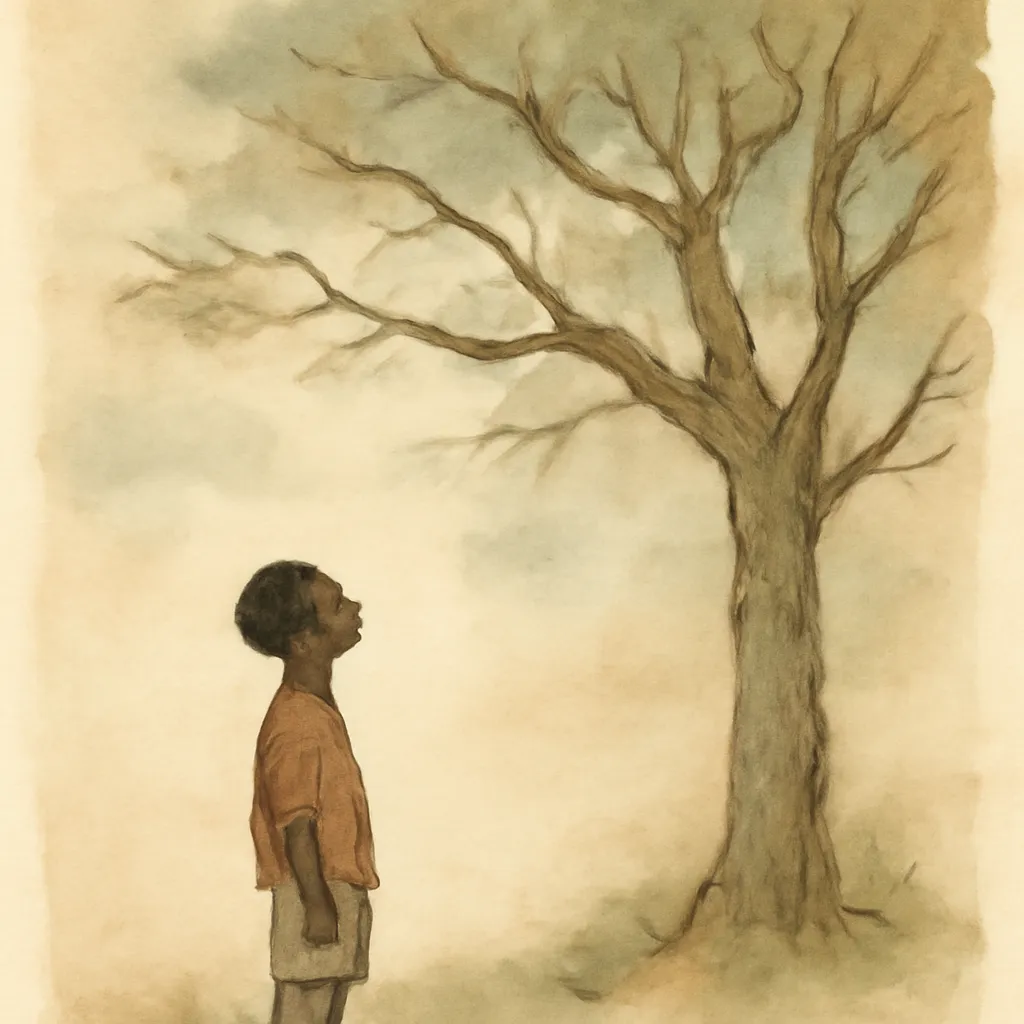
Blake's work serves as a critique of societal norms and the structures that govern human behavior. In 'The Little Black Boy,' he addresses issues of race and identity, illustrating the struggle for acceptance and the longing for spiritual connection. The boy's realization that his soul is as pure as that of an English child challenges the prejudices of his time, advocating for a more inclusive understanding of humanity. This poem presents a powerful commentary on the impact of societal constraints on individual identity, demonstrating how external factors can warp one's sense of self. Similarly, 'The Garden of Love' critiques the rigid structures of organized religion that can lead to oppression and alienation. Through these poems, Blake urges readers to question societal conventions and seek a more profound understanding of love, freedom, and the human experience, emphasizing that true spirituality must transcend narrow interpretations of faith. His critique extends to the roles of authority and conformity, suggesting that such forces often hinder personal growth and authentic expression.
6.Nature as a Reflection of Innocence
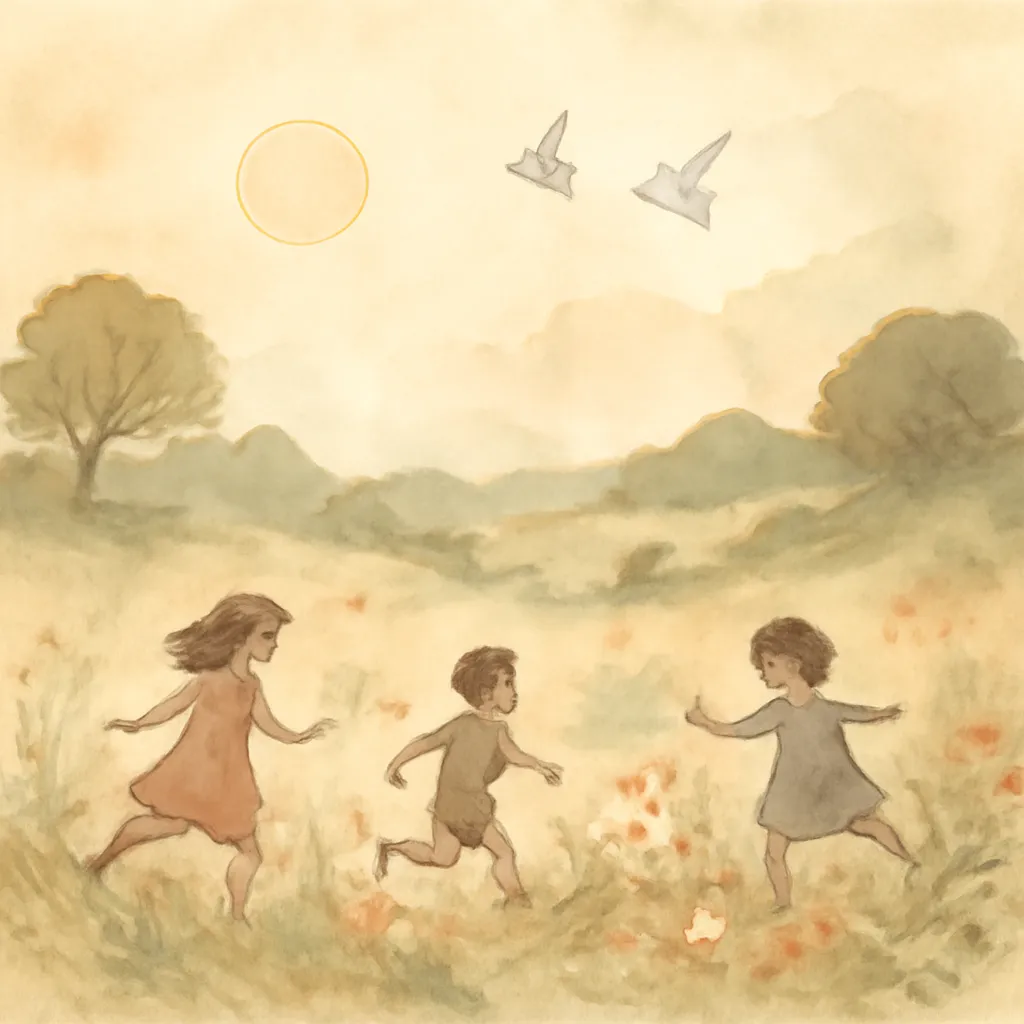
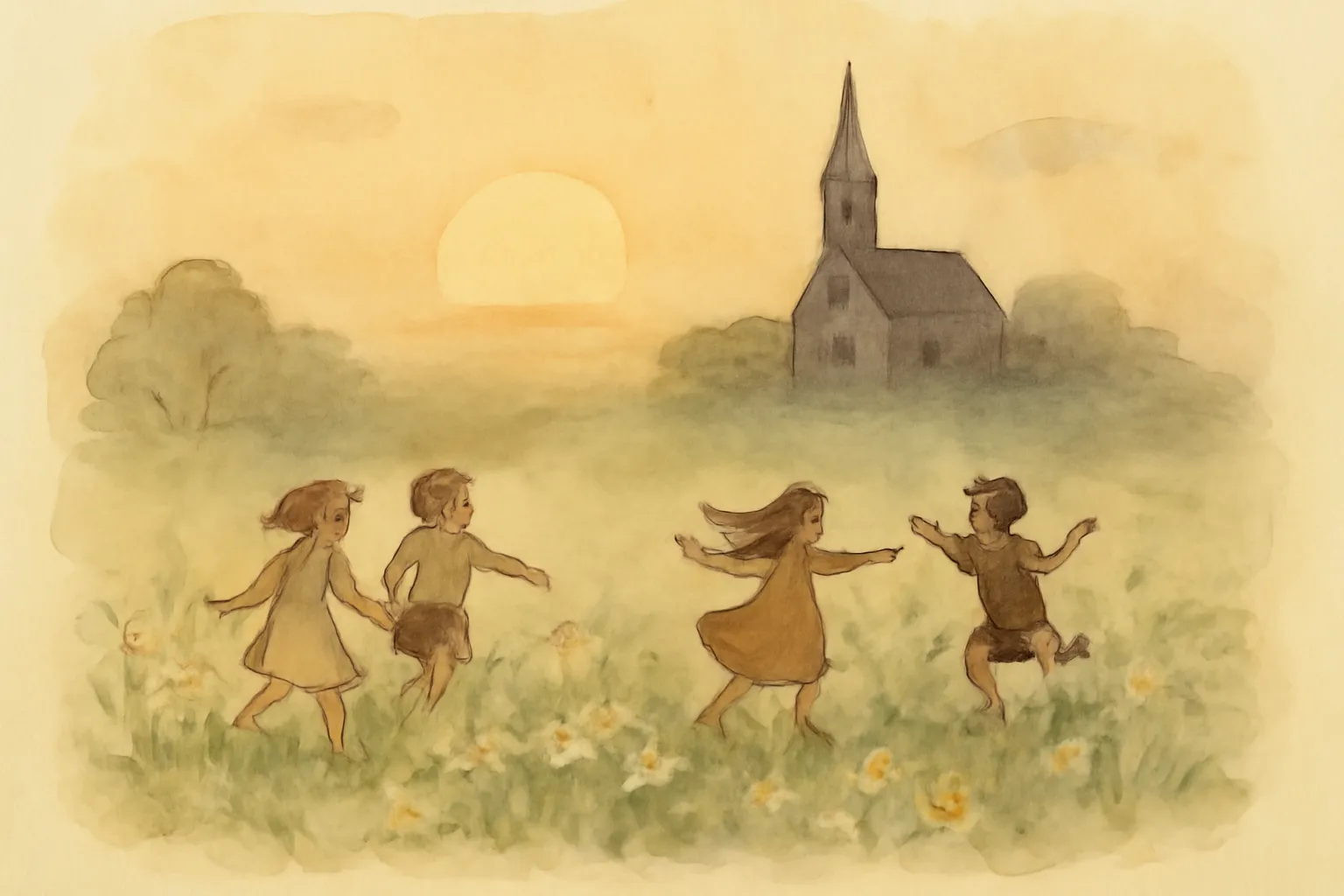
Nature plays a pivotal role in Blake's exploration of innocence. In 'The Echoing Green,' the natural world is depicted as a vibrant backdrop to the joys of childhood, symbolizing purity and freedom. The imagery of the sun rising, birds singing, and children playing evokes a sense of harmony with the environment, reinforcing the idea that nature is a source of joy and inspiration. The poem's cyclical structure mirrors the rhythms of life, illustrating how childhood innocence is nurtured by the natural world. This connection reflects Blake's belief in the divine presence within creation, suggesting that to embrace innocence is to embrace the natural world. The innocence of children is mirrored in the simplicity of the pastoral landscape, which serves as both a playground and a sanctuary. The loss of this connection with nature, as seen in 'The Garden of Love,' further symbolizes the loss of innocence and the imposition of societal boundaries, highlighting the importance of maintaining a bond with the natural world even as one navigates the complexities of adult life.
7.The Role of Memory and Nostalgia

Memory and nostalgia are central themes in Blake's work, particularly in how they relate to childhood innocence. The recollection of simpler times, as seen in 'The Echoing Green,' evokes a longing for the past when life was filled with joy and laughter. This nostalgia serves as a reminder of what is lost as one transitions into adulthood, where responsibilities and societal pressures overshadow the carefree nature of youth. Blake's poetry taps into this universal experience, allowing readers to reflect on their own childhood memories and the bittersweet nature of growing up. The emotional resonance of these memories speaks to the human condition, emphasizing the importance of recognizing and cherishing those early experiences that shape one's identity. The contrast between the joys of innocence and the complexities of experience underscores the significance of memory in navigating life’s journey, pointing to the idea that our past experiences inform our present selves. This interplay between past and present reveals how the innocence of childhood can be preserved through memory, serving as a source of strength and inspiration in the face of life's challenges.
8.The Power of Imagination
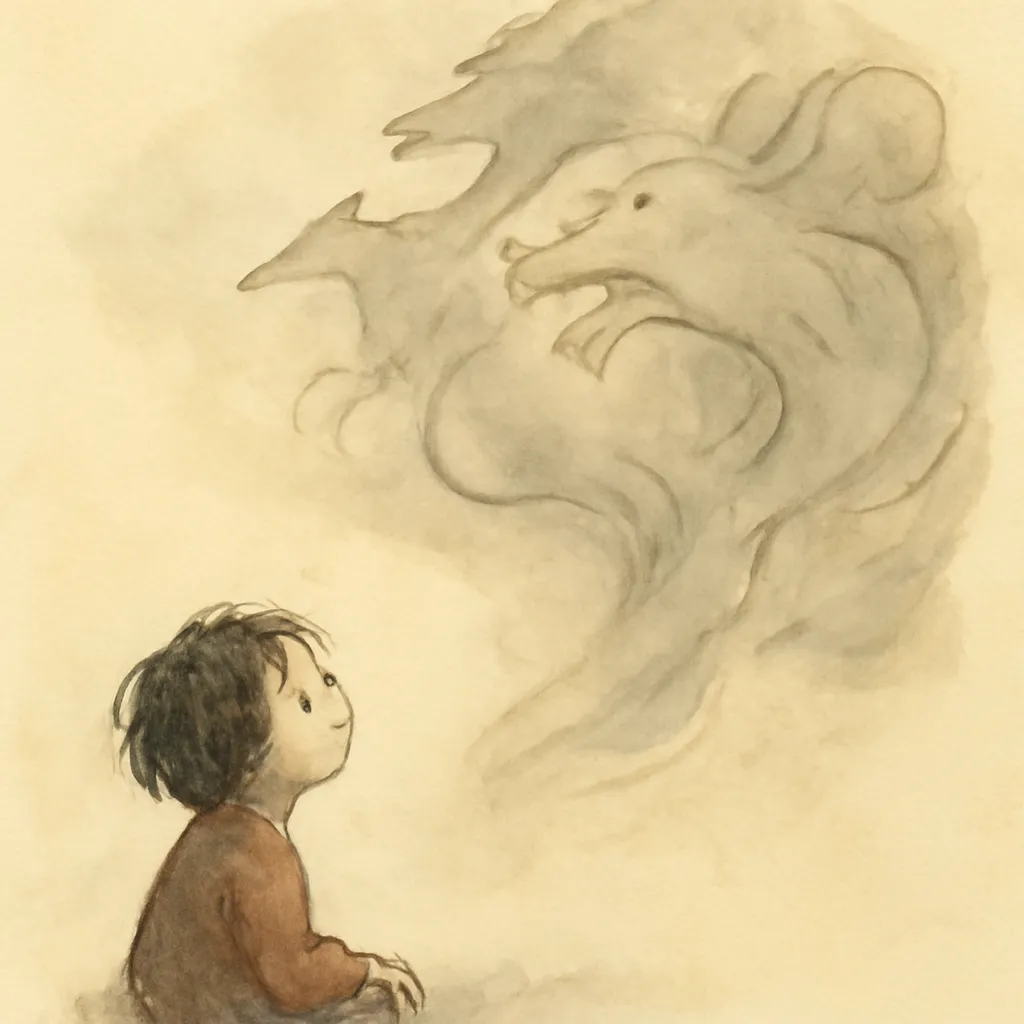
Imagination is a crucial element in Blake's exploration of innocence and experience. In 'The Lamb,' the child-like wonder and curiosity prompt profound questions about creation and existence, showcasing the power of a child's imagination to grasp complex spiritual truths. The act of questioning serves as a form of communion with the divine, suggesting that imagination leads to deeper understanding. Blake suggests that imagination is a bridge between the innocence of childhood and the harsh realities of experience, enabling individuals to transcend limitations and envision a more profound reality. This emphasis on imagination highlights the importance of creativity and individual perception in understanding the world. In contrast, the constraints imposed by society can stifle this imaginative spirit, leading to a more static view of existence. Blake encourages readers to maintain a sense of wonder and exploration throughout their lives, asserting that imagination is essential for personal and spiritual growth. Through the interplay of innocence and imagination, Blake advocates for a worldview that embraces creativity as a means of navigating life’s complexities.
9.The Interplay of Light and Dark

Blake masterfully weaves themes of light and dark throughout his poetry, symbolizing the interplay between innocence and experience. Light represents purity, joy, and divine presence, while darkness embodies the complexities, fears, and challenges of life. In 'The Tiger,' the vivid imagery of burning brightness contrasts with the fearsome nature of the creature, illustrating how beauty can coexist with terror. The duality of light and dark is not only a literary device but a central tenet of Blake's philosophy, suggesting that understanding one's existence requires grappling with both aspects. This duality serves as a reminder that life is not solely defined by innocence or experience but by the balance of both. The interplay of these elements invites readers to embrace the full spectrum of human experience, recognizing that both joy and sorrow contribute to a richer understanding of existence. This recognition of duality is crucial for personal growth, as it encourages individuals to confront their fears and uncertainties while still celebrating the beauty of life. By acknowledging both light and dark, we can cultivate a more profound appreciation for the complexities of the human experience.