1.Understanding the Examination Process
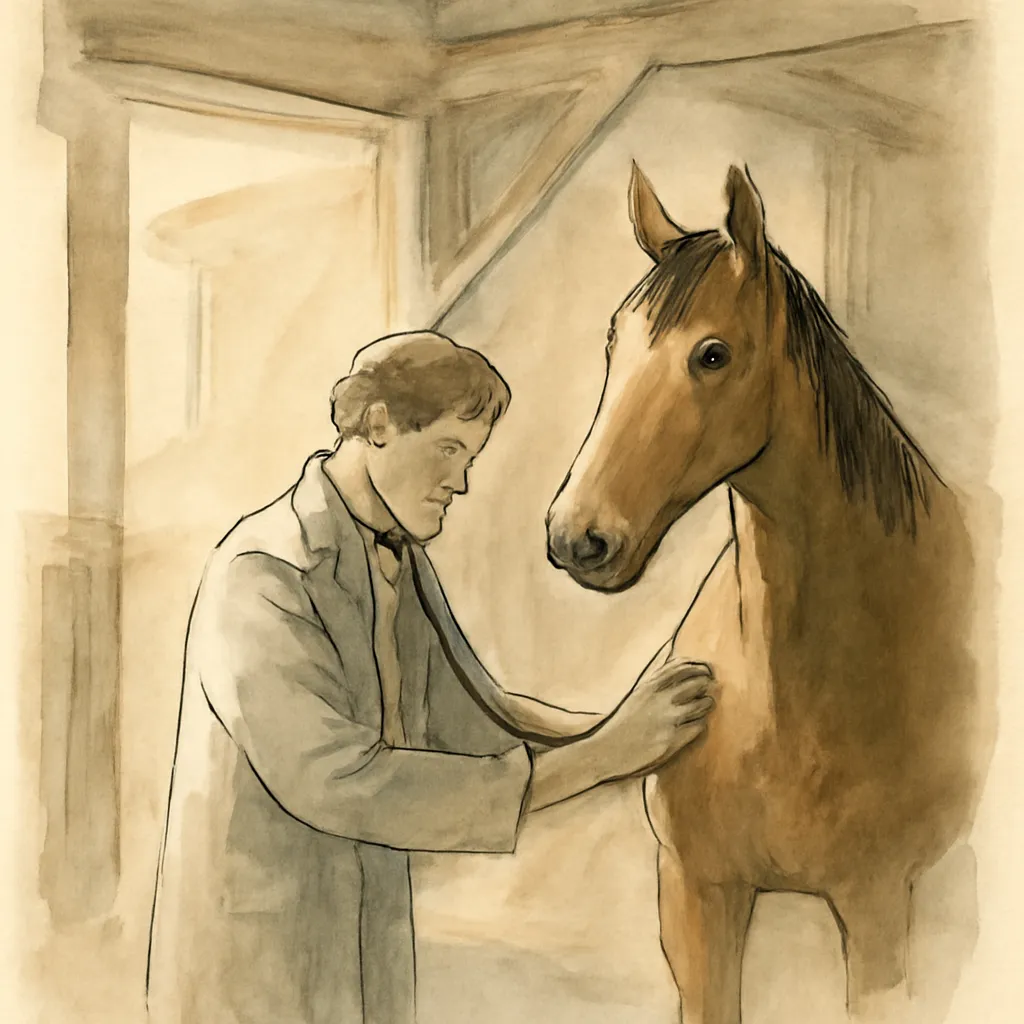
The examination of a sick horse is a critical first step in diagnosing potential diseases. It begins with an assessment of the horse’s overall demeanor, appetite, and behavior, which can provide initial clues to underlying conditions. For instance, a horse that exhibits a loss of appetite may not be suffering from a singular issue, as this can stem from various factors such as excitement, environmental changes, or even serious health problems. The veterinarian must also assess vital signs, including heart rate and respiration, which vary according to the horse's age and condition. Specific techniques, such as taking the pulse at the jaw or observing the horse's posture, can reveal significant information about its health status. The normal pulse of a healthy horse varies depending on age and sex, with stallions averaging 28 to 32 beats per minute and foals averaging between 70 to 90, underscoring the importance of understanding physiological baselines. By conducting a thorough examination, veterinarians can identify symptoms that lead to a more accurate diagnosis and appropriate treatment plan. This process is not only about detecting overt symptoms but also about interpreting subtle behavioral changes that indicate discomfort or distress.
2.Fundamentals of Disease in Horses
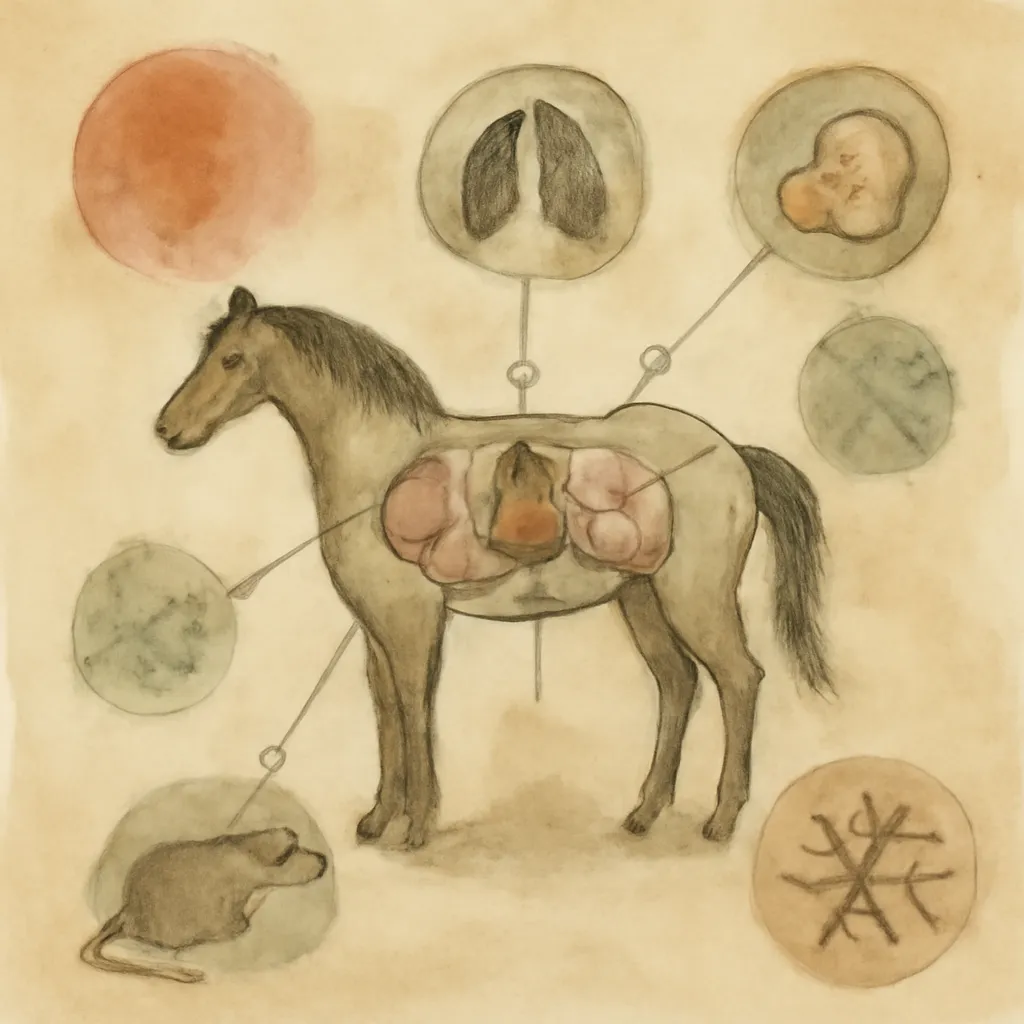
The report outlines fundamental principles of disease that apply to equines, emphasizing the importance of understanding both the physiological and pathological processes at play. Diseases can arise from various sources, including infections, nutritional deficiencies, and environmental factors. For example, inflammation is a common response to injury or infection, characterized by redness, heat, swelling, and pain. The report also discusses how to differentiate between acute and chronic conditions, underscoring the necessity for timely intervention. Recognizing the distinction between these forms of disease can significantly affect treatment outcomes. Acute diseases often require immediate action to prevent deterioration, while chronic conditions may require ongoing management. Understanding these principles allows caretakers to approach treatment holistically, addressing not just the symptoms but also the root causes of health issues. Moreover, appreciating the mechanisms of disease helps in educating horse owners about preventive measures that can be taken to reduce the incidence of illness, such as regular veterinary check-ups and vaccinations.
3.Effective Administration of Medicines
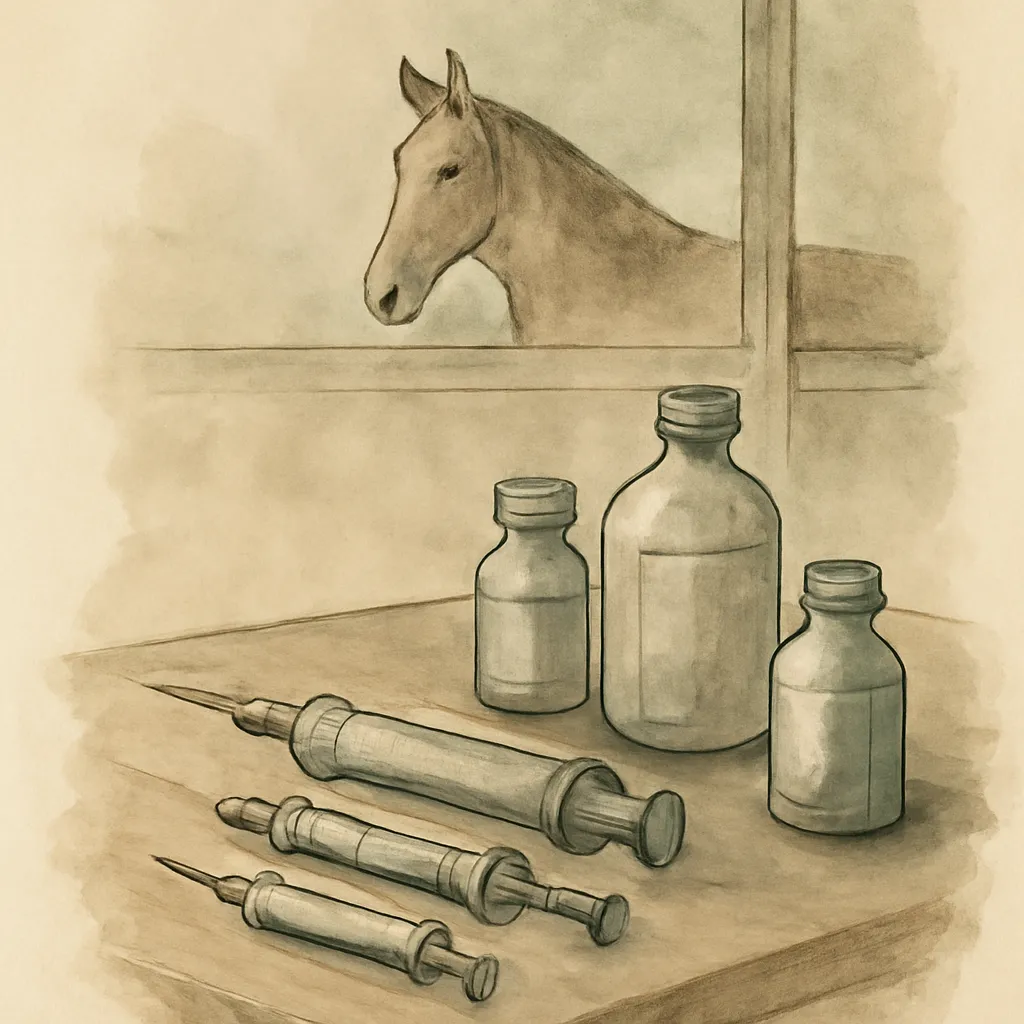
Administering medicines to horses requires a nuanced understanding of their anatomy and physiology. The report details various methods for delivering medications, including oral, intravenous, and rectal routes. Each method has its nuances; for instance, when giving oral medications, powders should be finely pulverized to ensure quick absorption and minimize resistance from the horse. The importance of patient compliance cannot be understated, as even the best treatment is ineffective if the horse refuses to take the medicine. The report emphasizes that non-irritant powders can be mixed with feed, while pills can be administered in capsules to avoid rejection. Recognizing the horse’s preferences and behaviors can enhance compliance during treatment. Furthermore, the timing of administration is crucial; for example, medicines may need to be given before or after meals depending on their absorption characteristics. Additionally, the report suggests monitoring the horse for any adverse reactions after administering medications, as this can inform future treatment decisions. This comprehensive understanding of medication administration is essential for effective equine healthcare.
4.Digestive Disorders and Their Management
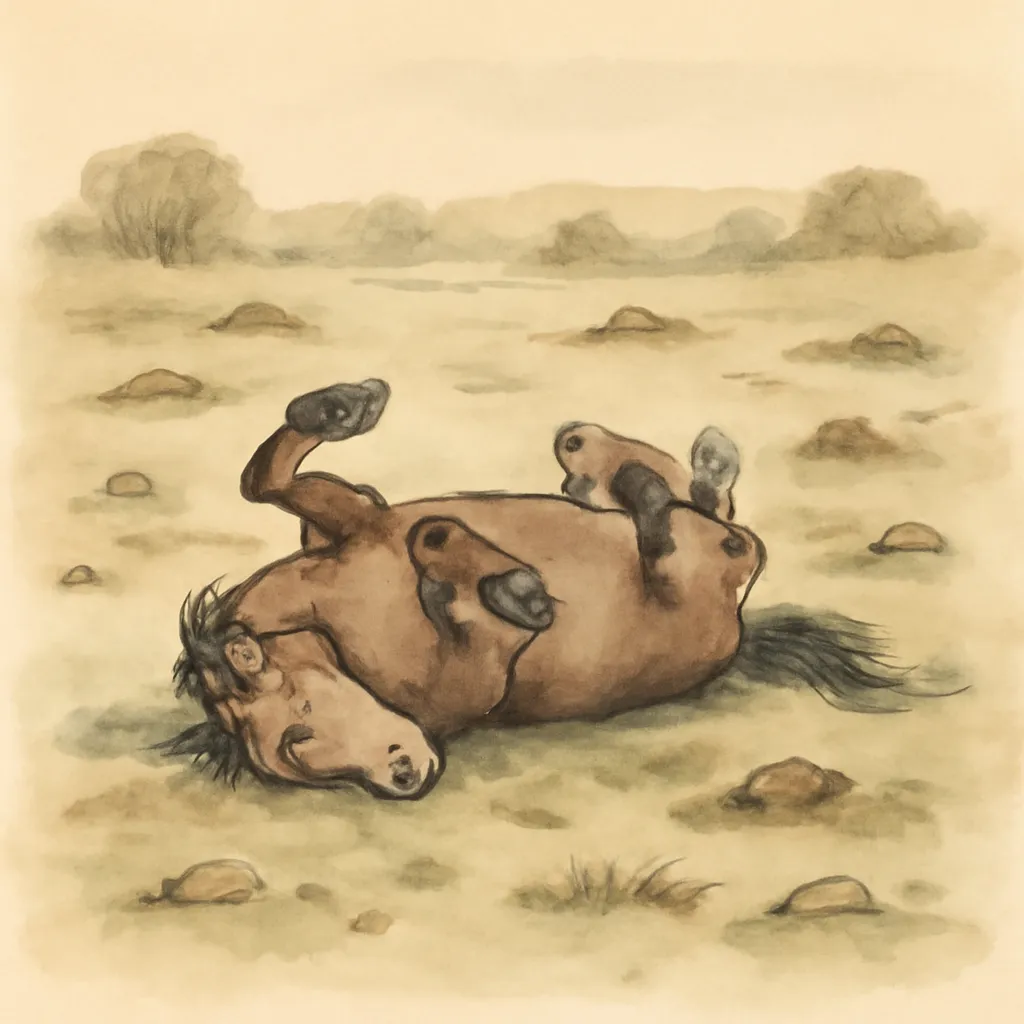
Diseases of the digestive system are among the most common health issues faced by horses, and the report provides a comprehensive overview of these conditions. It discusses symptoms such as colic, which can manifest through signs like pawing, rolling, or reduced appetite. The report elaborates on various causes of digestive disorders, including dietary indiscretion, poor dental health, and inadequate water intake. Treatment strategies range from dietary adjustments to the use of laxatives, depending on the specific condition diagnosed. For instance, in cases of colic, quick identification and intervention are crucial to preventing more severe complications such as intestinal rupture or necrosis. The report stresses the importance of maintaining a regular feeding schedule, as sudden changes in diet can lead to acute digestive distress. Additionally, the examination of the horse's teeth is vital; dental issues can severely affect a horse's ability to chew and digest feed properly, leading to further digestive complications. By understanding these digestive disorders, caretakers can implement preventative measures through effective feeding practices and regular dental checks, significantly reducing the incidence of related health problems.
5.Respiratory Health and Common Diseases
Respiratory diseases pose significant risks to equine health, and the report highlights common conditions such as pneumonia and pleurisy. Symptoms like coughing, nasal discharge, and difficulty breathing signal potential respiratory issues that require immediate attention. The report explains the anatomy of the respiratory system and how infections or irritants can lead to inflammation and disease. For instance, pneumonia can be caused by viral infections, bacterial infections, or even aspiration of food or foreign materials, making it essential to maintain environmental hygiene and avoid overcrowding in stables. Treatment approaches often include anti-inflammatories, bronchodilators, and supportive care to enhance recovery. The significance of environmental factors, such as stable ventilation and air quality, is emphasized, as poor conditions can exacerbate respiratory problems. Proper stable management, including regular cleaning and ensuring adequate airflow, can help prevent respiratory diseases. By understanding the factors contributing to respiratory health, caretakers can take proactive measures to protect their horses’ respiratory systems.
6.The Importance of Urinary Health
Urinary disorders in horses can indicate serious underlying health problems, and the report provides detailed insights into conditions affecting the urinary system. Hematuria, or the presence of blood in urine, can arise from various causes, including mechanical injuries or infections. The report outlines diagnostic procedures to identify the source of bleeding and suggests treatment options, such as avoiding irritant feeds and using local styptics. Additionally, conditions like urinary calculi are discussed, highlighting the importance of hydration and proper nutrition to prevent their formation. The urinary system plays a crucial role in excreting waste products, and neglecting urinary health can lead to systemic problems that affect overall health. The report also discusses urinary retention and incontinence, which can occur due to various neurological or physical issues. Early recognition of urinary problems can lead to timely intervention, which is vital for preventing further complications and ensuring the overall well-being of the horse.
7.Recognizing and Treating Inflammation
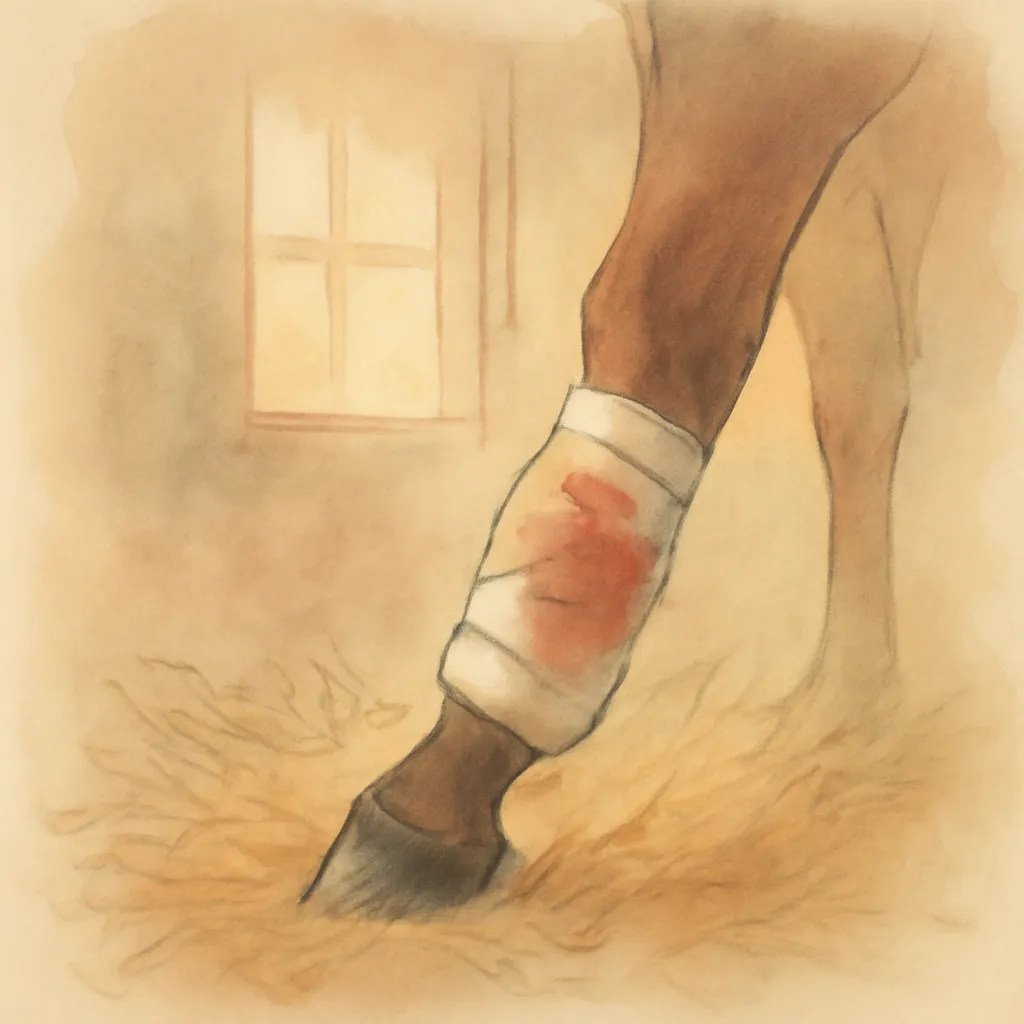
The report delves into inflammation as a common response to injury and infection in horses. It explains that inflammation, while a natural defense mechanism, can lead to significant discomfort and complications if not managed properly. The treatment of inflammation focuses on reducing blood supply to the affected area and preventing excessive nutrition of the tissues involved. Techniques such as applying cold packs, using anti-inflammatory medications, and ensuring rest are discussed as effective means of managing inflammation. Local treatment may include the removal of the cause, such as foreign bodies or irritants, which can provide immediate relief. Moreover, recognizing the early signs of inflammation—such as swelling, heat, and pain—can enable caretakers to intervene quickly. By addressing inflammation proactively, caretakers can prevent the progression of disease and improve the horse's quality of life. This understanding of inflammatory processes is essential for effective equine healthcare management.
8.Infectious Diseases and Their Implications
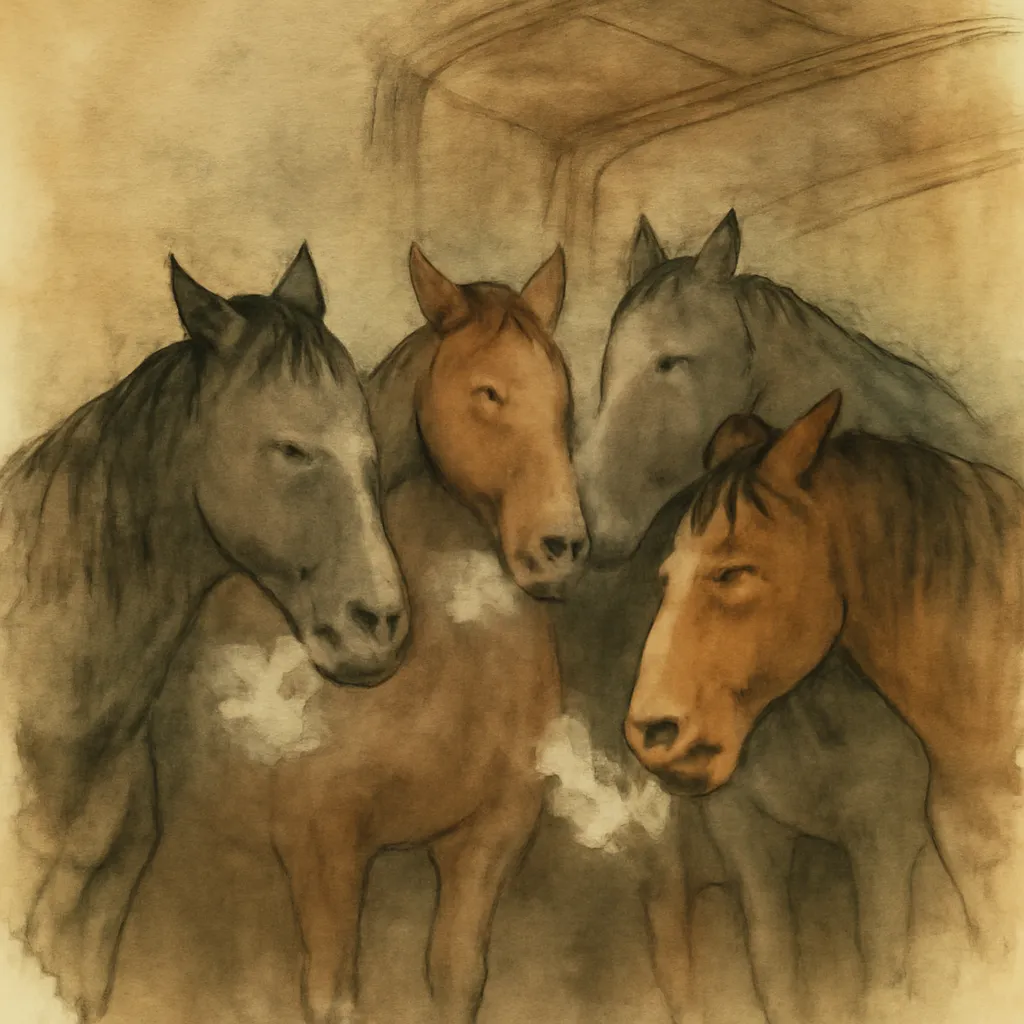
Infectious diseases present a substantial risk to equine populations, and the report outlines several notable conditions such as strangles and influenza. These diseases can spread rapidly among horses, especially in close quarters, making awareness and prevention crucial. The report discusses symptoms to watch for, including fever, nasal discharge, and lethargy, which can indicate an infectious process. Vaccination protocols and biosecurity measures are highlighted as essential strategies for minimizing the risk of outbreaks. For example, isolating newly acquired horses for a period before introducing them to the herd can mitigate the introduction of pathogens. Treatment approaches often involve isolation of infected animals, supportive care, and specific medications to address the disease. The report also emphasizes the importance of monitoring herd health and keeping accurate records of vaccination schedules and disease occurrences. By understanding infectious diseases, horse owners can take proactive steps to protect their animals and manage health risks effectively.
9.The Role of Nutrition in Equine Health
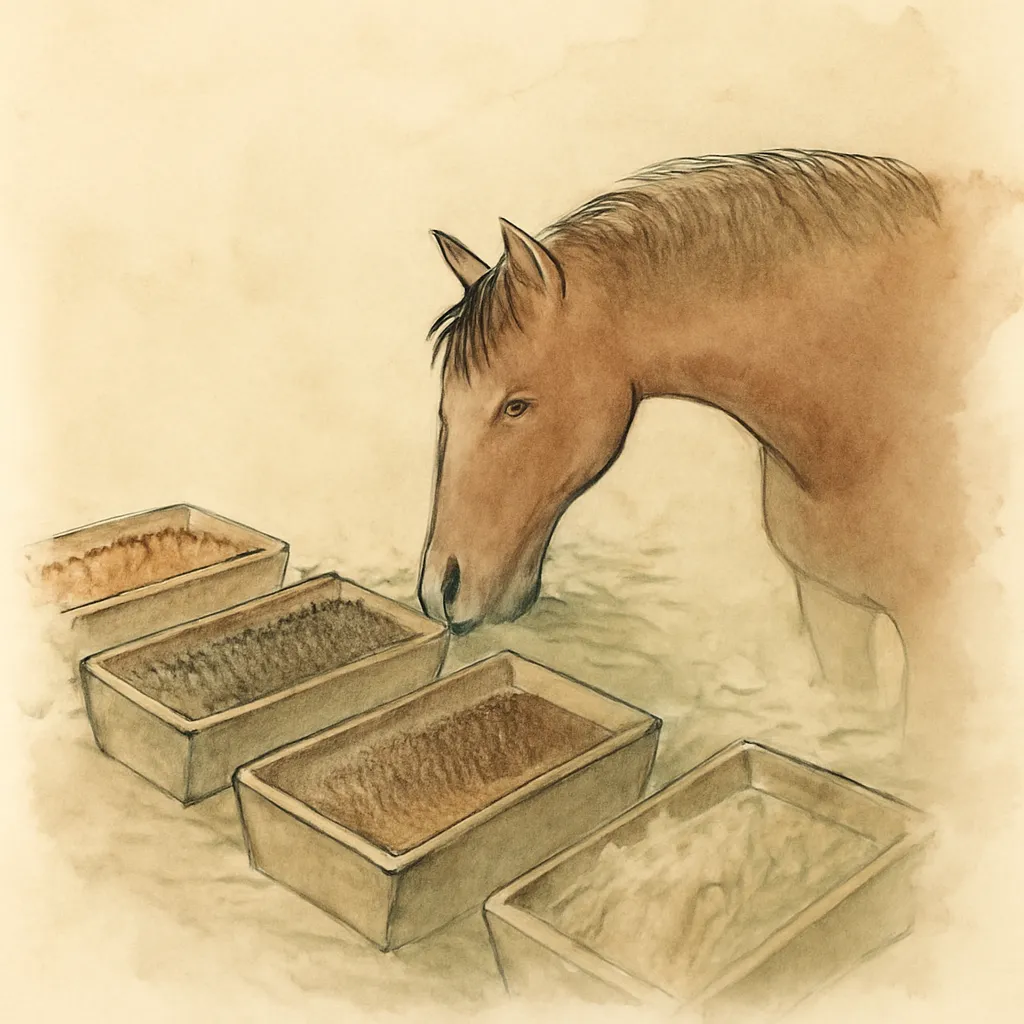
The report emphasizes the critical role of nutrition in maintaining overall equine health and preventing diseases. It discusses various types of feeds, their digestibility, and the importance of balanced diets tailored to the horse's age, workload, and health status. Poor feeding practices can lead to a range of disorders, particularly digestive issues, underscoring the need for careful management of diets. The report also touches on the benefits of boiling or steaming feed to enhance digestibility and reduce the risk of digestive disorders. For example, boiling roots not only makes them cleaner but also reduces their propensity to cause digestive disturbances. Furthermore, the report highlights that nutritional needs may vary significantly between a horse that is in training and one that is in light work or resting. By educating horse owners on proper nutrition, the report aims to foster better feeding habits that contribute to the long-term health and performance of horses.
10.Maintaining a Healthy Stable Environment

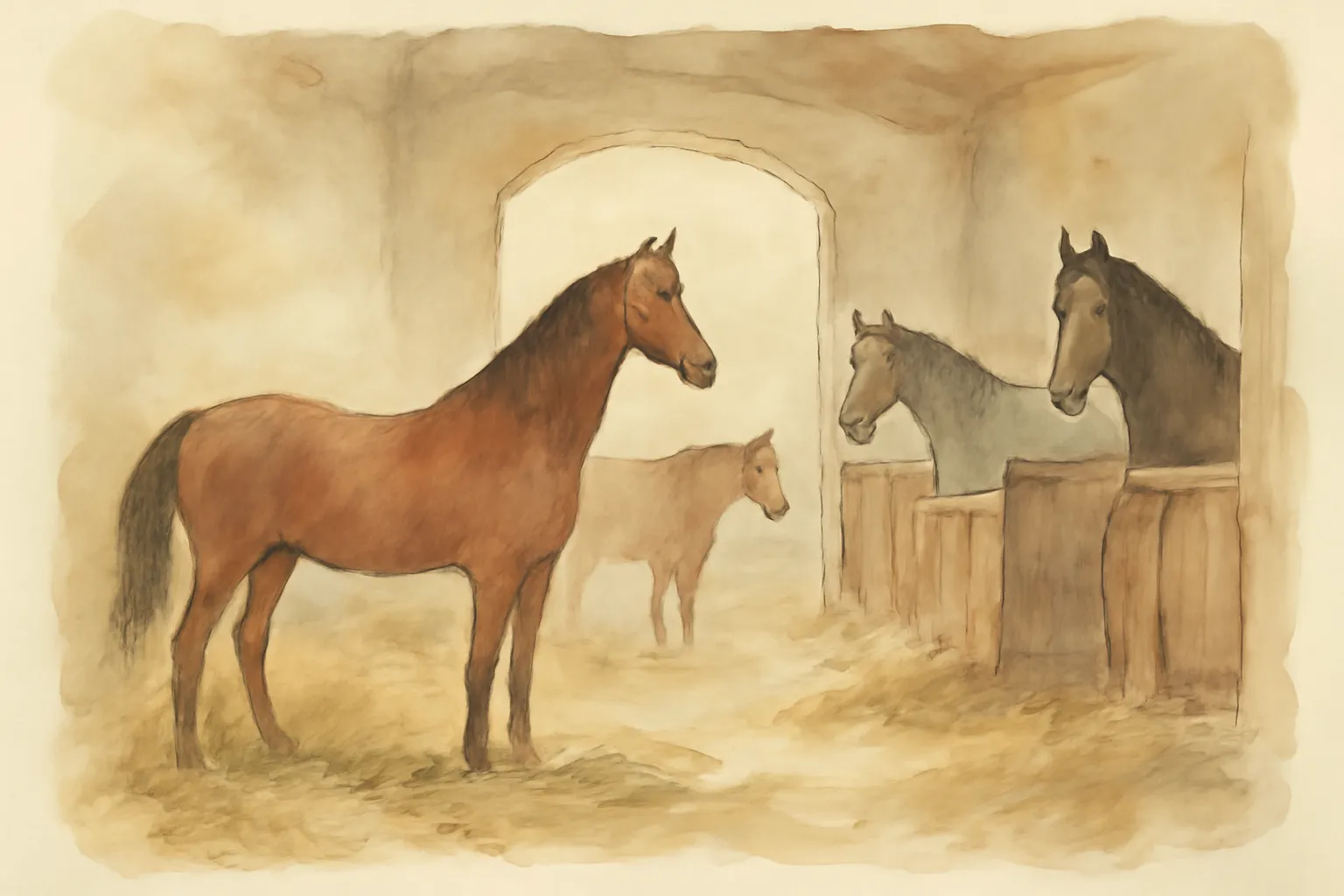
The environment in which horses are kept plays a significant role in their health. The report outlines best practices for stable management, emphasizing the importance of ventilation, cleanliness, and appropriate temperature control. Poor ventilation can lead to respiratory issues, while inadequate cleanliness can exacerbate the spread of infectious diseases. The report advises on how to manage waste effectively and ensure that stables are well-drained and free from harmful gases. For instance, decomposing organic matter can evolve gases that are detrimental to equine health. Additionally, it highlights the necessity of providing a comfortable living space that allows for natural behaviors and reduces stress in horses. Maintaining a low-stress environment is crucial, as stress can lead to a range of health issues, including digestive disorders. By fostering an optimal stable environment, caretakers can significantly enhance the well-being and performance of their horses.